Atlas Essay —
The Voice on the Wing
What’s in a Name? Why the world named the bullroarer for the fly, the bee, the beetle and the dragonfly
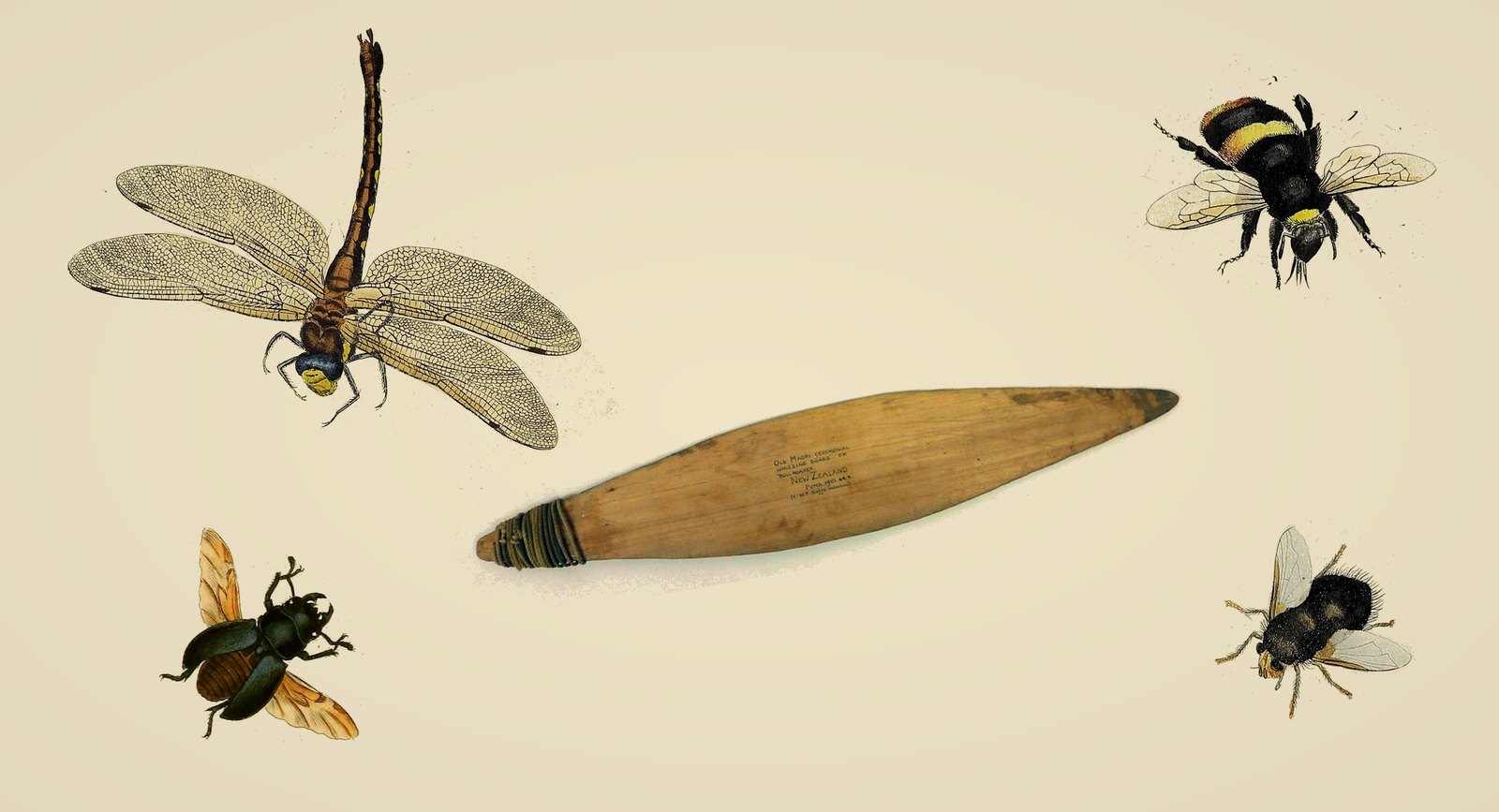
On Samoa, children folded a coconut leaflet into a little blade, tied it to a cord and whirled it until it hummed. They called it lagomumu, the name of the carpenter bee, the big black bee that drones through the bush. Some 8,500 kilometres west, Javanese children called their whirling toy koembangan, after the same bee. In the Tuamotus the word for the bullroarer was the word for the dragonfly. In Cameroon the roar was the flight of a beetle, and in Haiti the roarer and the beetle shared one name. When people had to name the voice that comes out of the dark, they named a living thing with wings.
Across the world, people who had to name the bullroarer reached for a flying insect: the fly, the bee, the beetle, the dragonfly. They did so because the roar is a wingbeat. A flat blade beating the air is what a wing is, and the sound it makes is the sound of something alive and flying. The voice in the dark was never a noise to them. It was a creature on the wing, and in the places where people said what that creature was, it was a soul, a spirit or a messenger.
In brief
- Polynesia names the roarer for the fly. The old Austronesian word for the housefly, lago, is in its name in Tonga, Samoa, West Futuna and Aotearoa (New Zealand). New Guinea, central Italy and the Colombian Amazon named it for the fly again, on their own.
- Others heard the bee. Samoa and Java named it for the carpenter bee, Sicily for the “big bee,” Bengal and Sri Lanka for the Sanskrit bee bhramara, “the whirler,” New Caledonia for the bee, northern Ghana for the mason wasp.
- Others heard the beetle: the Bamoun of Cameroon, Haiti, Honduras and the hills above Verona. Others heard the dragonfly. In north-western New South Wales two different words each mean both “bullroarer” and “dragonfly,” and so do Tuamotuan vivi and Marquesan pinao.
- The animals heard it too. Cambridgeshire dairymen drove cattle with a roarer because it sounded like the warble fly, and an Aberdeenshire herd-boy’s roarer made his cows dread the botfly.
- The winged thing is a soul, a spirit or a messenger. On Mota in Vanuatu a departing soul flutters like a moth, and the ghost is then driven off with bullroarers. In Greek lore the souls of the dead hum like a swarm of bees. On a Bwa leaf mask in Burkina Faso, as Michèle Coquet reads it, a beehive marks the bees as mistresses of the bullroarer’s hum, the first sound, and go-betweens of gods and spirits. On the Huon Gulf a butterfly carries the spirit’s message.

A Wingbeat in the Dark
A bullroarer is a flat blade of wood on a cord. Swung round the head, it does two things at once. It travels in a great circle and spins on its own long axis, each flip slapping the air. The tone is the rate of those slaps, and it is the same thing a wing does: a thin flat surface beating the air, hundreds of beats a second for a bee or a fly, fewer for a big beetle. As the cord winds up and unwinds, the blade slows, stops, and spins the other way, and the note sinks and rises like an insect coming close and going off again. The roar has no throat in it. It is pure wingbeat.
That is why the names converge. Far off, the roar is a bellow or a storm. Up close, anyone hears the buzz inside it, and the buzz is a creature on the wing. Of the names that compare the roarer with a living thing, a large share name an insect, and the insects are always the same few: the fly, the bee, the beetle, the dragonfly, with the moth and the cicada close behind. The map above shows twenty peoples on five continents and in the islands of the Pacific who did this, most with no contact with each other in any period that matters.
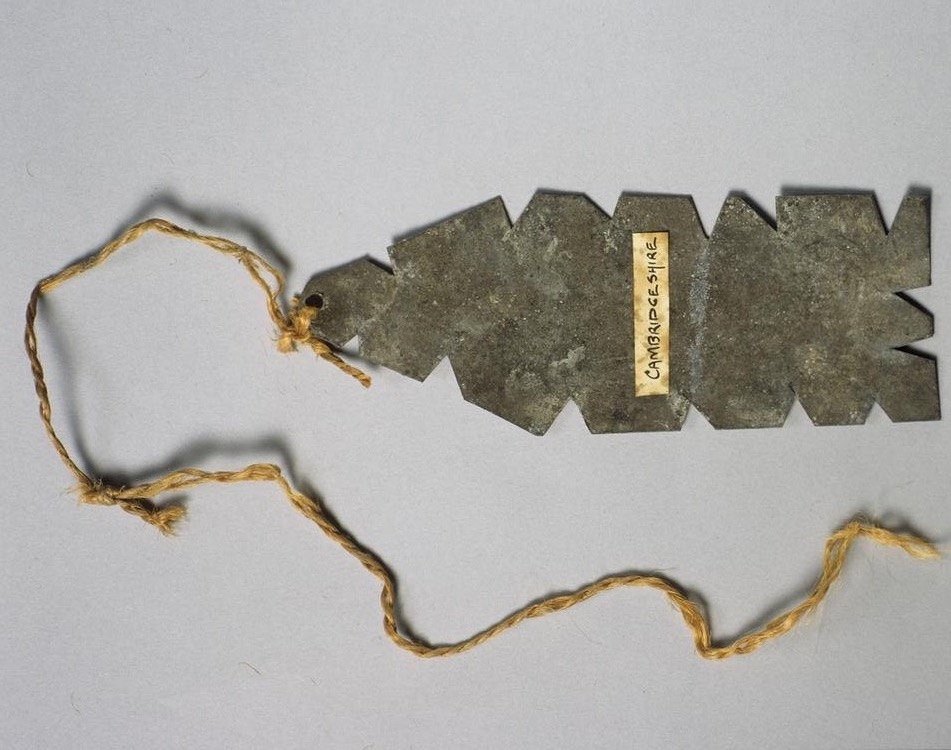
The plainest proof that the roar is a wingbeat comes from animals, who are not misled by metaphor. In Cambridgeshire and Huntingdonshire, in the east of England, dairymen were still swinging tin bullroarers at their herds in 1906. The Horniman Museum catalogued one of them:
Bullroarers were used for driving cattle. Their sound frightened the cattle as it was similar to that of the warble fly, a biting fly.
Horniman Museum and Gardens, object 6.243, catalogue description
In Aberdeenshire, in the north-east of Scotland, a herd-boy at Udny was caught swinging one to bring the cows in for milking, and they ran frantically to their stalls: “The noise made the animals dread the bot-fly or cleg.” The anthropologist A. C. Haddon, who printed the report in 1898, drew the rule from it: “The poor animals evidently mistake the noise for the buzzing of the gad-fly or bot-fly, and instinctively they take to flight.” A cow does not care what a sound is called. It runs from what it hears, and what it hears is a fly.
The Fly
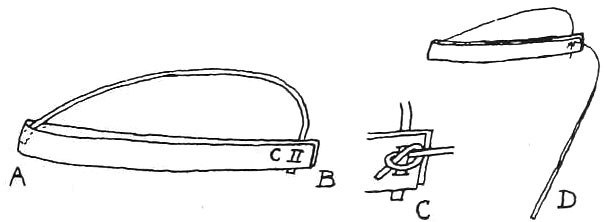
Polynesians carried the bullroarer across the largest ocean on earth, and they carried its name with them. That name is the fly. The Austronesian word for the housefly, reconstructed as *laŋaw, came down into Proto-Polynesian as *lago, and it lives on in Tongan lango, Samoan lago, West Futunan rago and Māori rango. The missionary R. H. Codrington, working in the islands of Vanuatu and the Solomons in the 1870s and 1880s, noticed how far it reached: “the odious blow-fly carries the same name and habits through all the islands.” In at least four branches of Polynesia, that word is in the name of the whirled blade.
In Samoa the toy was the lagomumu. The Māori scholar Te Rangi Hīroa (Sir Peter Buck), describing Samoan children’s leaf toys, put it in one sentence:
The bull roarer from its humming noise takes the name of the buzzing fly.
Te Rangi Hīroa (P. H. Buck), Samoan Material Culture (1930), p. 552
In Tonga, the old ethnographer W. C. McKern took down two names for a boy’s leaf-and-frond roarer that was “whirled rapidly to produce a humming noise”: kokalu and langumumuhbu, built on the same fly-word and the same humming mumu as in Samoa. Tonga and Samoa sit on the two oldest branches of the Polynesian family, so a compound they share is likely as old as Polynesian itself. On West Futuna, a Polynesian island at the southern end of Vanuatu, the leaf whizzer was the ragohpa, and rago there is the housefly. In Aotearoa, among the six Māori names that Elsdon Best collected for the bullroarer, was rangorango, from rango, the blowfly.
Polynesia is the one place where a single inherited word ties the roarer to the fly from island to island. Elsewhere the fly was found again by people who had never heard the Polynesian word. The Yonggom, who live on both sides of the border between Papua New Guinea and the Indonesian province of Papua, made their roarers fresh in the forest for each initiation and threw them away after. One kind called like a cassowary. The other was watmung yawat, the fly roarer, because it buzzed like flies. At Amaseno, in the hills of Lazio south-east of Rome, a round-headed board swung at Carnival was the moscone, the bluebottle, the big blue fly of summer kitchens.
The fly runs deepest in the Colombian Amazon. The Desana of the Vaupés, a river country on the border of Colombia and Brazil, called the bullroarer nurá-mee, “horsefly.” The anthropologist Gerardo Reichel-Dolmatoff, who lived with them, explained that the word comes from a verb meaning both “to bite” and “to insert the penis,” and that the biting fly stands for the man who takes any woman he wants. In Desana memory the world just after Creation belonged to such beings: phallic demons and stinging horseflies overran society, and they “had a language like the buzz of an insect.” Then “when the men killed the horseflies, the norms began to rule.” The roarer that bears the horsefly’s name is the voice that keeps the law they won:
This wooden slat, suspended from a string, is swung rapidly in a circle to make a distinctive noise. It has religious significance as ‘the voice of the power of the Sun’ through which the Creator exhorts society to observe the rules of exogamy.
Gerardo Reichel-Dolmatoff, Amazonian Cosmos (1971), p. 59
The Desana heard the horseflies of the first age, killed and bound, still buzzing in the dark.
The Bee
The Samoan word has a second twist. George Pratt, whose Samoan dictionary went through three editions in the nineteenth century, gave both words on the same page: lago, “the common house fly,” and “Lagomumu, s. the carpenter bee.” “The humming fly” is the big black Xylocopa that bores into dead wood, the loudest droning insect on the island.
Javanese children reached the same bee by another road. Among the names J. D. E. Schmeltz recorded for Java’s whirling toy in 1896, beside kitiran, “the spinner,” is koembangan, built on kumbang, which in Malay and Javanese is the carpenter bee and the bumblebee. Lagomumu and kumbang have nothing in common but the insect.
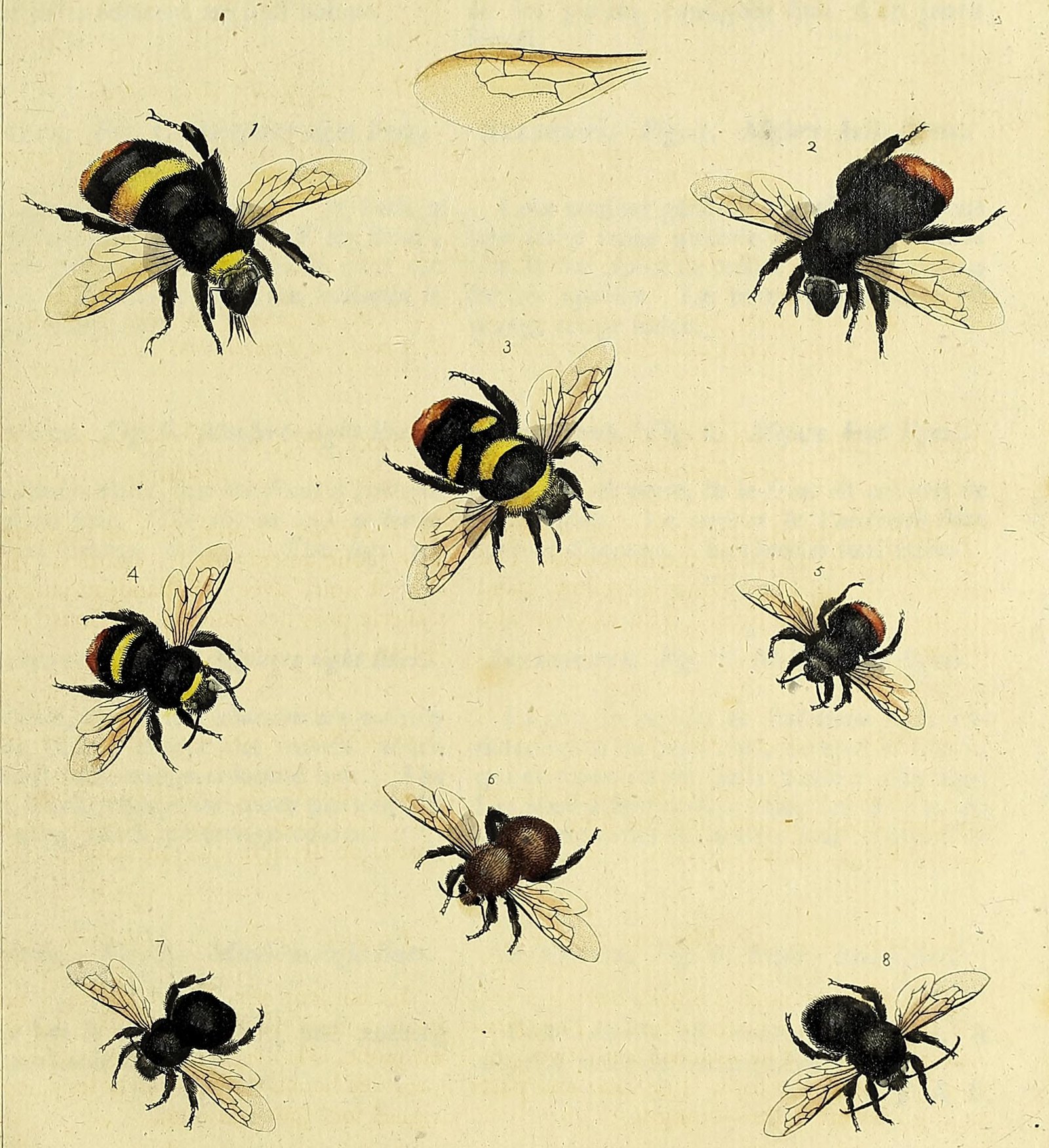
The bee runs from one end of the world’s roarer country to the other. In Pije, a language of northern New Caledonia, the coconut-leaf whizzer is maguk, “bee.” At Mistretta in Sicily the bullroarer is the lapuni, from the Italian apone, the “big bee,” and its drone is compared to the hum of the male bee. When the church bells fell silent for Holy Week, the grown men took it up:
il lapuni venga adoperato anche dagli adulti, durante le cerimonie della Settimana Santa, quando le campane sono legate
The lapuni is used also by adults during the ceremonies of Holy Week, when the bells are tied.
Giuseppe Cocchiara (1938), pp. 127–128, quoted in Sergio Bonanzinga, Strumenti musicali in Sicilia (2013), p. 64
In north-east India, the Tipra kings of Tripura sealed their realm each year for Ker-puja, a rite of total silence. Into the silence broke the bhemrai, a broad bamboo strip whirled on a cord until it boomed “bho bho.” Its name is the Bengali bhomra, the bumblebee, and that word comes from the Sanskrit bhramara, the bee, which is built on the root bhram, “to whirl, to wander.” In Sanskrit the bee is “the whirler.” The court chronicle’s editor read the rite as a picture of the world before creation:
[Ker-puja] is a picture of that age when there was no light, no sound, no living thing, no birth or death… In the silence of Ker-puja, as when sound first broke the deep silence at the dawn of creation, the bho bho of the bhemrai seems now and then to be creating sound in a soundless universe.
Sri Rajmala, vol. 1 (1929), editorial commentary, p. 145 (translated from the Bengali)
The same bee flew south to Sri Lanka. A. A. Perera, writing on Sinhalese toys in 1912, gave a boys’ name for the Sinhalese bullroarer, helibambara, whose second half is bambara, the bee, from the same Sanskrit bhramara. In northern Ghana the bee’s cousin takes its place. In Buli, the language of the Bulsa, the bullroarer and the mason wasp share a single word, vusungvuung: Biika a yuling ka vusungvuung, “the child is swinging the bull-roarer.”
For the |Xam of South Africa the bee was not only the sound but the purpose. They had a little blade on a stick, the !goin !goin, and its buzz was the bees’ own. In January 1878 the |Xam man |han≡kass’o told Lucy Lloyd in Cape Town what it was for:
The people beat the |góm|góm, (in order) that the bees may become abundant for the people… that the people may cut honey, that they may put honey away into bags.
|han≡kass’o, in W. H. I. Bleek and L. C. Lloyd, Specimens of Bushman Folklore (1911), pp. 353–355
The |Xam spoke to the bees in their own voice. On the far side of the continent the Bwa of Burkina Faso made the bee the owner of the sound itself. On one of their leaf masks, which take shape over a sequence of dances from a shapeless heap of leaves to a near-human form, the separation of men from the gods is marked by a beehive, because the bees are, in the words of their ethnographer,
maîtresses du premier son, celui du bourdonnement du rhombe, et médiatrices entre le monde des dieux et celui des esprits.
mistresses of the first sound, the humming of the bullroarer, and go-betweens of the world of the gods and the world of the spirits.
Jean-Claude Muller, summarizing Michèle Coquet, in Objets-signes d’Afrique (1997), p. 226
The first sound in the world was a hum, the hum was the bullroarer, and the bullroarer belonged to the bees.
The Beetle
The Bamoun kingdom of western Cameroon has a rite in which its king is judged by his people. It is called Nguon. Before the trial, the king’s messengers, the Fonaanguon, travel the whole country collecting medicines and the people’s grievances. On the first night they come back to the palace at Foumban, in the dark, to the sound of the bullroarer. Cameroon’s inventory of its living heritage describes the entry:
sous une obscurité totale, sous le son du rhombe qui produit un son fort et particulier semblable au bruit du vol du scarabé (Nguon)
in total darkness, to the sound of the bullroarer, which makes a loud and particular sound like the noise of the flight of the beetle (Nguon).
Inventaire général du patrimoine culturel national, Cameroun (2020), “Nguon”
The beetle and the rite have the same name. The messengers come in under its wings, bags of medicine and complaint on their shoulders, and only initiates may follow them. “Who tries, will see,” they say as they pass. The roarer is the beetle flying home in the dark with the word of the whole kingdom.
The Atlantic did not stop the beetle. In Haiti, among the noisemakers of the Rara bands at Lent is the von-von, which Harold Courlander described in 1960 as “a thin flat piece of wood whirled on the end of a cord.” In Haitian Creole a vonvon is a beetle. In Honduras the bullroarer is the ronrón, and so is the June beetle. The Spanish-American dictionary of the Royal Academy defines the toy by the beetle:
Juego y juguete que consiste en colocar en un extremo de una tablita una cuerda, que al impulsarla en círculos, provoca un zumbido parecido al del abejorro o ronrón.
A game and toy that consists of tying a cord to one end of a small board; swinging it in circles makes a buzz like that of the bumblebee or the ronrón.
Real Academia Española and ASALE, Diccionario de americanismos (2010), s.v. ronrón
Europe heard the beetle too. In the mountain valleys above Verona, in northern Italy, the folklorist Giovanni Tucci found the bullroarer called surla:
Il rombo in tali contrade viene chiamato «surla», termine col quale i veronesi denominano le cetonie e i maggiolini, e pertanto la denominazione si collega al caratteristico rumore che questi insetti producono volando.
In these districts the bullroarer is called “surla,” the word by which the Veronese name the rose chafers and the cockchafers, and so the name is tied to the characteristic noise these insects make in flight.
Giovanni Tucci, “Studi e ricerche sul rombo in Italia,” Rivista di Etnografia 23 (1969), p. 366
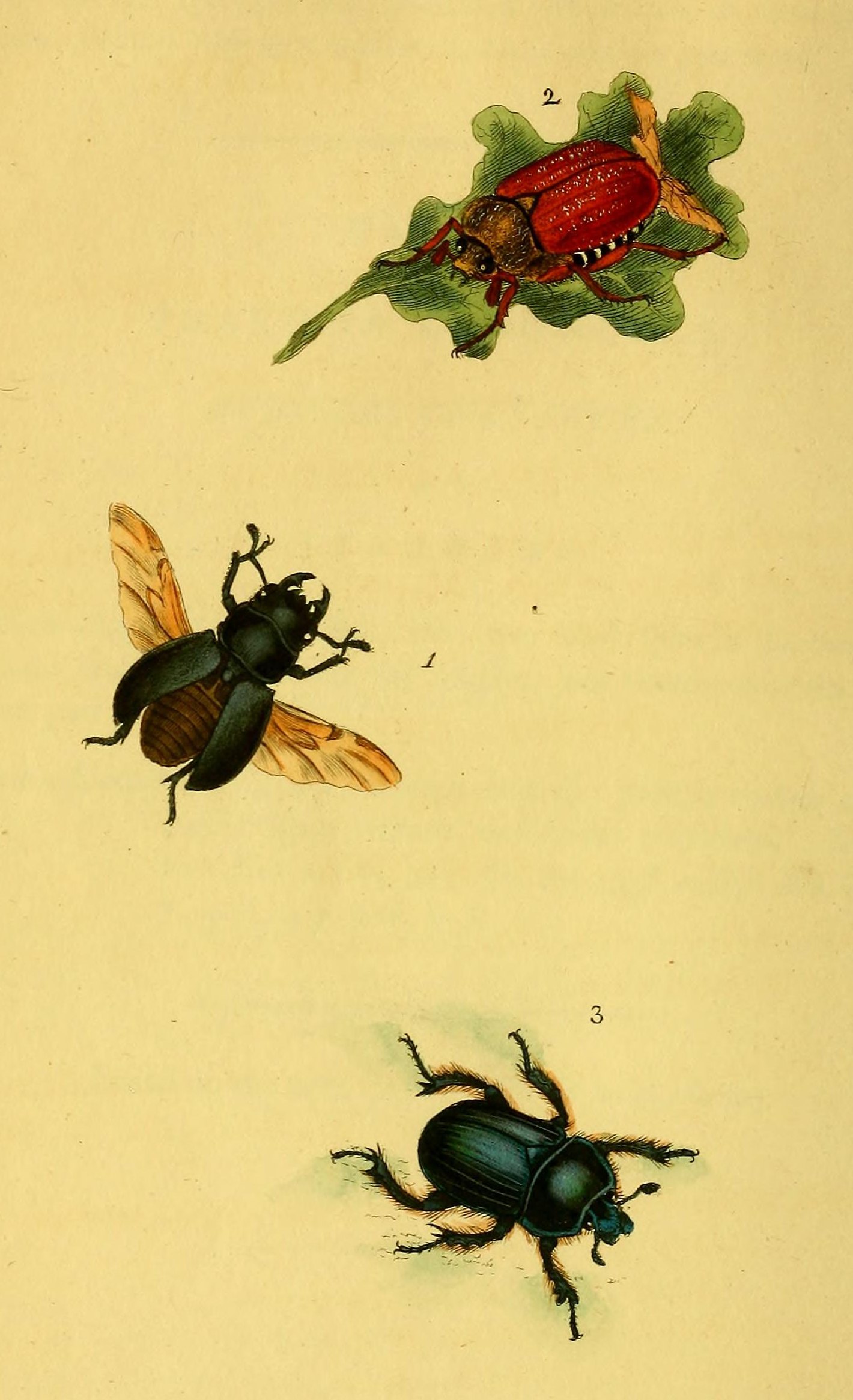
The French ethnologist Claudine Fabre-Vassas, gathering the roarer’s names across southern Europe, saw the whole swarm at once: “hanneton, cétoine, frelon, grosse mouche,” she wrote, the cockchafer, the rose chafer, the hornet and the big fly, “vrombissent et bourdonnent dans la voix des rhombes,” “drone and buzz in the voice of the bullroarers.”
The Dragonfly and the Moth
In north-western New South Wales, Australia, the Yuwaalaraay language has two words for the bullroarer, from two different roots, and each of them also means “dragonfly.” The dictionary of Gamilaraay, Yuwaalaraay and Yuwaalayaay gives them plainly: “garrarana, noun, a. bullroarer, b. dragonfly,” and “murrumanamanaa, a. dragonfly, b. bullroarer.” These are the people K. Langloh Parker called the Euahlayi. Twice over, their language made the dragonfly and the bullroarer one word.
Polynesia found the dragonfly as well, at its eastern edge. In the Anaa dialect of the Tuamotus, in French Polynesia, the dictionary of J. F. Stimson and D. S. Marshall gives:
Vivi. A whirligig, bull-roarer; the use of the whirligig as a child’s amusement; this is made with a bent coconut-rib tied to a string attached to the end of a stick.
J. F. Stimson and D. S. Marshall, A Dictionary of Some Tuamotuan Dialects (1964), p. 611
The same headword is “a dragonfly,” and as a verb it means “to make a buzzing, whirring, humming sound; as a dragonfly, top, whirligig.” In the Marquesas, on Fatu Hiva, the leaf whizzer is the pinao, and pinao in Marquesan is the dragonfly; its relatives are Hawaiian pinao and Tahitian pi’ao, the dragonfly across eastern Polynesia.
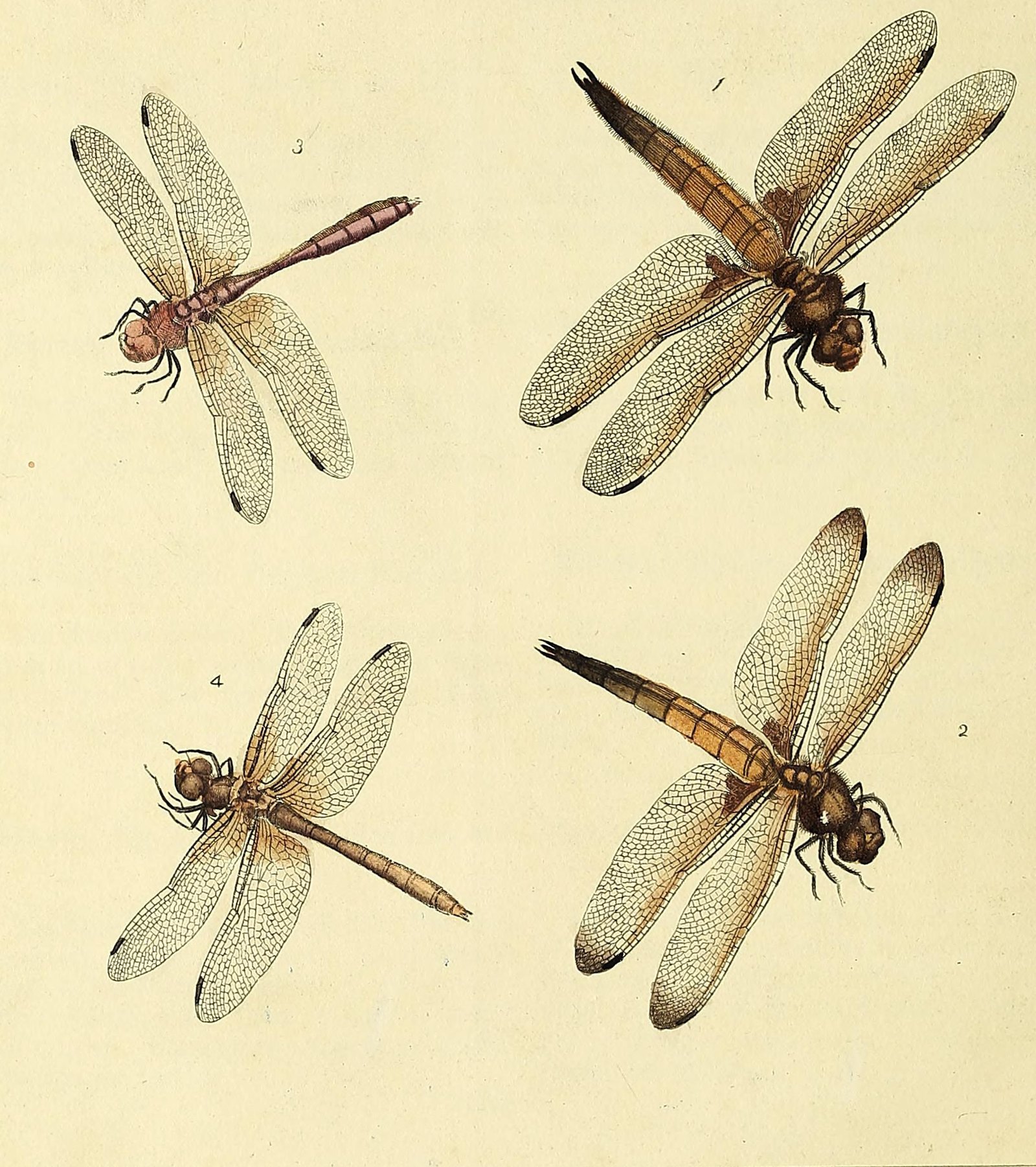
The Māori heard a moth. Best’s first name for the Māori bullroarer is pūrerehua, and pūrerehua is the moth and the butterfly. The carved roarers swung to bring rain carry the name of a creature whose wings whirr at the window at night.
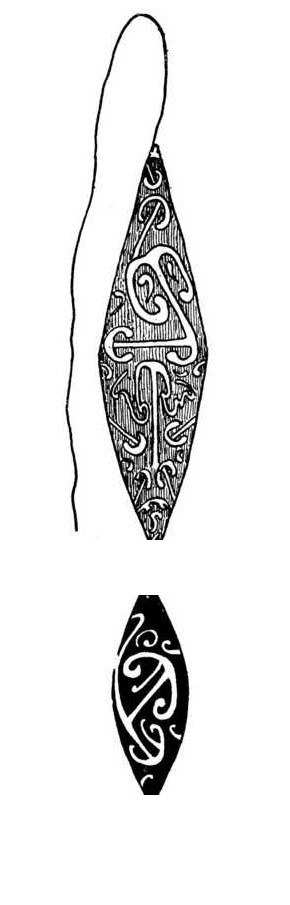
The dragonfly is the purest case of all. It does not buzz like a fly or drone like a bee. It hovers, then darts, its four wings clattering, then hangs in the air again. A bullroarer does the same: it hangs at the end of its cord, roaring, then drops, falls silent and starts again as the blade turns. One language of inland Australia, twice over, and two of the eastern Pacific, with no word in common between them, looked at the thing hanging in the air and named it for the hovering insect.
The Insect on the Blade
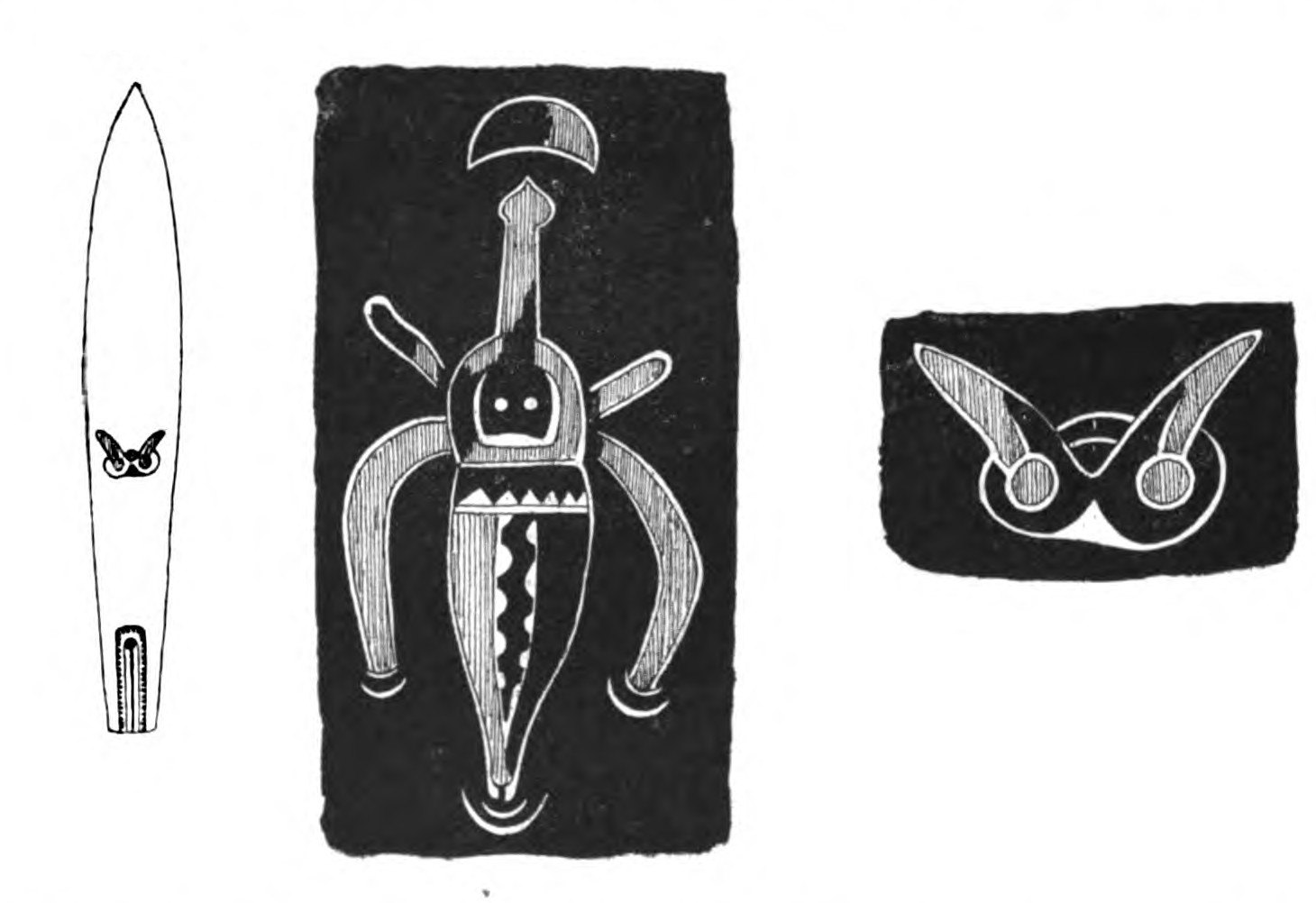
Some peoples did not stop at the name. In 1888 the Berlin museum’s conservator, Eduard Krause, showed his colleagues drawings of a bullroarer from Kaiser-Wilhelmsland, the German colony on the north-east coast of New Guinea. It was a blade of dark palm wood 47 centimetres long, deeply carved and filled with white. On one face was a gadfly at rest. On the other, the same insect faced the viewer head-on, wings spread, in flight. Krause reported that swung on its cord it gave a humming, dully howling tone. The carver had put on the blade what the blade became when it was swung: the insect at rest, then the insect in the air.
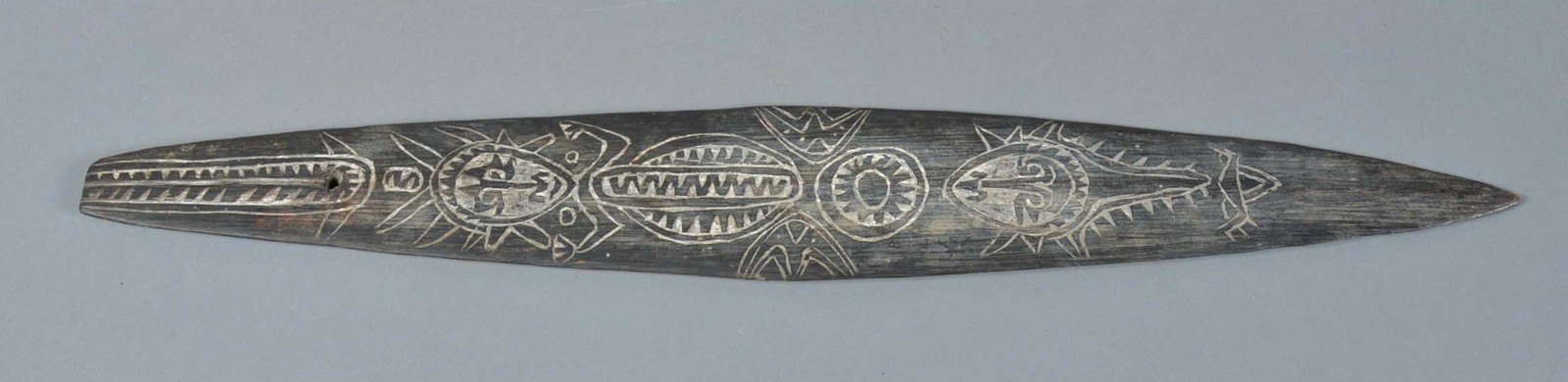
A little way down that coast, on the Huon Gulf, the Bukaua called the bullroarer balum, the same word as their word for a spirit of the dead. The missionary Stefan Lehner got the old carvers to explain the figures they cut into the blades, and one of them was a butterfly. As the butterfly flies now landward, now seaward, they told him, so the Balum’s message reaches everywhere. The roarer is the spirit’s voice, and the insect is how the voice travels.
Souls on the Wing
If the roar is a creature on the wing, what creature is it? Where people said, the answer was the dead. On Mota, in the Banks Islands of northern Vanuatu, the bullroarer was called nanamatea, “death-maker.” Codrington set down what happened on Mota when a person died, and on a single page the soul becomes an insect and the bullroarer drives it away:
The soul possibly may be caught. A woman at Mota some years ago who knew that a neighbour was at the point of death heard something rustling in her house, like the fluttering of a moth, just when cries and wailings told her that the soul had flown. She caught the fluttering thing between her hands and ran with it to the house of death, crying that she had caught the atai; she opened her hands above the corpse’s mouth to restore the soul, but there was no recovery.
The ghost does not at once leave the neighbourhood of the body, it hangs about the house and the grave five or ten days… there is a custom of driving it away with shouts and blowing of conchs; in some places bull-roarers are sounded.
R. H. Codrington, The Melanesians (1891), p. 267
The soul leaves the body as a fluttering moth, and days later the living send the ghost on its way with the whirled blade. Elsewhere in the same islands, Codrington adds, people feared a sorcerer “should come in some form, as of a blow-fly,” and sat by the sick to drive every fly away. In Melanesia the spirit came and went with wings.
Southern Europe told the same story. Fabre-Vassas, following the bullroarer through the villages of France, Italy and Spain, found that the insects whose noise filled the roarer’s names were the forms of the dead. In the folklore she gathered, the souls of the dead appear as “des insectes ou des petits oiseaux empêchés de prendre leur vol,” “insects, or little birds kept from taking their flight.” Around Badia Polesine, on the Po plain in the Veneto, the roarer itself was called la morte, “death,” and the folklorist Cleto Corrain tied that name to the pig bone knotted to the end of its cord at nearby Ceneselli, where the spinning bone “makes the dead heard.”
The Greeks, who whirled the rhombos in the mysteries of Dionysus and of the Mother of the Gods, said the same of the bee. In the third century AD the philosopher Porphyry, explaining Homer’s cave of the nymphs where bees store honey in stone jars, wrote that the ancients called souls bees, and quoted Sophocles on the sound the dead make:
…the Nymphs that are souls, which the ancient peculiarly called bees, as the efficient causes of sweetness. Hence Sophocles does not speak unappropriately when he says of souls:—
“In swarms while wandering, from the dead, A humming sound is heard.”
The priestesses of Ceres, also, as being initiated into the mysteries of the terrene Goddess, were called by the ancients bees; and Proserpine herself was denominated by them honied.
Porphyry, On the Cave of the Nymphs, §§18–19, trans. Thomas Taylor (1823)
The dead hum. The initiated women of Demeter’s mysteries, the melissai, were bees. The Greek word for the soul, psychē, was also the word for the moth and the butterfly. A Greek who heard the rhombos in the dark at a mystery rite was hearing, in his own people’s terms, a swarm of souls.
One Creature, Heard Everywhere
Only one set of these words goes back to a common ancestor: the Polynesian lago, the fly, carried from island to island in canoes. Everywhere else the insect was found again. Sicily did not learn the bee from Bengal, Haiti did not learn the beetle from the Bamoun, and the Yuwaalaraay did not learn the dragonfly from the Tuamotus. Twenty peoples on the map listened to the same blade and heard the same small company of insects. That is not a coincidence of sounds. It is many independent witnesses to one thing: the bullroarer sounds like a wing because it is one.
The peoples who swung it at night, behind the fence of the initiation ground, wanted the women and children on the other side to hear something alive. The roar comes out of the dark, rises and sinks, circles, comes close and goes off again, the way something with wings moves around a fire. What is out there? The names give the answer the initiates were meant to give: a great fly, a bee, a beetle, a dragonfly. And when the boys were finally shown the blade, they learned that the creature had been a strip of wood all along, and that the wood, swung in the right hands, became the creature again.
Across the world, people who had to name the bullroarer reached for a flying insect. They were right to. The voice in the dark is a wingbeat, and where people said what was on the wing, it came from the other world: the souls of the dead on Mota and in Greece, the bees that carry word between gods and spirits among the Bwa, the butterfly bearing the spirit’s message on the Huon Gulf, the beetle bringing the king’s messengers home at Foumban, the horseflies of the first age in the Vaupés.
Key sources
Te Rangi Hīroa (P. H. Buck). 1930. Samoan Material Culture. Bernice P. Bishop Museum Bulletin 75. Honolulu — lago mumu, p. 552. Te Rangi Hīroa. 1927. The Material Culture of the Cook Islands (Aitutaki). New Plymouth — fig. 281. Pratt, G. 1893. A Grammar and Dictionary of the Samoan Language, 3rd ed. London — lago and lagomumu, p. 180.
Moyle, R. 1987. Tongan Music. Auckland — “Free aerophones,” citing W. C. McKern’s manuscript, p. 669 (kokalu, langumumuhbu). McLean, M. 1999. Weavers of Song: Polynesian Music and Dance. Auckland — West Futuna ragohpa (p. 255) and the Fatu Hiva pinao. Kaeppler, A. L. and Love, J. W. (eds). 1998. The Garland Encyclopedia of World Music, vol. 9, Australia and the Pacific Islands — West Futuna and New Caledonia (Pije maguk). POLLEX, Polynesian Lexicon Project, entries LAGO.1, WIIWII, PIIGAO. Best, E. 1925. Games and Pastimes of the Maori. Wellington — pp. 293–296, fig. 102. Te Aka Māori Dictionary, s.v. pūrerehua.
Stimson, J. F. and Marshall, D. S. 1964. A Dictionary of Some Tuamotuan Dialects of the Polynesian Language. The Hague — s.v. vivi, p. 611. Ash, A., Giacon, J. and Lissarrague, A. (eds). 2003. Gamilaraay, Yuwaalaraay and Yuwaalayaay Dictionary. Alice Springs: IAD Press — s.vv. garrarana, murrumanamanaa. Parker, K. L. 1905. The Euahlayi Tribe. London.
Codrington, R. H. 1891. The Melanesians: Studies in their Anthropology and Folk-Lore. Oxford — the blowfly, p. 19; sorcerers as blowflies, ch. 11; the moth-soul and the bullroarers, p. 267; nanamatea, p. 342.
Schmeltz, J. D. E. 1896. “Das Schwirrholz: Versuch einer Monographie.” Verhandlungen des Vereins für naturwissenschaftliche Unterhaltung zu Hamburg 9: 92–128, pp. 102–103 (Java), after Brandts Buys and Brandts Buys-van Zijp 1926, p. 328 for koembangan. Blust, R. and Trussel, S. Austronesian Comparative Dictionary, s.vv. *laŋaw, *kumbaŋ.
Penn Museum, object 89-17-104 (Yonggom watmung yawat). Catalogo generale dei Beni Culturali (ICCD), scheda 1200652143 (Amaseno moscono). Reichel-Dolmatoff, G. 1971. Amazonian Cosmos: The Sexual and Religious Symbolism of the Tukano Indians. Chicago — pp. 57–59, 112–116.
Bonanzinga, S. 2013. In G. P. Di Stefano, S. G. Giuliano and S. Proto (eds), Strumenti musicali in Sicilia. Palermo — p. 64, quoting G. Cocchiara (1938), pp. 127–128. Sri Rajmala, vol. 1. 1929. Agartala — editorial commentary on Ker-puja, pp. 144–145. Perera, A. A. 1912. “A Sinhalese Toy.” Spolia Zeylanica 8 — p. 147, n. 22. Kröger, F. 2021. Buli–English Dictionary (Webonary) — s.vv. vusungvuung, yuling.
Bleek, W. H. I. and Lloyd, L. C. 1911. Specimens of Bushman Folklore. London — pp. 353–359, plate 19. Muller, J.-C. 1997. Review of M. Coquet, “De la morphologie des masques de feuilles bwaba (Burkina Faso),” in Objets-signes d’Afrique — p. 226. Capron, J. 1957. “Quelques notes sur la société du do chez les populations Bwa du cercle de San.” Journal de la Société des Africanistes 27: 81–129.
Inventaire général du patrimoine culturel national, Cameroun. 2020. “NGUON: Rituels autour du pouvoir sacré du Mfon” — the first night. Courlander, H. 1960. The Drum and the Hoe: Life and Lore of the Haitian People. Berkeley — p. 202. Real Academia Española and ASALE. 2010. Diccionario de americanismos, s.v. ronrón. Tucci, G. 1969. “Studi e ricerche sul rombo in Italia.” Rivista di Etnografia 23: 363–377, pp. 366, 376 n. 16. Fabre-Vassas, C. 1987. Études rurales 105–106 — pp. 201–204, the insects and the souls of the dead at p. 202.
Horniman Museum and Gardens, objects 6.242 and 6.243. Haddon, A. C. 1898. The Study of Man. London — ch. 10, “The Bull-Roarer,” pp. 223, 258.
Krause, E. 1888. In Verhandlungen der Berliner Gesellschaft für Anthropologie, Ethnologie und Urgeschichte, session of 26 May 1888, Zeitschrift für Ethnologie 20, pp. (266)–(267), figs. 1–3. Lehner, S. 1911. “Bukaua.” In R. Neuhauss, Deutsch Neu-Guinea, vol. 3. Berlin — pp. 410–413, figs. 5–16.
Porphyry. On the Cave of the Nymphs in the Thirteenth Book of the Odyssey, trans. T. Taylor (1823; repr. London: Watkins, 1917) — §§18–19 (Taylor’s sections 7–8). Clement of Alexandria, Protrepticus 2.17–18 — the rhombos among the toys of the child Dionysus.
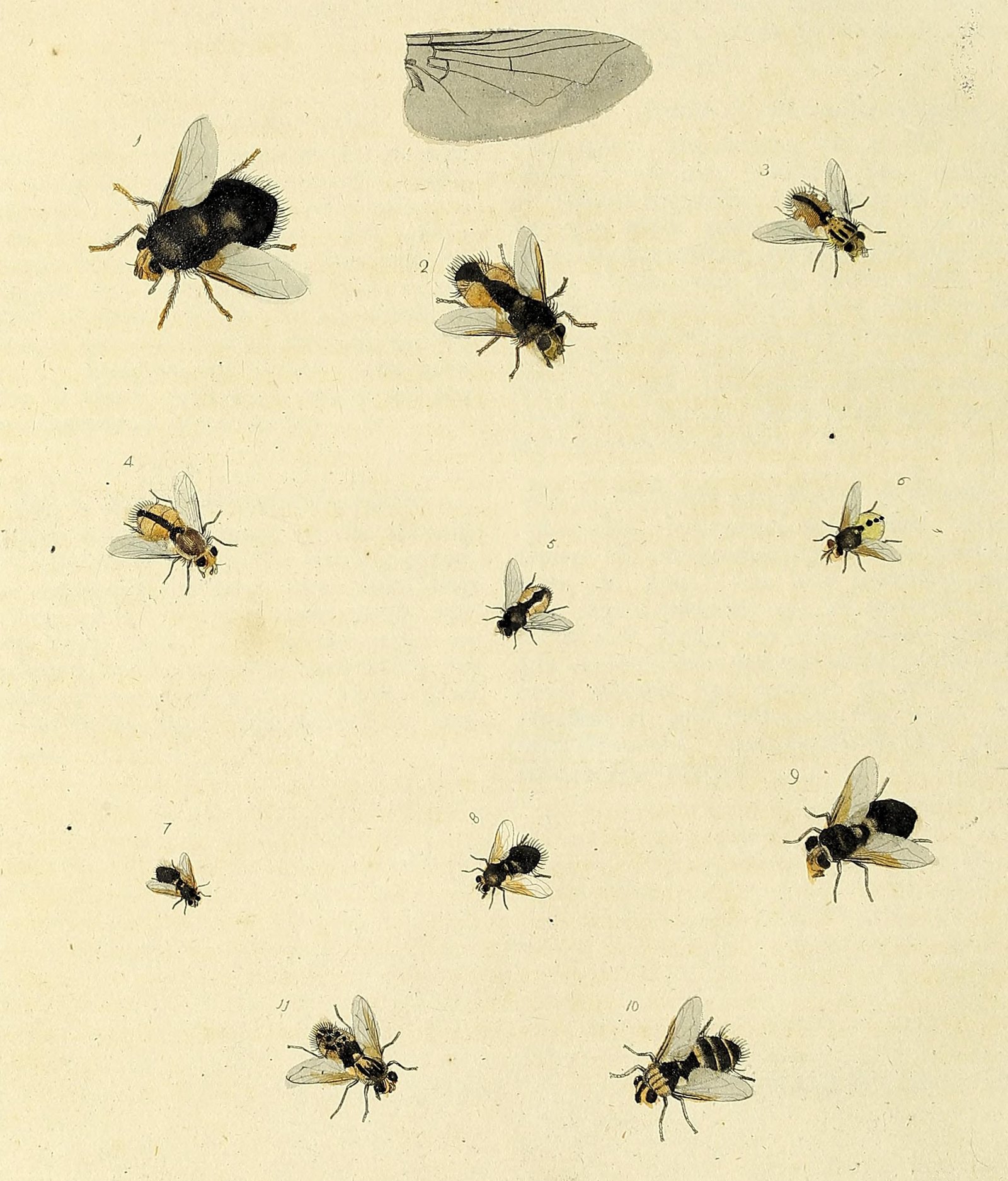
The insects in the plates are from Harris, M. 1782. An Exposition of English Insects, tabs. IX, XII, XXXVIII, XLVI; and Donovan, E. 1799. The Natural History of British Insects, vol. 8, pl. 264.