The Stolen Voice · Essay V
The House
That Swallows Boys
Australia · New Guinea · Amazonia · Greece · Tierra del Fuego
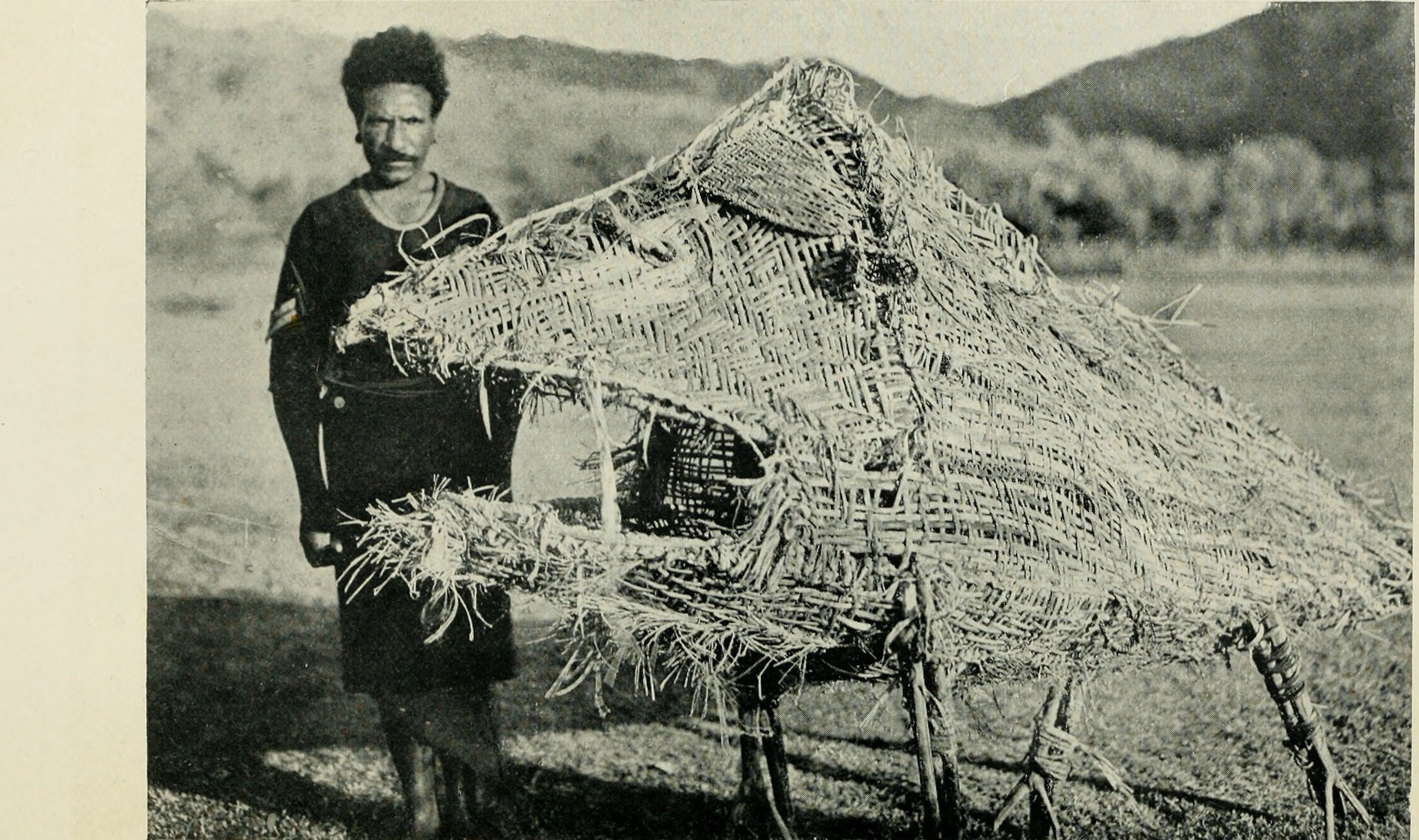
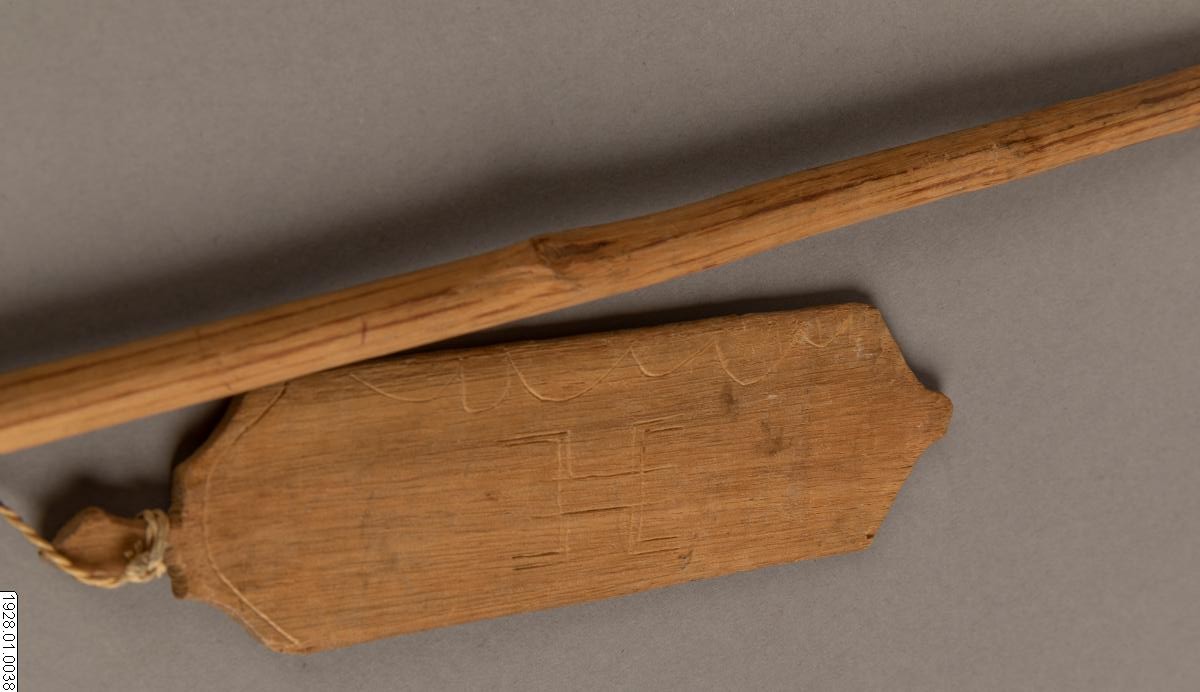
The men’s house stands where the mothers stop. On the Huon Gulf of Papua New Guinea it is a monster with a mouth and belly. On the Purari River, on the same island, its wicker ribs rise into a devouring beast. In the Amazon the same act moves into ancestral flutes and trumpets; in Greece, into the god torn apart who resumes divine life; in Tierra del Fuego, at South America’s southern tip, into a spirit-house without the roaring board. The architecture changes. The operation does not.
The initiation house is a male womb built around a stolen female voice: it takes boys from their mothers, swallows, bleeds, renames, and returns them as men.
In brief
- Among the Murinbata of northern Australia, the hidden bullroarers are the Mother’s voice, and the novices are told she will “swallow them alive, then vomit them up.” In the Kunapipi, a novice leaves his ceremonial double in the wood.
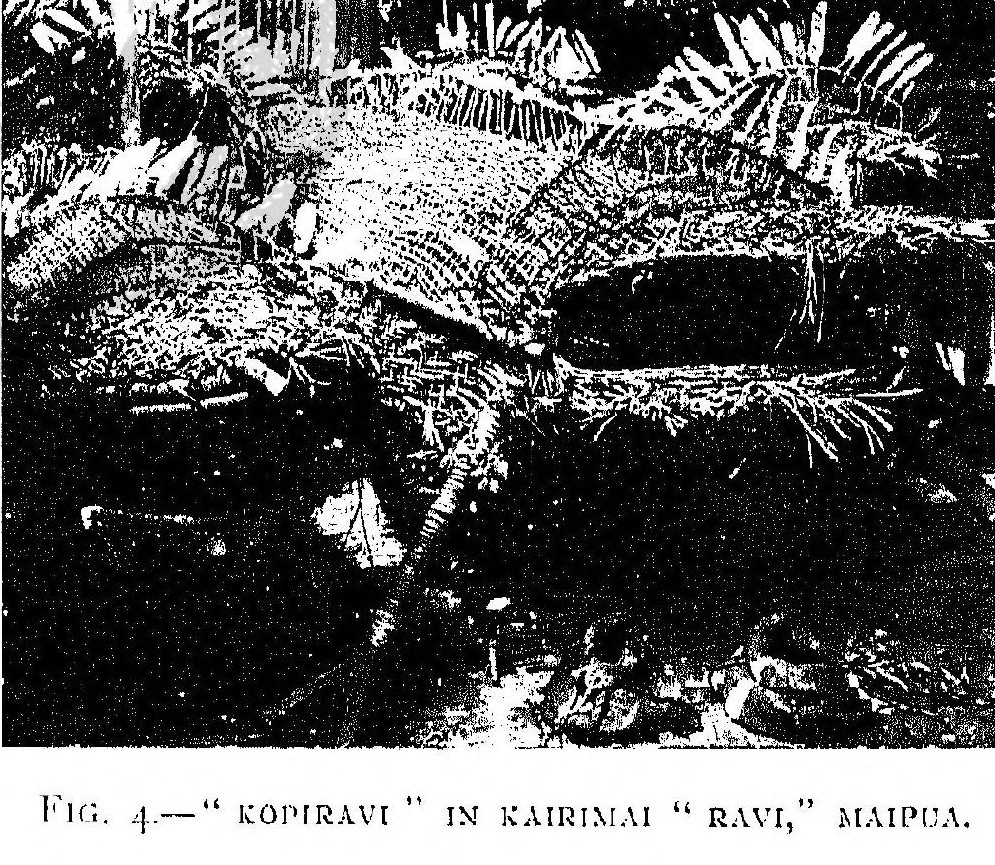
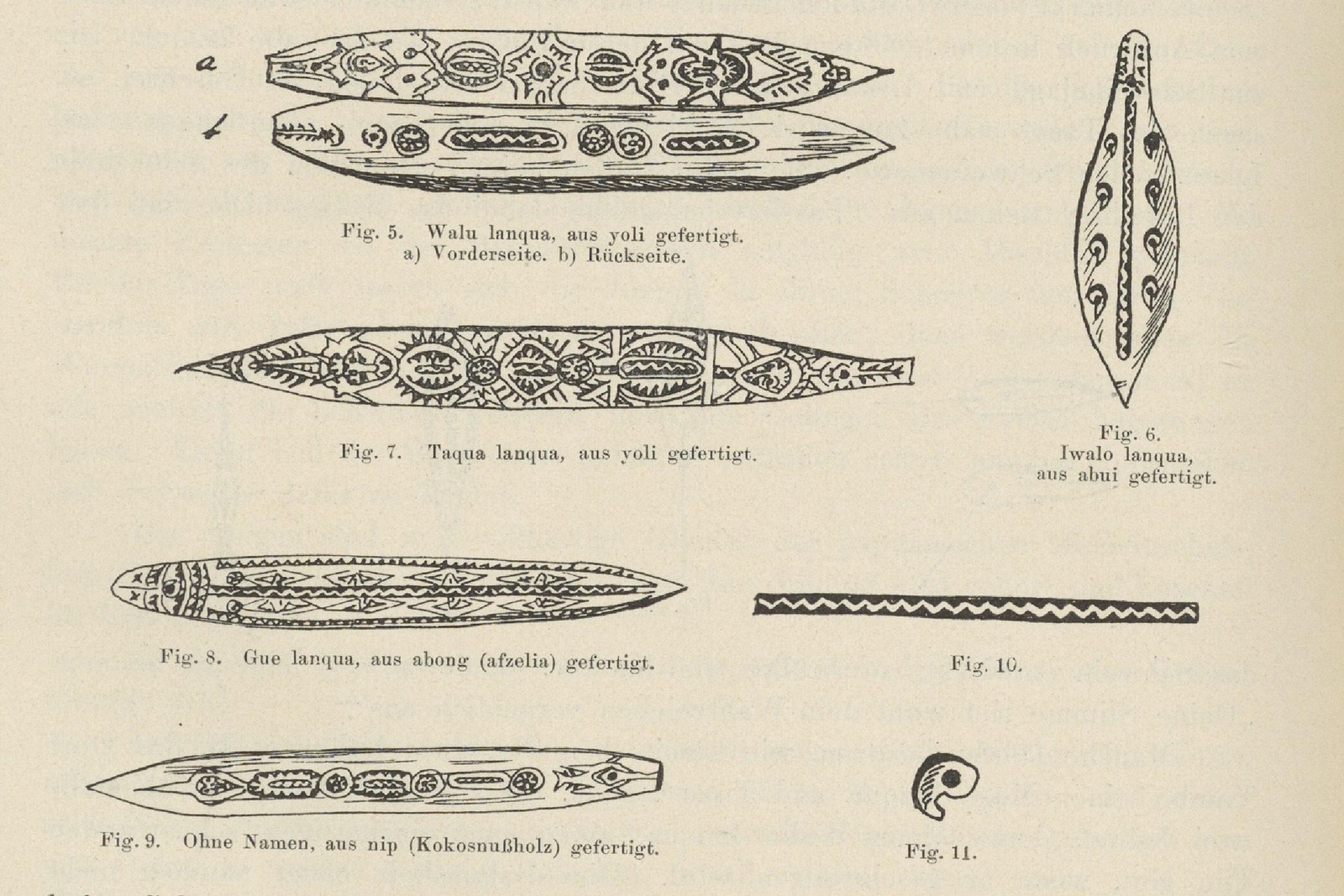
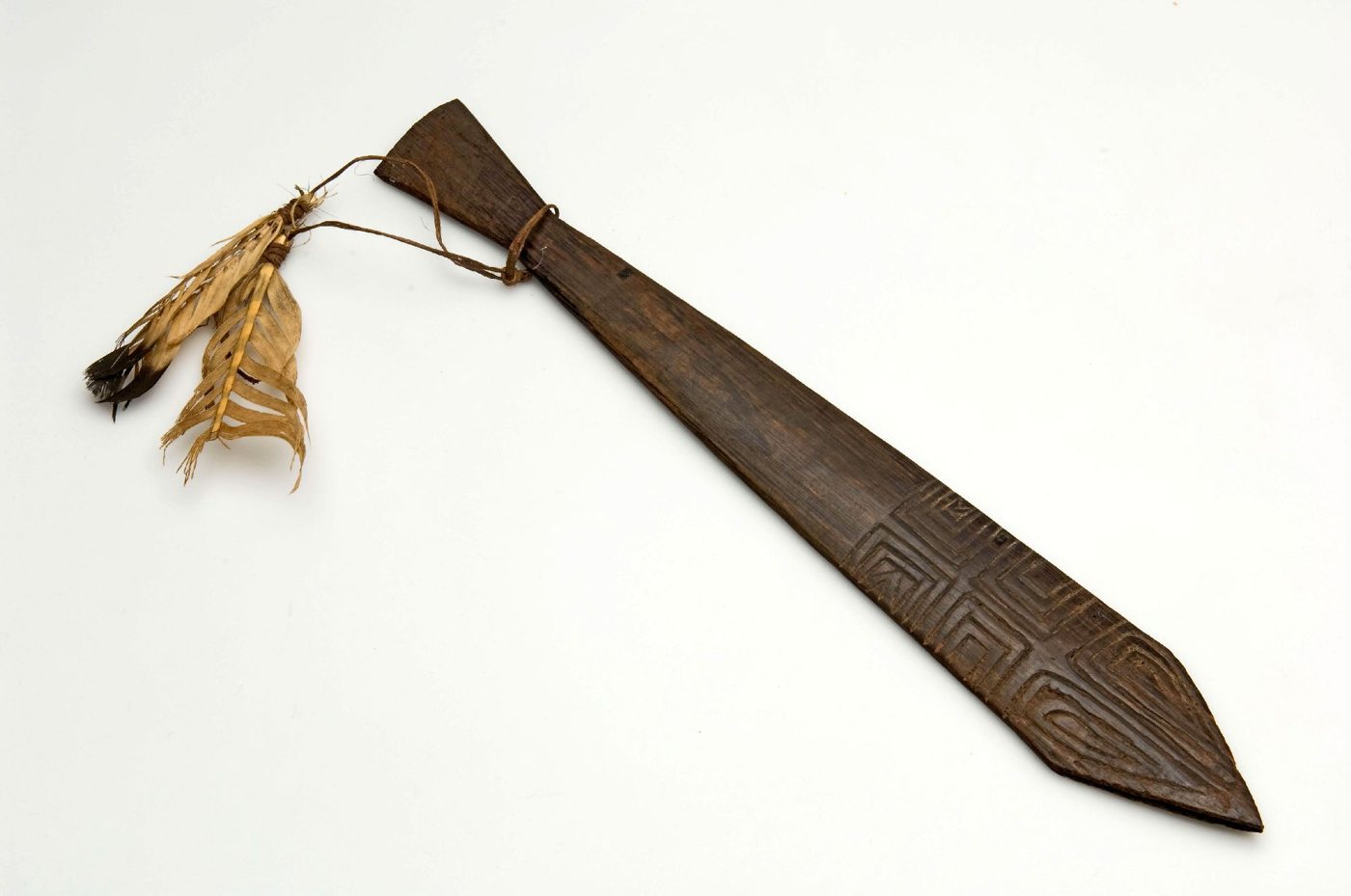
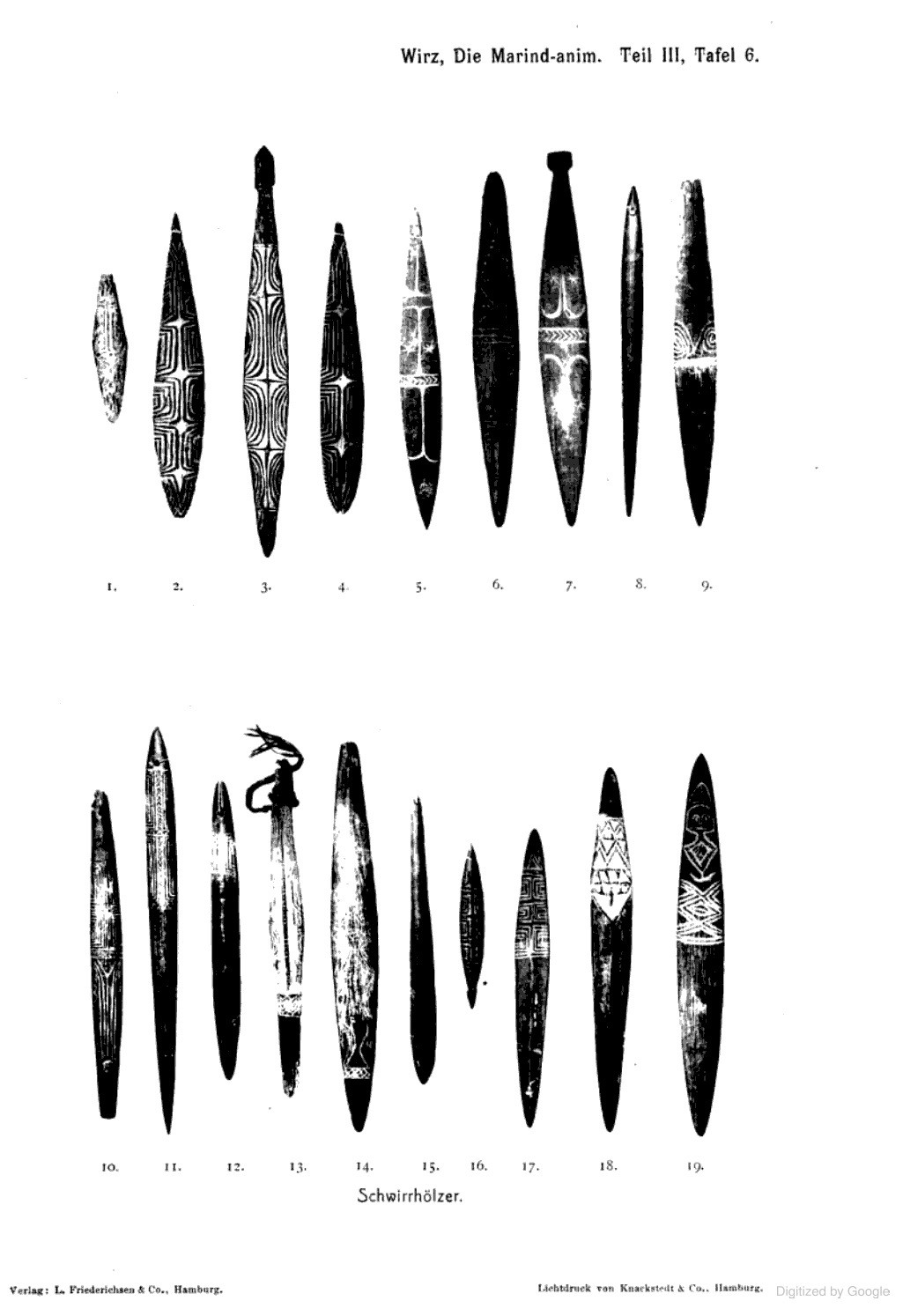
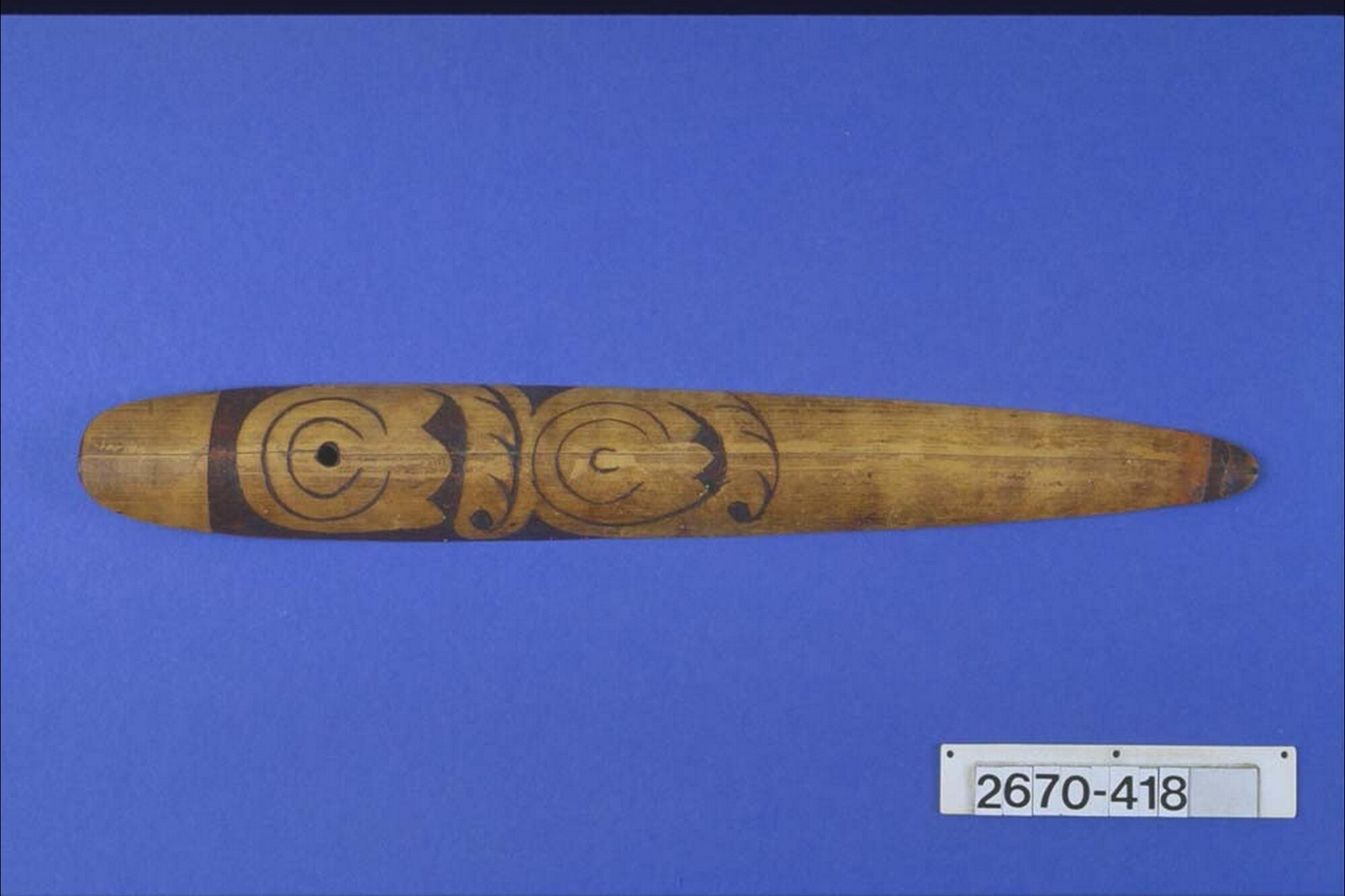
- On the Huon Gulf and among the Marind one word names both the hidden instrument and its swallower: balum and sosom are each voice and devouring being. The Purari build the same apparatus from named parts: the imunu viki bullroarer, the kaiaimunu swallower, and the ravi men’s house.
- Northwest Amazonia runs the same engine on flutes and trumpets. The Barasana He Anaconda swallows the novices, and in the Tatuyo story the palm that becomes the instruments grows from the burned swallower.
- Greece keeps the same custody pattern: women nurse and teach Dionysus, the child is torn apart and resumes divine life, and the rhombos lies among the sacred toys of his mystery.
- The Selk’nam Hain proves the point by subtraction: even without the roaring board, the spirit-house still takes boys from women, kills them symbolically, and returns them as men.

Port Keats and Arnhem Land
Australia: men seize birth by imitating the Mother
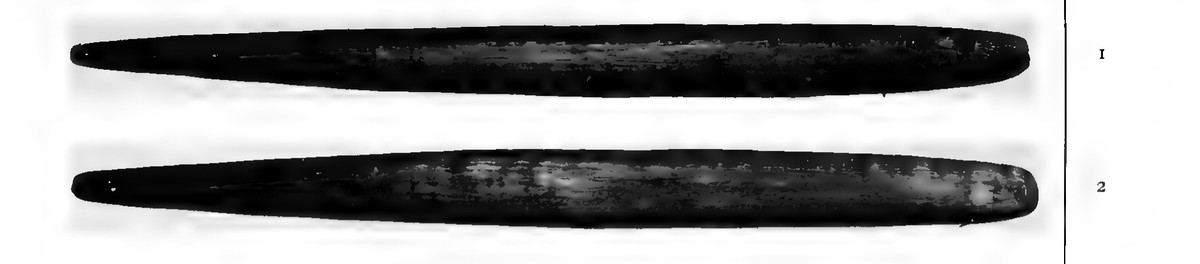
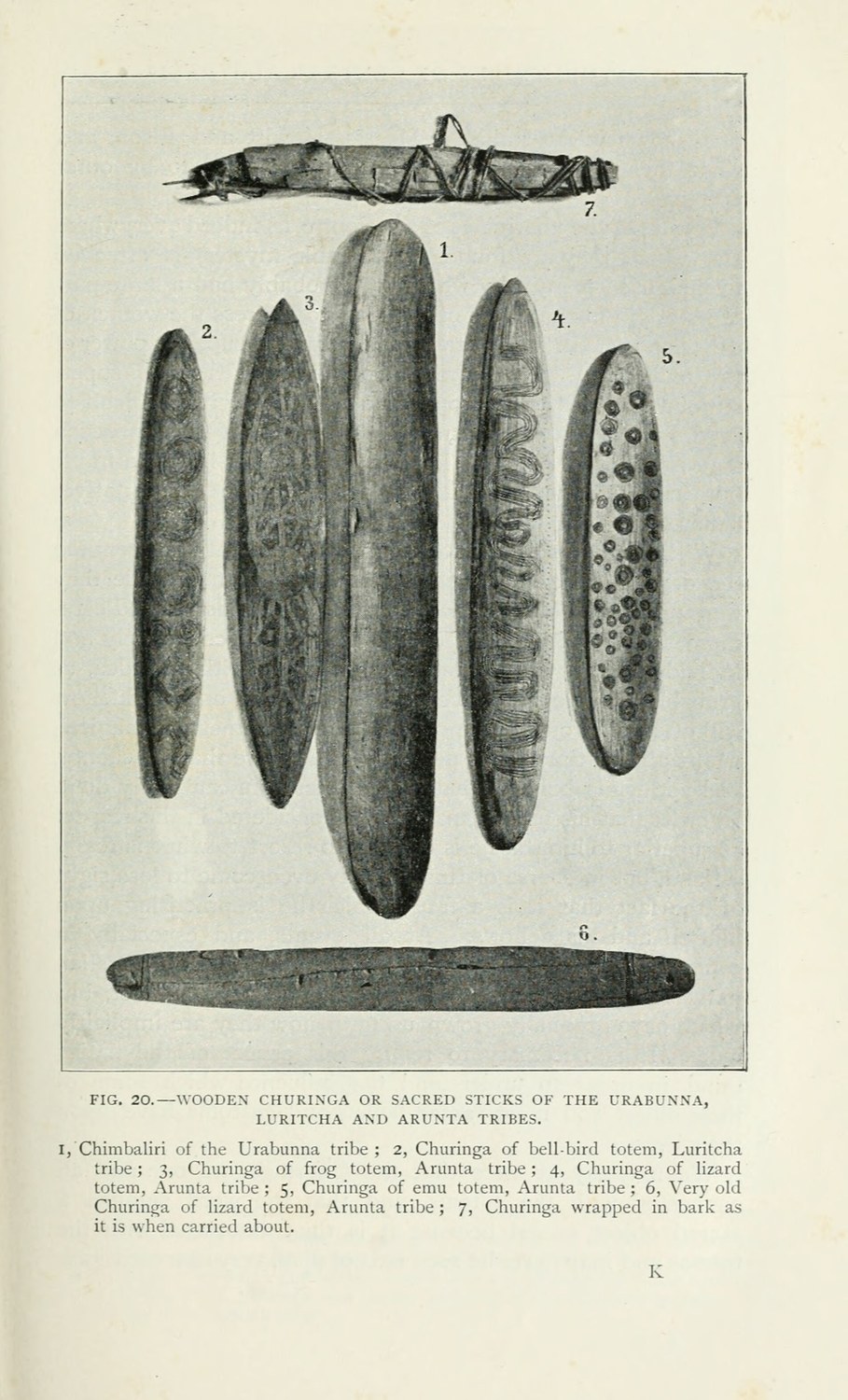
Australia says it bluntly. The Mother swallowed the children. Men killed her, took her rite, and imitate her with boards on cords, blood, cuts, and seclusion. Among the Murinbata of Port Keats, the novices of the Punj are told that Karwadi, the Old Woman Mutjingga, will swallow them alive and vomit them up. The hidden bullroarers are her voice. The boys are taken from their mothers, men handle their bodies, blood flows, and the sons come back new.
The cannibal old woman is everywhere in Australia, and L. R. Hiatt read the rites built around her as what he called pseudo-procreation: men take boys from their mothers in order to kill them and bear them again as men. That is not a theory pasted onto the rite. It is what the rite says of itself. The Mother once had the swallowing power. Men keep it now by manufacturing a second birth. The screen, the secluded ground, and the sounding board form a male uterus.
Arnhem Land gives the same equation a more openly gynecological shape. In the Kunapipi cycle the bullroarer is the cry of the murdered Old Woman Mumuna. In the Djanggawul and Wawilak cycles women own the sacred law first, and men inherit it by theft. Australia gives the series both its premises at once. The sacred voice was women’s. Men use the stolen voice to make boys over in their own image.
The Kunapipi also gives the novice a second body in wood. In A. P. Elkin’s account of the rite, a curved trench is the Mother’s womb, and the boy enters it to be born again. He swings a bullroarer, and as it turns his ceremonial double, his “wood shade,” passes into the board, which is at once her voice and her womb. At his rebirth he leaves board and double in the trench. As the wood rots, the double goes to its spirit-home to wait; after his death a Kunapipi held by a son or another kinsman reunites them. Part of every man stays behind in the Mother’s wood.
Huon, Marind, Purari
New Guinea: the house grows teeth
In New Guinea the institution grows walls. On the Huon Gulf the Yabim, Bukaua, Kai, and Tami each use a single word for the bullroarer and for the monster that swallows the novices. The word changes from language to language; the equation does not. The monster has a mouth. The initiates go in. Bullroarers sound from inside. The boys are ransomed back with pigs. The men’s house has become a body with an appetite.
Among the Marind-anim the equation becomes identity. “The bullroarer (sosom) is the voice of the déma Sosom,” Jan van Baal writes, and Sosom is the giant who devours the neophytes and disgorges them again. Instrument, person, rite, and swallowing are one bundle. Inland among the Boadzi the bullroarer is atu gisagaru, the voice of the old woman. On the Purari the root imunu joins the imunu viki bullroarer to the kaiaimunu, the wicker swallower. At Ilahita the bullroarer speaks as Lefin, and the cult’s secret myth says a woman made the first one. A region this large does not reinvent the same pun between object, voice, monster, hut, and rite village by village. It passes a known package along.
The house also bleeds and feeds the boy it bears. At Ilahita the novices’ circumcision blood runs between the floorboards into a stream where ancestral spirits live. Days later a man throws in a stone, cries that he has lost his shell pendant, and sends the boys into the water to find it; the mud they grope through coats them in their own blood, mingled now with the spirits’. Among the Ankave, in the highlands to the east, red pandanus grew where the first man’s blood soaked the earth. Its juice feeds and paints the novices, and his bones made the first bullroarer.
The novice does not merely hear a sacred sound. He is told a being has eaten him. His scars, his fear, his new name, and his sexual discipline all follow from that. The men’s house is not a clubhouse with props. It is a counterfeit womb run by men, and the borrowed female voice is what gives the counterfeit its authority.
Northwest Amazonia
Amazonia: the same womb after a change of hardware
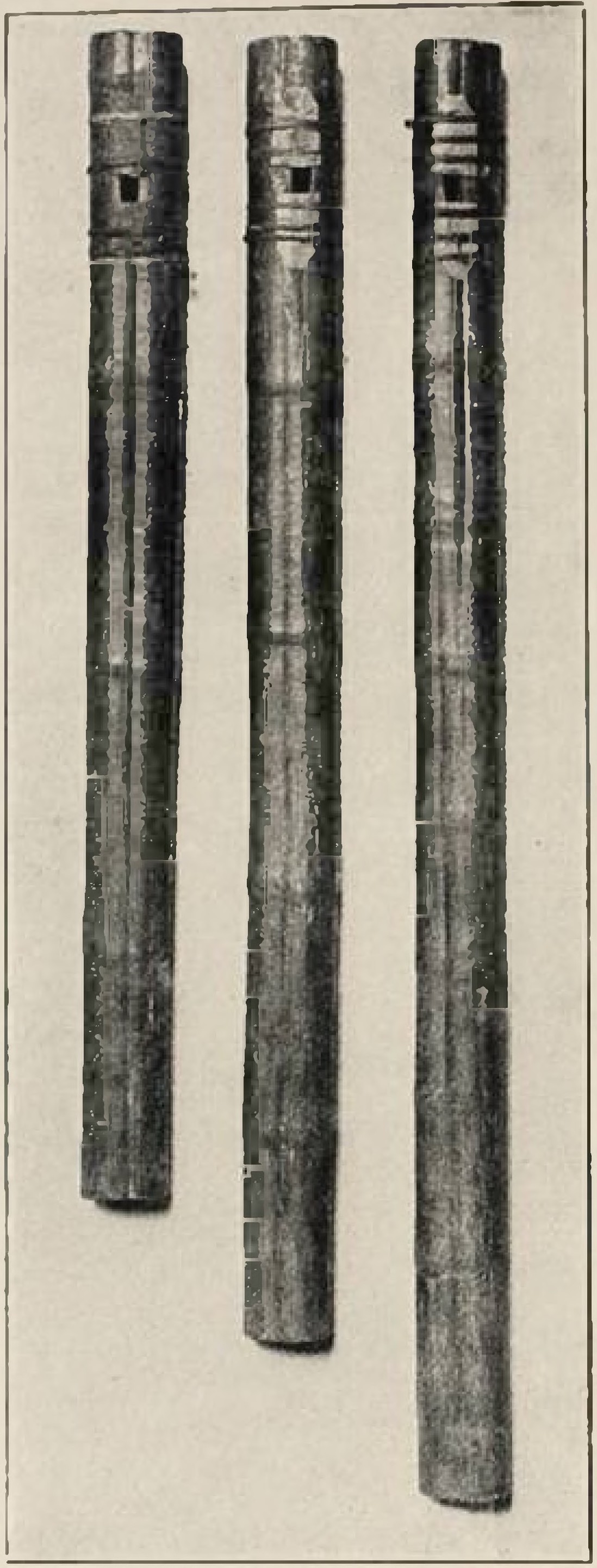
The change of instrument reveals what the initiation complex actually transmits. Australia and New Guinea roar with boards; northwest Amazonia speaks through flutes and trumpets. The instruments do the same work. They are hidden from women on pain of death. They sound for a spirit or ancestor. They mark the removal and remaking of boys. They sit inside a mythology that says women once possessed them. They belong to the same social machine.
In the Barasana He House the novices are secluded while the He Anaconda swallows and returns them, and the adult men give birth to the initiates, staging a fertilisation that needs no women. In the Tatuyo story boys who break a food taboo are swallowed by the anaconda Pohé-piné and recovered as bones, and from the burned serpent grows the paxiuba palm from which the instruments are cut. The Baniwa keep the charter: Kuwai’s mother and the women seize the flutes and hold the first initiation until the men make war and take the voice back. At Hipana the Baniwa carved it all into one field of boulders: Amaru’s birthing place beside the Pleiades sign that times initiation, the serpent and the whips, spirals for the sound of the flutes, Kuwai’s placenta, and the stones that are the instruments. The theft of the voice and the remaking of the novice are locked together, exactly as in Sahul, the Ice Age continent of Australia and New Guinea.
What travelled was not an object but a technology. Bullroarer, trumpet, flute, slit-gong, or masked voice: any of them can be the hidden generative sound so long as the rite still passes boys through a birth that men control. Change the hardware and the comparison does not weaken. It sharpens.
The Greek Branch
Greece: the old machine survives under the name of Dionysus
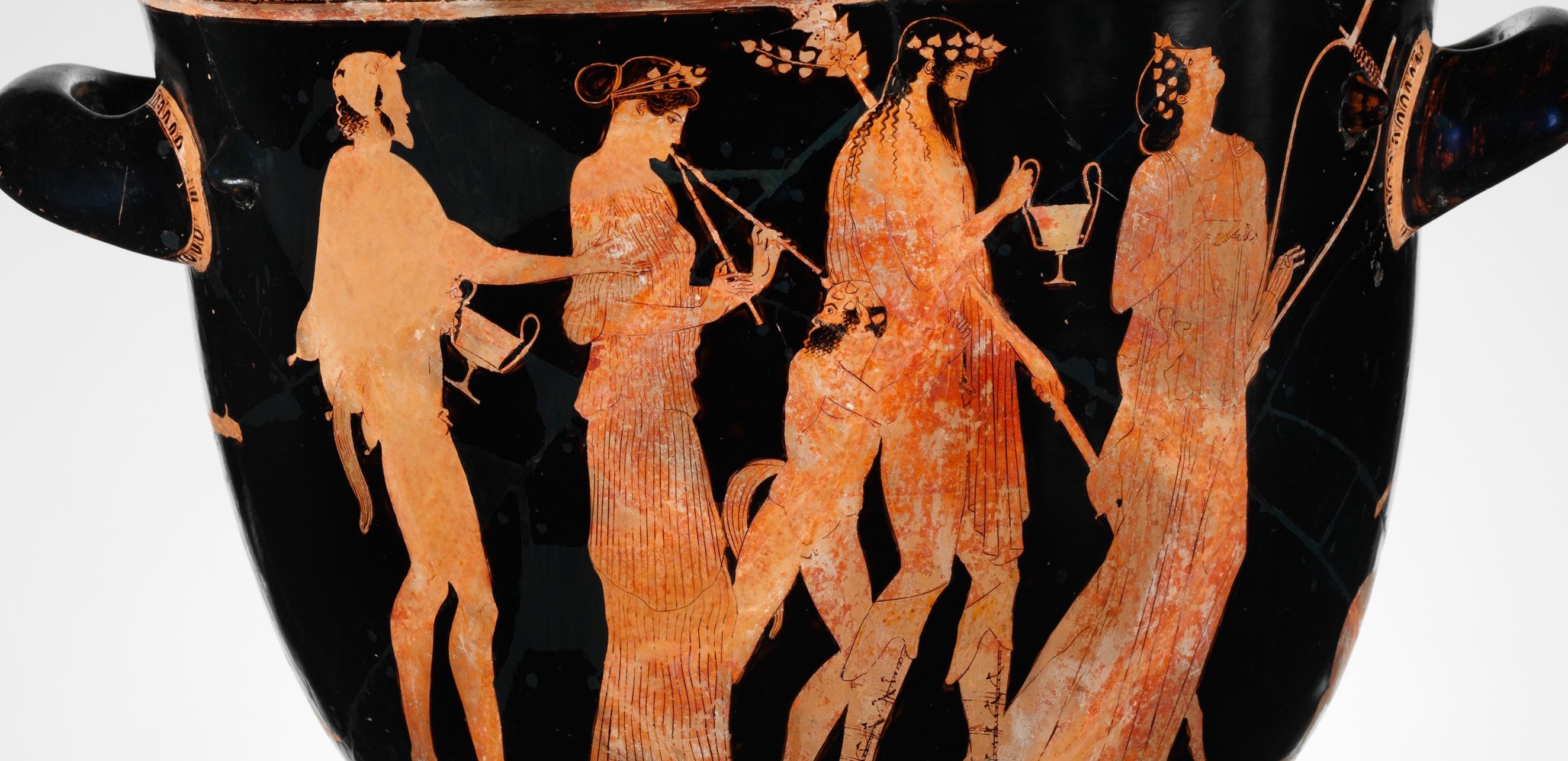
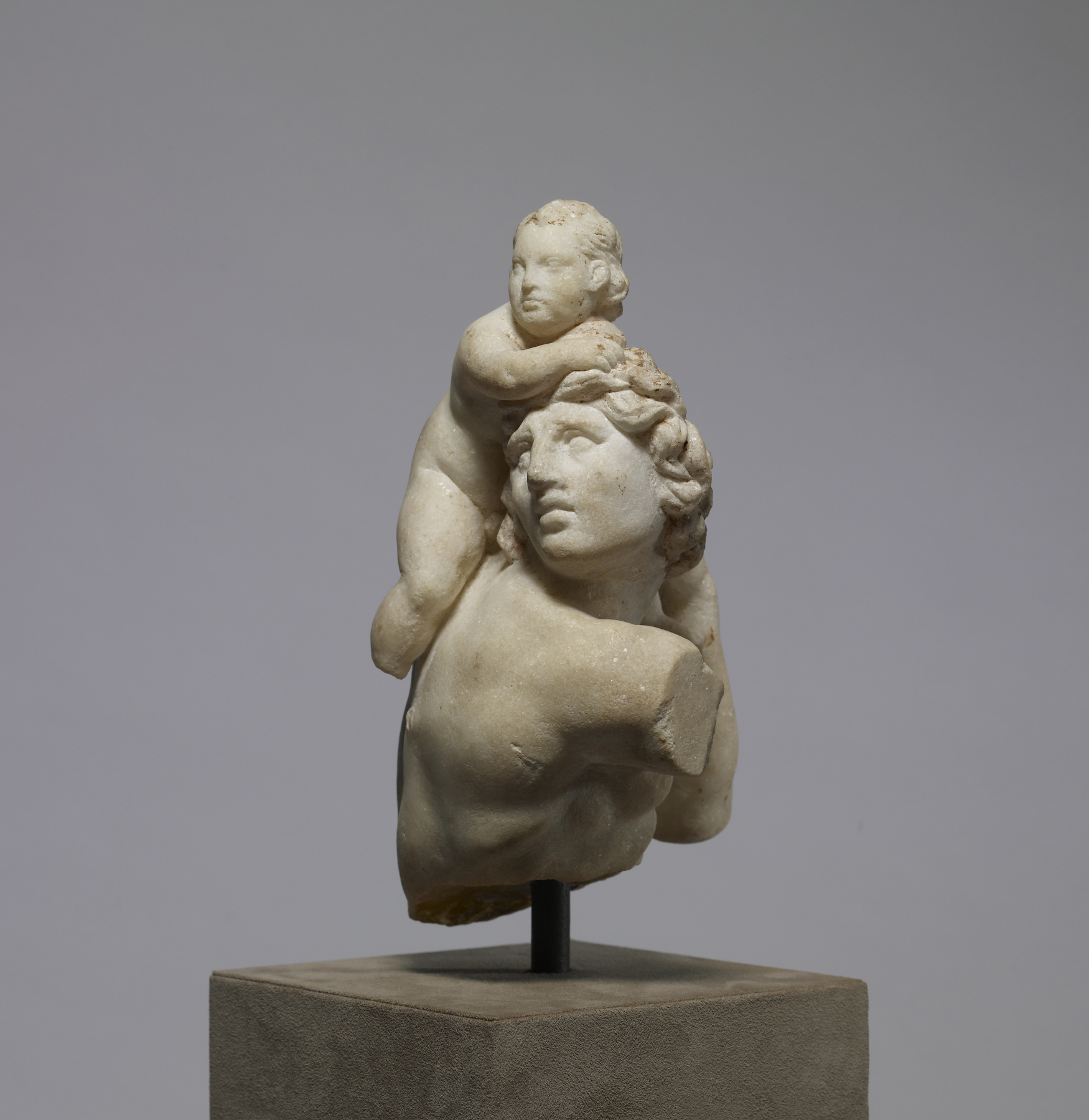
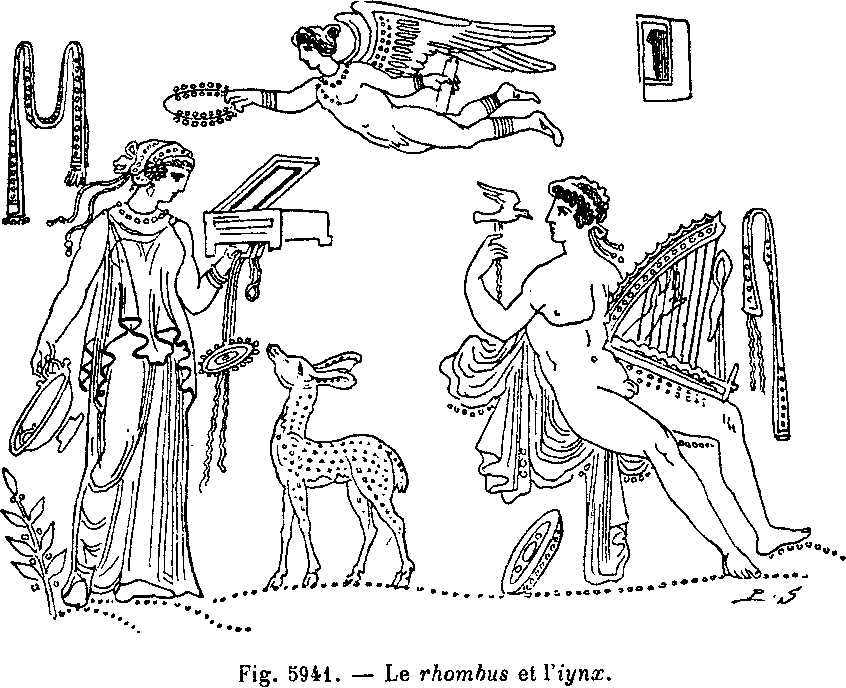
Greece kept the structure through centuries of literary compression. The women stand first. The god is nursed by the daughters of Atlas’s house. Women teach him the rites. He is torn apart and resumes divine life. An Orphic papyrus from Gurob passes a serpent through the initiate’s clothes and, five lines later, lists the rhombos in the sacred basket. Clement names the rhombos among the toys with which the Titans lured the child, and the Titans, Nonnus says, had whitened their faces with gypsum so that he would not know them.
The Dionysian mysteries are not a faint resemblance to Sahul. They are its Mediterranean branch. Jane Ellen Harrison saw it in 1912. She set the Wiradjuri account of boys burned to ash and moulded back into new men beside the Zagreus cycle and wrote that, mutato nomine (with the names changed), the one might have been written of the other. Demosthenes, trying to mock Aeschines, preserved the social form: the mother Glaukothea runs initiations, the son assists, snakes are handled in procession, and the work is nocturnal, secret, and bodily. The borrowed female authority is there in plain sight.
What Greece hides less openly than New Guinea is the house. The swallower is redistributed into mythic episodes and portable symbols. Yet the same ritual mechanics remain visible. The initiate passes through fear, secrecy, pollution, altered naming, and a second life under a god who has himself already been killed and reassembled. The house that swallows boys has been miniaturized into the basket, the cave, the thiasos, the women’s teaching line, and the whirling roar of the rhombos. That is reduction, not rupture.
Tierra del Fuego
The Hain: the control case that preserves the engine
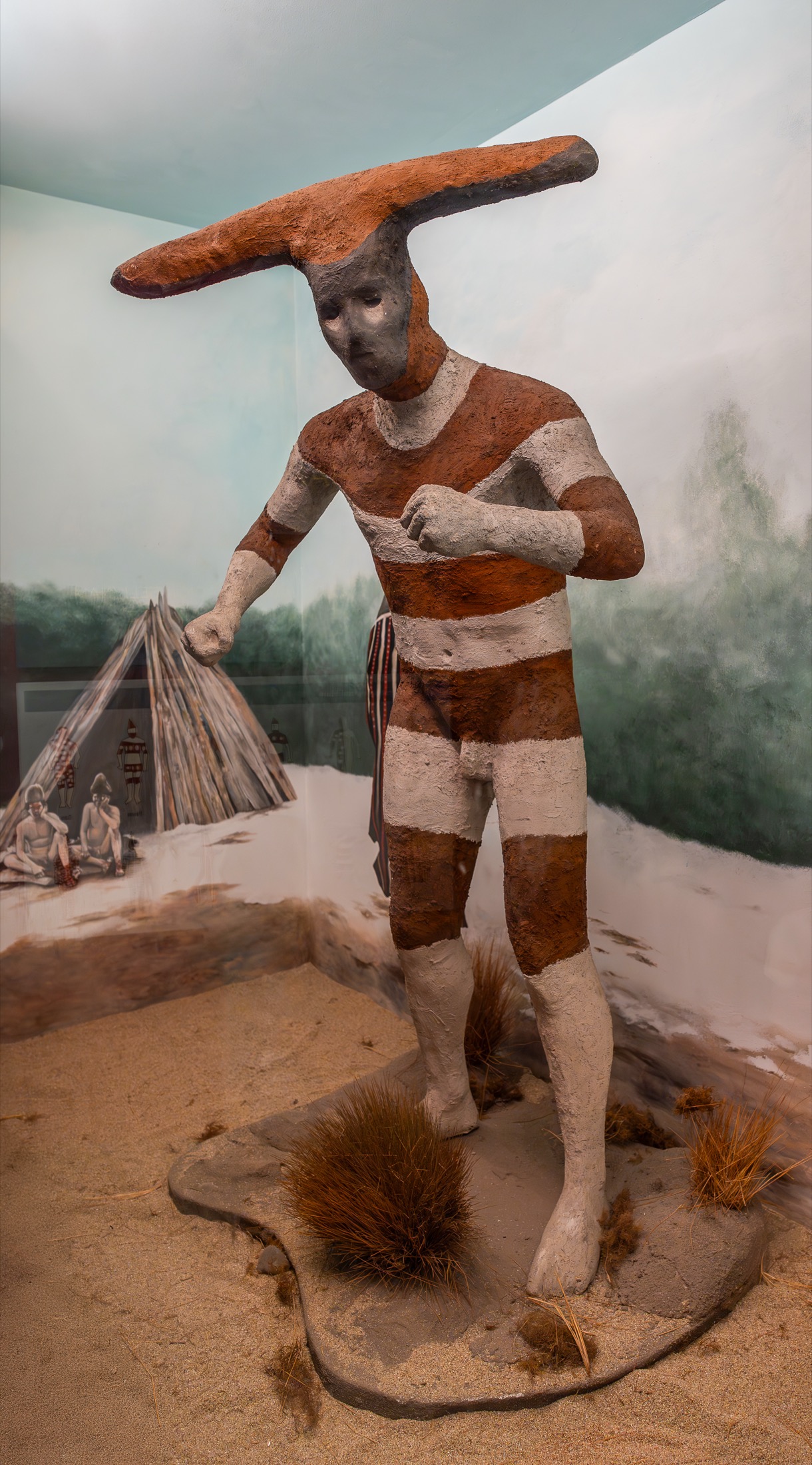
At the bottom of the world the Selk’nam of Tierra del Fuego ran the same machine without the board. The Hain is a spirit-house in which men stage the regime of terror that, in the myth, women once ran. Xálpen, the subterranean female power, kills the novices. Olum revives them. The young men are secluded, harried, painted, instructed, and returned. Women are excluded from the secret that the spirits are men in costume. The reproductive politics of the complex are all there after the sound-hardware has fallen away.
The Hain is the stripped-down form of the same machine. Men take adolescent males out of maternal society and manufacture them anew under a lie about hidden beings, and the myth of former female control survives with it. The institution can lose a board, keep a house, and still do the same work.
What It Means
One initiation technology
Men’s initiation is not a loose family of dramatic ideas that happen to resemble one another. It is a ritual technology with a stable social goal and a limited set of interchangeable parts. The goal is to appropriate female generative power. The basic move is always the same: take boys from women, conceal them, frighten them with a sacred voice, alter their bodies, give them new names, and return them as males created by men. The preferred charter myth is also stable: women once owned the sacred voice, or the whole rite, and men took it.
That is why the architecture and acoustics fit so tightly together. A womb is dark, hidden, resonant, and off-limits. So is the men’s house. A birth includes blood, danger, cries, and transformation. So does initiation. The bullroarer, flute, trumpet, slit-gong, mask, and secret speech all serve as prosthetic organs in that artificial birth chamber. They give a male institution the sound of something greater than ordinary men. Where the old voice is remembered as female, the confession is even more exact: the entire machine runs on stolen maternity.
| Region | Hidden voice | Rebirth chamber | Result |
|---|---|---|---|
| Australia | Mother’s bullroarer voice | Initiation ground and seclusion as the Mother’s body | Boys die to mothers and return as men |
| Huon, Marind, Purari | balum, sosom, imunu viki | balum/sosom monster, kaiaimunu + ravi | Swallowed, cut, ransomed, disgorged |
| Northwest Amazonia | Sacred flutes, trumpets, and occasional bullroarers | Men’s house and ancestral anaconda/palm cycle | Secluded, disciplined, and reborn |
| Greece | Rhombos and roaring kōnos | Basket, cave, and Dionysian dismemberment myth | Novices enter the torn-and-returned god’s death-and-remaking mystery |
| Selk’nam Hain | Masked spirit terror and secret male impersonation | Spirit-house and subterranean Xálpen drama | Novices reclassified as adult men |
The machine outlives its parts
The initiation house is a male womb built around a stolen female voice: it takes boys from their mothers, swallows, bleeds, renames, and returns them as men.
Australia names the Mother it imitates and leaves a second self in her wooden voice. New Guinea gives the house teeth and feeds the boy the ancestor’s blood. Amazonia changes the instrument and keeps the birth. Greece shrinks the swallower into a basket and a myth. Tierra del Fuego drops the board and runs the rite anyway. Five regions, one machine, and a woman at the start of it.
Key sources
- W. E. H. Stanner, On Aboriginal Religion (1966). Murinbata Punj initiation and the Mother who swallows and gives back the novices.
- L. R. Hiatt, “Secret Pseudo-Procreation Rites Among the Australian Aborigines” (1971), and “Swallowing and Regurgitation in Australian Myth and Rite”, in Hiatt (ed.), Australian Aboriginal Mythology (1975), pp. 143–162.
- Ronald M. Berndt, Kunapipi (1951), esp. pp. 54–55, 160. Mumuna as murdered Old Woman and the bullroarer as her voice. See also Ronald M. Berndt, Djanggawul (1952), pp. 40–41, on women as original custodians of sacred law.
- A. P. Elkin, The Australian Aborigines: How to Understand Them, 4th ed. (1964), pp. 255–256. The Kunapipi trench as womb and the novice’s “wood shade” entering the bullroarer.
- James G. Frazer, Balder the Beautiful, vol. II (1913), pp. 227–243. Huon Gulf evidence that the same word names bullroarer and novice-swallowing monster.
- Jan van Baal, Dema: Description and Analysis of Marind-Anim Culture (1966), pp. 267, 480–485, 590–595. Sosom as both bullroarer and devouring giant; Boadzi atu gisagaru, the voice of the old woman.
- A. C. Haddon, “The Kopiravi Cult of the Namau, Papua,” Man 19 (1919), Plate M fig. 4. Bullroarers lying before the swallower in the men’s house at Maipua.
- Donald F. Tuzin, Unity in Duality (1973), p. 358 (Appendix E, no. 4), and The Voice of the Tambaran (1980). The Ilahita Arapesh walop, its voice Lefin, and the woman who made the first one.
- Donald F. Tuzin, “Ritual Violence Among the Ilahita Arapesh,” in Gilbert H. Herdt (ed.), Rituals of Manhood (1982), pp. 321–355, the Lefin grade. The spirit stream, the circumcision blood, and the lost-pendant search.
- Pierre Lemonnier, “Mythes et rites chez les Anga,” Journal de la Société des Océanistes 130–131 (2010), pp. 213–214, 216 n. 7; Pascale Bonnemère, Acting for Others (2018), pp. 79–96. Ankave red pandanus as the first man’s blood, and his bones as the first bullroarer.
- Stephen Hugh-Jones, The Palm and the Pleiades (Cambridge, 1979), especially pp. 188–197, 222–225, 236–237. Northwest Amazon initiation, He Anaconda swallowing, ancestral instruments, and adult men’s symbolic birth of novices.
- Yuri Berezkin, Analytical Catalogue of World Mythology and Folklore, motif L26. Tatuyo account of swallowed novices, recovered bones, the burned anaconda, and the paxiuba palm.
- Robin M. Wright, “The Kuwai Religions of Northern Arawak-Speaking Peoples”, Boletín de Antropología 33, no. 55 (2018): 123–150, pp. 134–136. Women seize the flutes and hold the first female initiation before male repossession; the Hipana mythscape joins Pleiades timing, birth, serpent ordeal, flute sound, and sacred instruments.
- Robin M. Wright, Mysteries of the Jaguar Shamans of the Northwest Amazon (2013), chapters 6–8, pp. 233–294. Amaru and first initiation; Kuwai’s devouring, regeneration, and revelation; women’s seizure of the instruments and male recovery.
- Pseudo-Apollodorus, Library 3.5.1, and Nonnus, Dionysiaca 9.111–131, for Rhea and Mystis teaching Dionysus initiation and the nocturnal rites.
- Demosthenes, On the Crown 18.130, 259–260, for Glaukothea and Aeschines’s service in his mother’s initiations.
- Clement of Alexandria, Protrepticus 2.17.2–18.1, for the rhombos among the toys with which the Titans lured the child.
- James Hordern, “Notes on the Orphic Papyrus from Gurôb” (2000), pp. 135, 139, for P. Gurob 1, the serpent passed through the initiate’s clothes, and the sacred basket.
- Jane Ellen Harrison, Themis (1912), pp. 17–21, for the Wiradjuri–Zagreus comparison and Harpocration on the gypsum-whitened Titans, and pp. 61–65 for the rhombos.
- Nonnus, Dionysiaca 6.169–173, for the Titans’ chalked faces.
- M. L. West, The Orphic Poems (1983), for the Dionysian toy-complex and Greek initiation death-and-return.
- Martín Gusinde, Die Feuerland Indianer, vol. 1 (1931) and vol. 2 (1937); Anne Chapman, Drama and Power in a Hunting Society (1982), especially the Hain chapters. Selk’nam female-priority charter, Xálpen and Olum, seclusion, spirit terror, and the remaking of boys into men.