Atlas Essay —
How a God Becomes a Toy
Athens · the Bandiagara of the mind · Calabria · medieval Novgorod · the Cambridgeshire fens · Istria
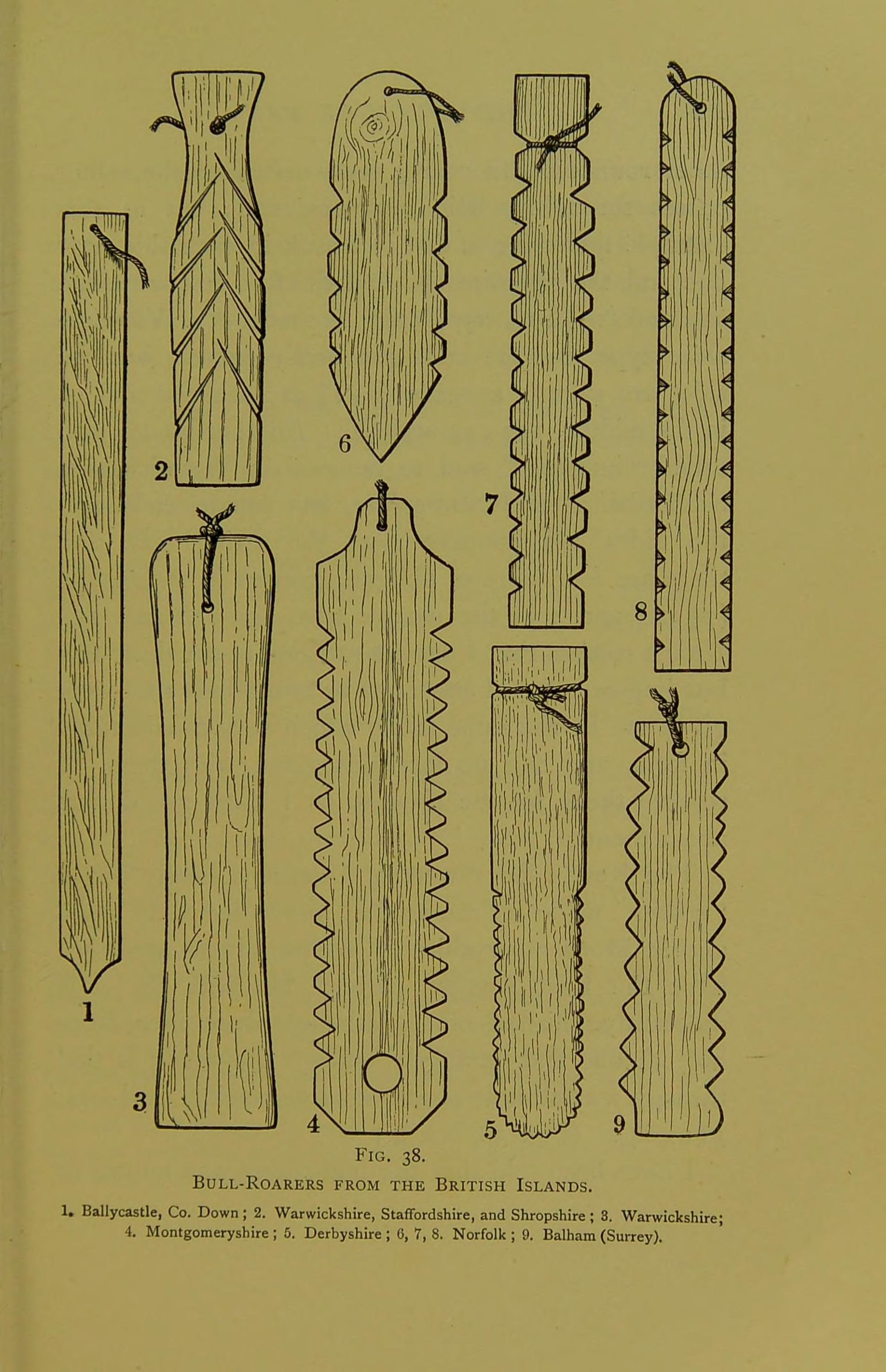
A boy in a Cambridgeshire field swings a flat slat of wood on a string and it howls; he is imitating the warble-fly to move the cattle, and he thinks nothing of it. Twenty-three centuries earlier, in Athens, the same object on the same string was whirled in a locked room to make the voice of a god, and to see it uninitiated could cost you your life. Andrew Lang put those two facts side by side in 1884 and called the bridge between them “survival” — but he never drew the stages, never dated them, and never asked what did the killing. The atlas’s European records let us do all three. The fall from god to toy turns out to be documented, datable, and — the surprise — not a straight line down.
In brief
- The sacred layer is bracketed by two hard dates: Demosthenes mocking the Sabazios rites of a rival’s mother in 330 BC, and Clement of Alexandria listing the rhombos among the “toys of the child Dionysus” around AD 200.
- The fall was not executed by any edict — no church council or penitential ever names the whirring instrument. It was orphaned when the mysteries were starved out, and it went to ground.
- From the 13th–14th century it surfaces materially as wooden and bone toys — dendro-dated Novgorod laths, Swiss firlifurli, Dutch snorreboten — and, in the nineteenth and twentieth centuries, as a herdsman’s tool from the Cambridgeshire fens to the Lithuanian pastures.
- Then a second hump: from the nineteenth century the roarer is documented filling the Church’s own Holy-Week office, replacing the silenced bells at Sant’Andrea Ionio and Mistretta — the pagan roarer briefly re-crowned inside Christian mourning for a dead god.
- The storm outlives the cult in the word: thunder-spell, grmavica (“thunder”), Dionysus Bromios the Roarer.

Andrew Lang (1884) and Alfred Haddon (1898) between them nailed the two endpoints of the European bullroarer’s career — a sacred instrument of the Greek mysteries at one end, a country boy’s noisemaker at the other — and joined them with a single word, “survival.” Neither drew the stages in between, dated them, or asked what actually did the killing. Stacked in a column, the European records answer all three questions at once. They give the stages — folk-magic, herd-work, a Holy-Week para-liturgy, and finally the toy — each with a place and a source. They give the dates — a sacred layer bracketed 330 BC to about AD 200, and a toy floor pinned to the 13th–14th century by medieval wood and bone finds. And they give the mechanism: not death by decree, but suppression and starvation, re-routed through one astonishing late re-crowning. The god does not simply become a toy. He is dethroned, goes to ground as a plaything and a herd-tool, is briefly raised again to mourn a different god’s death, and only then retires to the toy cupboard.
The voice of the god
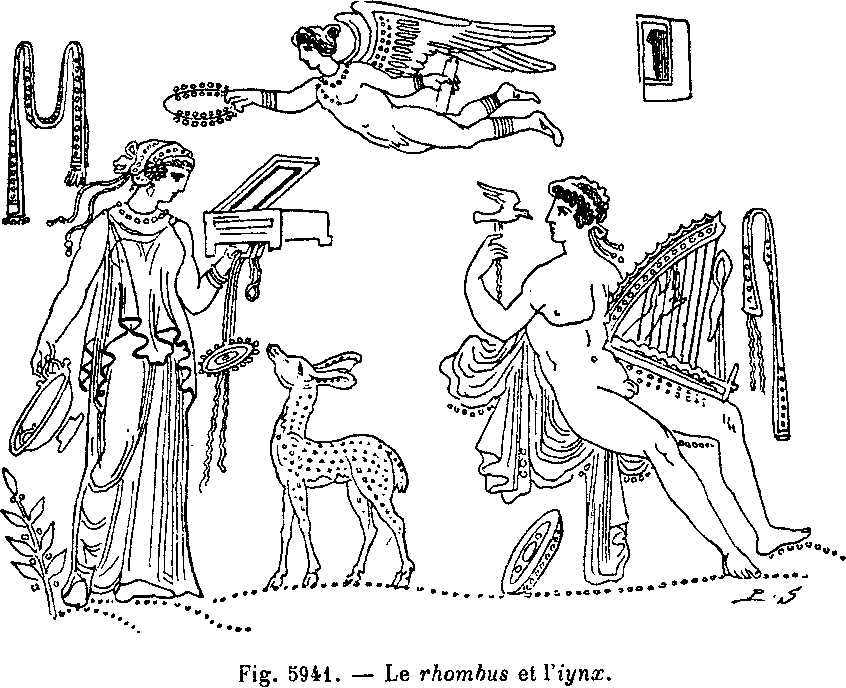
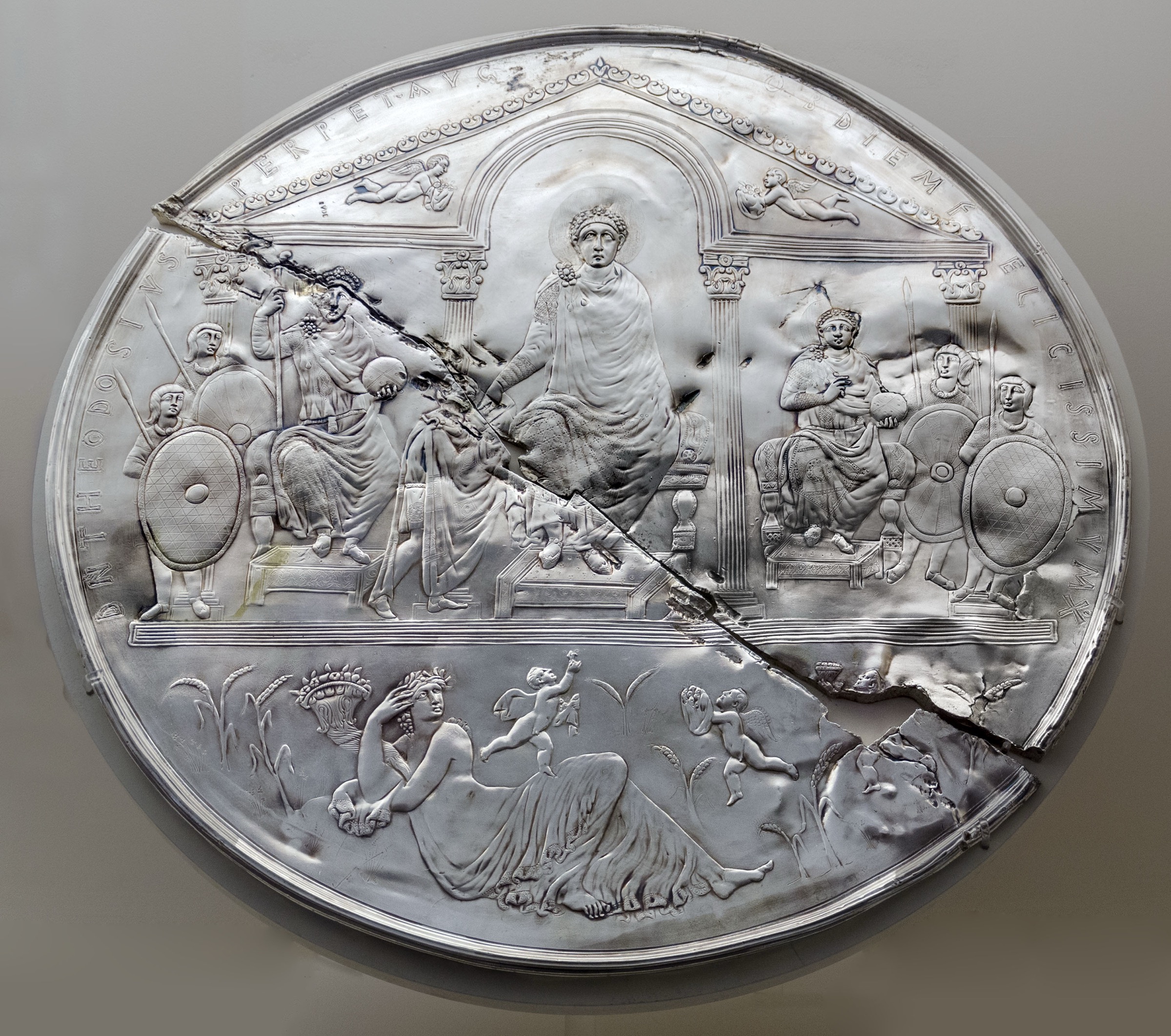
Start where the object is unmistakably holy. In 330 BC, in the greatest speech of his life, Demosthenes turned on his rival Aeschines and jeered at the initiation-rites his mother Glaukothea had run: the fawnskins, the mixing-bowl of wine, the shout of euoi saboi — the private, half-foreign Sabazios mysteries in which the young Aeschines had done the temple-work. Among the paraphernalia of exactly such rites stood the rhombos, the whirled slat. This is the earliest hard date in the whole story: by the mid-fourth century BC the instrument is already an object of the mystery cults, mocked in open court precisely because everyone knew what those rites were.
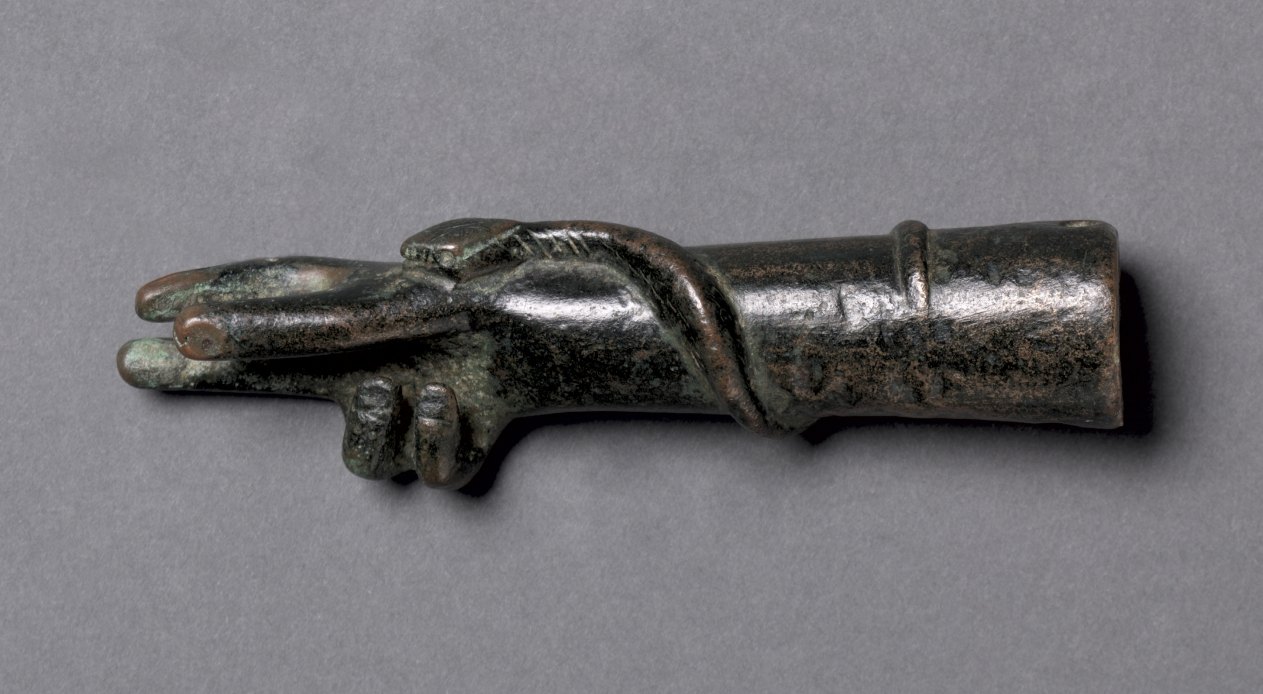
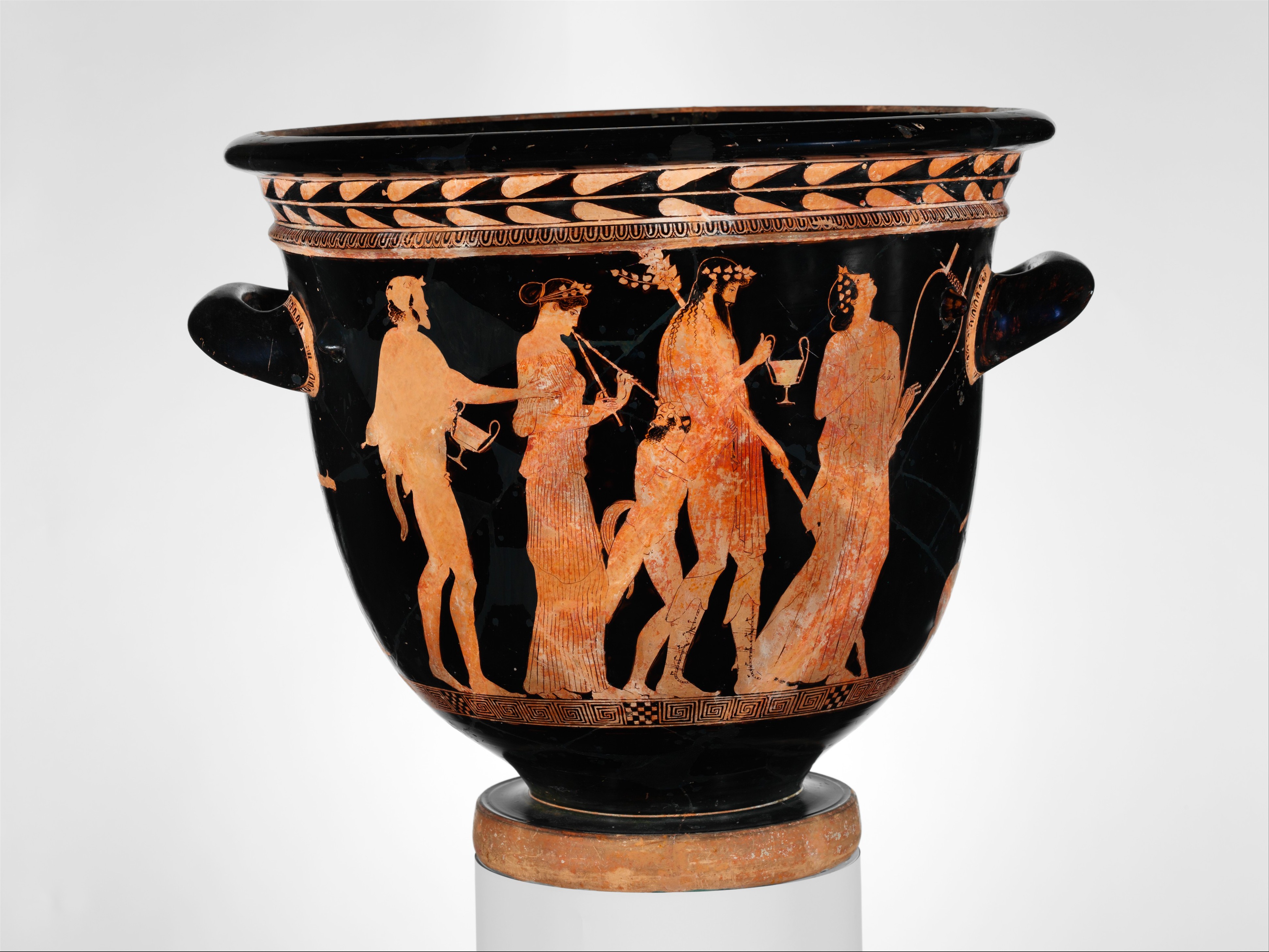
Five centuries later the layer is still intact, and now the Church Fathers describe it for us. Clement of Alexandria, writing to shame the pagans around AD 190–200, catalogued the sacred objects of the Dionysiac mysteries — the very things the infant Dionysus was said to have played with when the Titans lured and dismembered him. Lang quotes the passage and its ancient scholiast:
“Clemens of Alexandria… describe[s] certain toys of the child Dionysus which were used in the mysteries. Among these are turbines, konoi, and rhomboi… The ancient scholiast on Clemens, however, writes: ‘The konos is a little piece of wood, to which a string is fastened, and in the mysteries it is whirled round to make a roaring noise.’”
Andrew Lang, Custom and Myth (1884), “The Bull-Roarer,” quoting Clement, Protrepticus II.17–18 and the scholiast
That is a definition of a bullroarer, describing an object of the Greek mysteries. The sacred layer is closed on both sides — 330 BC to c. AD 200 — and inside it the roarer is unambiguously the voice of a god. To hold it and to understand what it was is the beginning of everything that follows, because everything that follows is a coming-down from here.
Orphaned, not executed
What killed it? The tempting answer — that a triumphant Christianity outlawed the roaring instrument by name — is simply not in the record. Search the church councils and the penitentials, those long catalogues of forbidden pagan survivals that name the New Year’s stag-masks and the wells and the auguries, and the whirring board is nowhere among them. No canon condemns it. No edict targets it. The rhombos did not die by a law against it.
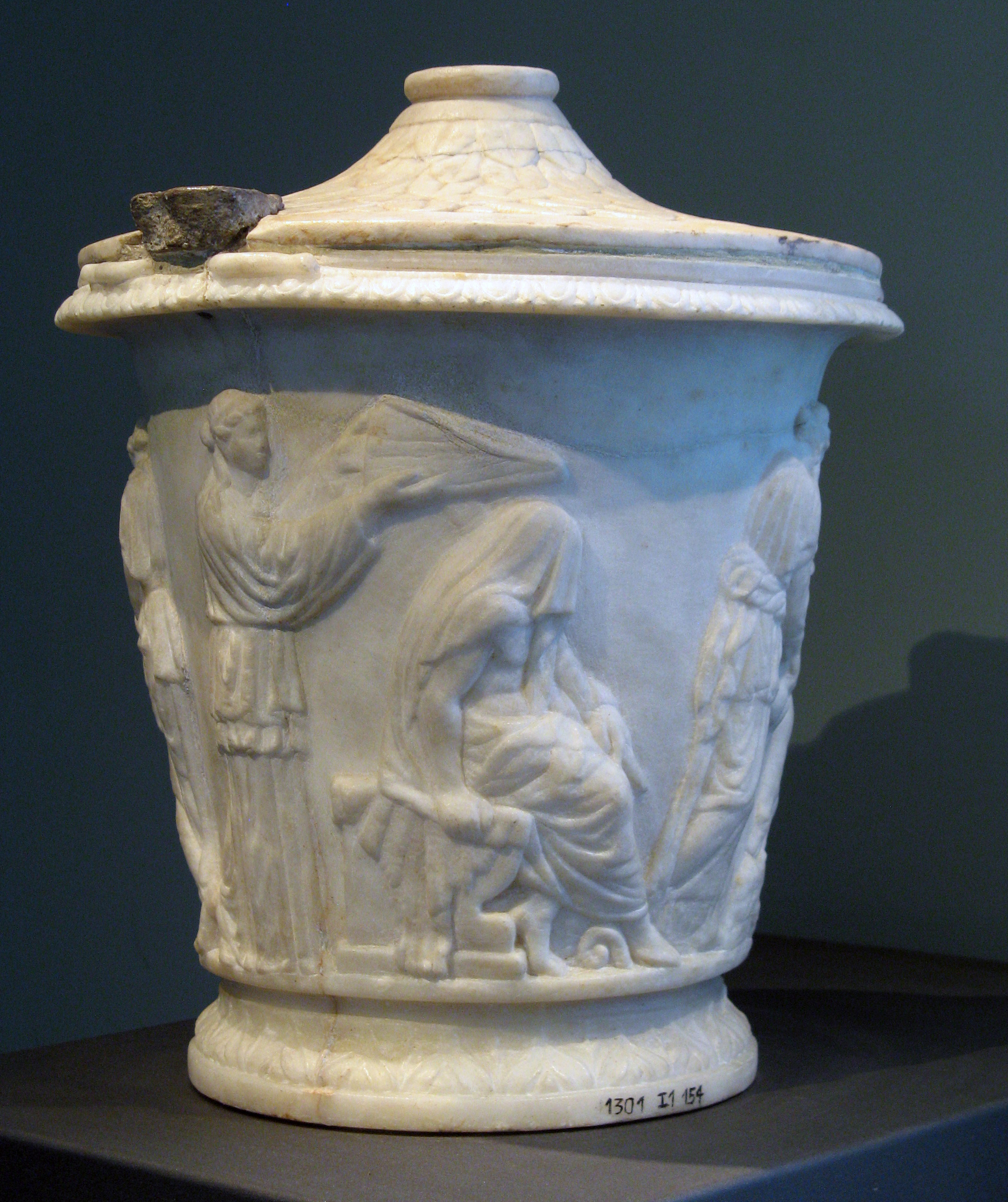
It died the way all the mystery cults died. When Theodosius I outlawed public pagan worship in 391–392, he did not need to hunt down a cheap slat of wood; he cut off the initiates, and the cult that gave the slat its meaning simply ran out of people. And here the instrument’s very humbleness is what saves it. A mystery whose central sacrum is a board on a string is uniquely survivable: strip away the secrecy and the theology, and the object that remains is something any child can make in an afternoon. The theology evaporated; the technology did not. The roarer was not executed. It was orphaned — and it went to ground, into the hands of herd-boys and children and weather-charmers, where for fifteen hundred years nobody who could write thought it worth a sentence. This is the “survival” Lang named. What he could not see is that the descent was staged, and that it had a floor.
Five layers, one instrument
Lay the European records out by function and by date and they stratify like ground. Read the table down and you read the whole career of the object — from the god’s voice, through folk-magic and herd-work, up again into the Church’s Holy-Week office, and down at last into the toy. The one thing the columns hide is that the middle three layers were nearly all first written down in the same short window — the nineteenth to twentieth centuries, when folklorists finally started recording what herd-boys had been doing all along. The instrument is older than its paperwork everywhere but the top and bottom rows.
| Layer | Terms & places | Earliest attestation | What it did |
|---|---|---|---|
| Mystery-sacred | rhombos, konos — Athenian Sabazios rites; the Dionysiac / Orphic mysteries | 330 BC (Demosthenes) – c. AD 200 (Clement) | whirled to make the voice of the god; shown only to initiates |
| Folk-magic (weather & apotropaic) |
thunder-spell (Scotland); grmavica “thunder” (Krk); фуркало (Volyn) | recorded 19th–early 20th c. | whirled against storms; whirled to drive evil spirits and vicious dogs from the house |
| Herd tool | warble-fly caller (Cambridgeshire); bzik (Galicia); burrumbe (Landes); brūklys (Lithuania) | recorded 19th–20th c.; in use to 1939 (Landes) | herd-boys and shepherds drive cattle, boar, and wolves |
| Holy-Week bell-substitute (the re-crowning) |
rombo (Sant’Andrea Ionio); lapuni (Mistretta); toholon (Betpouey) | documented from 1883 (Pitrè); Tucci 1969 | replaces the silenced church bells from Maundy Thursday to the Easter Gloria |
| Toy | firlifurli (Switzerland); snorrebot (Utrecht); vinare (Lund); the English county names | excavated finds from the 13th–14th c.; catalogued 1890s–1920s | a children’s noisemaker, pan-European |
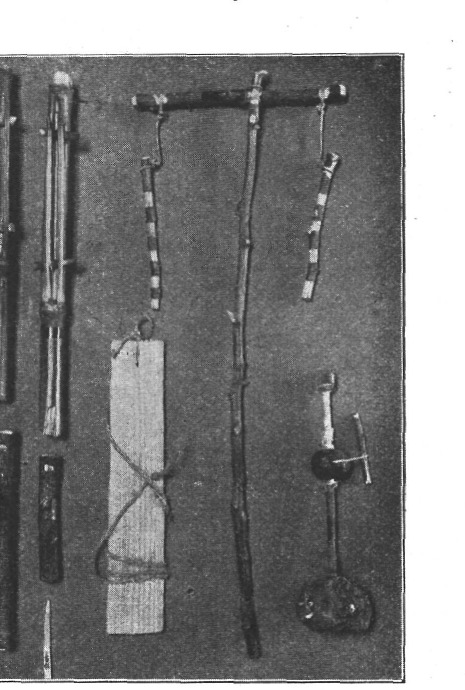
The bull-roarer has, of all toys, the widest diffusion, and the most extraordinary history.Andrew Lang, Custom and Myth (1884), “The Bull-Roarer”
The medieval floor and the herd
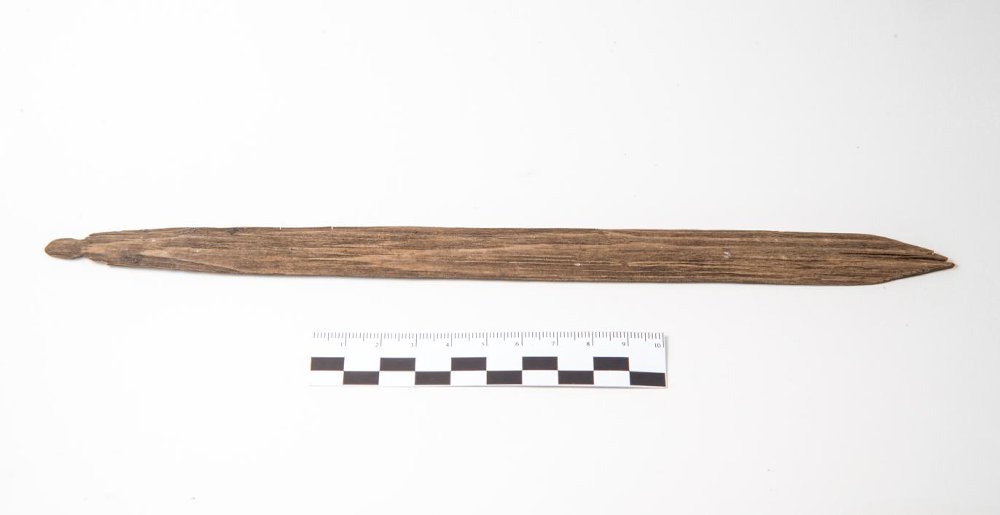
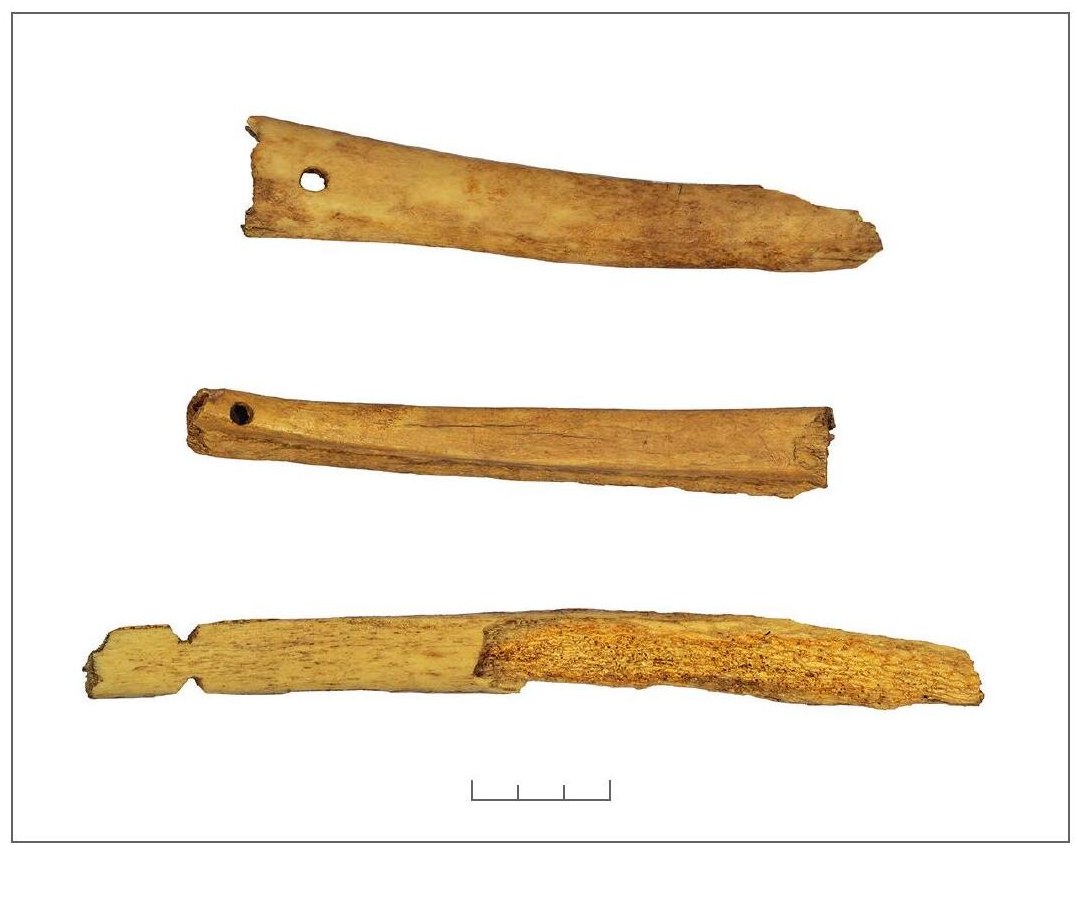
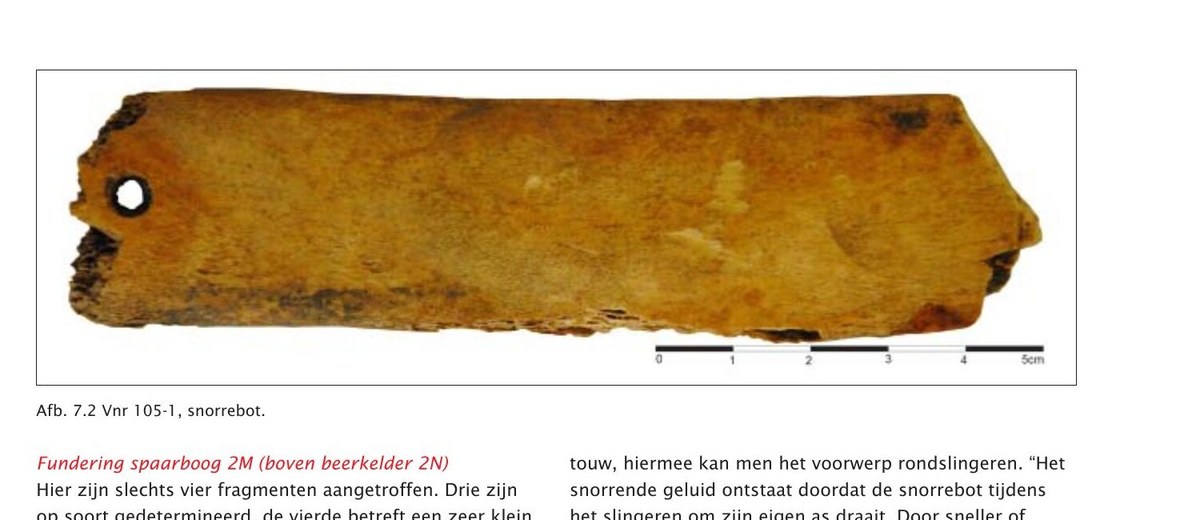
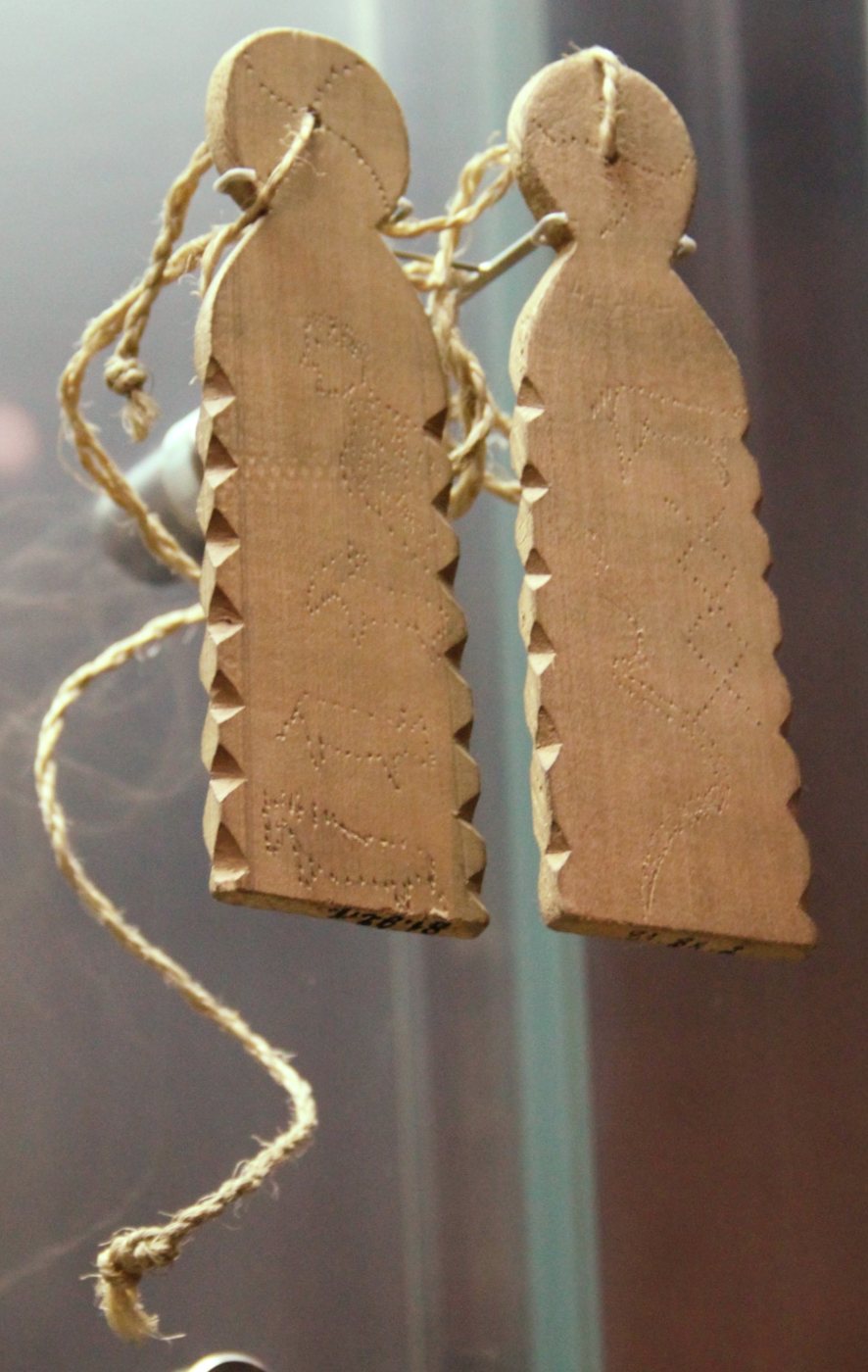
Lang and Haddon left a silence roughly a millennium and a half long between the Orphic mysteries and the Victorian schoolboy. The archaeology fills it. The instrument does not reappear in the record as a written idea; it reappears in the ground, as objects — and they are toys. In the waterlogged medieval layers of Novgorod, whirring laths turn up in horizons that dendrochronology dates to the 13th–14th century. In Switzerland, Bernhard Geiser dated the firlifurli from archaeological finds “since the fourteenth century.” A Dutch snorrebot of bone comes from an Utrecht cesspit sealed before the mid-1500s; bone roarers appear in the moat and on the slopes of Cēsis Castle in Livonia and in the medieval town of Lund. By the High Middle Ages the roarer is already, across northern and central Europe, a secular children’s plaything. The famous “1500-year gap” is a gap in the writing, not in the object: the roarer went unrecorded precisely because it had become too trivial — a toy — to be worth recording.
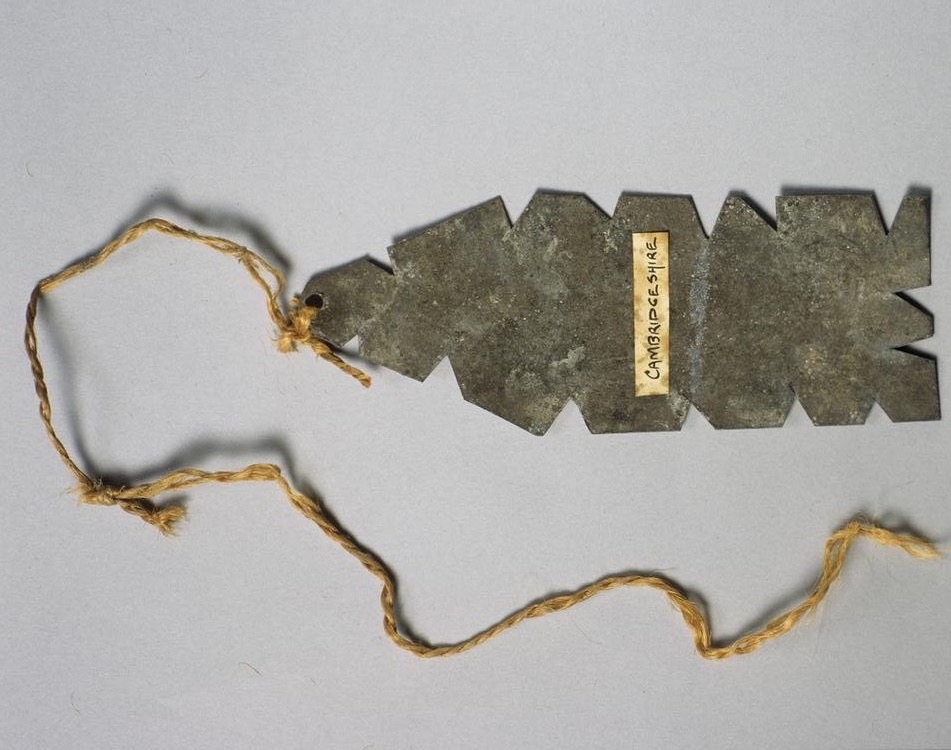
Beside the toy runs the herd-tool, the roarer’s other honest job of work. In the fen country of Gamlingay and Over in Cambridgeshire, herd-boys whirled a roarer to imitate the warble-fly, whose buzz sends cattle moving. On the San River in Galicia, boys drove the herds with the bzik. In the Landes at Commensacq the burrumbe scared wild boar out of the maize — a use still current until 1939. Basque and Béarnais shepherds carried the roarer against wolves and to work the flocks; Lithuanian herders had the brūklys to turn a bull. None of this is sacred, and none of it is play. It is the instrument earning its keep in the interval between two sanctities, doing the flat mechanical thing it does best — making a loud noise that moves living creatures.

The second hump: Holy Week
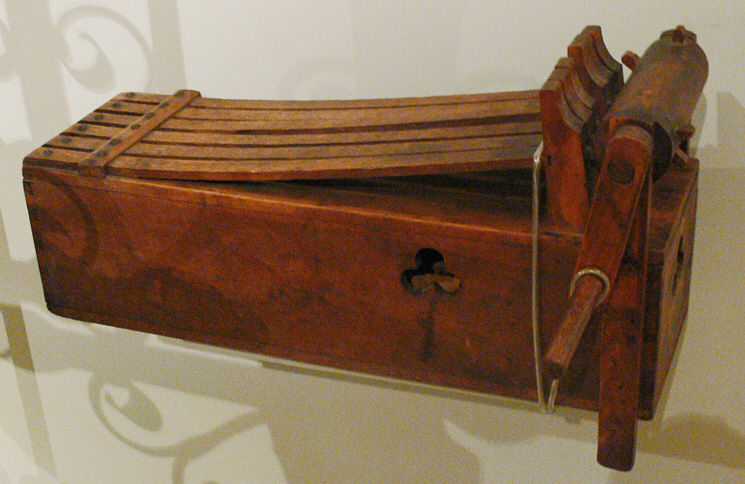
Here the line stops falling and, for one strange interval, climbs. Between the Gloria of Maundy Thursday and the Gloria of Holy Saturday the Catholic Church silences its bells in mourning for the Passion; in popular reckoning the bells have “flown to Rome.” They are treated as dead. And into the silence steps wooden noise. Canonically this office belongs to the ratchets — the Spanish matraca, the Italian raganella, and the ecclesiastical clapper whose Latin name, crotalus, means “the rattle of a snake.” But in a handful of towns the atlas records the bullroarer itself doing the bells’ work.
At Sant’Andrea Apostolo dello Ionio in Calabria, Roberto Tucci recorded that from the Maundy Thursday Mass to the Holy Saturday Gloria, with the bells bound, “the rombo called the faithful to church and sounded midday and the Ave.” At Mistretta in Sicily, on the authority of Giuseppe Pitrè back in 1883, “adults sounded the lapuni during Holy Week when the church bells were tied.” In the Basque Pyrenees at Betpouey a whirled friction-drum, the toholon, ran the same Good Friday office — a cousin instrument, not a strict roarer, but filling the identical seat. The custom stands on record from 1883, and its deeper age is beside the point — whichever century first seated the roarer in the office, it is the Church that seated it. The instrument Christianity had displaced from the mysteries was, in these towns, recruited by the Church into its own mourning for a slain and buried god — sounding side by side with the snake-named crotalus (the roarer’s long pairing with the serpent is traced in the serpent’s voice). Dionysus was torn apart and mourned to the whirl of the rhombos; Christ is entombed and mourned to the whirl of the rombo. The pagan roarer, for three days a year, was holy again.
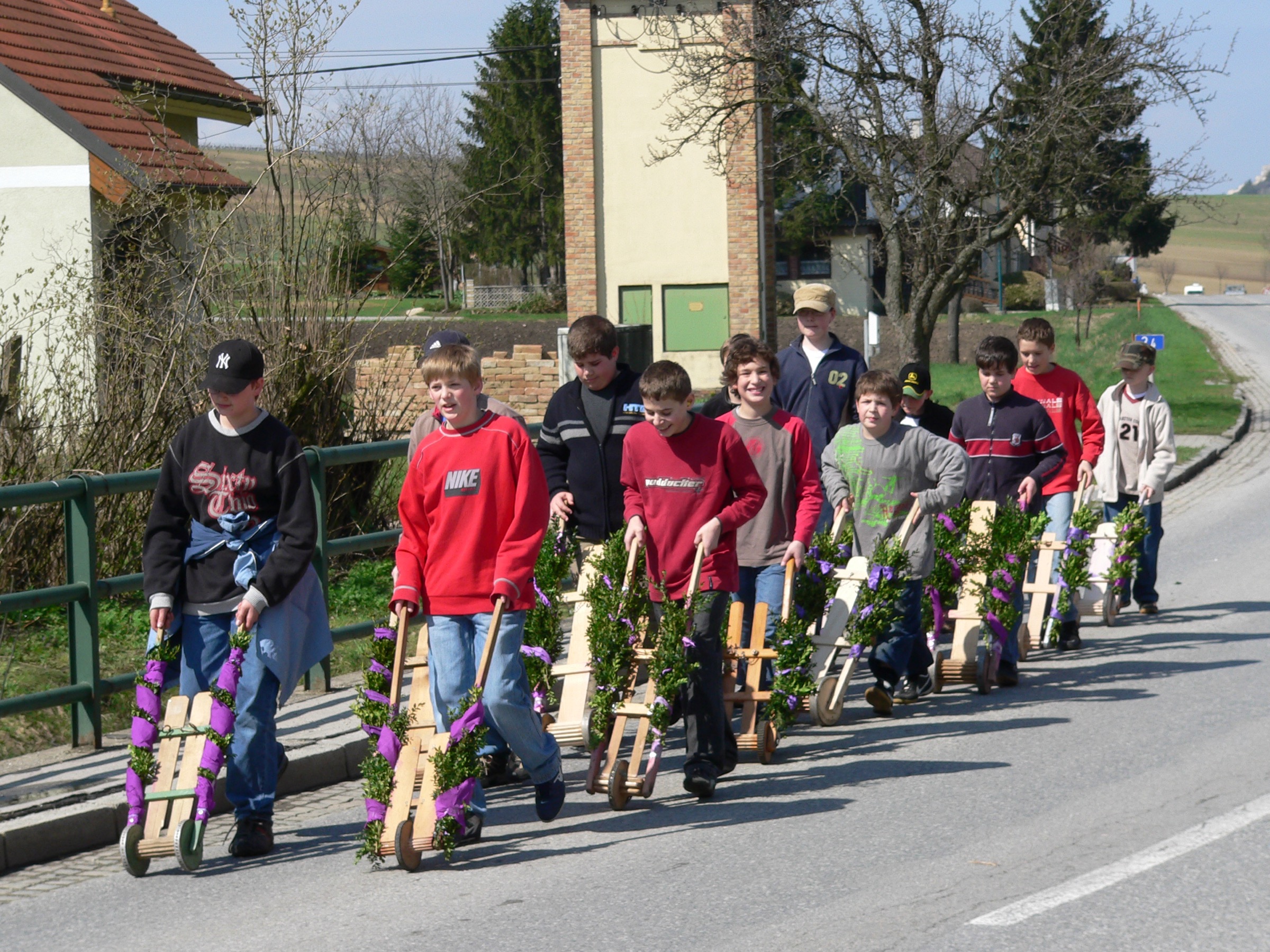
And then even that decayed. At Poffabro in Friuli the rombo was still sounded above all in Holy Week, “in the fields and streets — but never carried into the church.” The office had loosened into mere seasonal play. The second hump crests and falls, and the object slides the last step down into the toy it now is.
The storm in the word
When a function drains out of an object it can leave a stain in the name, and the roarer’s loudest residue is the weather. The Greek rhombos means “whirling, rumbling”; Dionysus’ own cult-title Bromios means “the Roarer, the Thunderer.” Across northern Europe the demoted instrument keeps the storm in both its name and its job. In Aberdeenshire and Kincardineshire the roarer is the thunder-spell — the thunner-spehl — whirled in a thunderstorm. On the Croatian island of Krk the grmavica simply is the word “thunder,” whirled to make a thunder-like sound. A rhombe in the museum at Villefranche-de-Lauragais is remembered for only one thing: that it “imitates the rumble of thunder.” The instrument that once compelled the storm now merely names it — the magic has drained out of the verb and stuck to the noun. That the roaring god should name the roaring instrument, and that the name should outlive the worship all the way from Thebes to a Scots farm, is the through-line of a companion essay, thunder before the plow; here it is enough that the word remembers what the cult forgot.
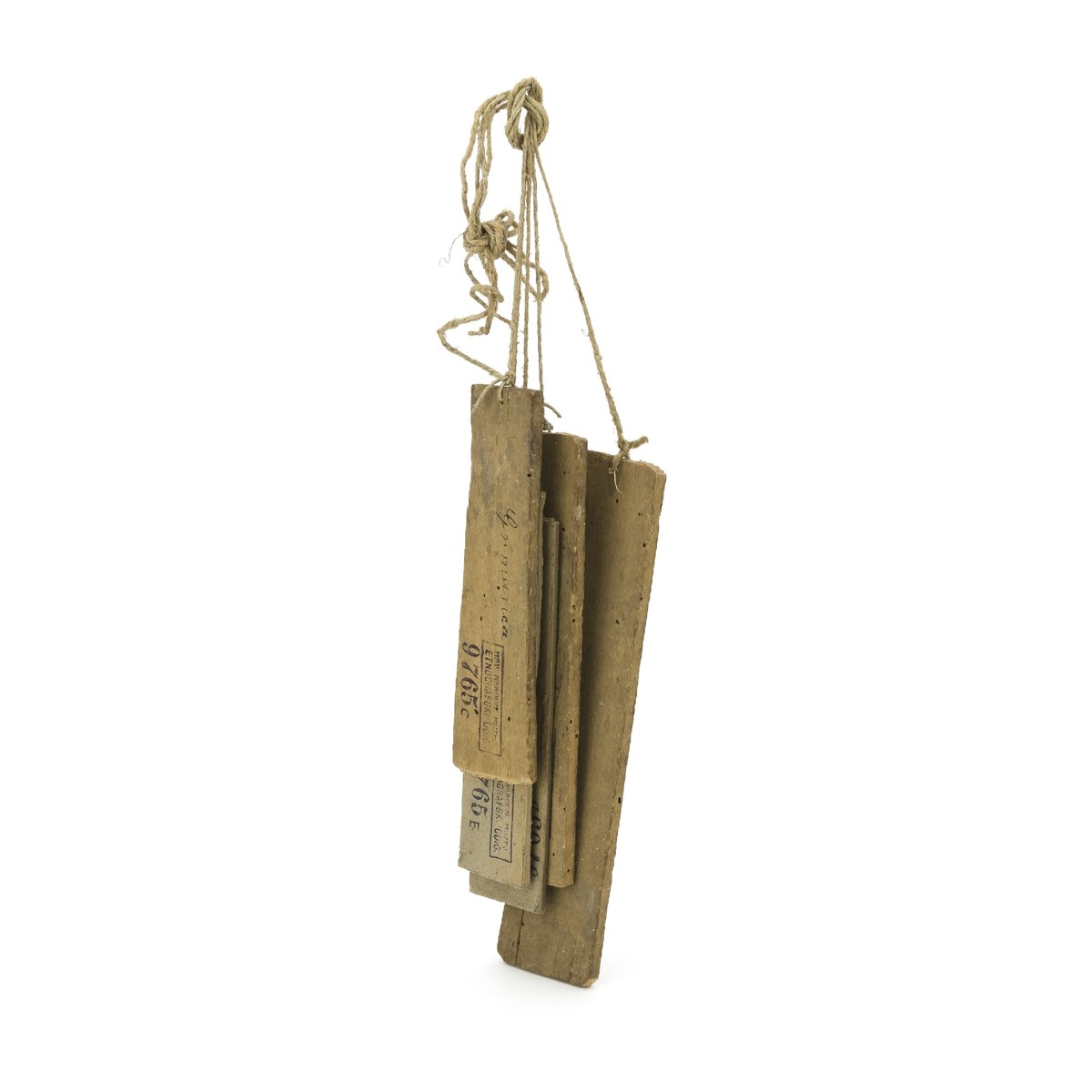
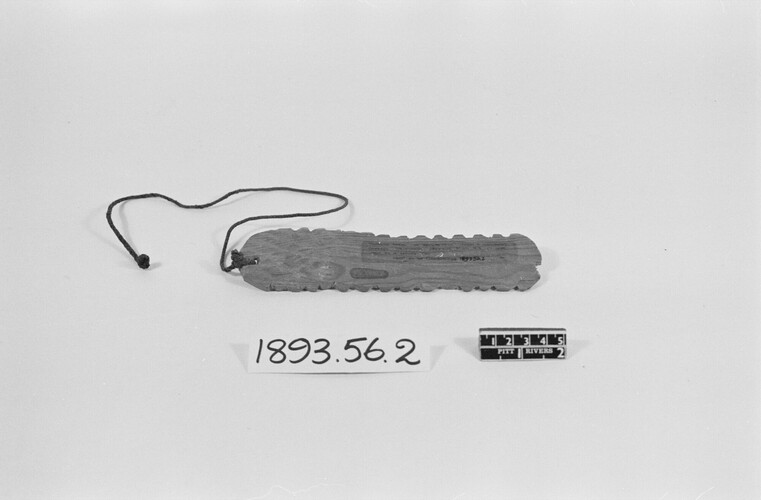
Other residues sit even closer to the terminal toy, holding the old logic in a single glossed name. In the Ukrainian province of Volyn the boys’ garden-scarer, the фуркало, was also whirled “to drive evil spirits and vicious dogs from the house” — the toy still doing apotropaic work. The Estonian national dictionary still tags the toy vuristi “an ancient cult object,” the sacred status surviving only as a lexicographer’s note. And in Istria the female voice that the roarer carries the world over — the “mother of yams,” the Kunapipi Old Woman, the Dogon mother-mask — survives with the cult stripped clean away. The Trieste boys called their roarer la striga, “the witch”; the boys of Rovinj called theirs la bus de la viecia, “the voice of the old woman.” The god became a toy, but the toy still speaks in a grandmother’s voice — the last, cult-less echo of the ancestral personification traced in the grandfather and the mother.
A lawful process, and Lang’s toy
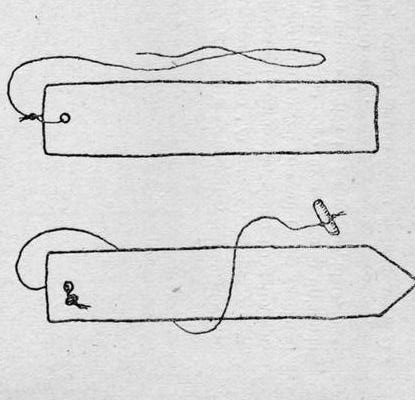
None of this is a peculiarity of Europe. It is what happens to the instrument anywhere its cult dies. Haddon saw the rule from the other side: wherever the roarer is found outside initiation and secret-society use, it is “neither tabooed to women nor represented as the voice of spirits” — desacralization strips exactly the sacred markers, and what is left is a noisemaker. The same descent runs elsewhere on the map. In Siberia the Sakha remember the ísiirär only as a plaything (its slide into the toy cupboard is followed in buzzer vs. bullroarer). In colonial Australia the turndun, whose secret men had guarded on pain of death, became a curio and a toy the moment it was photographed and sold to whites. Within a single New Guinea district the same object can be a spirit’s voice in one village and a boy’s toy in the next. Europe is not the anomaly; Europe is the case where the whole lawful process happens to be written down — and where, uniquely, an incoming religion caught the falling instrument and briefly raised it again for its own dead god. The observers who watched the fall said so in their own words, from Ethiopia to Western Australia; they are gathered in the scholars who saw a god become a toy.
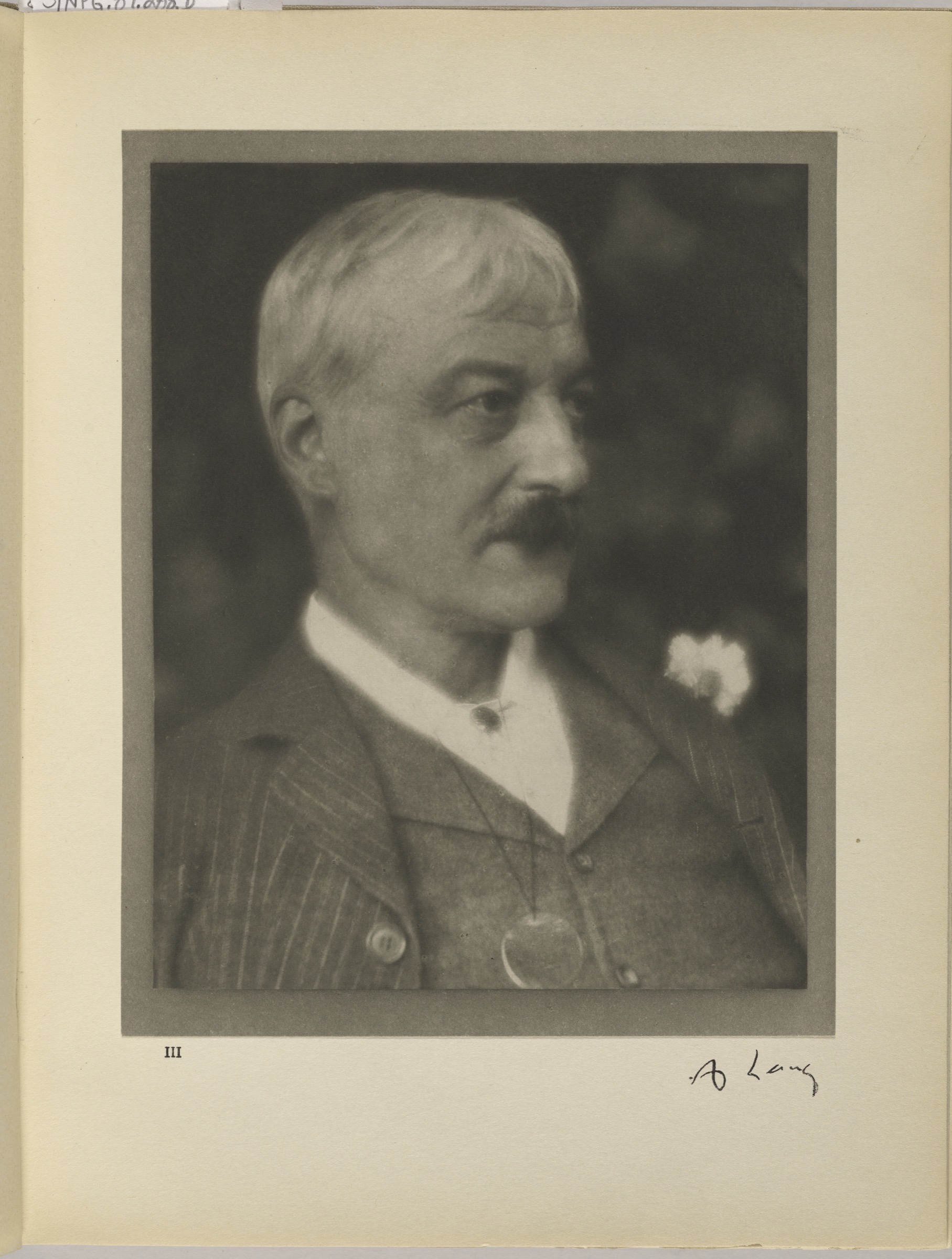
Which returns us to the man who started it. In 1884 Andrew Lang held a cheap English schoolboy’s toy in one hand and, in the other, the text of the Greek mysteries, and made the leap no one had made: that these were the same thing. He heard the din a boy makes with real relish —
“boys have always known the bull-roarer in England as one of the most efficient modes of making the hideous and unearthly noises in which it is the privilege of youth to delight.”
Andrew Lang, Custom and Myth (1884), “The Bull-Roarer”
— and concluded, with a boldness that founded a method, “that in all probability the presence of the rhombos, or bull-roarer, in Greek mysteries was a survival from the time when Greeks were in the social condition of Australians.” That single sentence — the toy in the hand is the mystery instrument — was the seed of the whole comparative science this atlas practices. Lang saw the two ends and named the thread between them. What he could not yet see, and what the European rows now make plain, is that the thread runs through five knots and one improbable rise: dethroned god, folk-charm, herd-tool, Holy-Week bell, and at last the object in a fen boy’s fist, howling for the sheer joy of the noise — a god, come all the way down, and still refusing to be quiet.
Key sources
- Lang, A. 1884. Custom and Myth, “The Bull-Roarer.” London: Longmans (the Orphic “toys of Dionysus,” the scholiast’s definition of the whirled konos, the “survival” thesis, and the English boys’ toy).
- Clement of Alexandria, Protrepticus II.17–18, with the ancient scholiast (the rhombos and konos among the mystery-toys of the child Dionysus), c. AD 190–200.
- Demosthenes, De Corona (18.259–260), delivered 330 BC (Aeschines’ mother Glaukothea and the Sabazios initiations — the earliest hard date for the instrument in the mystery cults).
- Haddon, A. C. 1898. The Study of Man, “The Bull-roarer” (the English county names as survivals; the observation that outside initiation the roarer is neither tabooed to women nor a spirit-voice; the Irish informant told his “boomer” was a “sacred” thing).
- Tucci, R. 1969. “Il rombo,” pp. 372, 377 n.22 (the rombo replacing the bound bells at Sant’Andrea Apostolo dello Ionio through the Holy-Week triduum; Poffabro’s secularized echo).
- Pitrè, G. 1883. Spettacoli e feste popolari siciliane, p. 415, with Cocchiara 1938:127–128 and Bonanzinga et al. 2013:64 (the Mistretta lapuni sounded while the bells were tied in Holy Week).
- Geiser, B. 1978, p. 78 (Swiss firlifurli attested archaeologically “since the fourteenth century”); Berg 2018 (the Utrecht bone snorreboten); the dendro-dated Novgorod laths (Troitsky/Nikitinsky excavations, 13th–14th c.); Āboltiņš 2024 (Cēsis Castle ribs); the Lund vinare.
- Hrinčenko, B. 1907–09, s.v. фуркало (Volyn: driving evil spirits and vicious dogs from the house); the Estonian dictionary s.v. vuristi (“an ancient cult object”).
- Battaglia, R. 1925. Sopravvivenze del rombo nelle Provincie Venete (the Istrian boys’ roarers, including Trieste la striga and Rovinj la bus de la viecia).
The individual attestations are each documented in the sources above. The synthesis offered here — that the European material stratifies into five datable layers, that the toy floor can be pinned to the 13th–14th century by medieval wood and bone finds, and above all that the path is two-humped, re-crowned inside the Holy-Week office before its final demotion — is, as far as we know, original to this page. It extends the “survival” Lang named in 1884 by supplying the stages, the dates, and the mechanism he left open.