From southeast Alaska to the Smith River, a whirled board returns a child with an inherited dance, roars as the Wolf’s tail, sounds behind a Haida potlatch screen and, for Twana boys on a hot afternoon, brings south wind and rain.
The Wolves run through a village at night. Whistles and a whirled board sound outside houses where people are feasting. A club strikes a wall; inside, a child blows a tiny whistle hidden in the mouth and falls as if dead. A relative carries the child to the sponsoring chief’s house, where the novice waits behind a curtain for the songs that will bring life back. In the Wolf ceremonies of the northern and central Nuu-chah-nulth, the bullroarer is the Wolf’s tail, and the child the Wolves carry off comes home entitled to sing an inherited song or dance an inherited mask. 2
Among the Nuu-chah-nulth of Vancouver Island’s west coast, the ceremony often called the Wolf Dance could mark an important event in a chief’s life or that of an heir. Its sponsoring families owned songs, masked dances and set ways of conducting the performance. In the story enacted, supernatural Wolves carried children to the ancestral homes of their lineages. There the novices received instruction in a hereditary right: a song to sing, a mask to dance or a display to present. Relatives then rescued them and brought them back to the community. The Wolves did more than frighten children; they returned them with something to show. 2
This was a village undertaking, with feasts, singing and performances by groups of different ages. During it, ordinary rank temporarily lost some of its familiar signs. Chiefs did not occupy their usual graded seats, and a seal could be divided into small portions for everyone instead of going out according to the usual chiefly prerogatives. Yet the people entitled to sponsor the rite and perform its important acts were still the hereditary owners. After the ritual, a major potlatch again observed the formal order of rank. 2
Because the bullroarer was the Wolf’s tail, the ordinary words for wolf, teeth and tail were forbidden during the ceremony. The Wolves carried novices in their mouths, and even speaking of their bodily equipment required another vocabulary. One substitute called them Crawlers. Eating alone was forbidden too; a meal required company, however few the guests. Outside, the tail roared among the whistles and howls of the approaching Wolves. 2
In the house ceremony, the children struck down by the Wolves were concealed behind mats across the sponsor’s house. Song owners attempted their revival. In the Moachat account, a first set of songs seemed to fail: everyone listened, and the only sounds were wind in the trees and water on the beach. The audience abused the unsuccessful singers. Another pair of hereditary song leaders dressed for the task, and dancers joined them. At the end of their fourth song a novice’s whistle answered. Each child came forward to sing; some explained where the Wolves had taken them, what name they had received and what feast they must give. 2
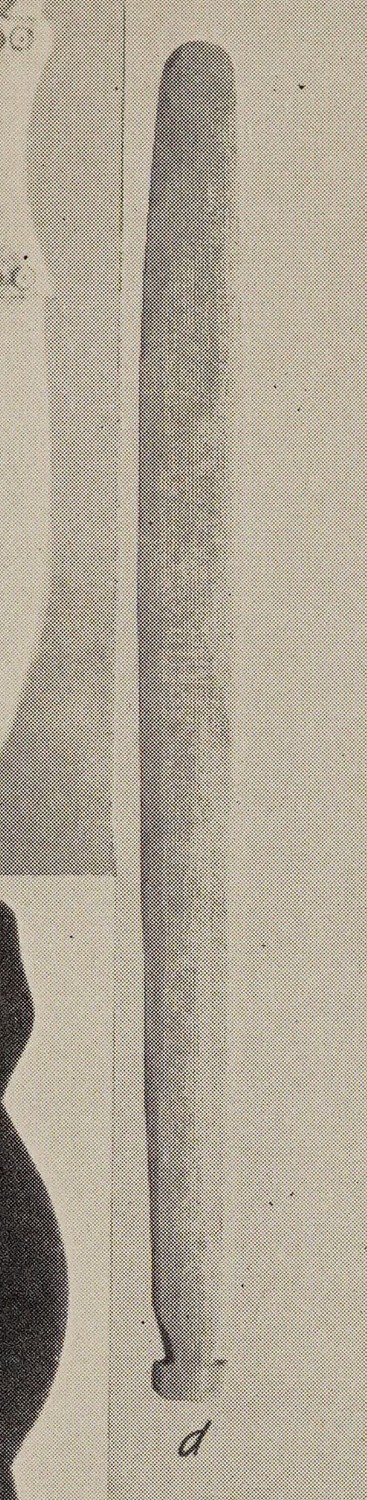
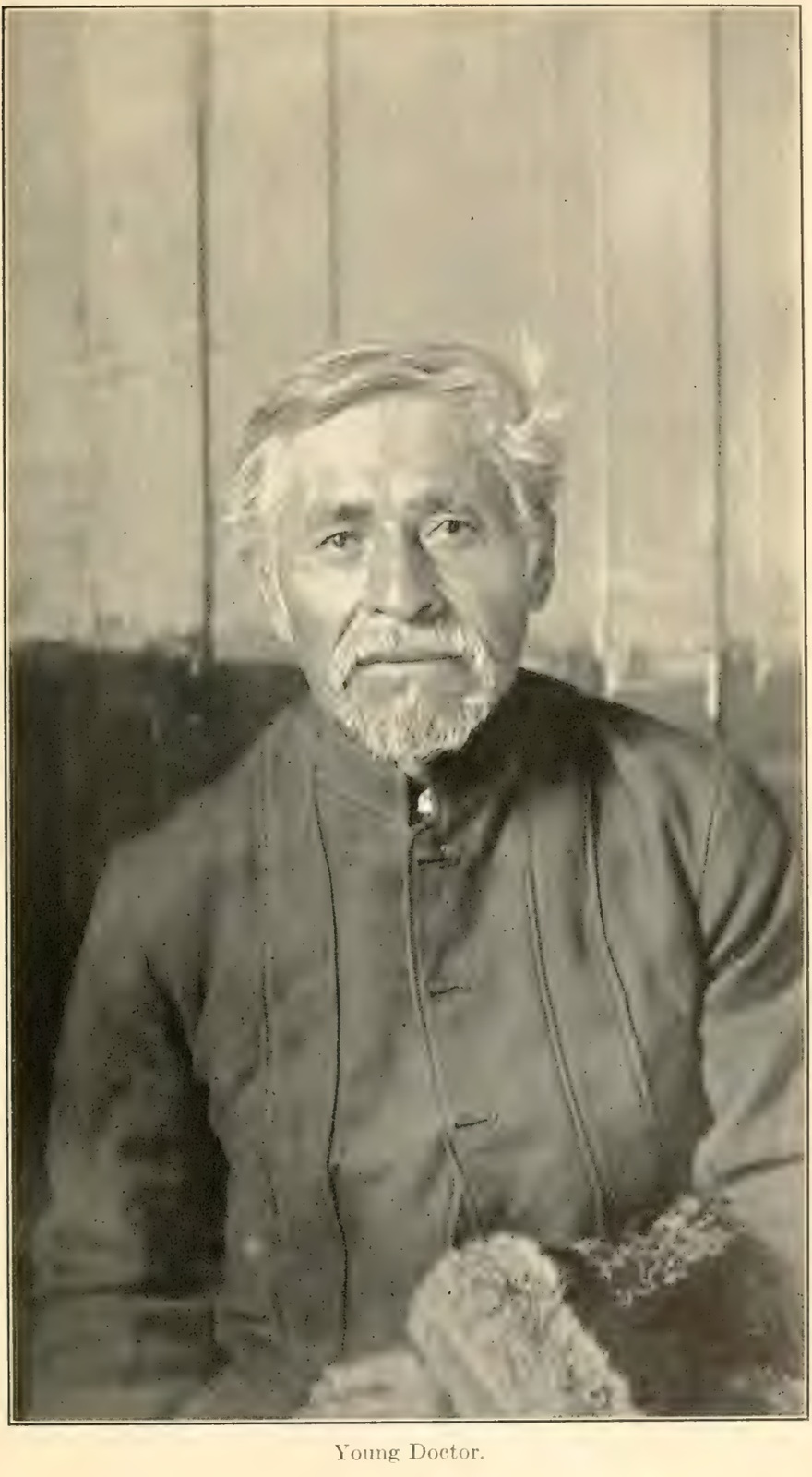
Across the strait at Neah Bay, on the tip of Washington’s Olympic Peninsula, Makah people who had taken part told Frances Densmore about the Klokali and sang its songs. Young Doctor said its purpose included displaying wealth; he had sponsored it three times. Luke Markishtum described whistles approaching from the woods, then men taken from house to house as the members assembled. 3
The Klokali sounded through an ensemble. Four or five bullroarers roared in it, while whistles supplied the wolf cries. A tiny cedar reed instrument could be hidden in a dancer’s mouth, secured by strings to his clothing; larger whistles summoned people at night. James Guy sang a Klokali song inherited from his uncle, its words personifying his dancer as the day. Young Doctor remembered punishments and terrifying effects; the preliminary meeting was grave, no one smiled, and the children were kept at home. 3
Farther north on Vancouver Island, Koskimo men climbed secretly onto the roofs at midnight. Their whirring sticks sounded in four long intervals as the voice of beings who came for another novice. People sang their secret songs indoors; after the sound stopped, a novice cried in the bush. In the morning a blanket lay before a house. Its owner’s identity disclosed who had been taken, and the family prepared for his return. 4
Koskimo nulam was a different series, although it too enacted a journey to the Wolves. In Chief Sam’s telling it began with drumming and a whirring noise, followed by a procession from house to house and a disappearance into the woods. New names were announced at the closing potlatch; next day dancers were bathed and their branch clothing burned. Its displayed privileges included a Feathered Serpent, wolf masks and other beings. It is close kin to the Nuu-chah-nulth Wolf ceremony. 5, 1
The Tlingit called their toy hunkaya’na, north-wind sound. In the Lukana dances, however, whistles voiced the spirits. Farther south, Quinault children also had a bullroarer as a toy, while ceremonial rattles did other work. 8, 9
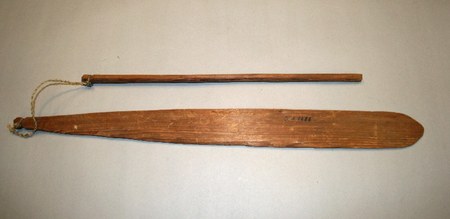
On Hood Canal, Twana boys whirled a long cedar blade from a stick handle. They played without an adult ceremonial occasion, yet people said the sound brought south wind and rain, especially in hot weather. Along the Oregon coast and down to the Smith River, Tolowa, Chetco, Galice Creek, Sixes River and Siuslaw boys whirled it among their playthings, far south of the great houses of Vancouver Island. 10, 11
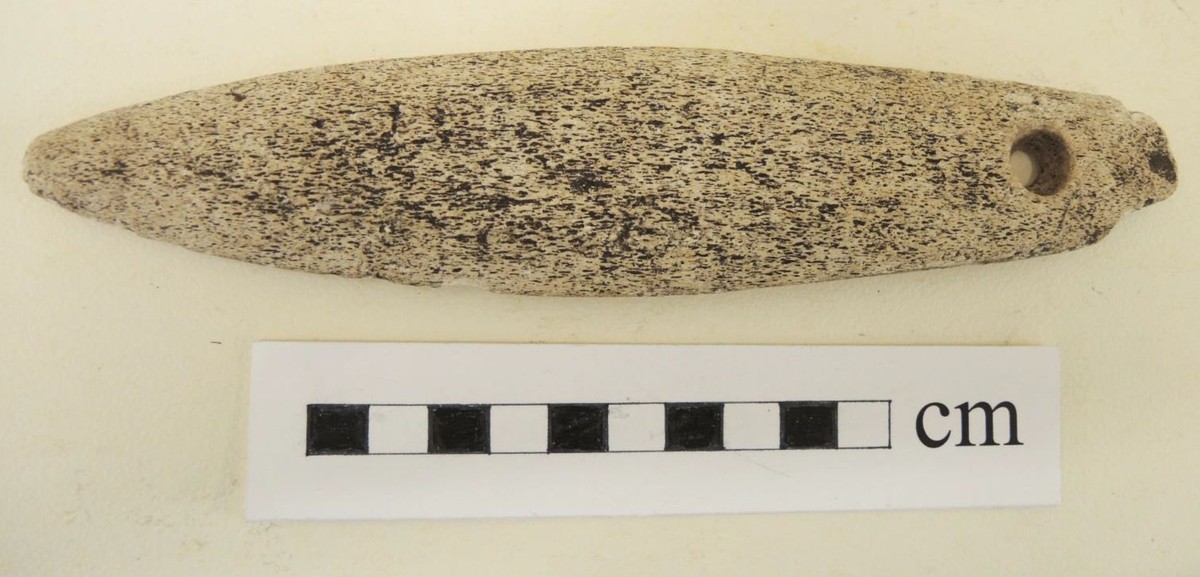
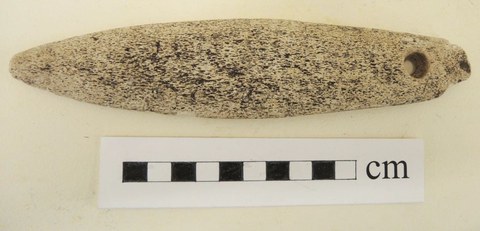
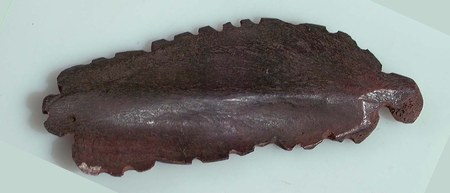
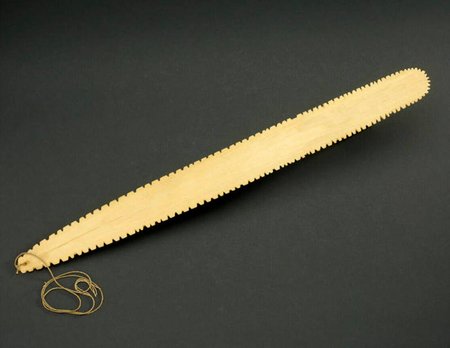
At Skedans on Haida Gwaii, the bullroarer sounded behind a decorated screen during potlatches. Another Haida blade survives from the islands without any account of its own performance. At Kweeha, a Kwagu’ł community at Fort Rupert, the handled board was a child’s toy, as it was in many communities farther north. At Departure Bay, on the Snuneymuxw coast of Vancouver Island, a whalebone blade turned up in shell-midden spoil churned by a bulldozer. 1, 12, 13
The Wolf ceremony travelled, and people remembered its roads. A Hupachisat consultant said Loqwana came to his people after they took up Nuu-chah-nulth speech and ways, four or five generations back. Luke Markishtum said the Makah Klokali came from western Vancouver Island, each tribe it passed through adding something to it. Over the Koskimo nulam, rival communities each claimed to have had it first. 1, 3, 5
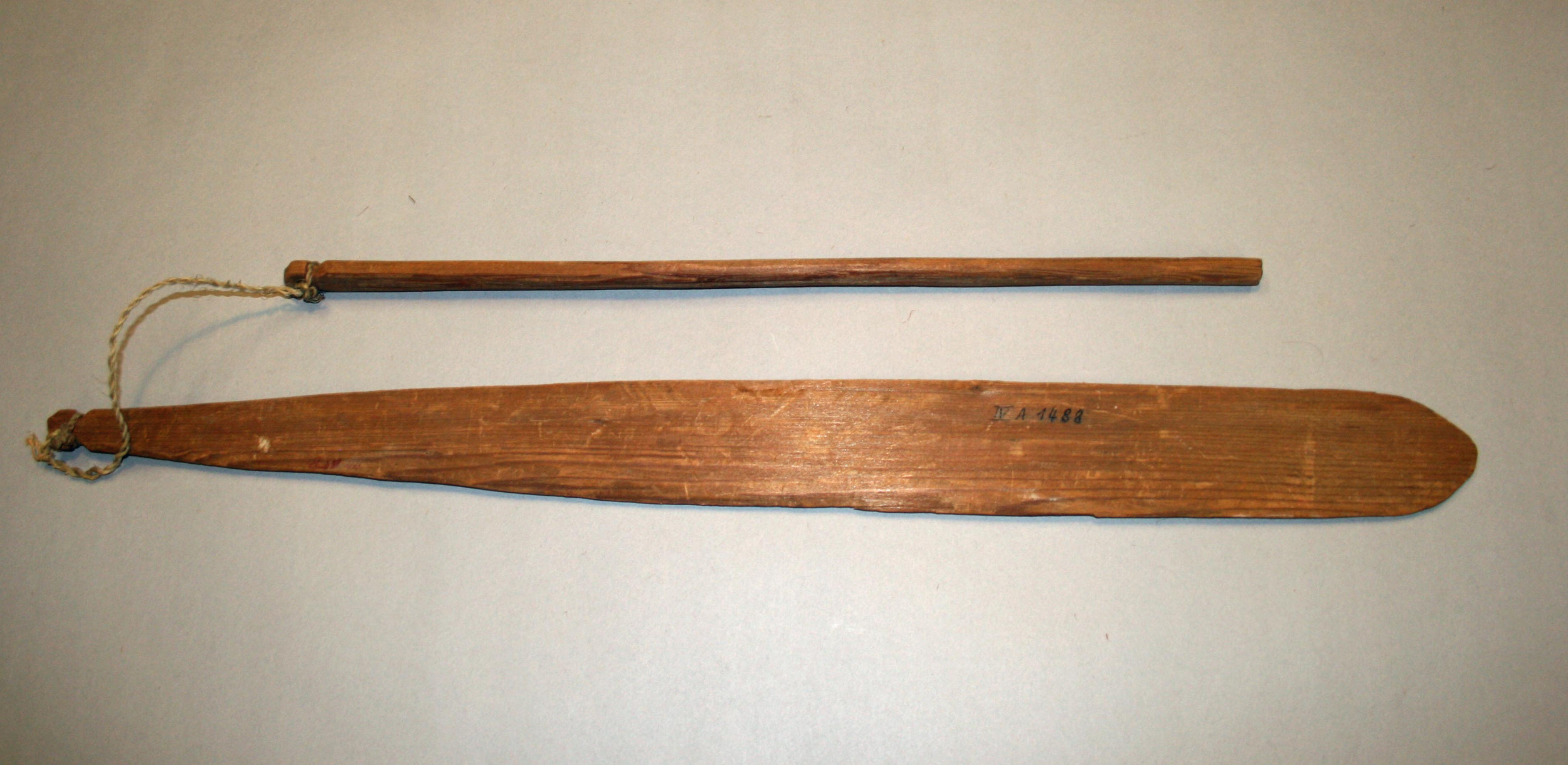
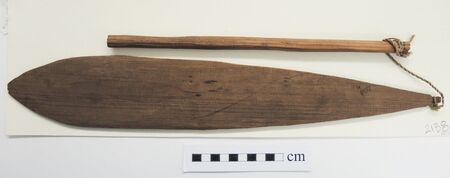
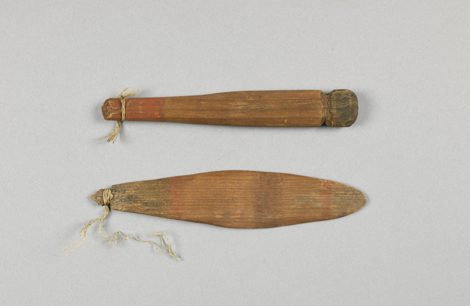
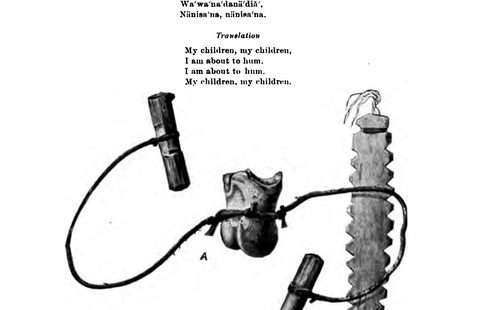
At the head of Alberni Inlet the bullroarer belonged to the Loqwana, the Wolf Dance — the great winter ritual of this coast, in which wolves carry novices off from the village and the initiated bring them home again. Across the Nootkan Wolf ritual the bullroarer, ctihyak, was the Wolf's own tail.…
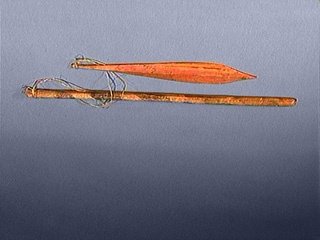
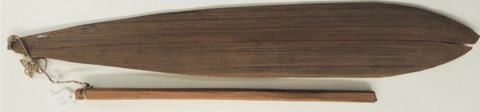
Representative — not this record’s object · Nuu-chah-nulth bullroarer, 1912: leaf-shaped cedar blade with cord and grooved handle stick.
The Clayoquot were the richest and most powerful tribe of the central Nootkan province — their chiefs all drawn from one closely related family, and with the Ahousat and the Moachat the most ardent whale hunters on the coast. Their bullroarer was a Wolf Dance instrument, swung from a handle, and…
Representative — not this record’s object · Nuu-chah-nulth bullroarer, 1912: leaf-shaped cedar blade with cord and grooved handle stick.
Four or five bull-roarers sounded at the Klokali, the Makah Wolf Ritual and the greatest event of their year. Men hid in the woods around the village with whistles, "imitating wolves," then came in and took one of the men "to be initiated" with them, gathering the members house by house. The…
About midnight, men climbed quietly onto the roofs of the Koskimo houses and whirled the whirring sticks. The noise was the voice of Hai'aLilaqas, or of Wīnā'lag·ilîs, come to take away another novice; it sounded four times over, ten minutes at a stretch, and afterwards the people sang their secret…
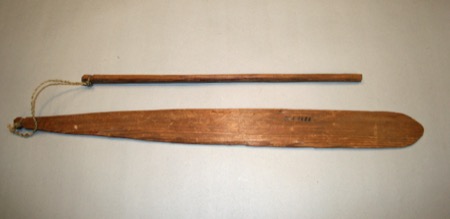
At a Haida potlatch a painted screen stood across the back of the house and the performers waited behind it, out of the guests' sight. The bullroarer was sounded there — a noise arriving from a source nobody could see — and it was not a child's toy. It is the only ceremonial roarer in the northern…
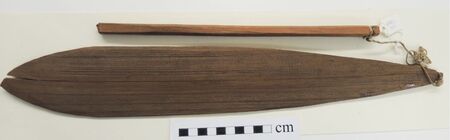
Representative — not this record’s object · Haida blade, cord and handle, CMC VII-B-226.
Among the Kweeha, one of the four Kwaguʼł tribes drawn together at Fort Rupert by the fur trade, the bullroarer was a handled slat that children swung. That is remarkable for where it was: Fort Rupert was the great ceremonial village of the coast, home of the tsetseka, the winter season in which…
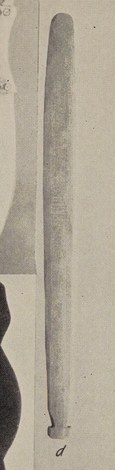
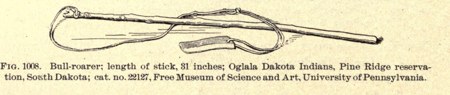
Representative — not this record’s object · Oglala tateka yuhmunpi from Pine Ridge, figured by Culin in 1907.
pp. 157–159: communities and scope; p. 199, elements 854–857: handled bullroarer, ceremonial use and toys; p. 268: Hupachisat consultant’s account of recent Loqwana adoption, the Nootkan Wolf uses, Koskimo nulam, Skedans screen.
pp. 106, 386–390: instrument, ceremonial ownership, Wolf plot, word and food rules; pp. 394–398: concealed novices and the house variant with whistles, whirled bullroarer, fallen children and resuscitation.
p. xxv and Plates 1, 3: named Makah speakers; pp. 101–106: Klokali, Luke Markishtum’s reported route, Young Doctor’s testimony, different origin narratives, whistles and four or five bullroarers, discipline and James Guy’s inherited song. Plate 14 shows companion instruments, not bullroarers.
pp. 610–611 and fig. 189: Koskimo rooftop whirring, named novice-taking beings, four intervals and songs, and instrument allocation distinguished from kelp trumpets; p. 632: the historical Lo’koala name interpretation, not adopted as a settled etymology.
pp. 201, 219–220: Koskimo consultant Chief Sam/interpreter Walter Nelson; nulam distinct from the Shamans’ series and northern dog-eating, the Wolf journey, unranked privileges, names, bathing and burned branch clothing. The opening whirring is tentatively identified here; Drucker 1950 explicitly names the bullroarer.
pp.159–160: communities and consultants; p.174 element746, boys’ plaything; Galice Creek consultants differ. Tututni retained at its existing candidate status.
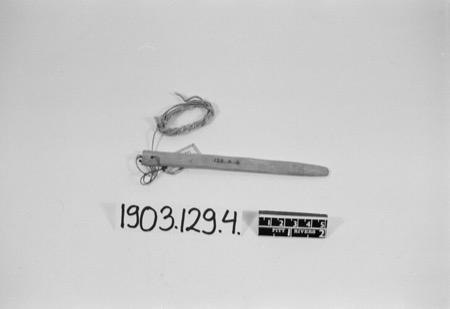
Departure Bay, Archaeological Bullroarers, Figs4–5, RBCM DhRx-16:1166; proposed whalebone bullroarer rescued from bulldozed midden, repurposed-club alternative retained. Also AMNH16/390BC Tsimshian.