Two quarrelling groups go to the forge. There, over the Gouin dogo, an oath of innocence or reconciliation becomes binding. The same iron passes above novices lying face down on their initiation night: the face of God, heard and never seen. Across the savanna of Burkina Faso and Mali, a roarer can be a god’s body, the road of the ancestors or one sacred object in a company of masks, and it reaches into names, fields and marriages. 1, 2
The forge came before humanity
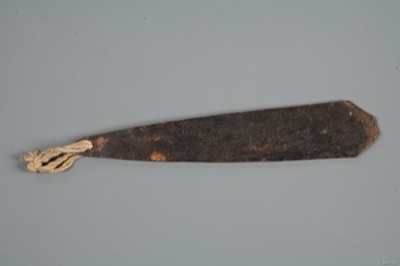
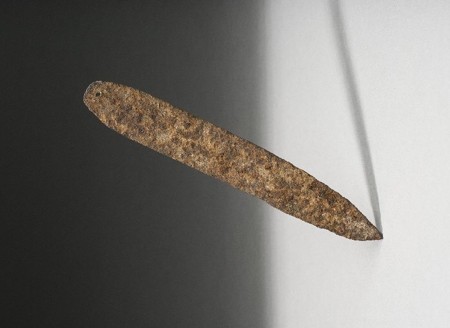
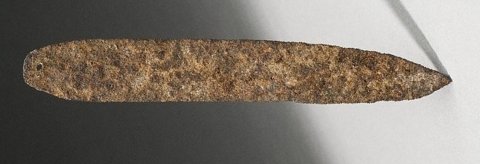
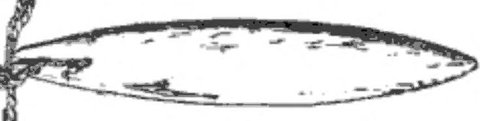
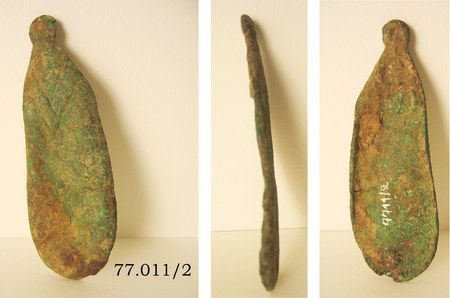
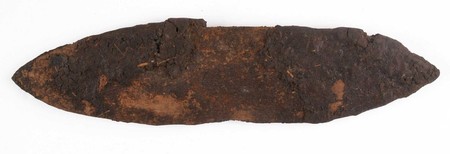
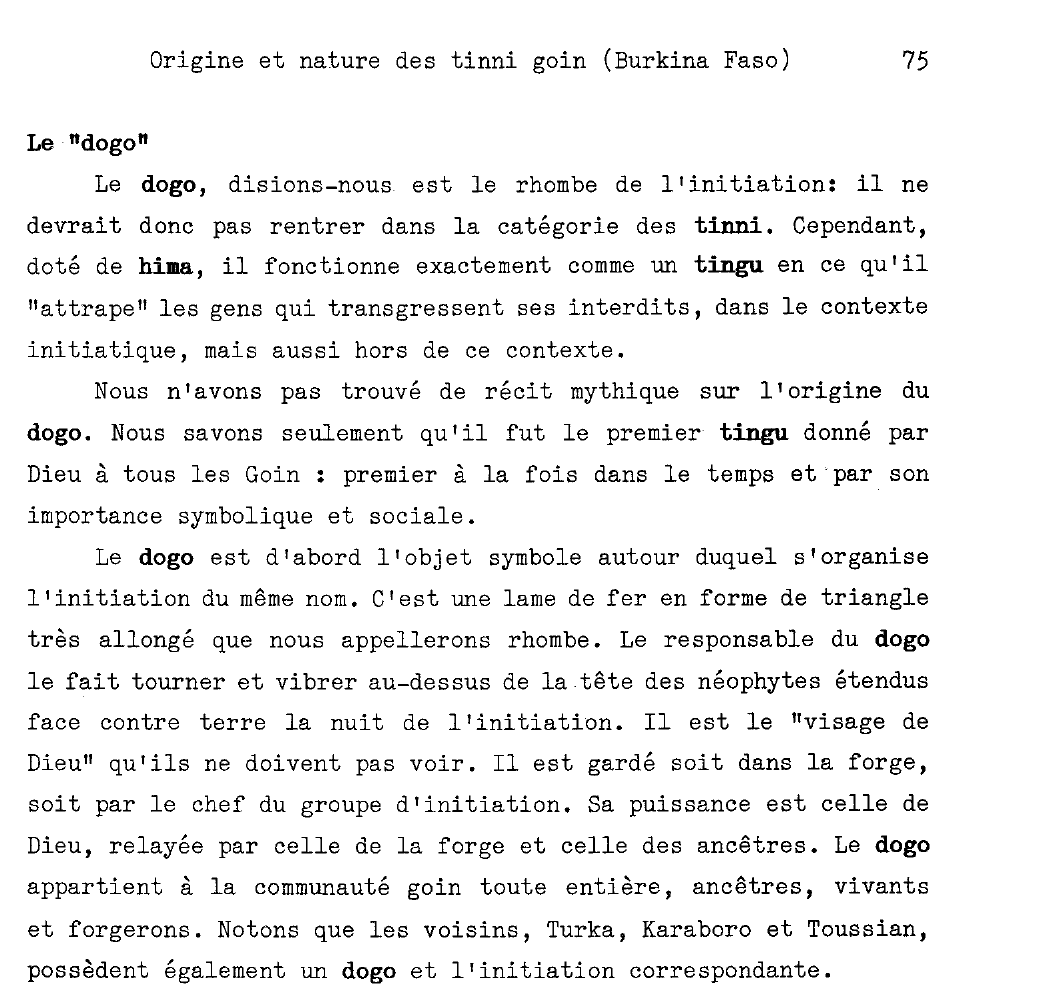
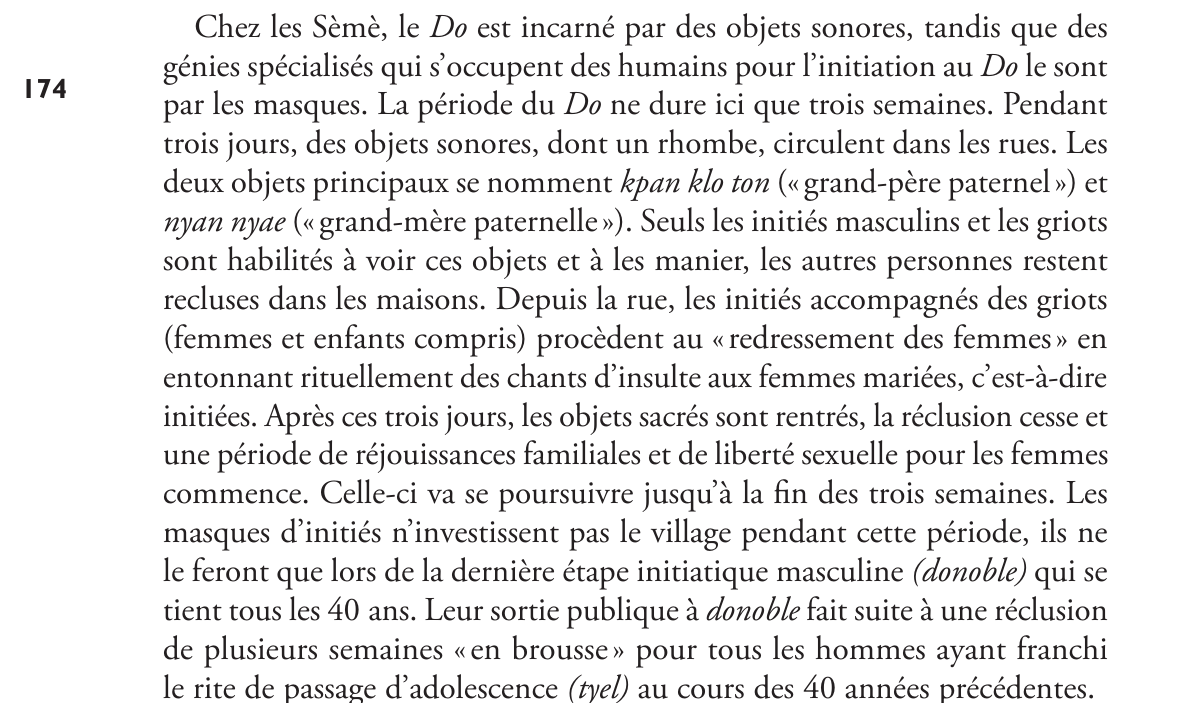
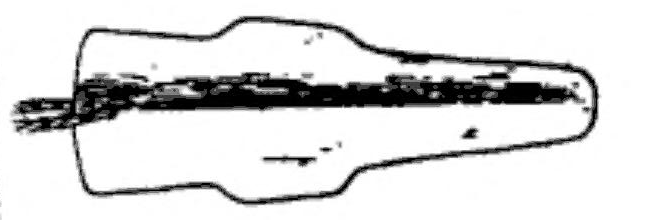
The Gouin of southwestern Burkina Faso begin with the order of creation. Dilo made the genies first, then the smith and the forge, and only afterwards the rest of humanity. Dilo names God, the sky and the rain. Iron brings people close to divine power; the anvil and forge receive that power, and the smith is a maker of civilization. Dogo is an elongated triangle of iron, kept in the forge or by the leader of its initiation group. The Gouin call it the first power object God gave them, first in time and first in importance. 1
On the night of initiation, its keeper swings the blade over the heads of novices stretched face down. Its forbidden face joins God’s power to the forge’s and the ancestors’. Initiation gives the person an ancestor’s name. The ancestors call whom they choose, and someone never called loses no standing. An initiate asks the ancestors for strength, fertility, luck and wisdom. 1
Women travel that road too. Asked about their dogo, Gouin women may tell of their excision or their marriage: dogo is the path of the ancestors, and therefore life itself. A woman diviner must have been initiated before the genies will speak to her. The neighbouring Turka, Karaboro and Toussian keep dogo and its initiation as well. 1
Gouin (Goin; Cerma speakers) · Karaboro and Turka (Banfora / Tiéfora) · Tusia / Toussian
A power that must restore agreement
The blade’s public duty was peace. In the remembered wars between villages, an earth priest or the senior smith stepped between the fighters and set the iron vibrating above their heads, and the fighting stopped. At the forge, people swore their innocence or their will to reconcile. A false oath, or a betrayed initiation secret, brought sickness or impotence. Enemies and fellow villagers alike were bound to stop shedding blood. 1
Smiths also made small dogo, about ten centimetres long. Consecrated with sacrifice and invocation, a copy hung in a compound against witchcraft, or in a house, orchard or field against theft. A child stealing mangoes from a guarded tree came to little harm. Dogo is the one Gouin power object that is innocent: it can punish only the guilty, and its work is life and fertility. 1
The hornbill teaches its own funeral
Among Bobo smiths, the founding story is a dangerous lesson. The Sanu lineage traced Kwele Dwo to a hornbill that ate the village’s children. A smith hid beneath a thatched shelter over a deep pit and shot it. Wounded, the bird revealed a bow, arrows, a quiver and a rhombe, then a molo mask. One of its children put on the mask and passed three times over the bird’s body, and its wives came to mourn. The smith was watching the bird rehearse its own funeral. 3
The hornbill tried to burn the hidden man alive, but he sealed himself into the pit. When it died he fetched his father; together they sacrificed, repeated the masked passes and the dance, buried the bird and carried the revealed objects home. By rehearsing its death, the bird had made death sacred. The Sanu carried their cult from vanished Kwele to Kurumani, and only the sibe smith lineages that hold Kwele Dwo’s revelation give funerals to masks; among Bobo cultivators, masks keep away from the dead. 3
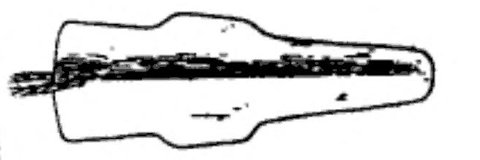
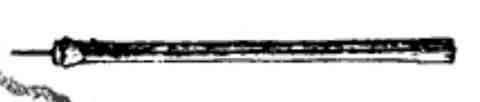
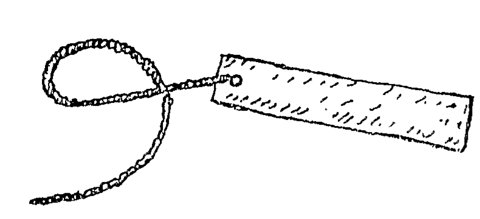
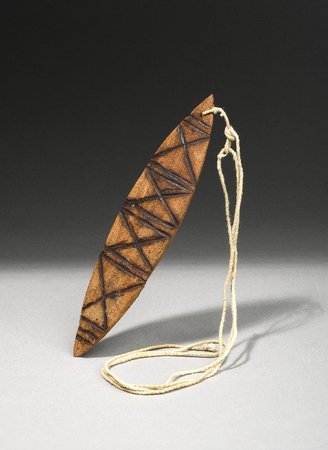
Before a funeral mask entered the village, Sibiri Sanu, lineage head and priest of Dwo, laid ash in a calabash fragment between its legs, then the bow, quiver, arrows and rhombe the hornbill had revealed. The rhombe is a heavy piece of metal on a cord, and whirled, it makes people shiver. Men and women approached in line with ritual staffs and bowed. 3
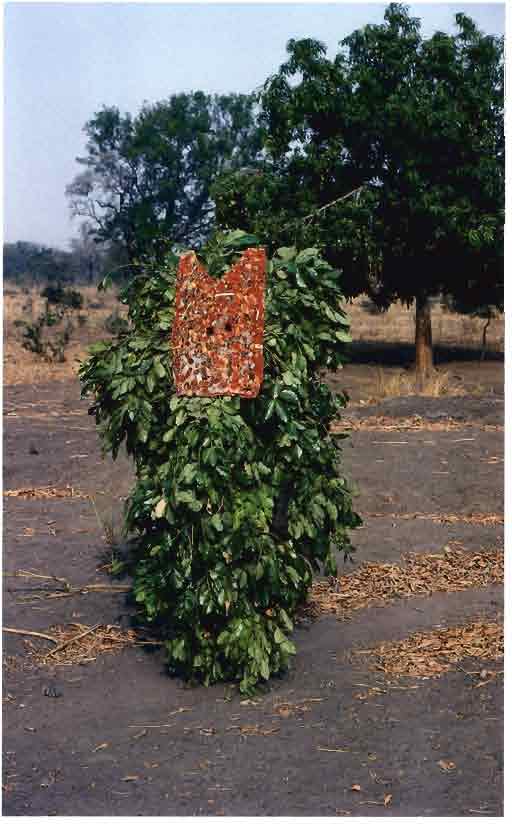
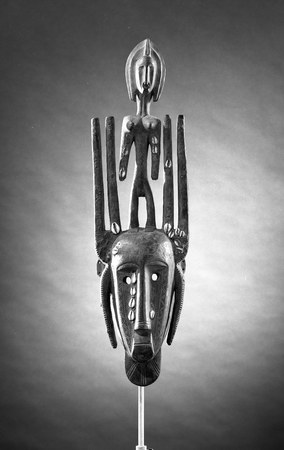
Bobo saxa molo announces a death. A single bark faceplate rises from its mass of fresh leaves; Le Moal, 2008. 5
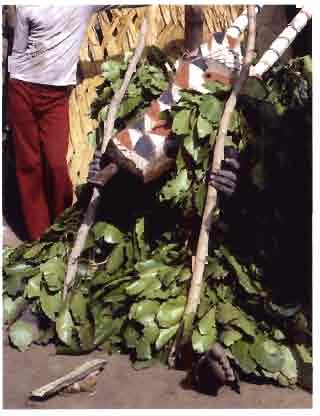
Before sô molo enters the village, Sibiri Sanu lays out ash, bow, quiver, arrows and a metal rhombe: the objects revealed by the hornbill. 6
Three days of sound in Orodara
The Sèmè of Orodara give Do another form. For three days in its annual season, sacred sound objects move through the streets, a rhombe among them. The two principal objects are Paternal Grandfather and Paternal Grandmother. Initiated men and griots, the hereditary musicians, may see and handle them; everyone else stays inside. The company, griot women and children among it, sings ritual insults at married, initiated women. Once the objects are put away, the confinement ends, and the weeks that follow bring family celebration and sexual freedom for women. 2
A woman’s place depends on more than her sex. Sèmè griot women walk the streets closed to other women, may enter the donoble initiation camp and alone among women receive a Do name. Other women follow their own sequence of domestic and marriage initiations. The great donoble, some forty years apart, brings men out in animal masks and renews the elders’ council, and women of their generation greet them and dance beside them. The sound objects embody Do; the masks embody the genies who see to human initiation. 2
Do travels
Do has moved between peoples. The Sèmè say they received it from the Toussian, about a century and a half before the fieldwork; the Bwaba say they had it from the Bobo. In a Bwaba village each cult quarter keeps its own objects, places, calendar and rites within the larger Do community. 2
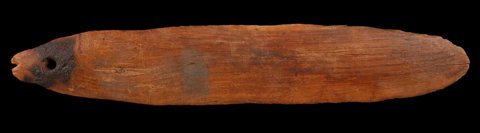
Farther north, among the Bwa of San in Mali, the elliptical iron roarer was Do himself, kept in a sheepskin bag hung from a roof beam and sounded only rarely, by the priest. Maskers made Do’s cry with a short bow-cord whistle or with their lips. Girls were initiated as well as boys, and the elders said that women had always bought Do. 4, 2, 3
An ordinary coat, an extraordinary voice
At night the Dogose Zorhodaria could walk through the village unmasked, in everyday clothes. The terrible power was the iron Zorhogo itself, kept in a small sacred wood and whirled on a string. Its society pursued murderers, thieves, adulterers and sorcerers said to eat souls, and sorcerers who heard the shrill sound retreated into their huts. Women, children and the uninitiated were forbidden to see it. Its keeper looked like anyone else. 11
The fishermen’s protection
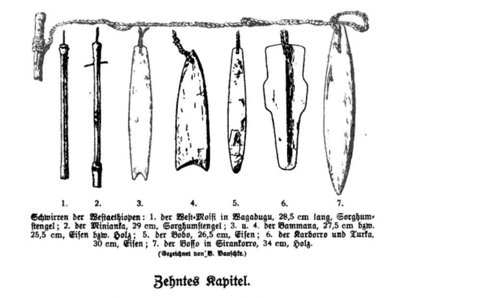
On the Niger in Mali, the Bozo Diarra brought river danger into a men’s society. Its shrines stood in clearings near the river villages between Sansanding and Diafarabé, where friction drums stood with the Billai roarers, and the protection they gave was against crocodiles and hippopotamuses. At Siranikorro, the elders’ little clay shrine held five wooden figures and two very large Billai under a hardened coating of blood. The society’s grades followed boys into manhood and old age. 7
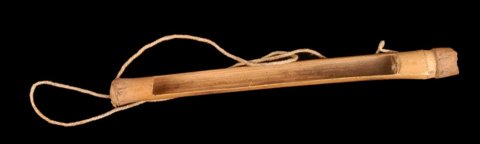
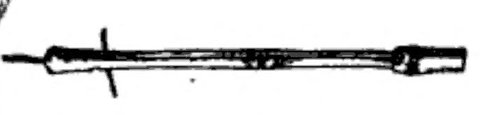
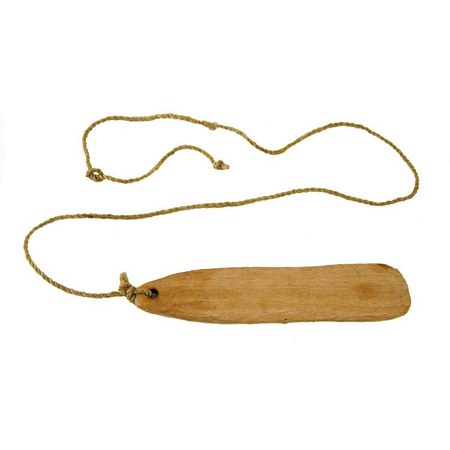
A younger company, Jôkaba, held its own festivities on a river sandbank. Its roarers were carved from the thick, fibrous leaf stems of the Borassus palm, and could be heard back in the village; older men were not supposed to attend. At Nouhoun-Bozo, a Bozo blade was collected as a boys’ toy. 7, 8
Bozo (Bosso), Diarra society, Siranikorro · Bozo (Nouhoun-Bozo)
A night mask with no audience
Among the Lyela around Réo, the shù society kept leaf-clad mother masks for night appearances: its yearly commemoration, certain funerals and punitive visits. The clansmen who escorted them could see them; everyone else was forbidden to look, to shine a light or to imitate their voice. That voice was the rhombe. The mother masks are the oldest and most powerful, the very divinities of the creation stories. 10
The mother of the mask cries for the dead
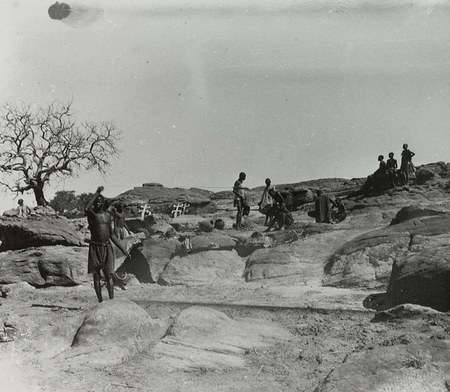
At Dogon Sanga in Mali, the imina na was kept with the masks in their caves. It received millet beer, and only initiated men could make it. Ambara Sodamma called it the mother because it was the largest and received the sacrifices. A death brought its voice to the edge of the village at night, and the men who knew the secret language urged the whirler on. 9
Names that carry the tradition
| People | Name | Meaning or use |
|---|---|---|
| Gouin | dogo | Iron power object, initiation and path of the ancestors 1 |
| Sèmè | kpan klo ton / nyan nyae | Paternal Grandfather / Paternal Grandmother, the principal Do sound objects 2 |
| Bobo sibe smith lineages | Kwele Dwo | Revelation of masks, bow and rhombe through the hornbill’s funeral lesson 3 |