FOURNIER2021-001 - ethnographic attestation
Grandfather and Grandmother of the Sèmè Do
Orodara, Kénédougou province, western Burkina Faso - West Africa
Restricted
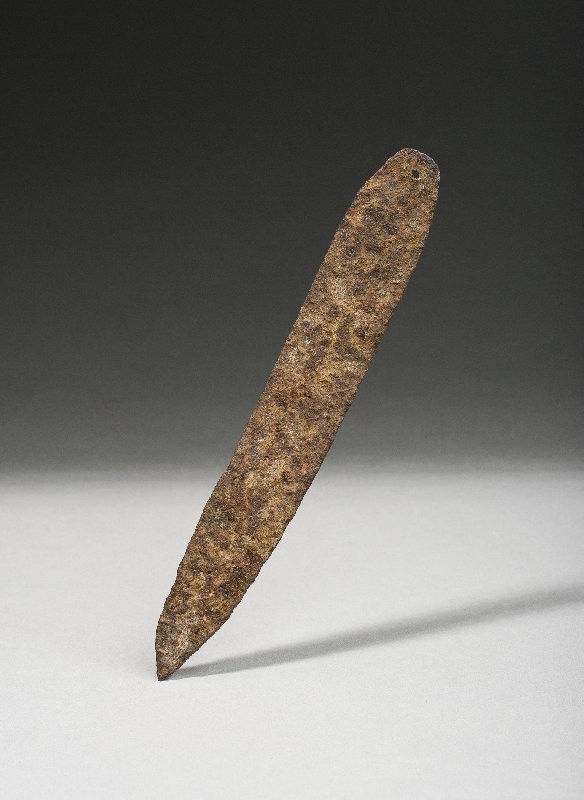
Source term: objets sonores, dont un rhombe; rhombes
Do: the Sèmè initiation cult and the unseen being its sound objects embody. The two principal sound objects are kpan klo ton ("paternal grandfather") and nyan nyae ("paternal grandmother"); a bullroarer sounds among them.
For three days the Do walks the streets as sound. The Sèmè, orchard farmers of the country around Orodara, say they received this spirit and initiation cult from their Toussian neighbours only about 150 years ago. Its masks come out once every forty years; in an ordinary year it comes as sound objects, a bullroarer among them, and chief among them two called Paternal Grandfather and Paternal Grandmother. Only initiated men and griots may see them; everyone else stays shut indoors. From the street the initiates and griots sing insults at the married women, "setting the women straight." Then the sacred things are taken back in, the doors open, and for the rest of the three weeks the women enjoy feasting and sexual freedom.
Pendant trois jours, des objets sonores, dont un rhombe, circulent dans les rues.
For three days, sound objects, a bullroarer among them, go through the streets.
Anne Fournier & Camille Devineau, L'Homme 239-240 (2021), p. 174
- Object
- A bullroarer among the sound objects that embody the Do; the instrument itself is not described.
- Function
- For three days of the yearly Do period the Do's sound objects, a bullroarer among them, go through the village streets while everyone except initiated men and griots stays shut indoors; the two principal objects are named Paternal Grandfather and Paternal Grandmother. The sight of the bullroarers is forbidden to women and children, griot women excepted.
- Source
- Anne Fournier & Camille Devineau, « Entre ancêtres et génies : l'accommodement des genres dans l'initiation aux Do bwaba et sèmè du Burkina Faso », L'Homme 239-240 (2021): 169-202, §11 (p. 174), §24 (p. 182), nn. 5, 9, 12, 14. Corroboration: Anne D. M. Fournier, « Le bébé et son génie-animal (Sèmè du Burkina Faso) », AnthropoChildren 13 (2025), HAL…
- Source location
Page references
p. 174 (§11); p. 182 (§24); p. 170 n. 5
- Source confidence
- medium to high
- Location note
- Orodara town (Nominatim), the agglomeration whose quarters were Fournier's fieldwork site; the Do is described for the Sèmè generally (six villages, about 400 km²). Glottolog siam1242 centroid lies about 2 km north.
Regions: Africa · West Africa
- Spirit voice
- Initiation rite
- Forbidden to women
- Women-linked