The Seven Sisters and the First Mystery · III of VII
From Ooldea to Ilahita
Ooldea · Arnhem Land · Port Keats · the Fly · the Sepik
Start in Australia. The Seven Sisters rise over initiation country. Orion follows them. The hidden board roars from behind the screen. In northeast Arnhem Land the Djanggawul sisters carry sacred law and property; in the neighboring Wawilak-Kunapipi world the serpent and the bullroarer become each other and the Mother’s voice is already men’s most guarded property. Cross the drowned middle of Sahul into New Guinea and the same machine is still running: women make or discover the first sound-maker, men seize it, novices are swallowed or secluded, and secret instruments speak as ancestors. Ilahita is not another religion. It is the heavy New Guinea form of the same old system.
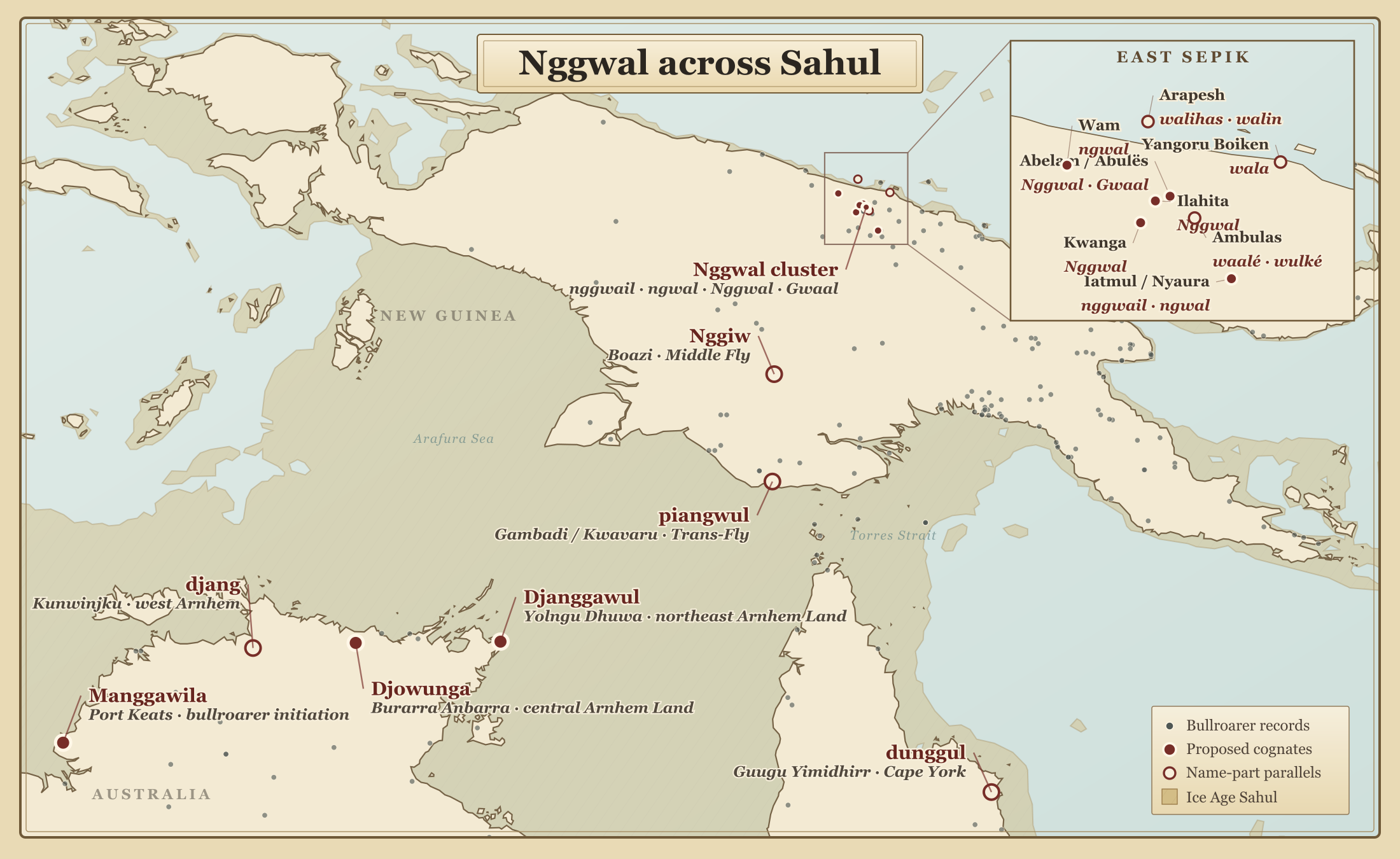
The Australian Seven Sisters rites and the New Guinea Nggwal–Tambaran cult are regional forms of one Sahul initiation system.
In brief
- Australia already gives the accepted skeleton: the Pleiades as women, Orion as pursuer, the sacred board in the sky, Djanggawul women carrying law, Kunapipi women owning the sacred things first, serpent power, and the hidden roar that takes boys away.
- New Guinea preserves the same machinery in denser ceremonial architecture: Kiwai madubu, Boadzi atu gisagaru, Mimi’unemb, Nggwal, Lefin, sosom, giant flutes, slit-gongs, and bullroarers all voice the same dangerous male transformation.
- The invariant is not one exact instrument form. Some groups center the classic bullroarer, some pair it with flutes or amplifying pipes, and some shift the sacred voice to flutes, drums, or slit-gongs while keeping the same swallowing, seclusion, and revelation sequence.
- Documented transfers inside the region—Nggwal into Ilahita, Manggawila into Port Keats, Sosom east to west, ritual rights bought and sold across the Sepik—show the mechanism by which one cult-world spread and localized itself.
Australia already states the system
At Ooldea the Yugarilya sisters are the Pleiades and Nyeeruna is Orion. Across Western Desert tellings, that same male figure follows the same women through the sky. In Central Australia the Pleiades women dance above a young man’s initiation. In the Flinders Ranges they mark the season of malkada. In neighbouring country they govern girls’ seclusion too. The stars are not floating on top of ritual life as a decorative calendar. They are part of the ceremony’s own language.
In Western Australia the dark Milky Way is the sacred board, the board’s shadow, or the bullroarer itself, while the Pleiades stay women and Orion the male line. In the East Kimberley the Wolmeri have Eaglehawk pursue the Pleiades women, and the Lunga have Orion’s Belt as the stick thrown after the bullroarer that broke its string and lodged in the Coalsack. The full grammar is in place: female band, male pressure, hidden board, forbidden knowledge, initiation timing, and the removal of novices from women’s country into men’s business.
In Arnhem Land the Djanggawul sisters carry the sacred property, make the country, and stage the first law. In the neighbouring Wawilak and Kunapipi cycles the serpent becomes the bullroarer’s body and voice, and the senior men still say the sacred things were women’s first. At Port Keats the Murinbata took a bullroarer rite from the Djamindjung and made Manggawila their senior initiation. Australia is not hinting at a system. It is naming one.
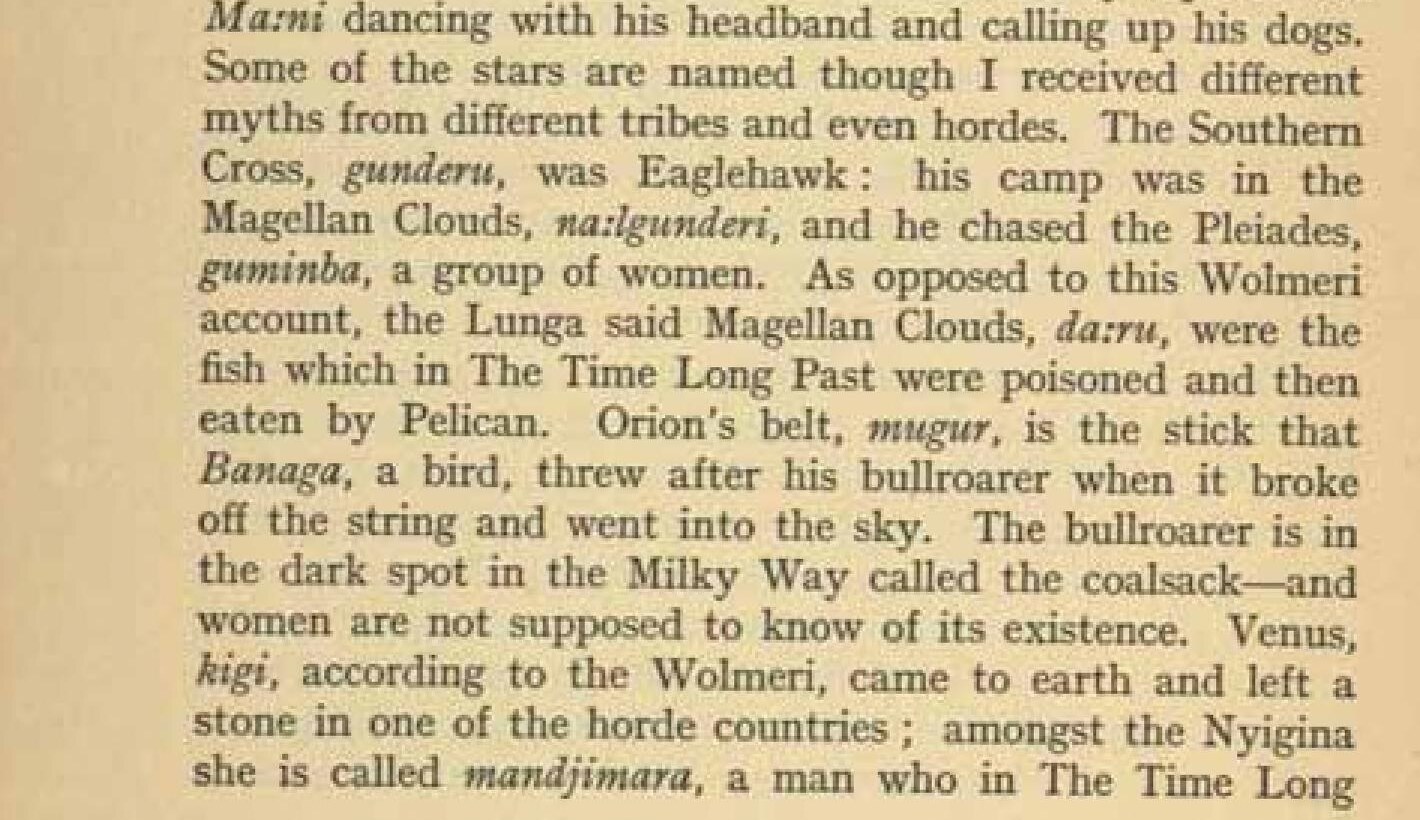
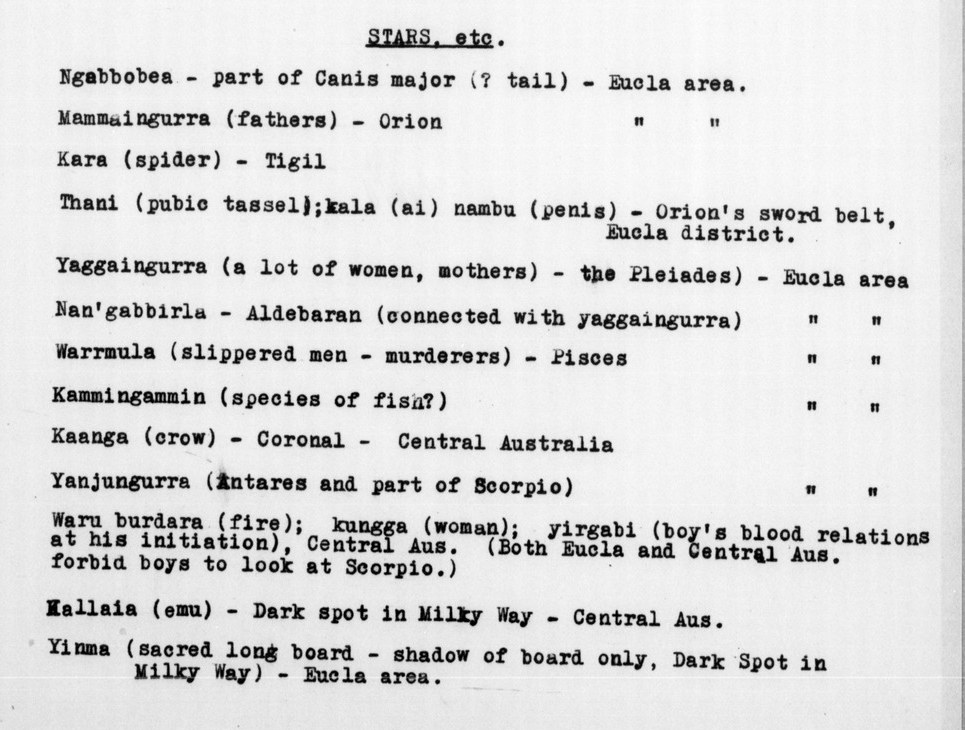
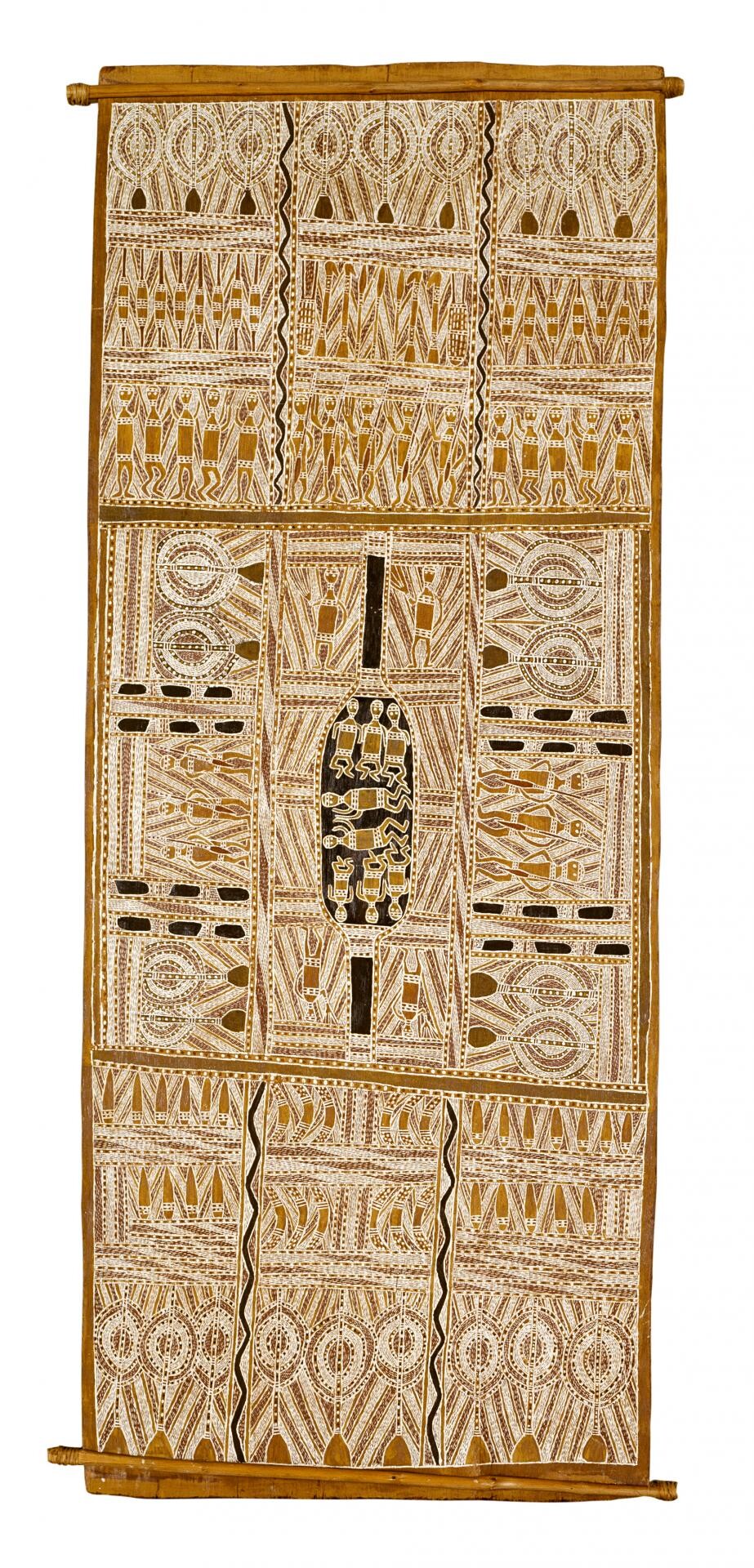
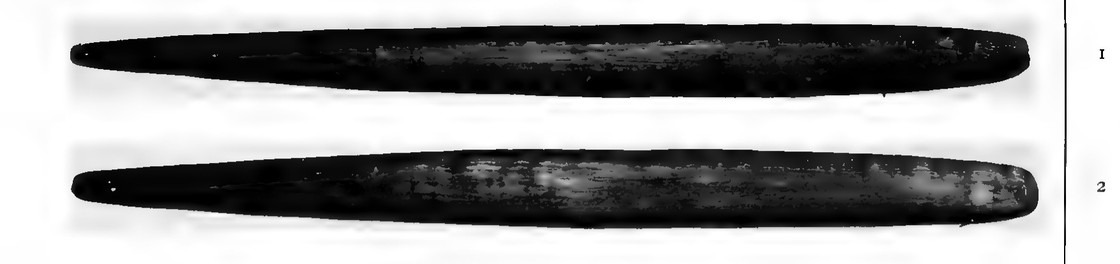
Once the Seven Sisters are inside initiation and the sacred board is in the sky, New Guinea has only to show the same system in another dialect.
Torres Strait separates the names and preserves the continuity
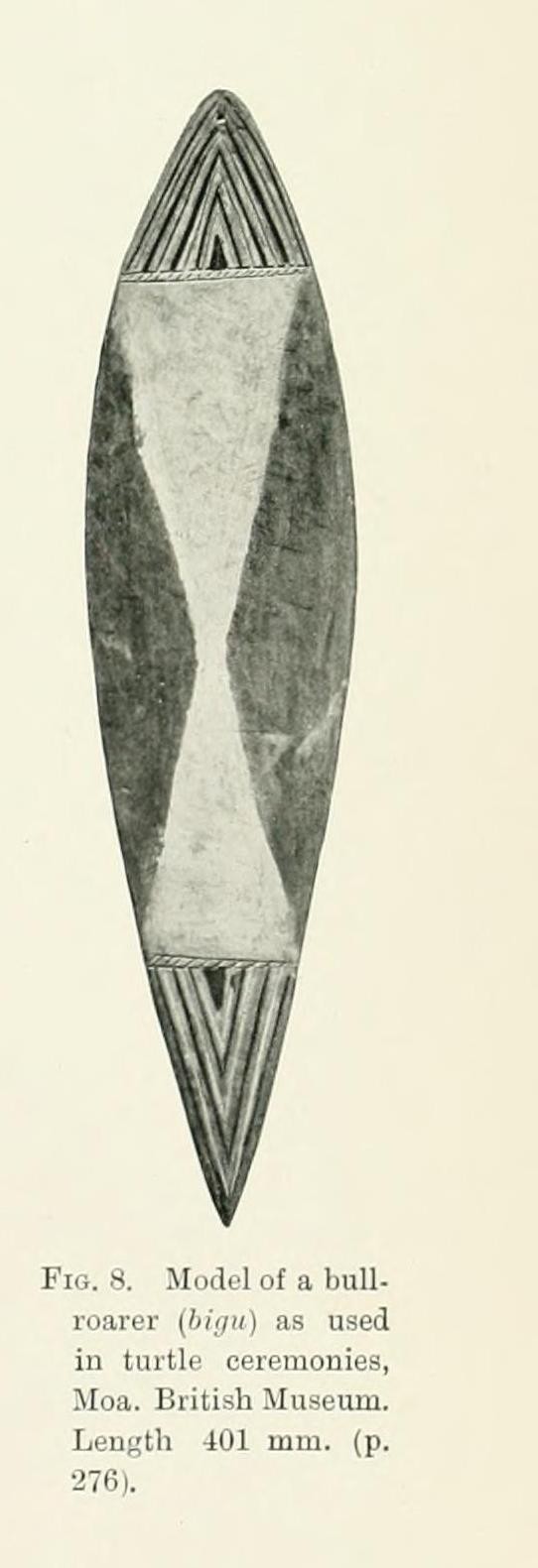
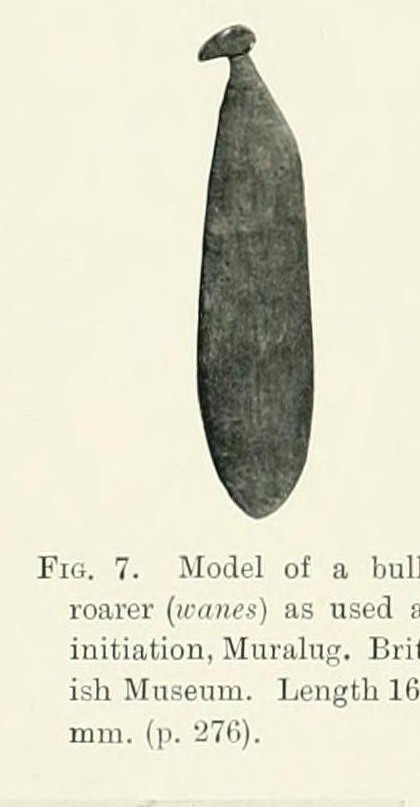
On Mer, in the eastern strait, the rain-making blade is bigo. In the western islands the smaller secret blade shown to novices is wanes, set against the larger bigu. On the Fly the Kiwai instrument is madubu. The words differ. The institution persists: a hidden sounding blade, restricted to men, working in weather, initiation, gardening, or all three.
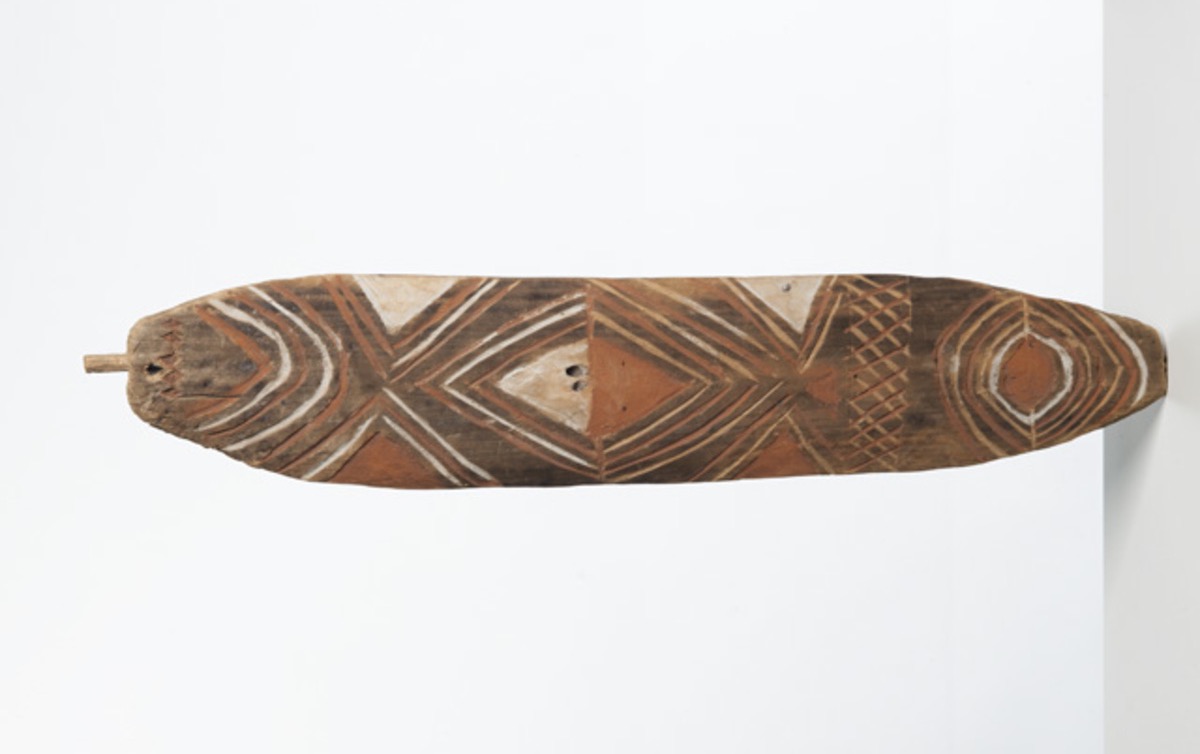
Mer keeps the weather blade. The western islands keep the novice blade. Kiwai’s novice blade is also the garden blade. A little farther inland the Boadzi keep the same object under the cult name atu gisagaru, the voice of the old woman. Torres Strait is not a break in the chain. It is where the chain can be seen link by link.
New Guinea keeps the same machine in heavier form
In New Guinea the elements intensify. At Ilahita in the Sepik foothills the Tambaran gives the novice the Australian experience in heavier form: women excluded, boys removed, sacred sound made out of sight, monstrous beings made present, and a new male status conferred through fear and revelation. The bullroarer is the voice of Lefin, a red-bearded dwarf spirit with huge teeth. Above Lefin stands Nggwal, the cult’s highest power. Beneath them both lies a woman. The cult’s own secret myth says she made the first bullroarer, the board named Mimi’unemb, and the men killed her to keep its voice.
It is the women-first charter of Australia again. There the sisters carry the law and men seize the sacred objects. Here a woman invents the voice and the men murder her for it. The male cult stands on an expropriated female foundation in both places. The difference is density. Ilahita kept the cult-house, the graded initiations, the yam ceremonies, the screens, the roaring instruments, and the secret beings working into the 1970s.
Nor is the voice tied to one device. Across the Tambaran field giant flutes, slit-gongs, bullroarers, and voice-amplifying pipes each bear the ancestral cry. The sacred voice stays hidden, male-controlled, terrifying, and transforming. A travelling initiation system substitutes local instruments. It does not give up the acoustic centre of the rite.
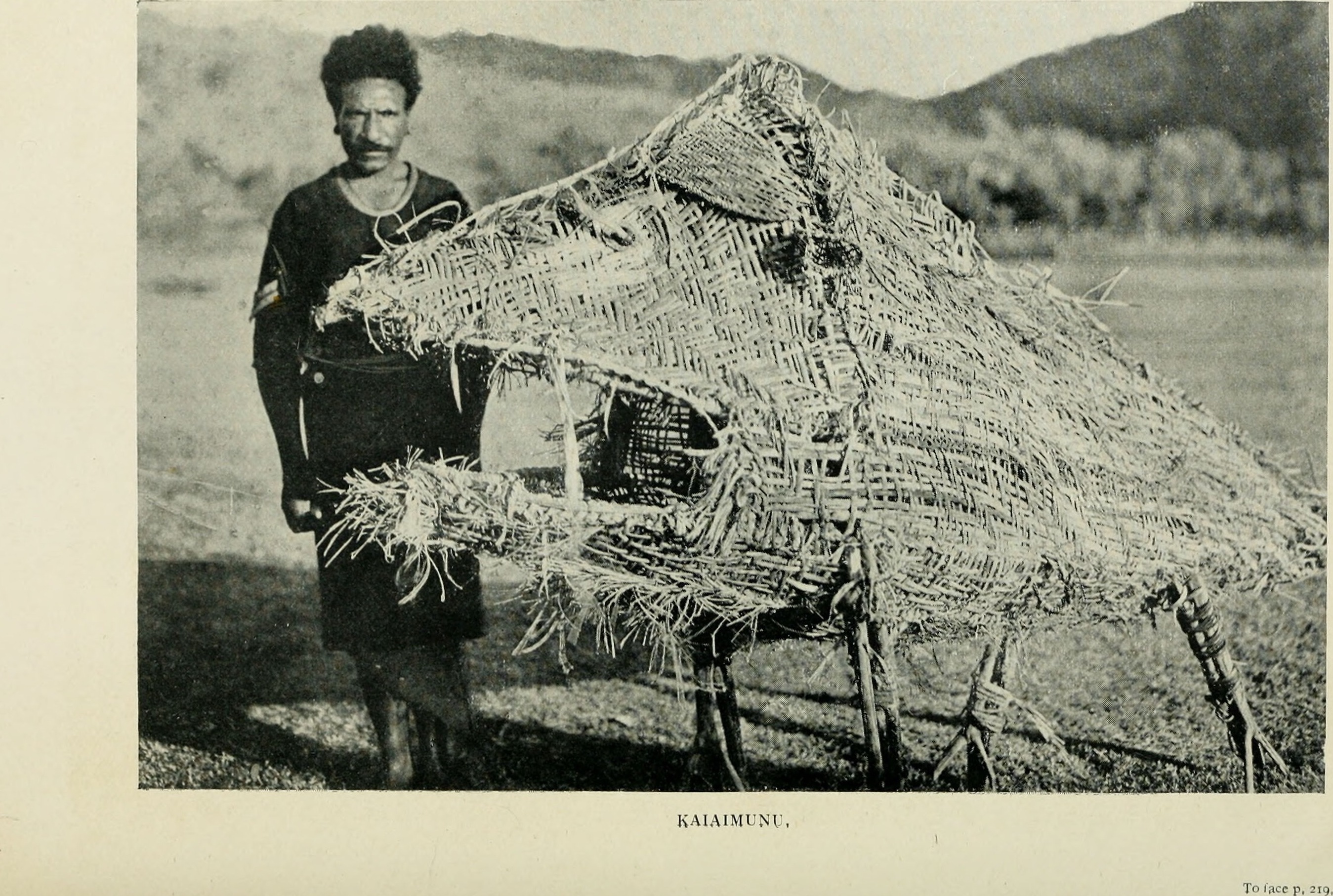
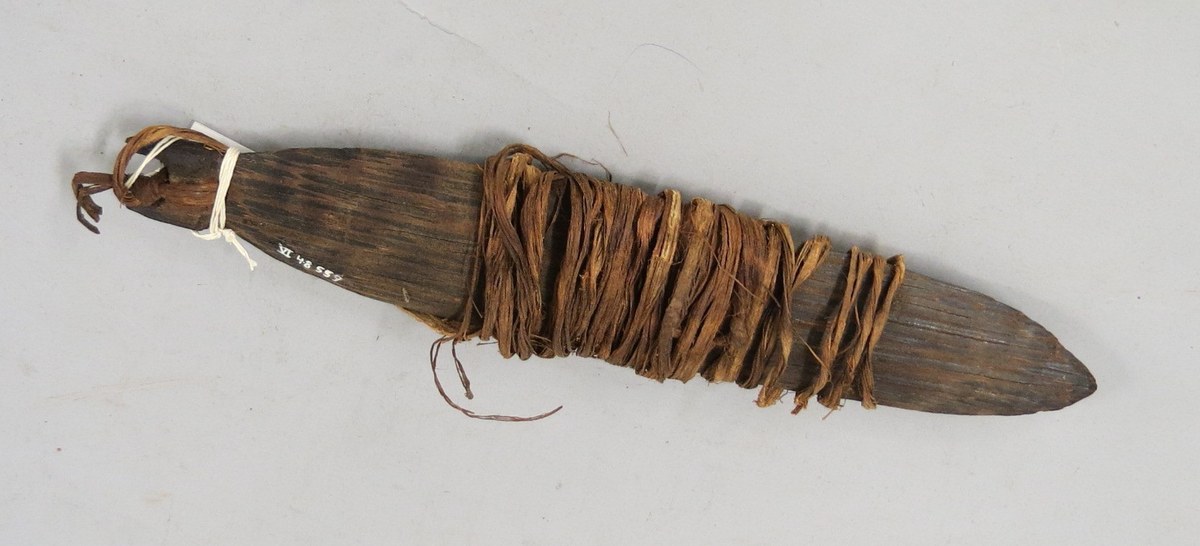
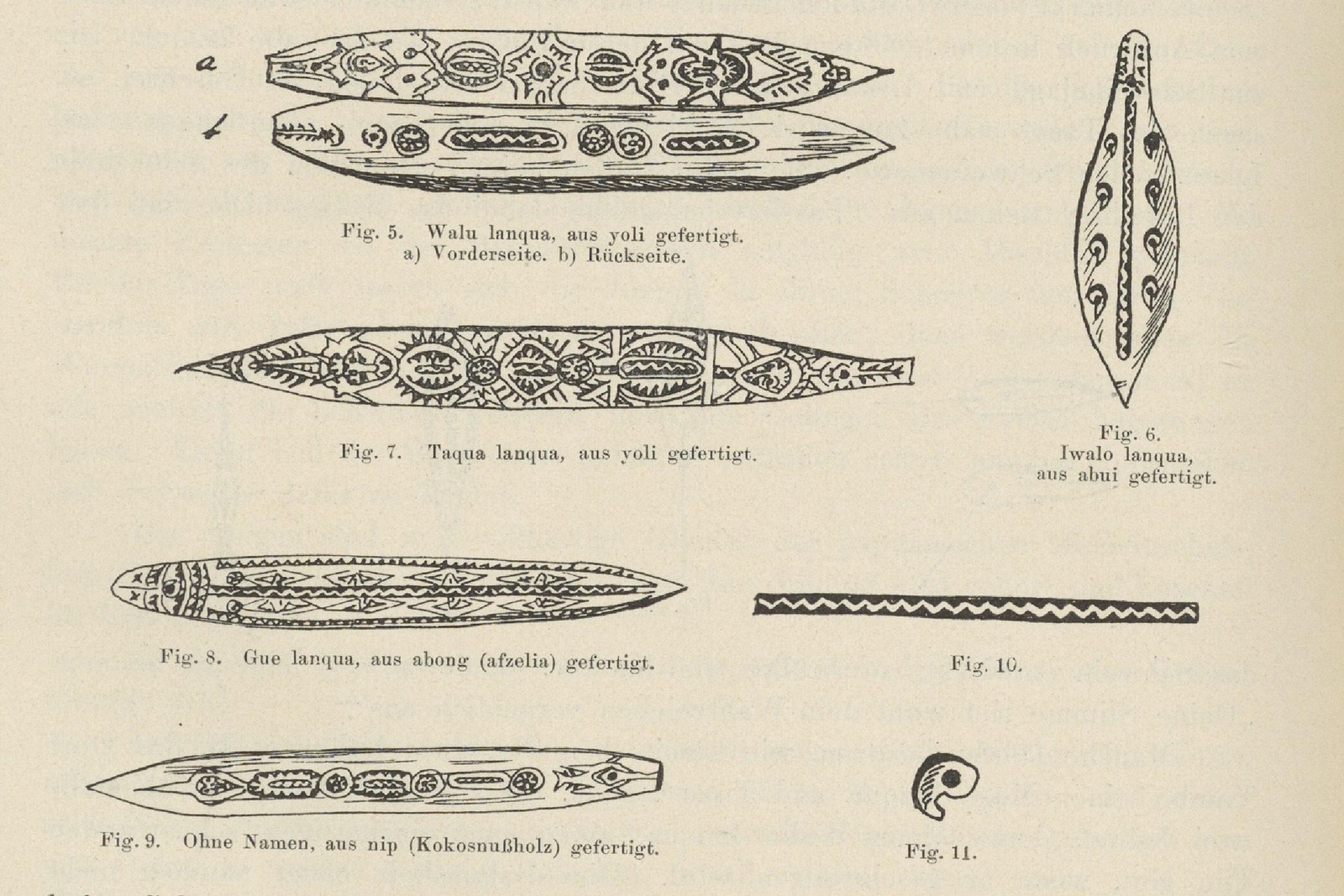
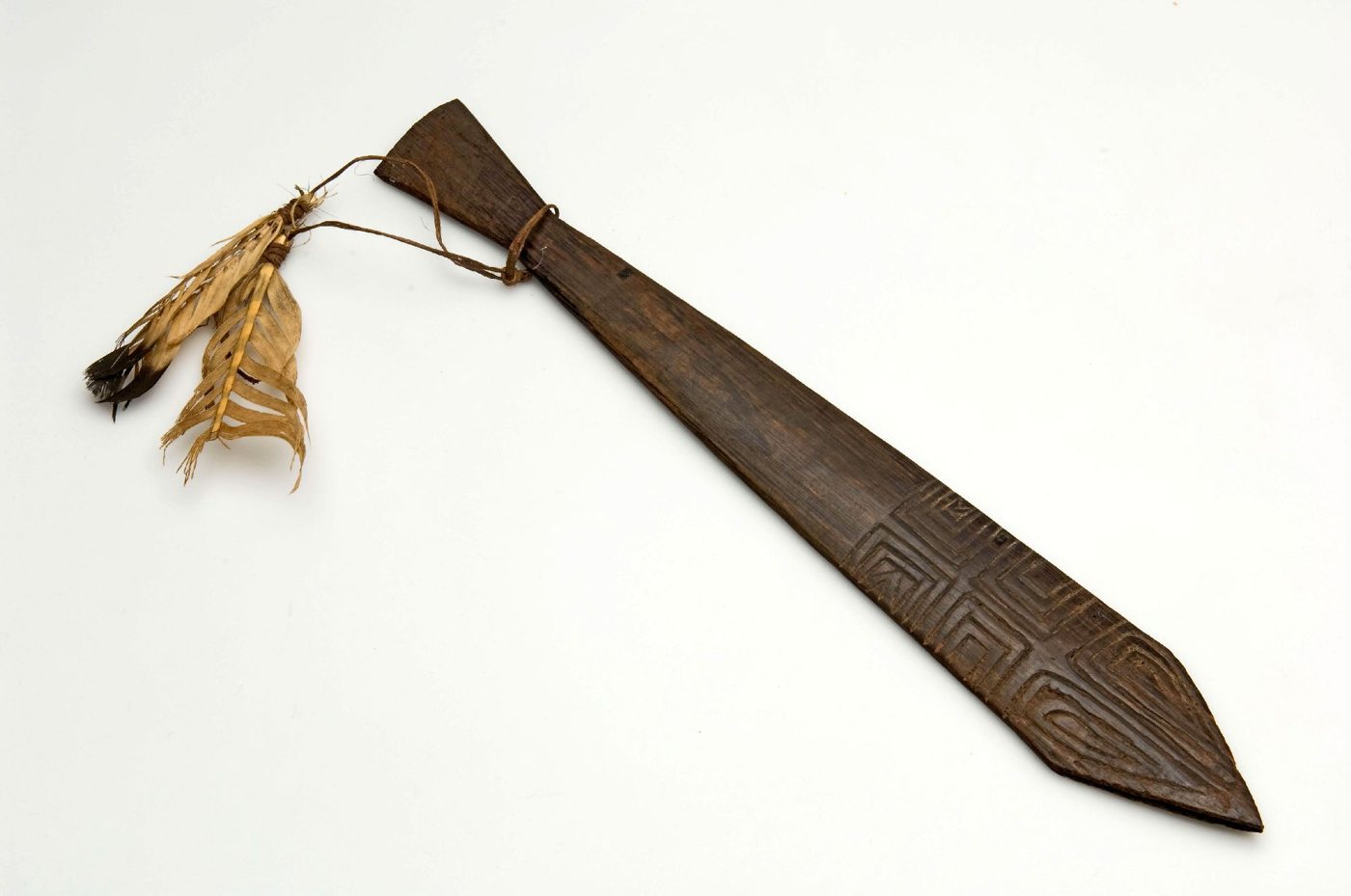
The wider New Guinea field says the same thing repeatedly, but in distinct local idioms. Among the Kiwai the madubu is shown to novices and whirled for yams, while women-first stories attach to the same rite. Among the Boadzi of Lake Murray and the middle Fly the bullroarer is aut, its cult name atu gisagaru, the voice of the old woman. In the Trans-Fly a little bird snatches the first bullroarer from a woman’s body. The complex travels by preserving sequence, not by freezing hardware.
The substitution becomes clearest beyond Sahul. Among the Barasana of the Vaupés, the Pleiades time initiation while sacred flutes and trumpets carry the hidden male voice; the women-first myth and the swallowing-initiation logic remain unmistakable. Vaupés lies an ocean away, and that distance is the point. Change the instrument; keep the stars, the seizure from women, the seclusion, and the rebirth.
The route of spread is visible inside the ethnography
The mechanism of spread is on record. Ilahita remembered Nggwal as a power borrowed from the Middle Sepik. The Abelam and Kwanga used the same name for their highest grade; the Wam had a Tambaran grade called ngwal. Among the Abelam, Anthony Forge watched ritual rights, sacred objects, paraphernalia, and whole ceremonies bought, sold, and leased from village to village, with what he called “virtually perfect transmission of ritual innovations.”
Australia shows the same process. The Murinbata once whirled a spear-thrower on a cord; they learned the bullroarer from the Djamindjung and built the Manggawila initiation around it. In southern New Guinea Paul Wirz traced Sosom moving westward with his ceremony. These are ceremonial loans, deliberate and remembered.
Ooldea and Ilahita are regional forms of one system. Australia keeps the sky-grammar: Seven Sisters, Orion, board, serpent, and summons. New Guinea keeps the house-grammar: graded initiation, hidden voice, swallowing beings, murdered female inventor, portable rights. Each preserved what the other let fade.
One drowned continent, one old initiation world
The scale also fits. New Guinea and Australia were not always separated by the Arafura Sea and Torres Strait. They were the surviving heights of Sahul, joined by plains, rivers, and lakes now drowned. A cult spread across that landmass would later survive as two great edge traditions: one on the Australian side where celestial articulation stayed unusually strong, another on the Papuan side where cult architecture and named spirit grades remained exceptionally thick.
This is exactly what the atlas shows. Bullroarer records crowd both surviving shores. Women-first origin stories crowd both surviving shores. Serpent-linked initiations crowd both surviving shores. Sacred names move within the field. Instruments shift form within the field. The novice is hidden, swallowed, cut, renamed, painted, terrified, and returned within the field. Once the former landmass is kept in view, the Australian and New Guinean evidence stop looking far apart.
Australia and New Guinea preserve one Sahul initiation system, so the Pleiades are not a sky-story accidentally adjacent to the bullroarer. It is one exposed branch of the same institution. The sisters, the pursuer, the serpent, the swallowed novice, the stolen female power, and the hidden sacred sound belong together because they were built to work together.
From Ooldea to Ilahita
The Australian Seven Sisters rites and the New Guinea Nggwal–Tambaran cult are regional forms of one Sahul initiation system.
Australia keeps the sky open above the rite: the female band in the Pleiades, the male pressure in Orion, the sacred board in the dark Milky Way, the serpent and the Mother in the law, the summons and hidden roar on the ground. New Guinea keeps the house closed around the same rite: the murdered female inventor, the ancestral voice behind screens, the swallowing monster, the graded men’s cult, the portable names, the transferable rights, and the same terrifying passage out of childhood.
Those are not parallels assembled after the fact. They are two surviving regional surfaces of one old initiation world. Ooldea gives the sisters in the sky. Ilahita gives Nggwal in the cult-house. Sahul supplies the continent that held them together.
Key sources
- Trevor M. Leaman and Duane W. Hamacher, “Aboriginal Astronomical Traditions from Ooldea, South Australia, Part 1: Nyeeruna and the Orion Story”, and Dianne Johnson, “Interpretations of the Pleiades in Australian Aboriginal Astronomies”, for Ooldea, the Seven Sisters distribution, and the initiation timing of the cluster.
- Phyllis M. Kaberry, Aboriginal Woman: Sacred and Profane (1939), p. 12, together with Daisy Bates’s Broome and Eucla manuscripts and Ernst Worms’s Western Australian materials, for the regional chain joining pursued women, Orion, and the celestial sacred board.
- Ronald M. Berndt, Djanggawul: An Aboriginal Religious Cult of North-Eastern Arnhem Land (1952), and Kunapipi: A Study of an Australian Aboriginal Religious Cult (1951), with James A. Davidson on Mathaman Marika, for the distinction between Djanggawul female founders and the neighboring Mother-cult bullroarer-serpent complex.
- W. E. H. Stanner, On Aboriginal Religion, especially pp. 142–147 and 159–160, for the Murinbata adoption of the bullroarer and the rebuilding of Manggawila around it.
- A. C. Haddon, Reports of the Cambridge Anthropological Expedition to Torres Straits, vol. V, pp. 217–219, 330–352, and vol. VI, pp. 194–198, with Gunnar Landtman on Kiwai, for the corridor linking bigo, wanes, bigu, and madubu.
- Donald F. Tuzin, The Voice of the Tambaran (1980), for Lefin and the walop named Mimi’unemb; Unity in Duality (1973), pp. 279–281, for Nggwal as a borrowed cult term, and p. 358 (Appendix E, no. 4) for the woman who made the first bullroarer and was killed for it.
- Anthony Forge, “The Power of Culture and the Culture of Power,” in Style and Meaning (2017), pp. 143–145, for the sale and lease of Abelam ritual complexes and the “virtually perfect transmission of ritual innovations” between Abelam villages.
- K. A. Gourlay, “Sound-Producing Instruments in Traditional Society of Papua New Guinea” (1975), pp. 69–85; Jan van Baal, Dema (1966), esp. pp. 267–268, 480–485, and 590–595; and F. E. Williams on Purari and Trans-Fly rites, for women-first origin myths, atu gisagaru, balum, sosom, and the swallowing machine across New Guinea.
- Stephen Hugh-Jones, The Palm and the Pleiades, especially pp. 62–66, 69–102, and 134–161, for the wider principle that a Pleiades-marked initiation complex can shift its hidden voice into flutes and trumpets without changing its ceremonial grammar.