The Seven Sisters and the First Mystery · II of VII
When the Sisters Call
Central Australia · the Flinders Ranges · Ooldea · the Western Desert · Western Australia
A winter sky clears over the inland, and seven bright women climb out of the east. They are not decoration. They are the signal that boys will be cut, hidden, taught, frightened, starved, painted, shown the sacred boards, and sent back changed. In some countries the sisters dance over the novice. In others they rise when the old men call the camps together. In others still they share the sky with Orion the pursuer, with the fathers, with the sacred board, with the dark patch in the Milky Way where the hidden instrument lives.
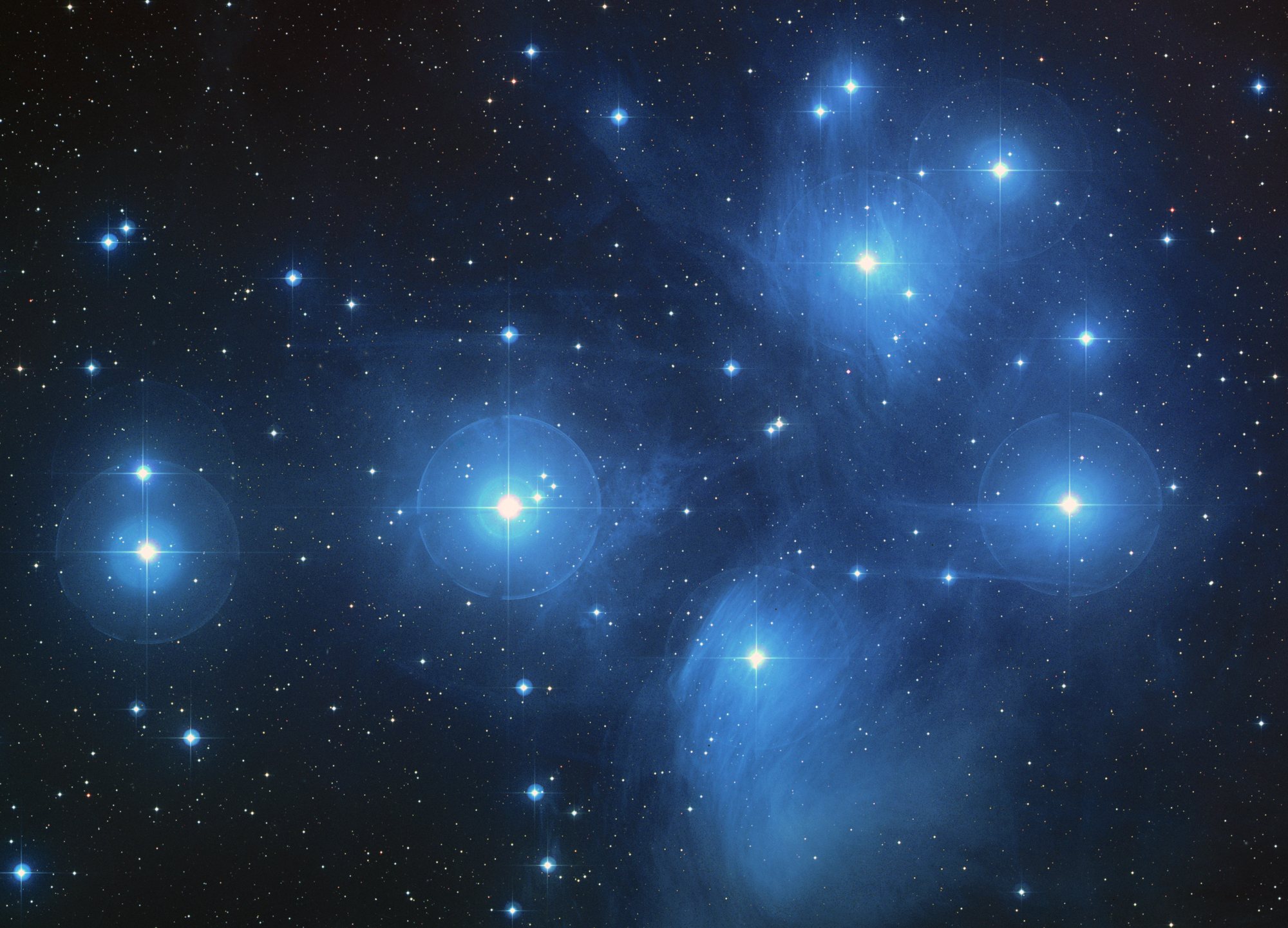
Across Australia, the Seven Sisters did not merely mark the initiation season; they called novices into ceremony and watched over their transformation.
In brief
- Among the Arrernte the Pleiades are the tracks of a band of girls, and their rising with the frost is the season of the boys’ circumcision; in the Finke Gorge the rocks were made by the feet of the Pleiades women as they danced.
- From the Flinders Ranges west, the rising Pleiades open both boys’ and girls’ initiations: Adnyamathanha malkada for the boys, the Andagarinja seclusion drama for the girls.
- At Ooldea and across the Western Desert, the sisters are Yugarilya or Kungkarungkara, pursued by Nyeeruna or Nyiru in Orion; that chase is not a side-story but the sky-face of the male ceremonial world.
- In Western Australia the same world carries the hidden board into the sky: Orion, the Pleiades, the Coalsack, and the sacred bullroarer-board belong to one connected ceremonial grammar, argued at length in The Bullroarer in the Coalsack.
- What spreads across the continent is not a naked star tale. It is a full initiation package: sisters, pursuer, secret instrument, gendered exclusion, and the remaking of the novice.
The sky that opens ceremony
The first thing the Seven Sisters do in Australian initiation is keep time. Their heliacal and evening risings come in the cold season, precisely when large ceremonial gatherings were held across inland and southern Australia. They keep time the way a bell does, by calling people in. The sisters do not merely happen to be up when initiations occur. Their appearance is the moment the hidden business may begin.
At Ooldea, on the western edge of South Australia, the Yugarilya sisters are pursued by Nyeeruna in Orion. In the Flinders Ranges the cluster’s rising marks the Adnyamathanha boys’ rite, malkada. Far to the west, among Andagarinja women at Yalata and Indulkana, a Seven Sisters drama is performed during the girls’ seclusion. The same stars summon both sides of the sexual division: the men’s cutting and teaching, the girls’ confinement and emergence.
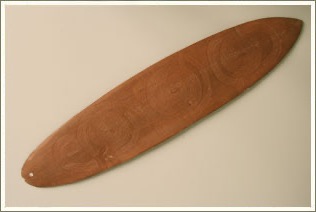
The rising is a command: to assemble, to segregate, to warn women and children away, to begin the food restrictions, to lay out the ground, and to bring the sacred things out of hiding. Everywhere the Pleiades touch initiation, they do it as actors inside the rite.
The Arrernte put the sisters over the knife
Among the Arrernte (Aranda), Carl Strehlow was told, the Pleiades are the tracks of a band of girls, and their rising brings the frost: the season when the boys were circumcised. In the Finke Gorge the rocks were made by the feet of the Pleiades women as they danced. The dancing women in the sky and the boy under the knife belong to one season and one event.
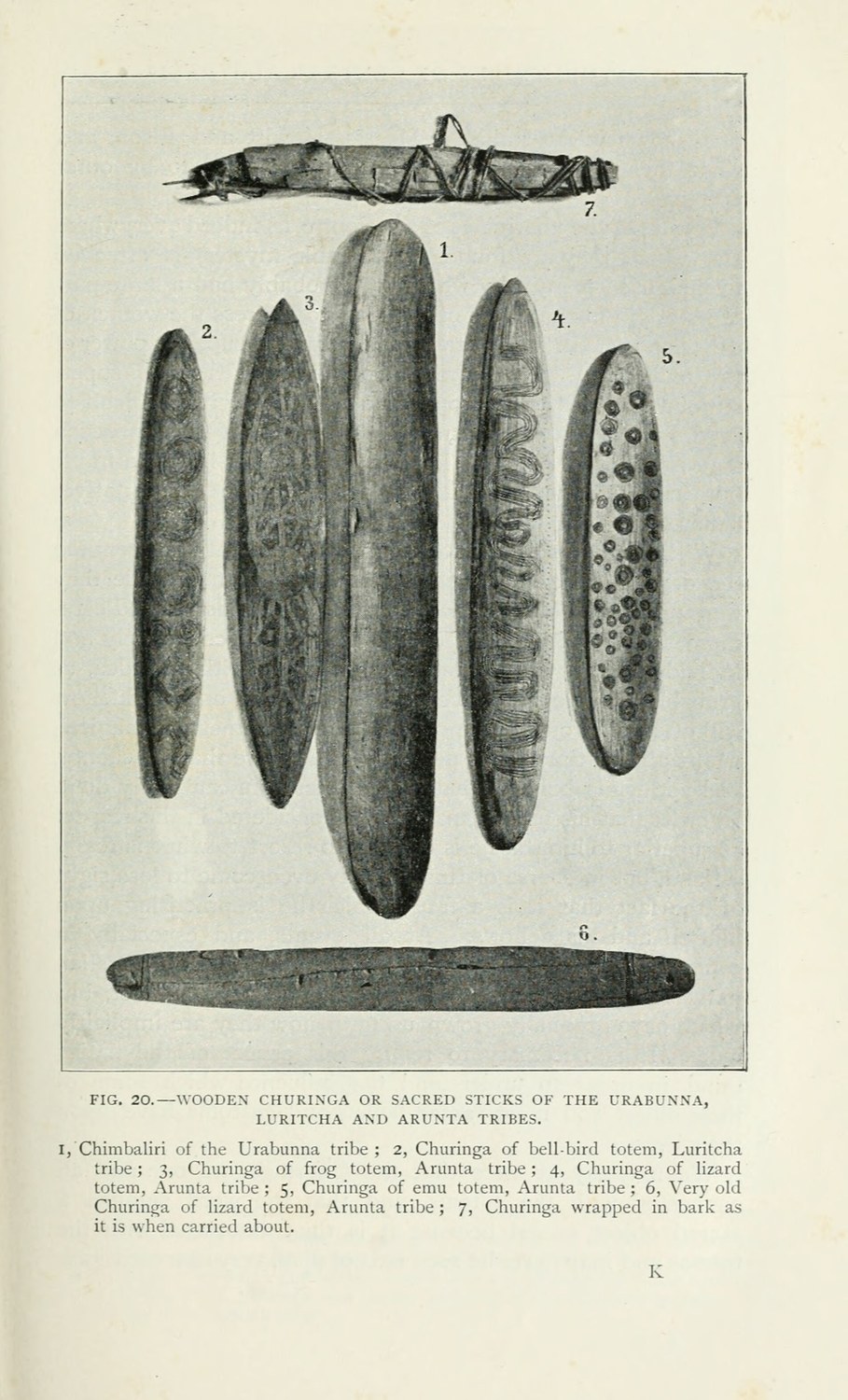
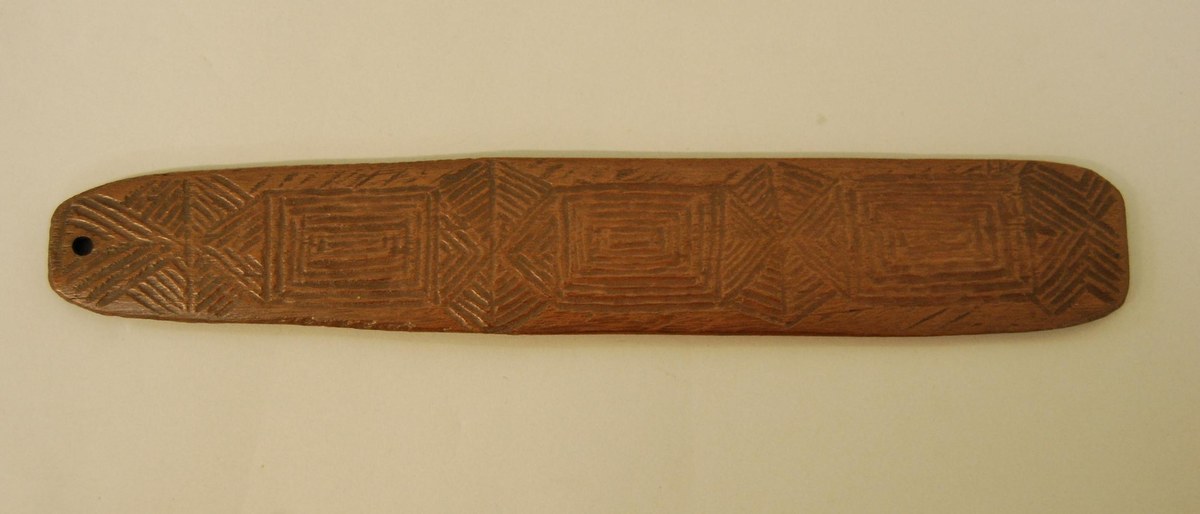
Spencer and Gillen provide the rest of the Arrernte machinery. The smaller bored wooden churinga, the churinga irula, are the bullroarers proper. Women and uninitiated men are excluded from them on pain of blinding or death. At circumcision their roar is said by women and children to be the voice of the great spirit Twanyirika coming to take the boy away. The boy is being removed from one condition and remade in another, and the unseen roar tells the camp it is happening now.
Sacred boards, the roar, and the Pleiades women above the camp lock together. The sisters are built into the staging of the novice’s death and return.
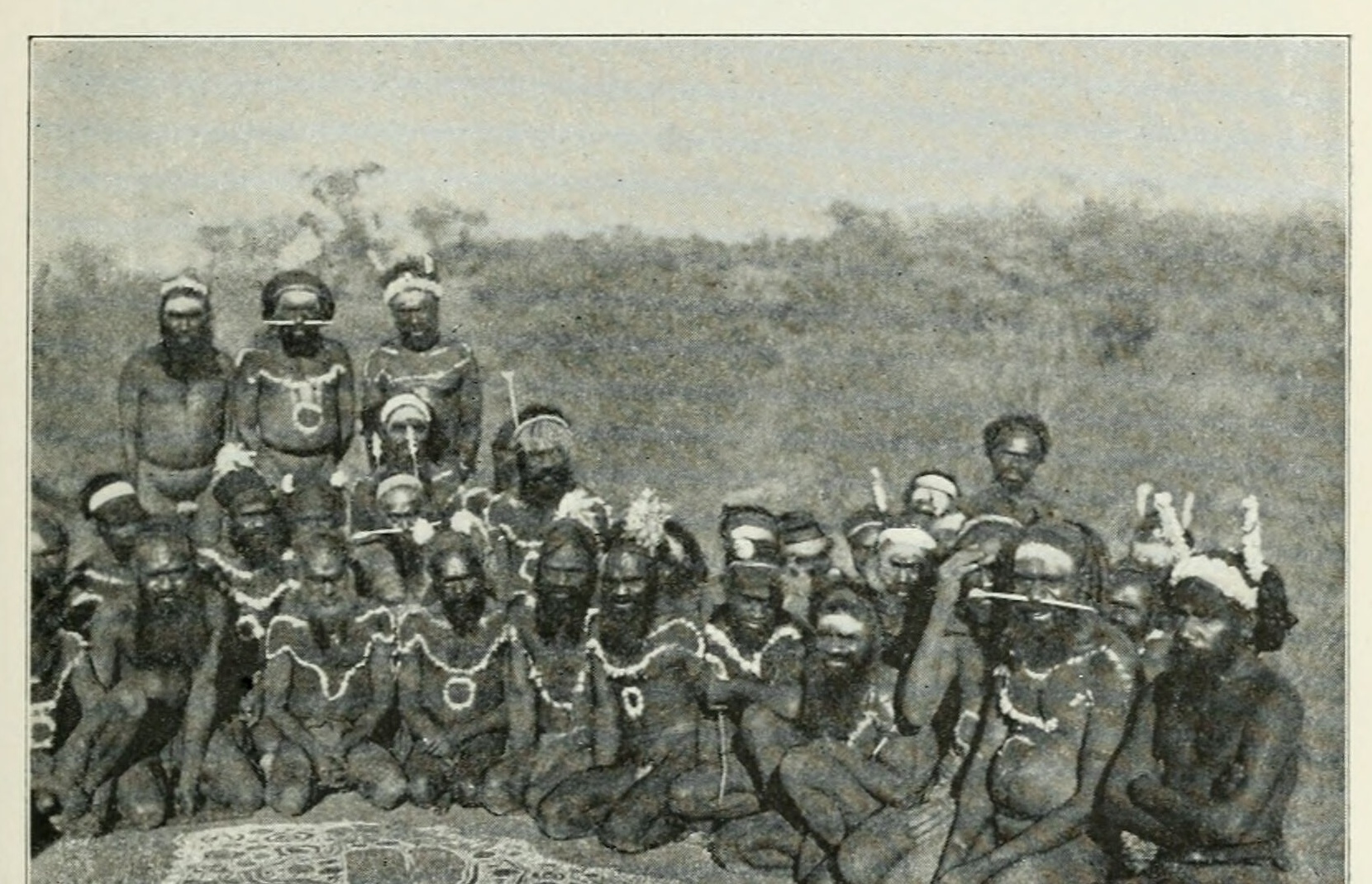
From the Flinders Ranges west, the sisters start both sexes of initiation
In the Flinders Ranges, among the Adnyamathanha, the rising of the Pleiades marks the season of malkada, the boys’ initiation. Among the Andagarinja women of Yalata and Indulkana a Seven Sisters drama is performed during the girls’ initiation and seclusion. The same cluster governs male and female thresholds across the desert.
That double use matters because initiation is always about controlled separation. Boys are taken from mothers and hidden with men. Girls are secluded from ordinary traffic and remade under women’s discipline. For both rites to answer to the same female star-group means the cluster had become a continent-level sign of threshold, not merely a male badge or a women’s story. The sisters stand over the passage itself.
In Central Australia the sisters watch the novice. In the Flinders they open the boys’ season. In the west they enter the girls’ drama. At Ooldea and farther west they are the pursued women with Orion behind them. Timing, surveillance, performance, and pursuit: one ceremonial syntax in different dialects.
Ooldea and the Western Desert keep Orion on the sisters’ track
At Ooldea the story reaches its classic form. The Yugarilya sisters are the Pleiades. Nyeeruna is Orion. He pursues them endlessly, his desire frustrated, his body written in the stars, his right hand the red star Betelgeuse flaring with fire magic as he closes on them. Across the Western Desert the women are Kungkarungkara and the pursuer is Nyiru in Orion or in Orion’s Belt.
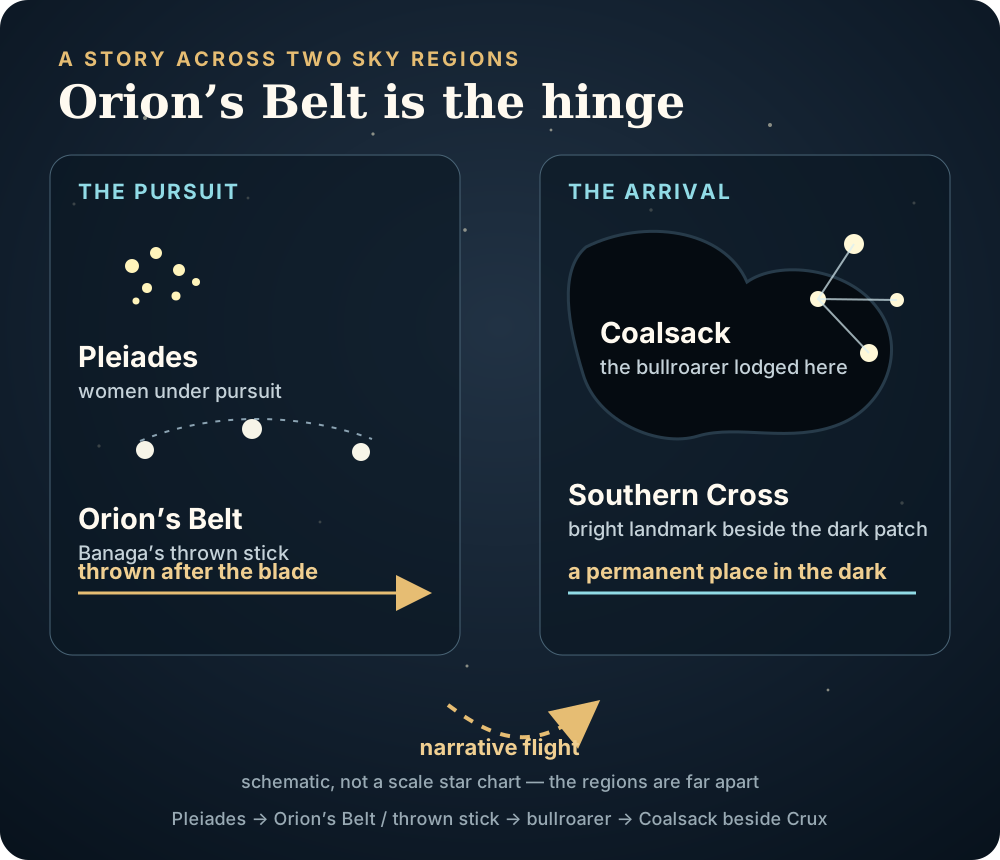
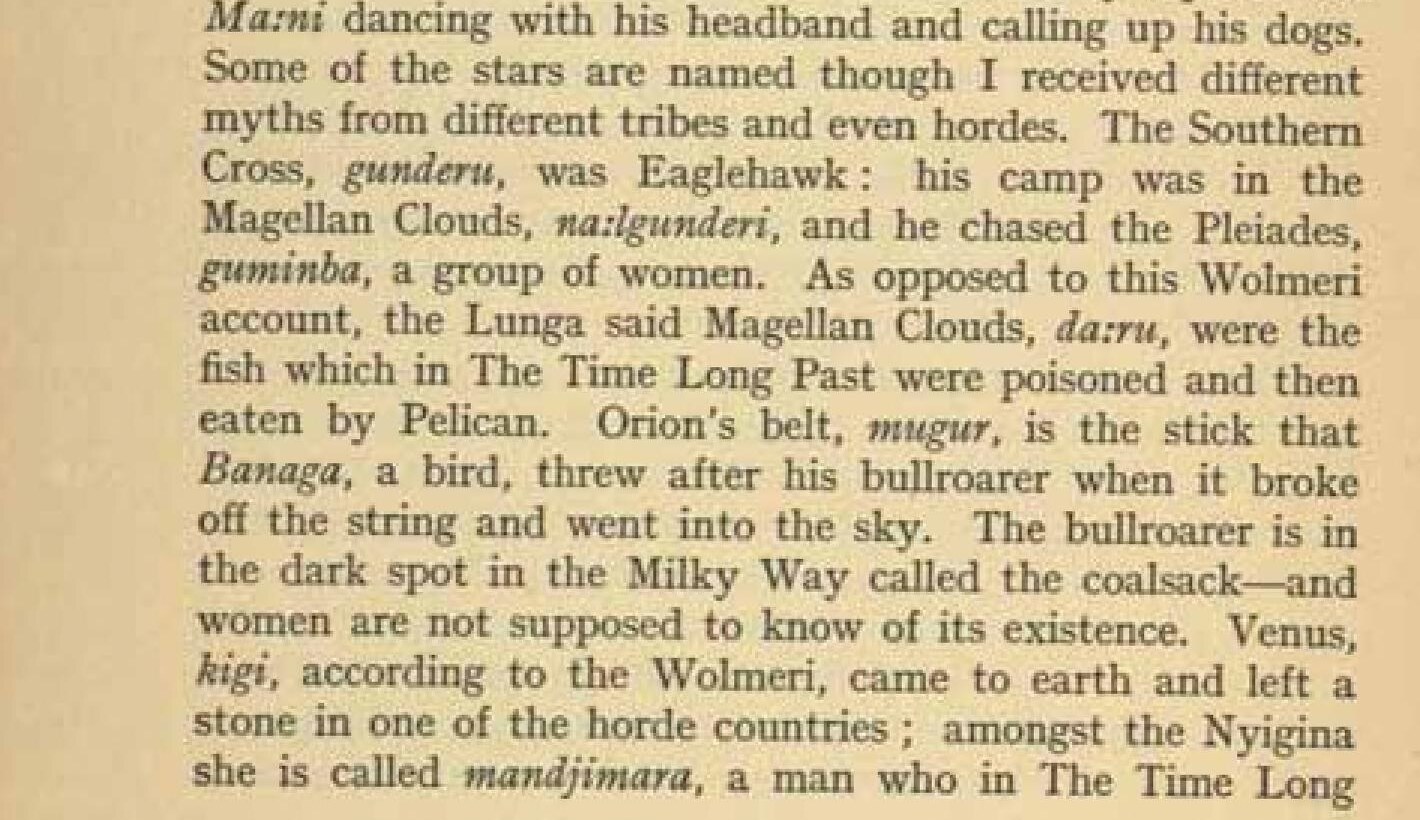
Initiation is gendered pursuit made sacred. Men take the boys from the women, and the roar of the hidden instrument tells the camp the male side has them. At Ooldea the pursuit is enacted in male initiation. Among the Arrernte the roar chases novices and drives women and children away. Among the Lunga Orion’s Belt is the stick thrown after the runaway bullroarer. Among the Ngadadjara the Pleiades women travel with the makers of a great board in the Milky Way. Each tradition keeps a different joint of the same machine.
Among the Arrernte at Hermannsburg, Géza Róheim heard how the namatuna was whirled in initiation to chase the novices, and all night to frighten away the women and children. At Gerard on the Murray, decades later, the South Australian Museum recorded a bullroarer message sent from Jalukari. The instrument does not only sound inside the sacred ground. It calls people toward it.
Western Australia carries the sisters into the dark board sky
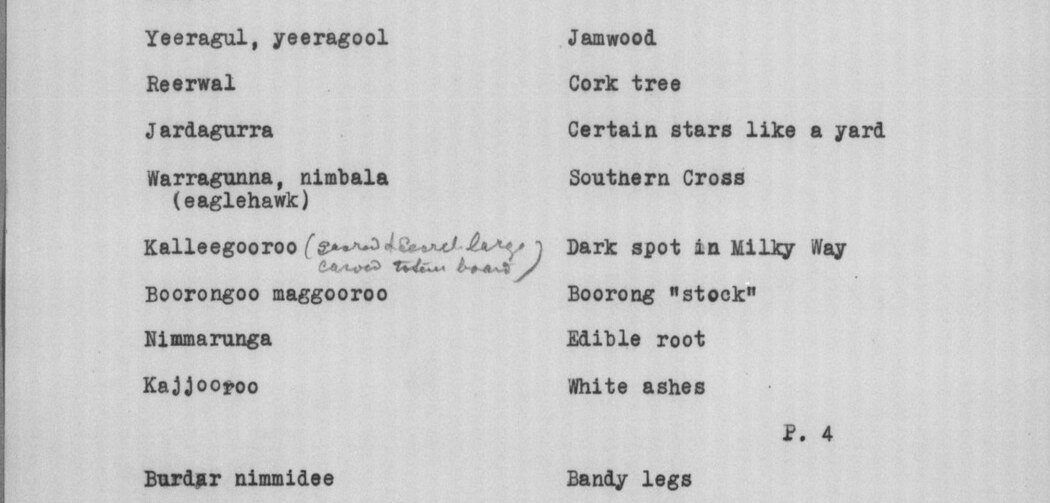
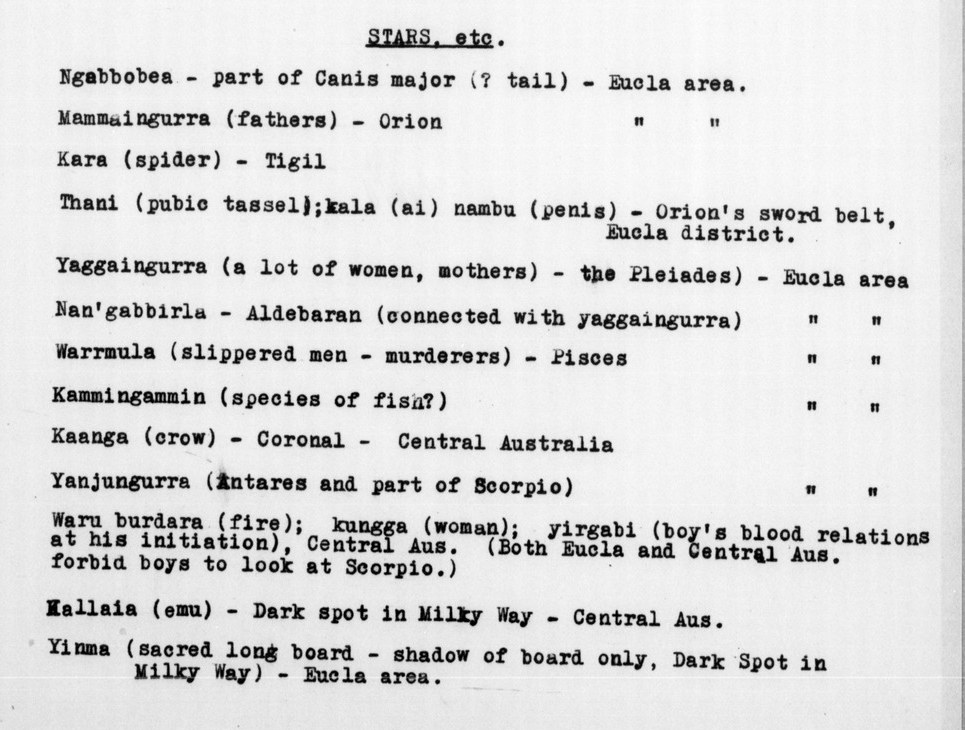
In the west the sacred board goes into the sky. Billingee at Broome gave Bates the Pleiades as beering, “our sisters,” and the dark patch in the Milky Way as Kalleegooroo, a sacred and secret carved board; Leeberr made that dark place and showed the way up to it. At Eucla the Pleiades are Yaggaingurra, a lot of women, mothers; Orion is Mammaingurra, the fathers; and the dark patch is the shadow of the yinma, the sacred long board. In the Warburton Ranges the Wati Kutjara make a great totem board in the Milky Way on a journey with the Pleiades women.
Sisters, Orion, fathers, sacred board, and dark sky-place share one vocabulary. The full western chain is laid out in The Bullroarer in the Coalsack. Once the Pleiades sit on the same page as the sacred board in the sky, this is no longer a tale of girls and a hunter. It is the initiation apparatus entire.
The sisters belong to the whole initiation complex
The Pleiades are not seven women in a storybook sky. They are the female cluster that rises when initiations are due, dances over the novice in Arrernte country, governs boys’ initiation in Adnyamathanha country, enters girls’ initiation drama in Andagarinja country, flies ahead of Orion at Ooldea and across the Western Desert, and reappears in Western Australia beside the sacred board hidden in the dark Milky Way. A single ceremonial machine is visible through all those placements.
That machine has stable moving parts. There is a female line in the sky, almost always the Pleiades. There is a male line pursuing or counterposed to it, often Orion or Orion’s Belt. There is a hidden sounded object, whether explicitly the bullroarer or the larger sacred board that lives in the same family of restricted things. There is a period of separation, secrecy, and transformation on the ground. And there is a rule of exclusion: women and children hear the roar, see the stars, and are told what those sounds mean from outside the men’s side of the camp.
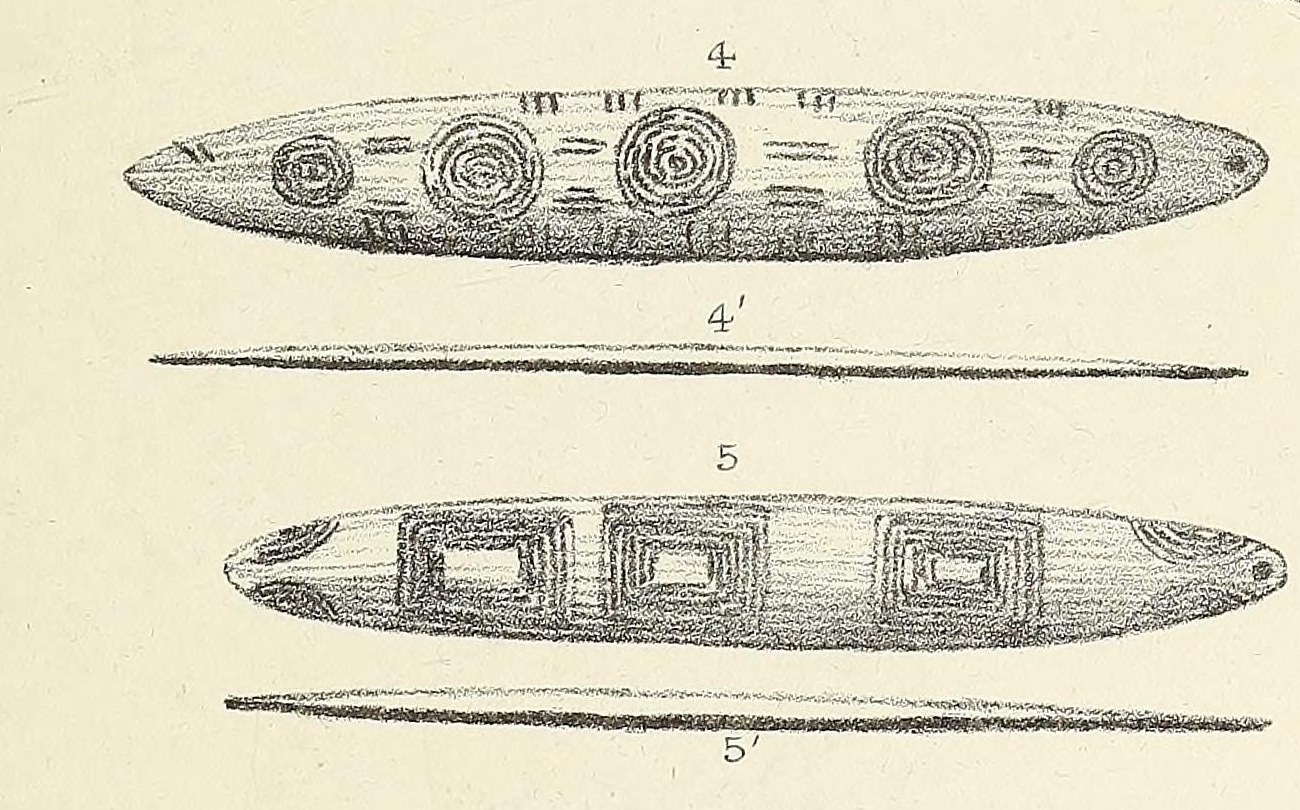
Australia alone shows that the Pleiades and the secret sound-maker belong together inside an initiation religion. The sisters summon the rite, the pursuer keeps pressure on them in the sky, the hidden instrument voices the male side of the mystery, and the novice is remade between them.
Across Australia, the Seven Sisters did not merely mark the initiation season; they called novices into ceremony and watched over their transformation.
Key sources
- Carl Strehlow, Die Aranda- und Loritja-Stämme in Zentral-Australien I (1907), pp. 23–24, for the Pleiades as the girls’ tracks and the frost season of circumcision, via Dianne Johnson, Night Skies of Aboriginal Australia, p. 85; Isobel White (1975) for the Finke Gorge rocks and the Andagarinja women’s Seven Sisters ceremony, via Dianne Johnson, “Interpretations of the Pleiades in Australian Aboriginal Astronomies”, Proceedings of the International Astronomical Union 7.S278 (2011), pp. 293–294.
- Baldwin Spencer and F. J. Gillen, The Native Tribes of Central Australia (1899), especially pp. 128, 143, 246 for churinga secrecy, the bored wooden bullroarers, and the roar as the voice of Twanyirika.
- Dianne Johnson, “Interpretations of the Pleiades in Australian Aboriginal Astronomies” (2011), especially pp. 293–294 for Adnyamathanha malkada, the Andagarinja girls’ rite, and the Australian distribution of Orion-pursuit tellings.
- Trevor M. Leaman and Duane W. Hamacher, “Aboriginal Astronomical Traditions from Ooldea, South Australia, Part 1: Nyeeruna and the Orion Story”, Journal of Astronomical History and Heritage 17.2 (2014), pp. 180–194.
- Roslynn D. Haynes, “Dreaming the Stars”, in Explorers of the Southern Sky (1996), p. 16 for the Pitjantjatjara Kungkarungkara and Nyiru (Njiru) in Orion’s Belt.
- Phyllis M. Kaberry, Aboriginal Woman: Sacred and Profane (1939), p. 12 for the Wolmeri Pleiades pursued by Eaglehawk and the Lunga Orion’s Belt as the stick thrown after the bullroarer in the Coalsack.
- Daisy Bates, Billingee of Broome and Joogan/Ngoombal vocabulary from Billingee, for Kalleegooroo in the dark Milky Way and the Pleiades as sisters.
- Daisy Bates, Eucla star notes, for Orion as the fathers, the Pleiades as mothers, and the dark patch in the Milky Way as the shadow of the yinma.
- Norman B. Tindale, “Legend of the Wati Kutjara, Warburton Range, Western Australia”, Oceania 7 (1936), pp. 169–185; and Dianne Johnson, Night Skies of Aboriginal Australia: A Noctuary, p. 169, for the great totem board made during the journey with the Pleiades women.
- Géza Róheim, The Eternal Ones of the Dream (1945), pp. 27 and 109–110 for the namatuna in initiation, chasing the novices and frightening away women and children.