A series in seven essays
The Seven Sisters and the First Mystery
Wherever the bullroarer sounds, the Pleiades are watching. The sisters rise, the season turns, and the boys are taken. These essays trace that pairing through Australia, New Guinea, Amazonia, Greece, and the Americas, and make the case that star, voice, and rite left the Ice Age together.
Begin with the flagship essayThe reading path
-
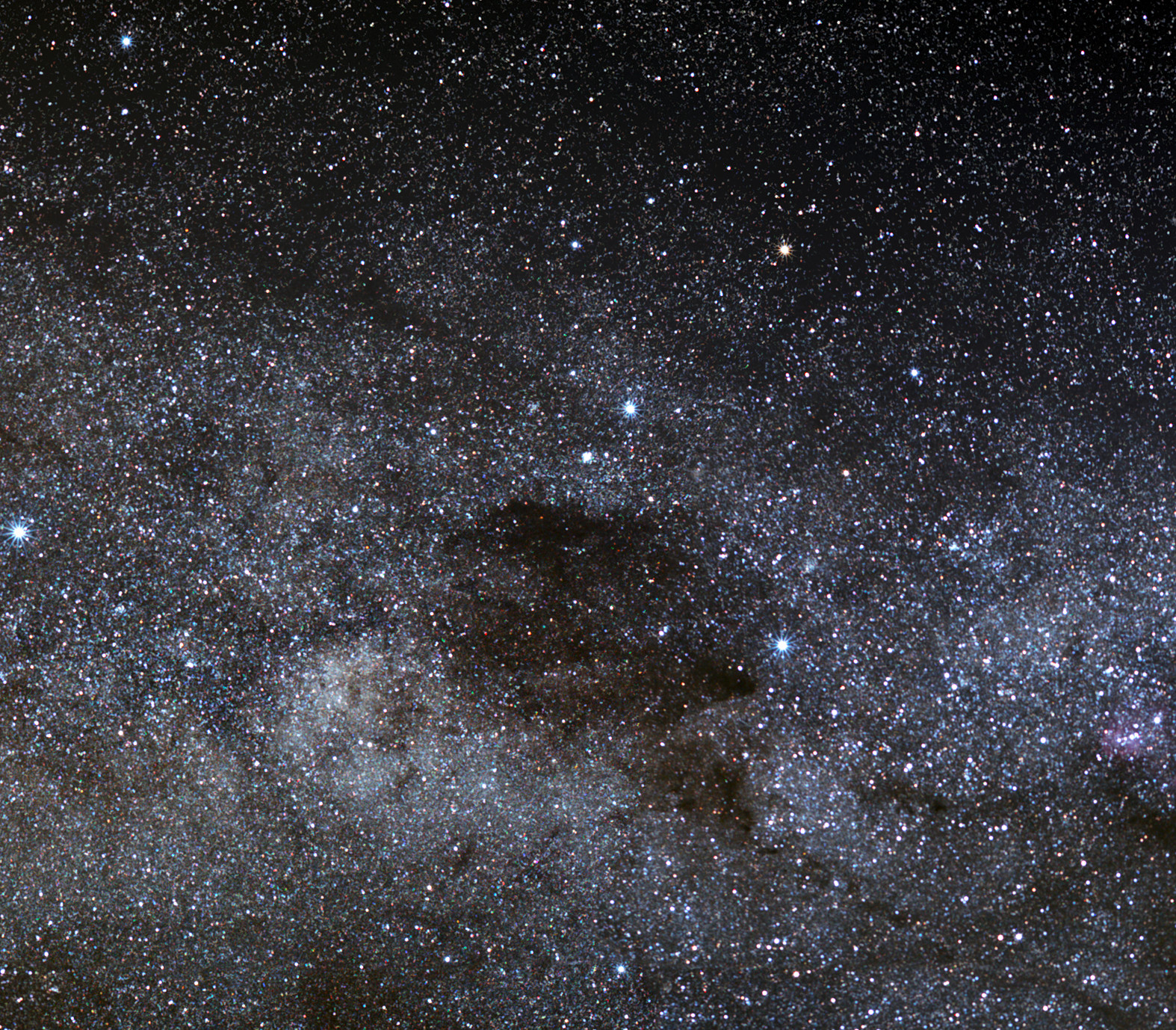 September 3, 2026
The Seven Sisters and the Voice in the Dark
The Seven Sisters and the bullroarer belong to one ancient initiation complex: the Pleiades are the celestial novice-band, Orion is the pursuing male power, and the hidden roar gives transformation a voice on earth.
Read the essay →
September 3, 2026
The Seven Sisters and the Voice in the Dark
The Seven Sisters and the bullroarer belong to one ancient initiation complex: the Pleiades are the celestial novice-band, Orion is the pursuing male power, and the hidden roar gives transformation a voice on earth.
Read the essay →
-
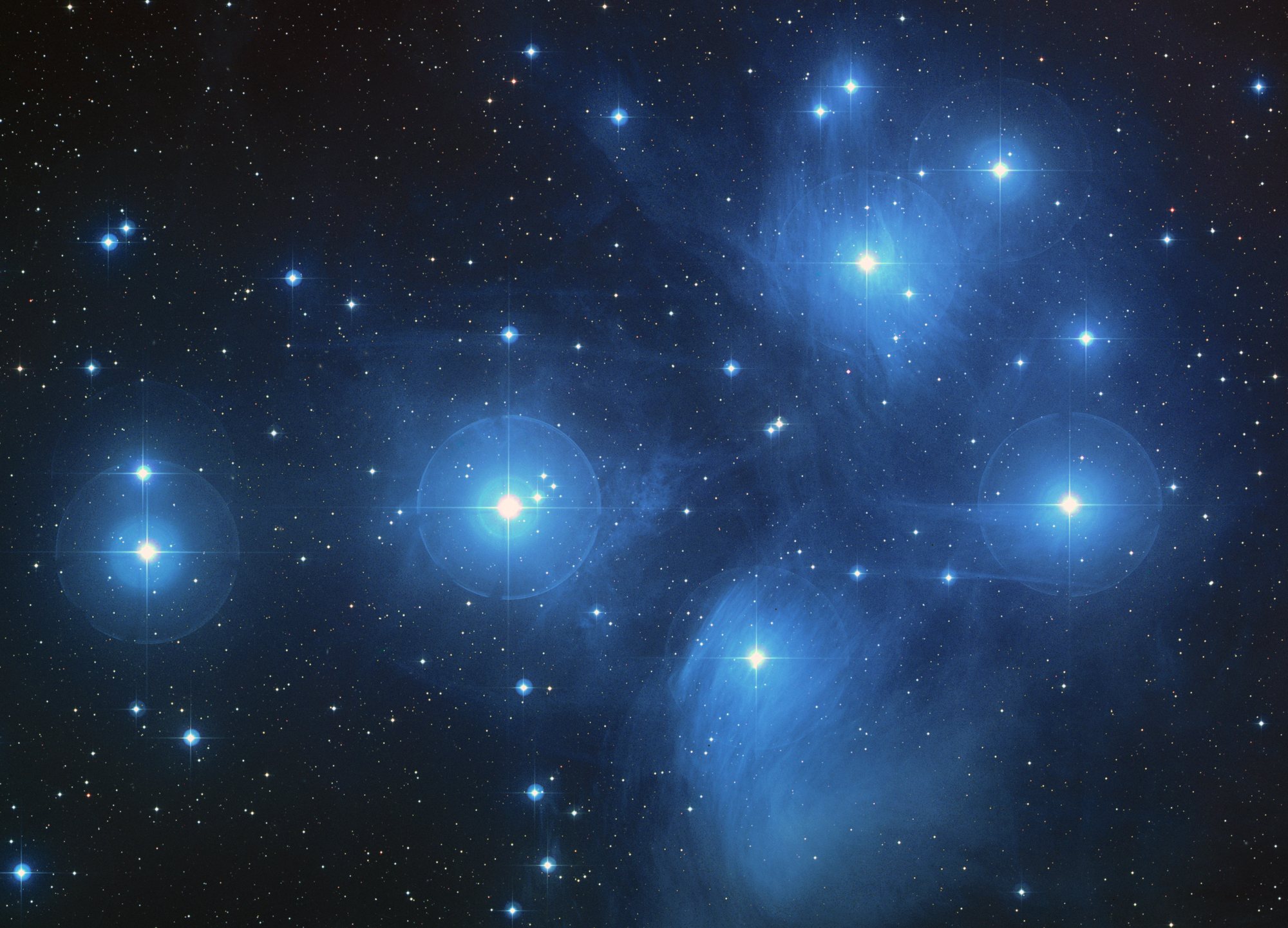 September 3, 2026
When the Sisters Call
Across Australia, the Pleiades did not only announce initiation time. The Seven Sisters called novices into ceremony, while Orion, the bullroarer, and the dark Milky Way carried the same mystery-complex across the continent.
Read the essay →
September 3, 2026
When the Sisters Call
Across Australia, the Pleiades did not only announce initiation time. The Seven Sisters called novices into ceremony, while Orion, the bullroarer, and the dark Milky Way carried the same mystery-complex across the continent.
Read the essay →
-
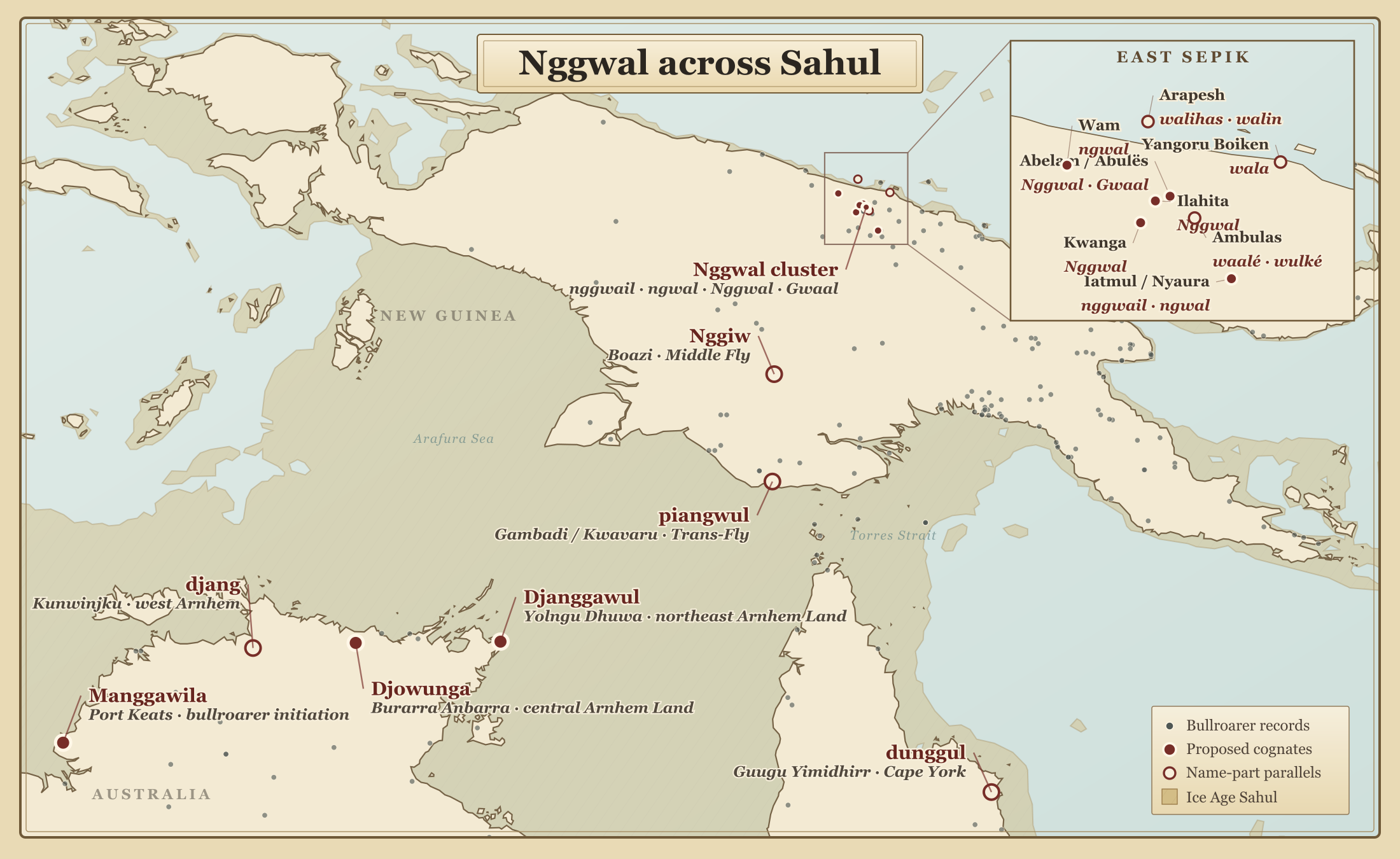 September 3, 2026
From Ooldea to Ilahita
The Australian Seven Sisters rites and the New Guinea Nggwal–Tambaran cult are regional forms of one Sahul initiation system.
Read the essay →
September 3, 2026
From Ooldea to Ilahita
The Australian Seven Sisters rites and the New Guinea Nggwal–Tambaran cult are regional forms of one Sahul initiation system.
Read the essay →
-
 September 3, 2026
The Palm and the Pleiades
In northwest Amazonia the Pleiades set the year while ancestral palms speak: Yurupari preserves the stolen-voice initiation complex in a flute-and-trumpet form.
Read the essay →
September 3, 2026
The Palm and the Pleiades
In northwest Amazonia the Pleiades set the year while ancestral palms speak: Yurupari preserves the stolen-voice initiation complex in a flute-and-trumpet form.
Read the essay →
-
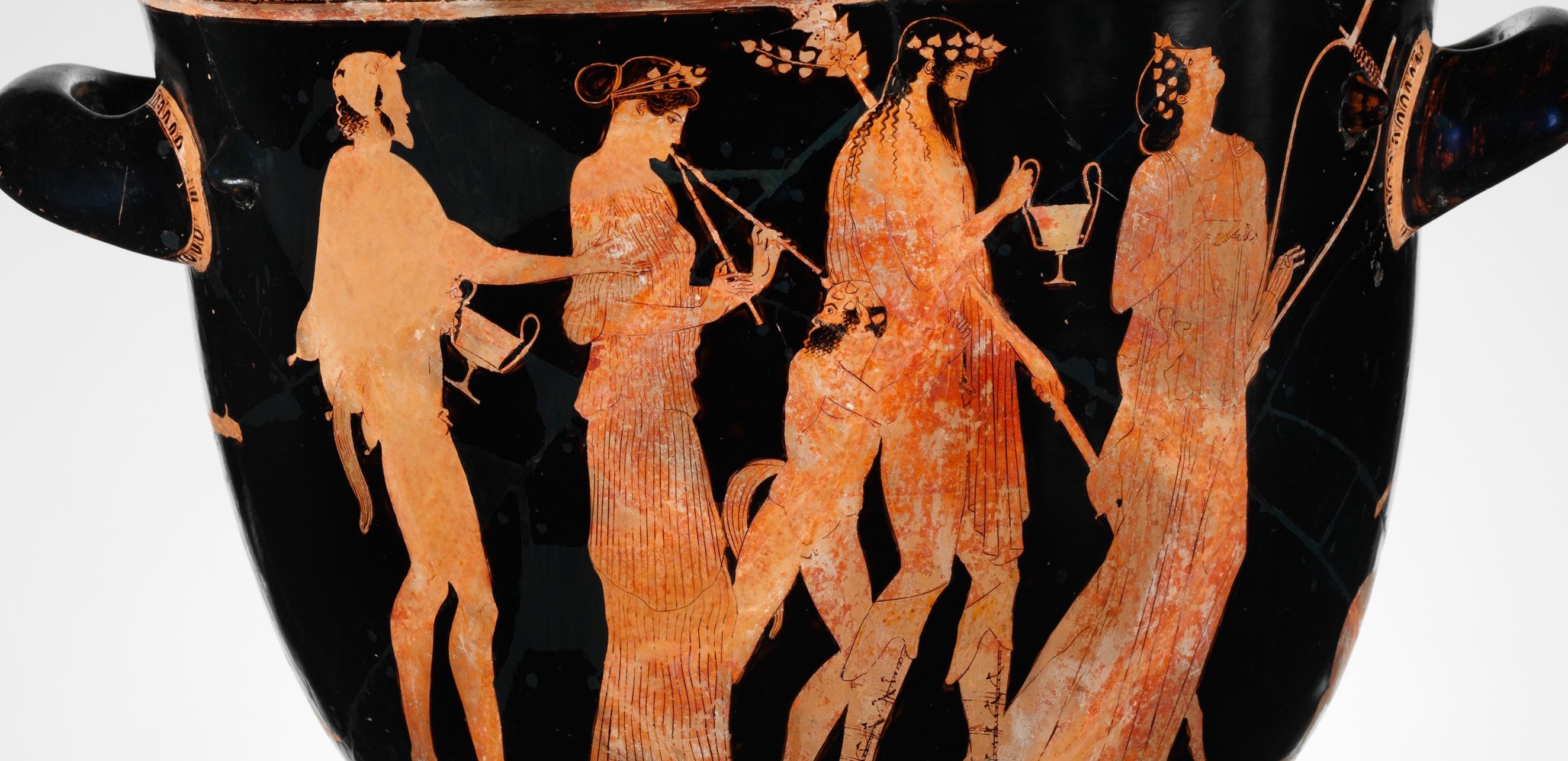 September 3, 2026
The Daughters of Atlas and the Roaring God
Greek myth keeps the Seven Sisters, the star-nurses of Dionysus, the women’s mysteries, and the bullroarer in one surviving Mediterranean chain.
Read the essay →
September 3, 2026
The Daughters of Atlas and the Roaring God
Greek myth keeps the Seven Sisters, the star-nurses of Dionysus, the women’s mysteries, and the bullroarer in one surviving Mediterranean chain.
Read the essay →
-
 September 4, 2026
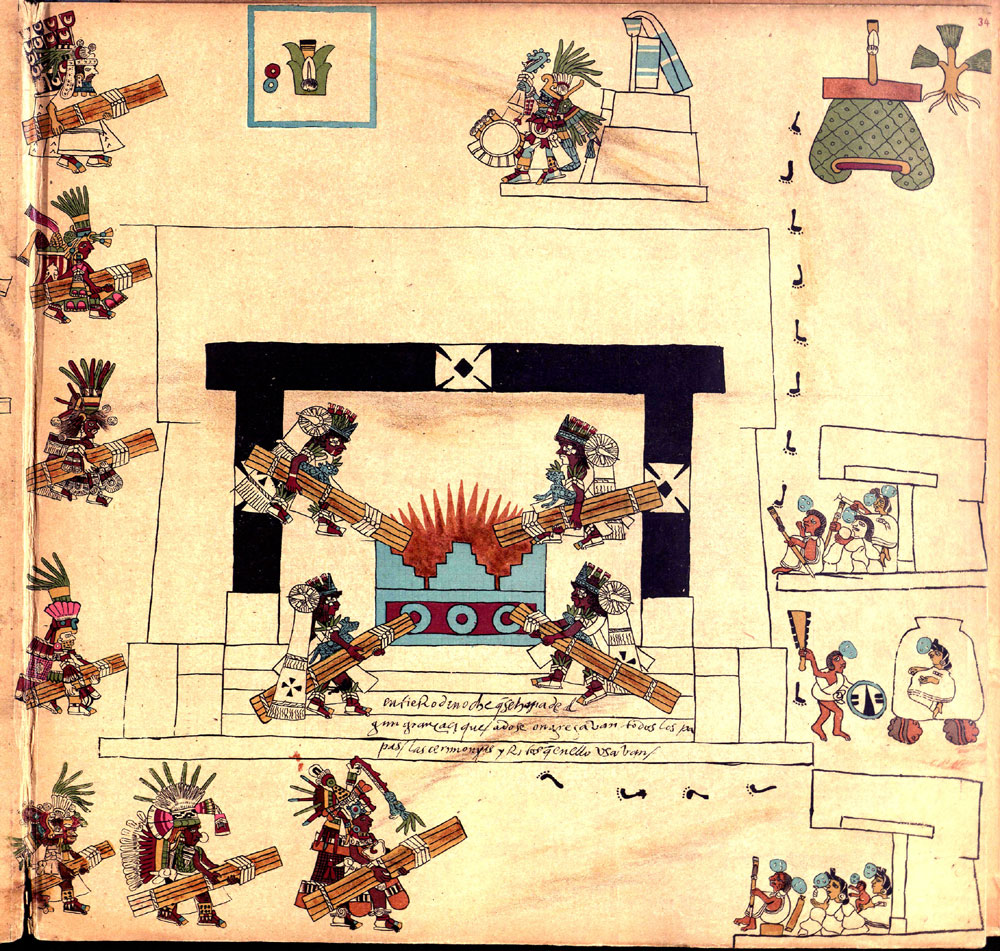
When the Stars Open the Lodge
The Pleiades belong to the initiation complex: across continents, their movements govern the remaking of people and the renewal of the world.
Read the essay →
September 4, 2026
When the Stars Open the Lodge
The Pleiades belong to the initiation complex: across continents, their movements govern the remaking of people and the renewal of the world.
Read the essay →
-
 September 3, 2026
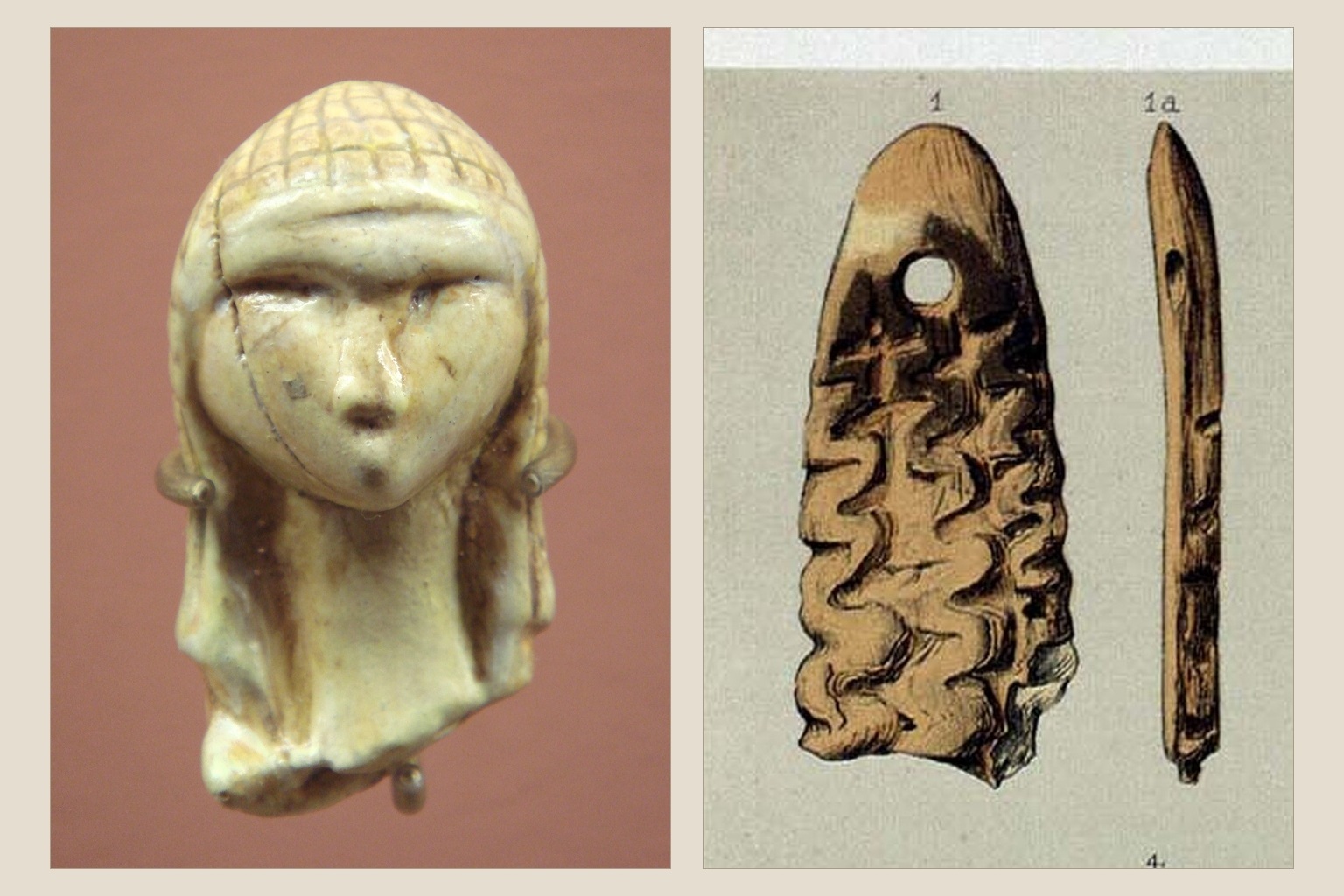
The First Mystery
The Pleiades–Orion chase and the hidden ancestral voice belonged to the initiation complex carried through the Upper Paleolithic world; the Gravettian record preserves its European instruments, while living traditions preserve its ceremony.
Read the essay →
September 3, 2026
The First Mystery
The Pleiades–Orion chase and the hidden ancestral voice belonged to the initiation complex carried through the Upper Paleolithic world; the Gravettian record preserves its European instruments, while living traditions preserve its ceremony.
Read the essay →