Atlas Essay —
The Bullroarer in the Coalsack
Bardi country · Broome · East Kimberley · Weld Range · Eucla
Beside the Southern Cross hangs a black shape made out of missing light. European sailors called it the Coalsack. Across Western Australia it is a bullroarer. On Bardi country the creator Djamar swings his galaguru until the hair-string breaks and the blade flies up into that darkness. In the East Kimberley the bird Banaga throws his stick after a runaway bullroarer; the stick becomes Orion’s Belt and the blade stays in the Coalsack. At Broome the dark patch is Kalleegooroo, a large carved sacred board. At the Weld Range it is the sacred board again, and at Eucla it is the shadow of the yinma. One hole in the Milky Way, the same instrument inside it, from the Kimberley coast to the Great Australian Bight.
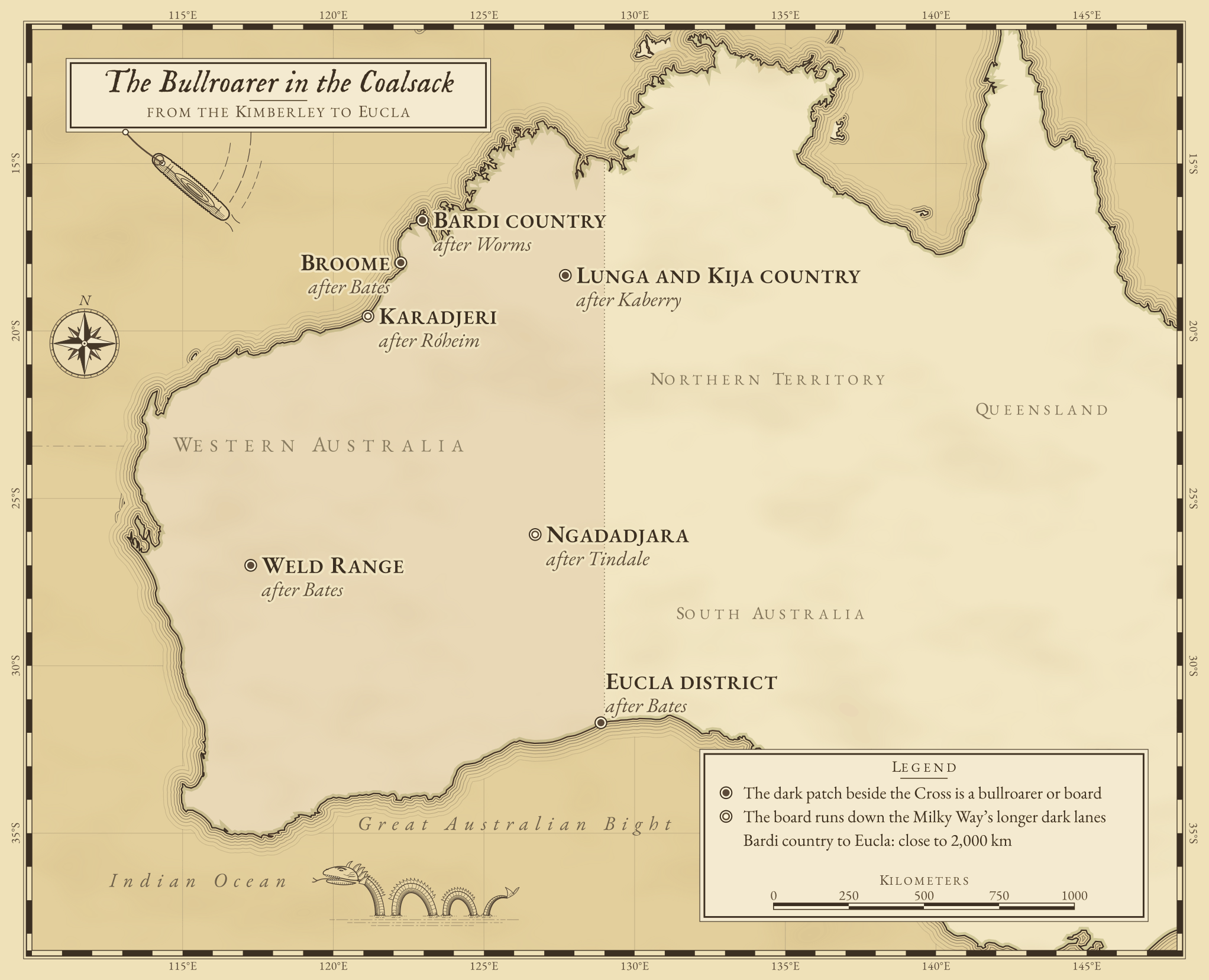
From the Kimberley to Eucla, close to two thousand kilometres, the dark patch beside the Southern Cross is a bullroarer — one sky-placement shared by peoples who shared no language, carried there with the object and the rite.
In brief
- On Bardi country at the tip of the Dampier Peninsula, Ernst Worms recorded Djamar’s galaguru breaking its hair-string at Burumar and flying into the Coalsack, the place called “with the fleshless,” where Djamar himself went afterwards.
- In the East Kimberley, Phyllis Kaberry’s Lunga speakers gave Orion’s Belt as the stick the bird Banaga threw after his bullroarer; the bullroarer stayed in the Coalsack, and women were not supposed to know it existed.
- At Broome, Daisy Bates wrote the dark patch down as Kalleegooroo, a “sacred & secret large carved totem board”; the same speaker called the Pleiades “our sisters.” At initiation the Broome men swung the kalligooroo, a word never spoken where women could hear; to the women it was only the voice of Nalja. At Beagle Bay the dark place was a road to the sky that women burned, and the road had been a sacred wooden emblem.
- At the Weld Range the dark patch is eendeeree, yeemerree, yeenma, the sacred board; at Eucla it is the shadow of the yinma, the long board a man named Karnduing said carried the eaglehawk’s heart and belly.
- Ngadadjara and Karadjeri tellings send the board on down the Milky Way’s long dark lanes, the Karadjeri by the same broken cord.
A black shape beside the Southern Cross
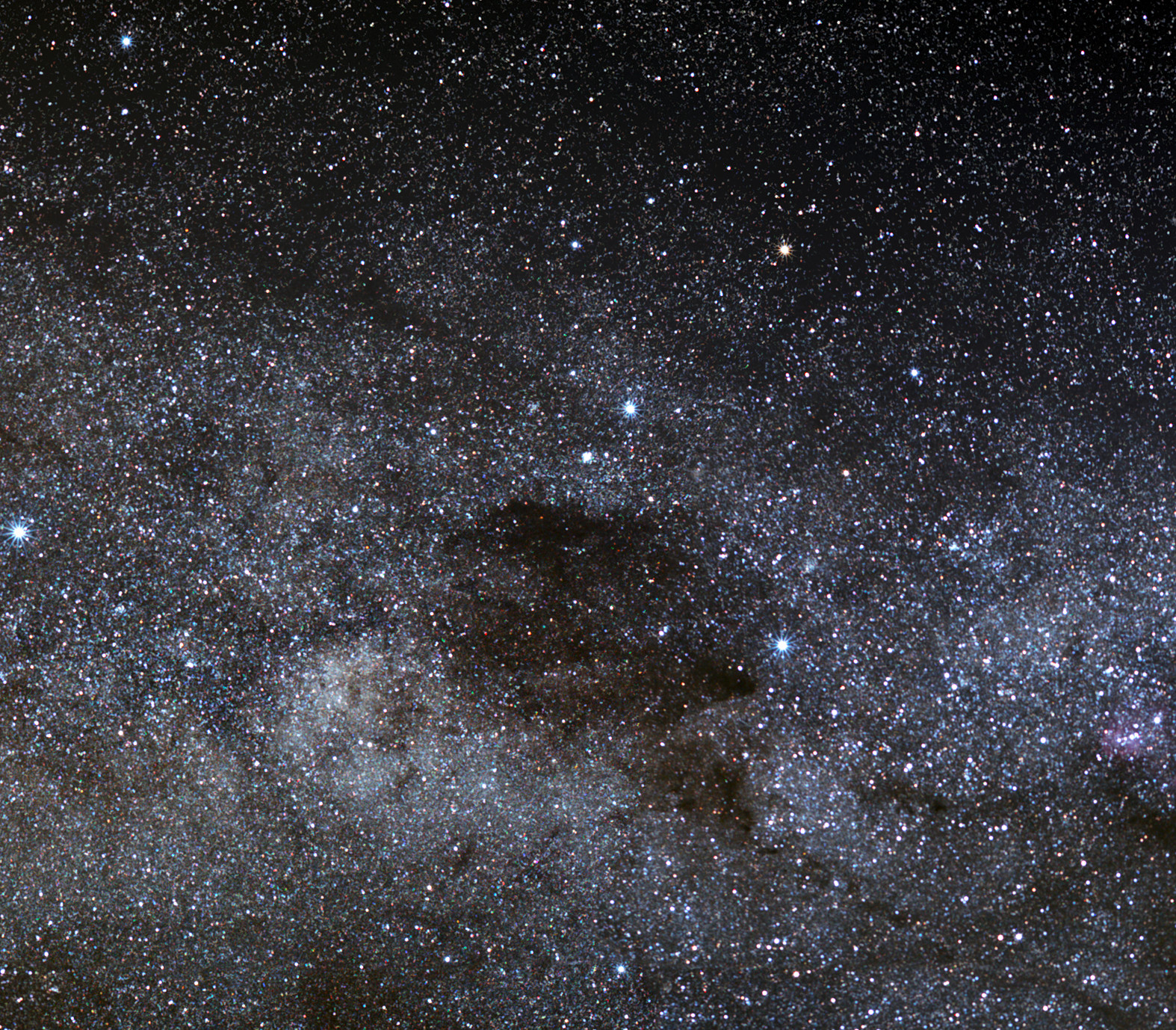
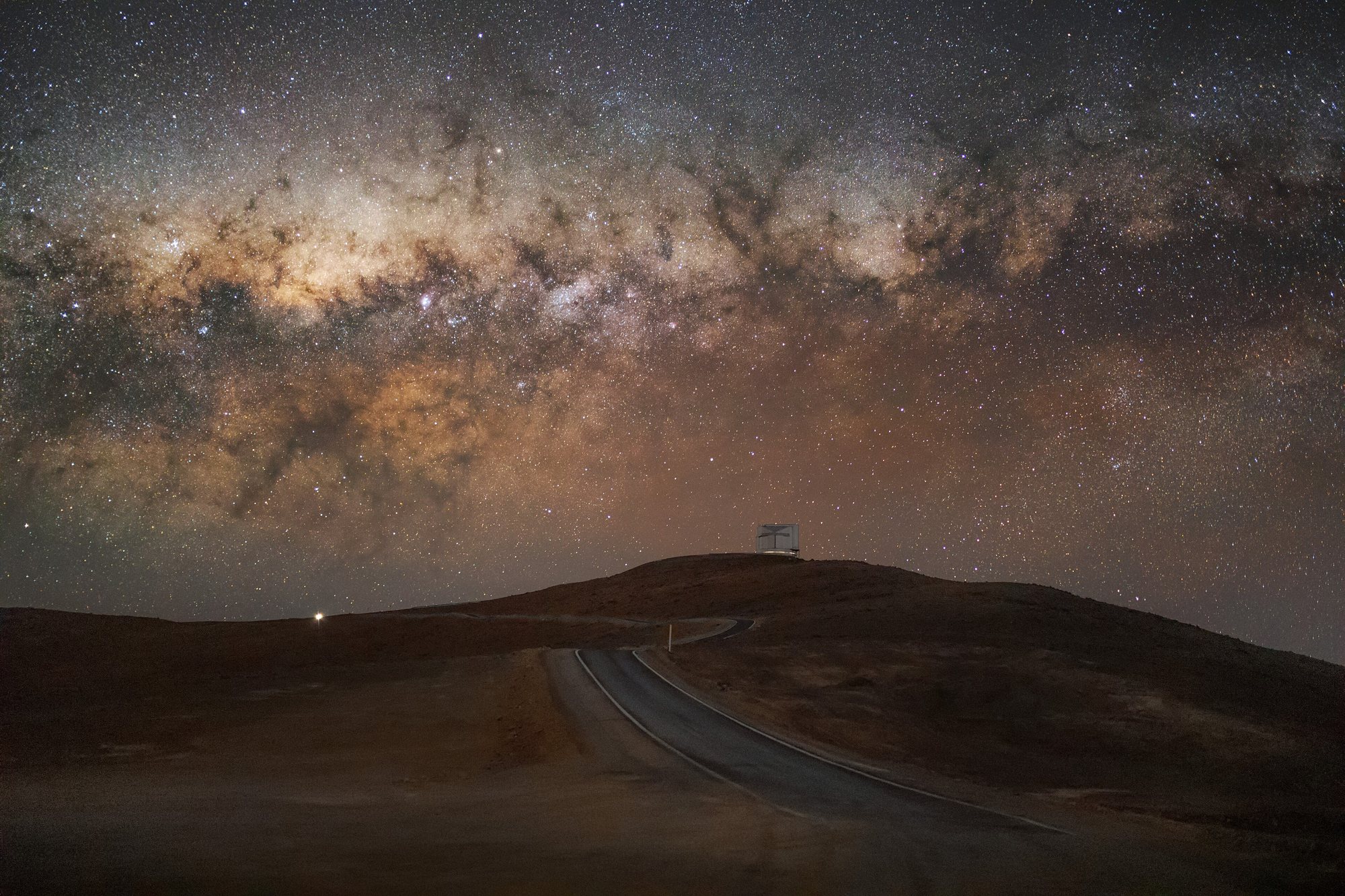
Dust inside the Coalsack blocks the bright band of the southern Milky Way behind it, and that is why the patch looks solid to the unaided eye. It is the most prominent dark nebula in the sky, it lies about six hundred light-years away, and it sits against Crux, the Southern Cross, the easiest group of stars in the southern sky to find. There is one dark spot in the Milky Way that a person standing on the ground can point to, and it is that one, beside the Cross. When Bates’s speakers said “dark spot in Milky Way” they were pointing at the Coalsack, and it is the Coalsack in all five of the places below.
Across the centre and the south-east of Australia that same darkness is the head of the emu, whose neck and body run down the dark lanes of the Milky Way. In the west it is a bullroarer. The one dark landmark in the southern sky was claimed by the two things that matter most in ceremony.
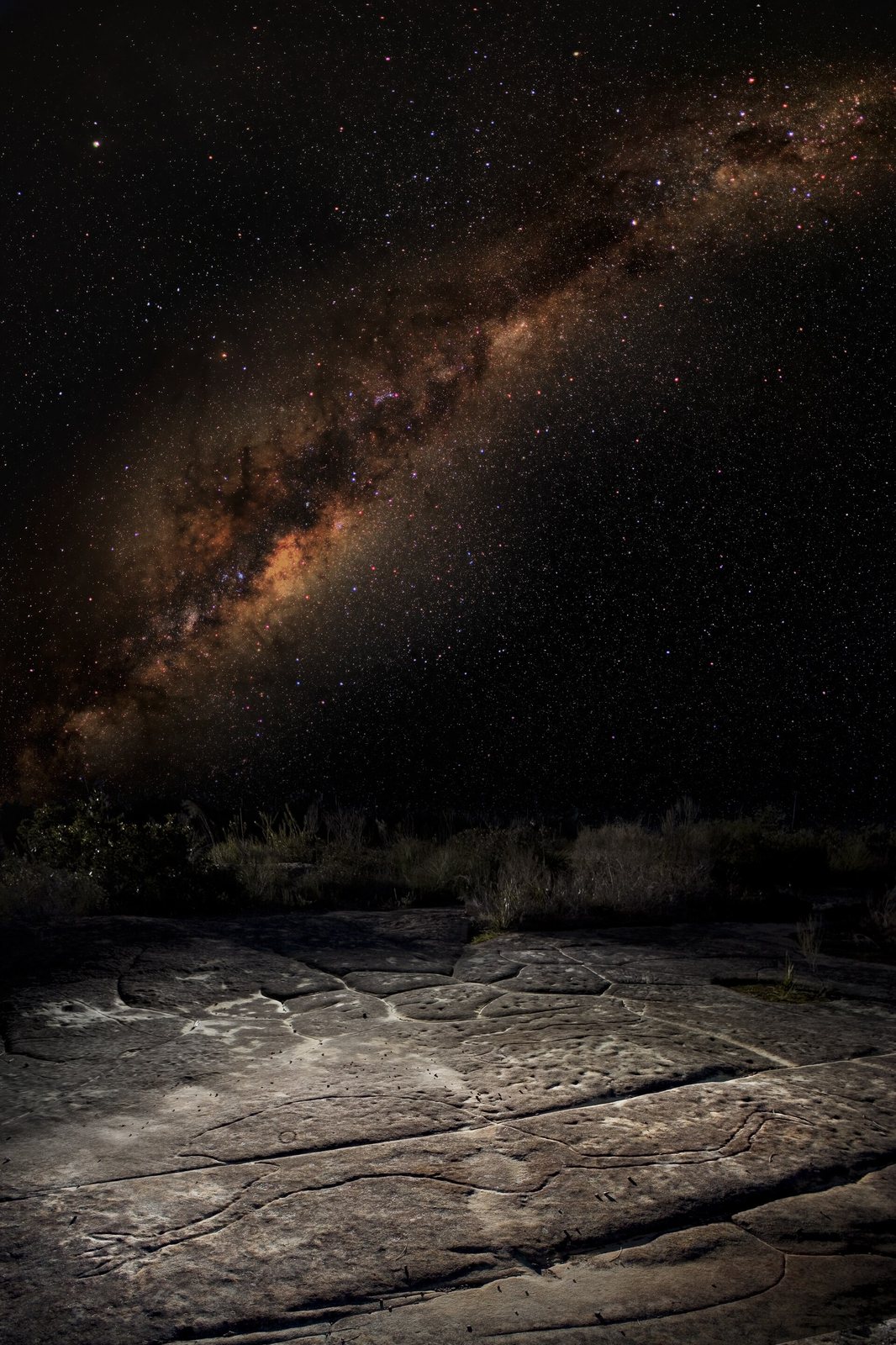
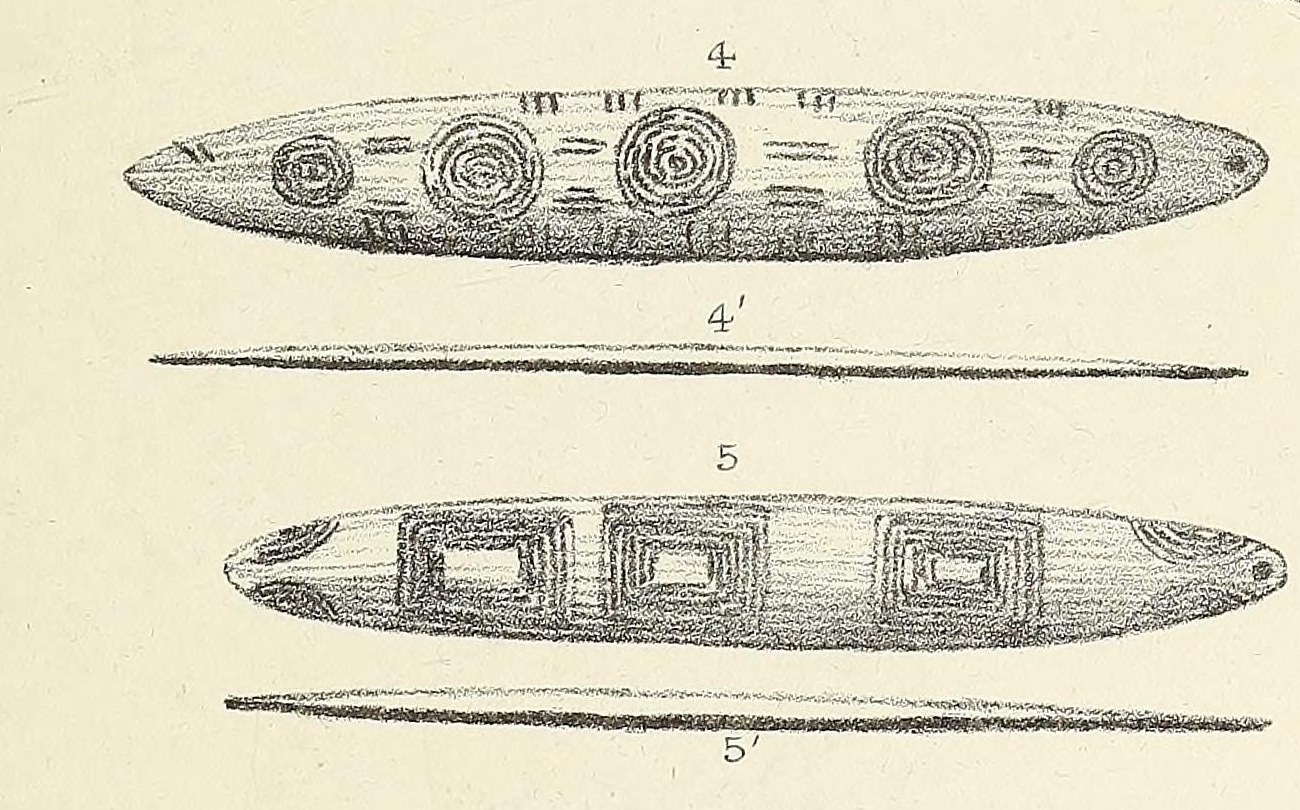
The instrument is as exact as the star field. A bullroarer is a blade swung on a cord until it spins and roars. In Western Australia that sounding blade sits among longer carved boards shown at initiation, and the English of the old vocabularies moves between “bullroarer,” “magic board,” and “sacred totem board” from page to page. The sky keeps taking the same object however the page names it.
Djamar’s cord breaks at Burumar
Djamar is the creator of the Bād, the Bardi people of the Dampier Peninsula, and he travels with a bullroarer. Ernst Worms, who recorded the myth in the west Kimberley and published it in 1950, describes him sounding the galaguru as he goes, the instrument bound to his presence and his law. At Burumar, while he swings it, the hair-string breaks. The galaguru flies up into baug-ara-njara — “with the fleshless” — the region beside the Southern Cross that Worms identifies as the Coalsack. Djamar goes there himself later on and stays.
The ground half of that story was still being shown to initiates. Djamar rose out of the sea swinging a bullroarer and drove his sacred galaguru boards into a creek bed, and Bardi and Jawi men took young initiates to see the holes he left in the stone. Bullroarers from the same waters, three painted blades collected in the Sunday Islands in 1912, are banded in red, yellow and grey, and one of them is marked in the museum register as secret and sacred; Gerhardt Laves, working on Bardi in the 1930s, compiled a whole classification list of Bardi bullroarers with their native names.
Banaga throws his stick
Some five hundred kilometres east, in the East Kimberley country around Kija, Phyllis Kaberry took down the same broken cord during fieldwork in 1934 and 1935–36. Her Lunga informants gave her a bird, a thrown stick, and a runaway blade in two sentences.
Orion’s belt … is the stick that Banaga, a bird, threw after his bullroarer when it broke off the string and went into the sky. The bullroarer is in the dark spot in the Milky Way called the coalsack—and women are not supposed to know of its existence. — Phyllis M. Kaberry, Aboriginal Woman: Sacred and Profane, 1939, p. 12

Banaga is the protagonist of a very small catastrophe with permanent consequences. He is whirling the bullroarer; the cord parts; the blade goes up; he throws his stick after it and the stick goes up too. Orion’s Belt and the Coalsack lie in different quarters of the sky, and the throw is what yokes them: three bright stars in flight, and the instrument they were chasing lodged for good in the black patch by the Cross.
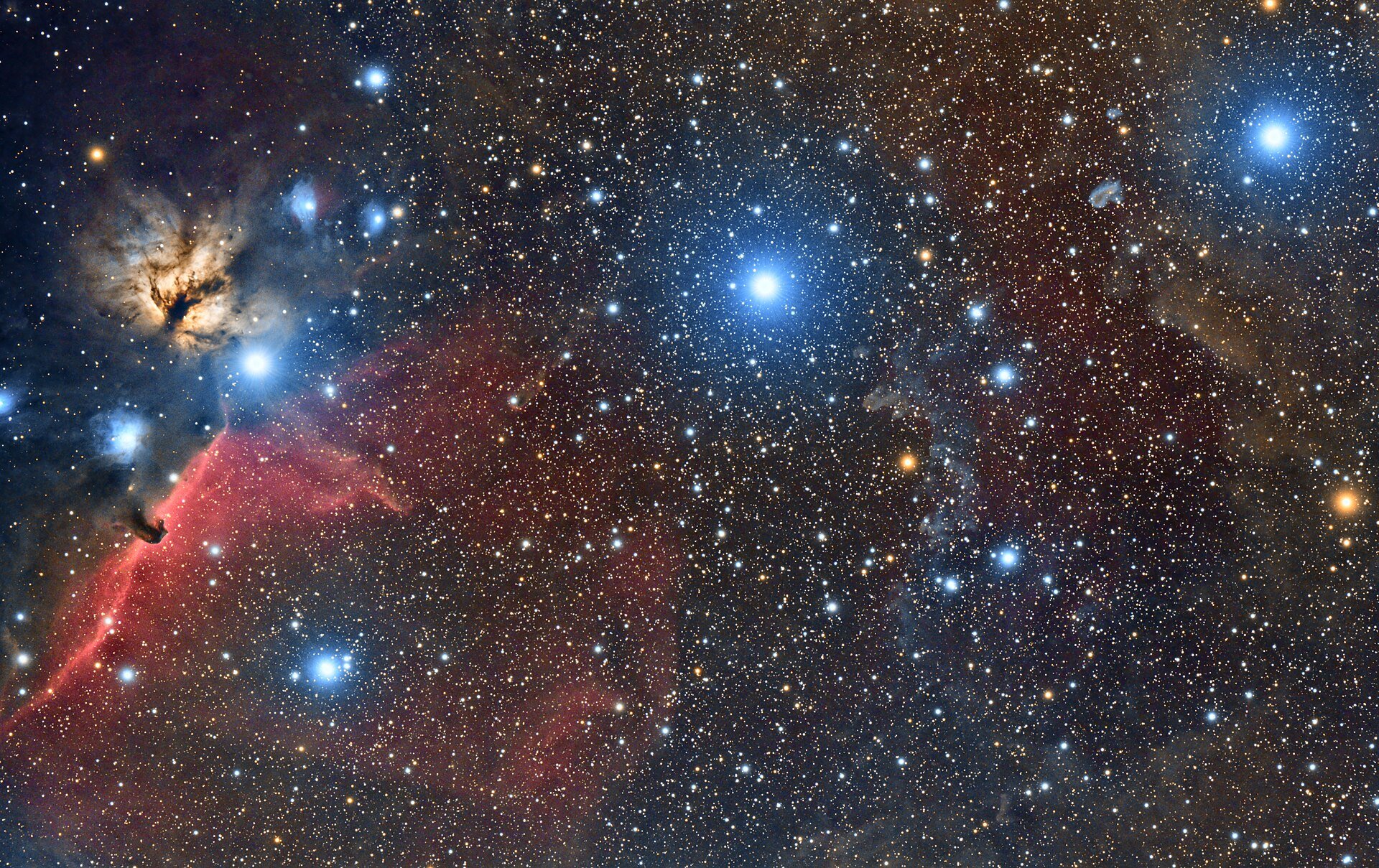
The last clause of Kaberry’s sentence sharpens the placement rather than softening it. The most restricted object in the ceremonial life of the East Kimberley — the one women were not supposed to know existed — had been put where anyone at all can see it. Miriwoong women, downriver at Wyndham, had a word for the boards they were not to look at: gugbu, forbidden. The blade is on open display every clear night; the knowledge of what it is stays inside the ceremony.
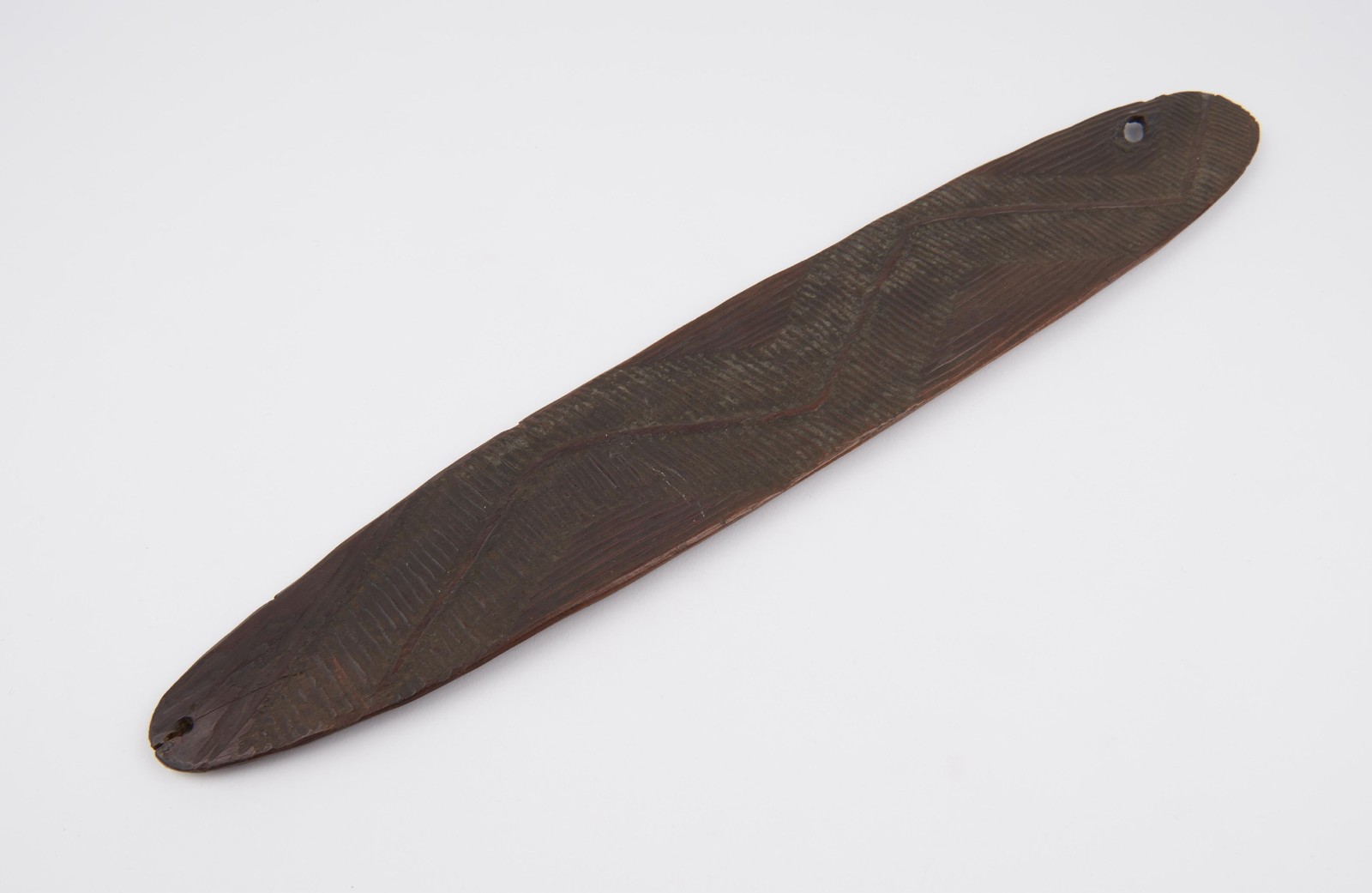
Broome and Beagle Bay: the road the women burned
Billingee, a Joogan or Ngoombal speaker whose country lay around Willie Creek and Broome, gave Daisy Bates an object-rich sky. One of her notebook lines sets the two terms side by side, English on the right and the sacred object on the left:
Kalleegooroo (sacred & secret large carved totem board) | Dark spot in Milky Way
— Daisy Bates, Billingee of Broome, bates.org.au 52/052
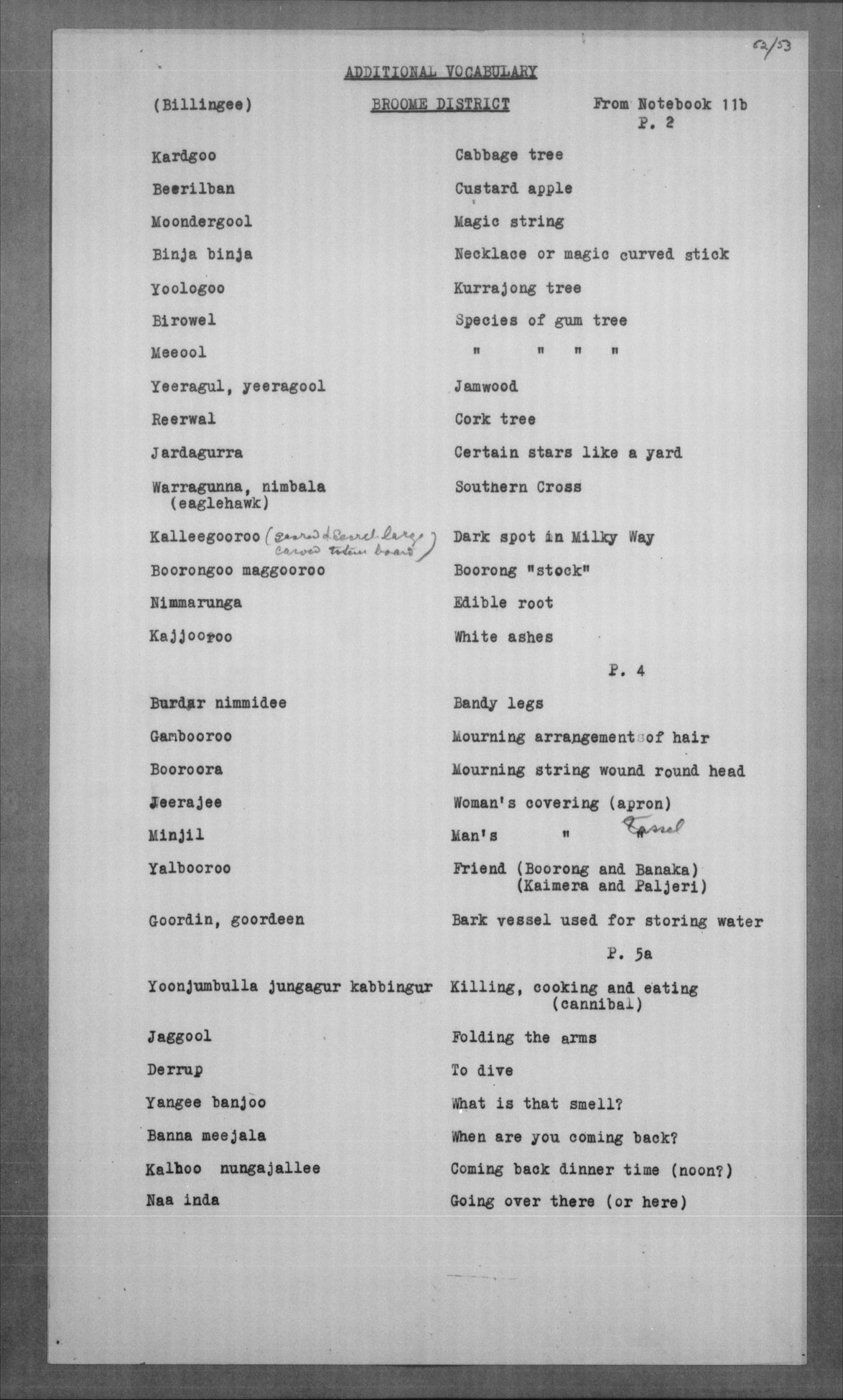
On a longer vocabulary sheet Billingee tells how it got there. Leeberr, an eebala of Yamminga time, lived at Winninberree, his booroo in Broome: he made the kalleegooroo dark spot in the Milky Way, and he showed the womba how to go up there. The same sheet has the Southern Cross as Warragunna, the eaglehawk, and one more identification a few lines away: “The beering pleiades are our sisters.” So the road from Broome to the sacred board in the dark is a road a being once opened, and the sisters are already in the sky above the man describing it.

Bates had heard another telling of that road years before she wrote the vocabularies, on a beach on the Dampier Peninsula north of Broome. It was a November night in 1900. She had walked out from the Beagle Bay mission with the bishop of Perth, who collapsed on the way to the ship. She lay beside him in the dark with four Beagle Bay men while an inland party sang and stamped close by:
Now and again a black form between me and the stars told me that our natives were listening, and in terror they would whisper to me of these bad pindana-womba who sometimes hang about the outskirts of the Mission to steal their women and to fight. I changed the subject to the stars and the sky, and they told me of the dark place in the Milky Way which was once a native road to the sky country, until one day some women on the way lighted a fire and burned the road, which was really a sacred wooden emblem.
— Daisy Bates, The Passing of the Aborigines (1938), “In a Trappist Monastery”
In Billingee’s telling, Leeberr made the dark spot and showed the way up. In the Beagle Bay telling, women walked that road, set fire to it, and burned it out of the sky. What is left is the hole: a sacred board seen only as the shape of what it blocks, put out of reach by women’s fire. The story in the sky stands beside the law on the ground.
At Broome the board on the ground has the same name as the board in the sky. Bates set down the Broome initiation stage by stage, keeping, she wrote, to the Broome men’s own sequence and “the words of their language.” At the blood-drinking, a later stage of the same initiation, the instrument arrives on the day after the first draught:
In the afternoon, some of the men slip away into the bush to swing the sacred bull-roarer, kalligooroo. The boy is frightened. Those who are with him add to his fears, saying it is the voice of Nalja. “Nalja ee ngangga!” (Nalja is talking!), chant the old men. Nalja is the spirit of an old, old man with white hair, and his voice comes from the hair beneath his arm-pits. The word “kalligooroo” is never spoken in the hearing of women or children or the uninitiated, but the voice of Nalja is known to them all. He is a spirit whom to look upon would be death.
The sound of the kalligooroo comes nearer and nearer, booming weirdly across the twilight. Should the bull-roarer touch a tree in its rotations, “Nalja is throwing his boomerang!” the boy is told.
— Daisy Bates, The Passing of the Aborigines (1938), “The End of Initiation, the Blood-Drinking”
Then an uncle hides an old kalligooroo in the ground at the boy’s feet. His guardian digs it up, says “Your kalligooroo!” and swings it, and the father tells him that the noise was the board and not Nalja, and that he will die if he tells the women. The boy sleeps that night with the board under his head. On the last night the women move their camp further off and the roaring goes on until the morning star.
So the whirled board the women must not hear named and the board in the dark beside the Cross are one word at Broome: kalligooroo on the initiation ground, kalleegooroo in the sky. It is the Dampier Peninsula’s own roarer word, which Worms heard as Djamar’s galaguru and Capell as the Yawuru galiguru. On the ground the board is kept from women by the threat of death. In the sky it hangs in plain view, the road that women’s fire burned away.
Weld Range: the same board, far inland
Bates worked the Murchison too, and her vocabulary for the Wanmala speakers around Mindoola and the Weld Range repeats the placement twice on one sheet. The star list gives it as a plain equation, and a marginal note says it again in words:
Milky Way (dark spot in) | Eendeeree, yeemerree, yeenma
The dark spot in the Milky way. (Sacred board) also eendeeree | Yeemeree
— Daisy Bates, Wanmala vocabulary, Mindoola and the Weld Range, bates.org.au 54/073
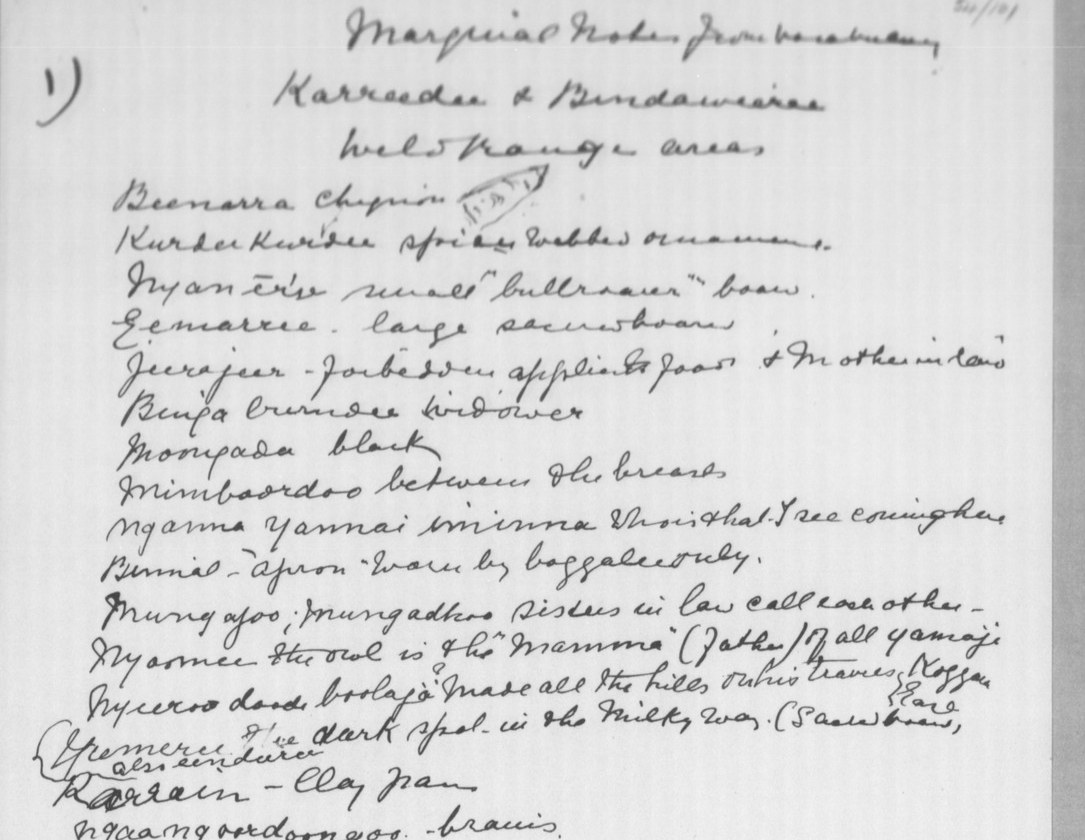
The same page separates a small Bullroarer
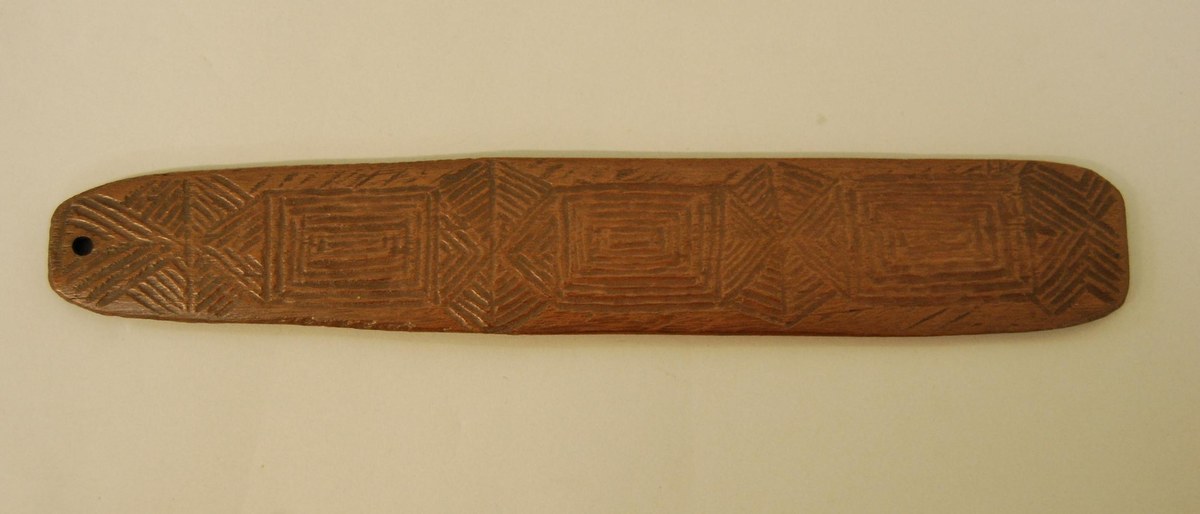
board, Nyanēr’se, from the large sacred board, Eemarree. That distinction runs right through Bates’s western sheets, and the two words trade places from district to district. In the goldfields around Southern Cross, where Beedee, Bailberin and Gweea gave her the local terms, yinma is the bullroarer and Goondain or Yeenma the long sacred totem board. At Peak Hill meerudi is the magic board or bullroarer and yeenma the long board carved with totem markings. On the Murchison mirroodee names the sounding blade and yeenma the board shown at initiation. Whichever word carries the sounding blade in a given district, the board in the dark patch keeps the yeenma name, spelled yinma at Eucla.
Eucla: the shadow of the board
On the Bight, at the far southern end of the run, Bates’s Eucla star notes make the visual logic explicit in one parenthesis:
Yinma (sacred long board — shadow of board only, Dark Spot in Milky Way) — Eucla area.
— Daisy Bates, Eucla star notes, bates.org.au 39/256a
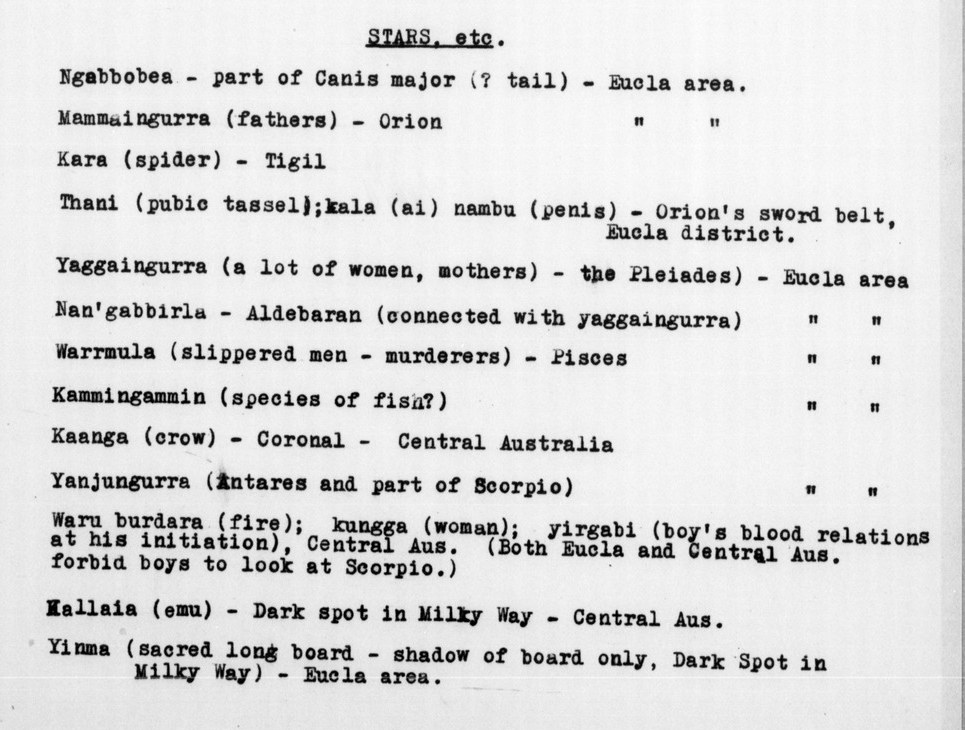
The thing in the sky is not a bright copy of a board. It is the board’s shadow, thrown on the Milky Way. The rest of that sheet fills the sky around it: Orion is Mammaingurra, the fathers; the Pleiades are Yaggaingurra, a lot of women, mothers; the Southern Cross is Walja jina, the eagle’s foot. Kinship, birds and restricted knowledge each have a station up there, and the yinma has the dark one.
A man named Karnduing told Bates what was on the board itself. The markings of the yinma, he said, are kurdudu and mugula — the heart and the belly of the eaglehawk. West of Eucla, near Twilight Cove, the Willilambi account she published in 1924 shows the same body being cut into wood: the old men make long yeenma boards and smaller boorbing bullroarers from hardwood that was moodiji, forbidden to the eaglehawk people and reserved to the hardwood totem, and onto the boards they cut the eaglehawk’s heart, ribs, stomach, entrails and tail. The eaglehawk family then rises into the Southern Cross and the Pointers. Read the two pages together and the whole tableau stands in one part of the sky: the eaglehawk in the Cross, and the board carrying the eaglehawk’s heart in the darkness beside it.
The board takes the long dark road
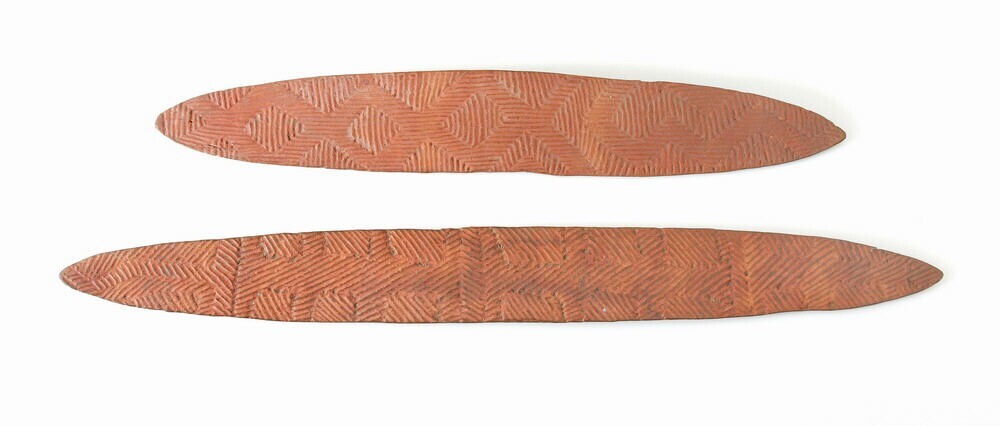
Two further tellings run the image out of the single patch and along the whole dark spine of the Milky Way. In Norman Tindale’s Ngadadjara material from the Warburton Ranges, synthesised by Dianne Johnson, the long dark patches reaching from Alpha Centauri toward Alpha Cygni are a great totem board, and the Wati Kutjara made it while they were travelling with the Pleiades women. The board, the dark Milky Way and the Seven Sisters are one episode there.
Géza Róheim’s Karadjeri account from the country south of Broome uses the mechanism from Bardi and Lunga exactly. One of the Bagadjimbiri brothers swings a bullroarer, then a larger pirnmal; the cord breaks; the pirnmal goes up and stays visible as a chain of dark patches from Centaurus toward Aquila. In this telling the Coalsack itself is a speared kangaroo, so the launched board takes the road instead of the patch — the Karadjeri put their board in the dark lane by a broken cord, which is the northern story with the destination moved along one stop.
Orion’s Belt is the hinge
Read Kaberry’s Lunga sentence beside the Western Desert Seven Sisters traditions and the two bodies of material turn out to share an actor. In the Pitjantjatjara account given by Roslynn Haynes, the Kungkarungkara women take bird form and fly into the sky to escape the hunter Njiru, and he follows them into the stars of Orion’s Belt. Trevor Leaman and Duane Hamacher find the same placement in Tindale’s Western Desert notes: the Pleiades are the Kungkarungkara and “Orion (stars of the belt)” is Njiru. Around Ooldea, Bates’s Nyeeruna is Orion, hunting the seven Yugarilya sisters. The sky itself keeps the chase going: across the Australian traditions Johnson surveys, the pursuers rise after the Pleiades and follow their path.
Kaberry was writing in that same world of pursuit. Just before the Lunga passage she gives a Wolmeri account in which the Southern Cross is Eaglehawk chasing a group of Pleiades women. Then the Lunga account gives Orion’s Belt a second pursuing job: it is the stick Banaga threw after his bullroarer, and the bullroarer travels on into the Coalsack.
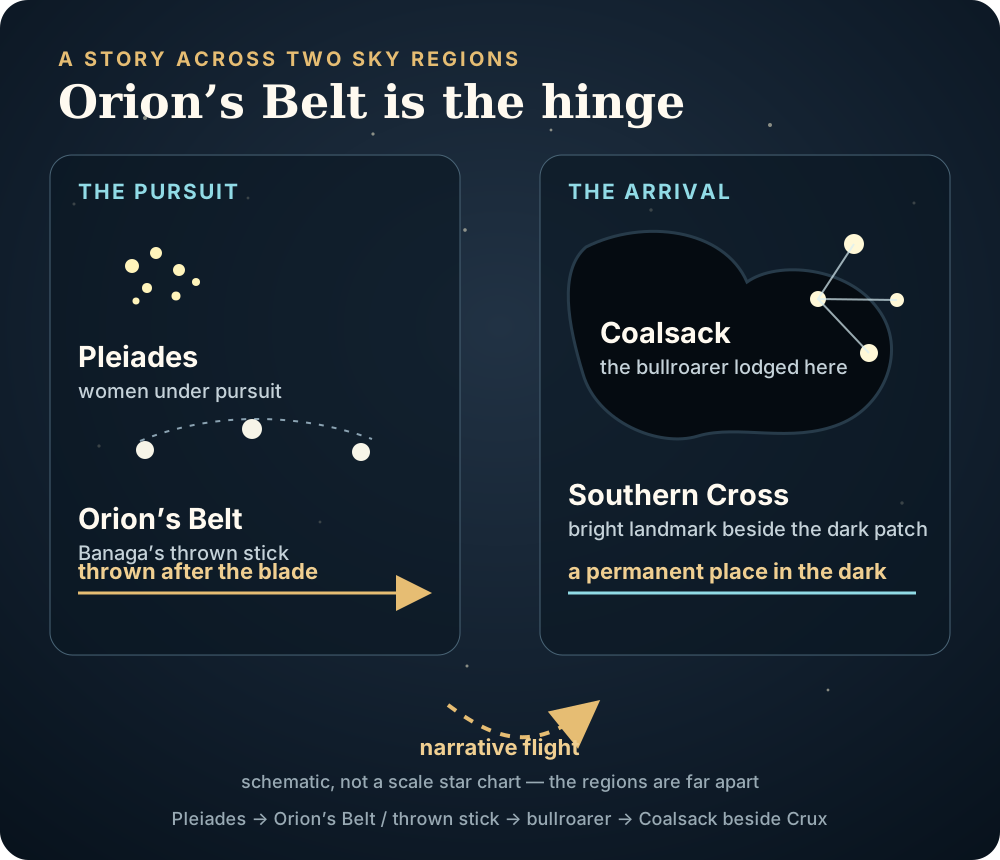
The Ngadadjara telling closes the other side of the circuit, since the board in the Milky Way’s dark patches is made on the Wati Kutjara’s journey with the Pleiades women. The bright figures and the dark ones are moved by the same actions: throwing, pursuit, breakage, flight and ascent.
One placement, carried
Bardi on the Dampier Peninsula, Joogan at Broome, Lunga in the East Kimberley, Wanmala on the Murchison, Karnduing’s people at Eucla: five peoples with five languages, spread across a state the size of western Europe, and a straight line from the first to the last runs close to two thousand kilometres. They give the darkness beside the Cross one and the same content. Not a bird, not a fire, not a waterhole — the restricted board that roars, kept from women, shown at initiation, carved with the marks of an ancestor.
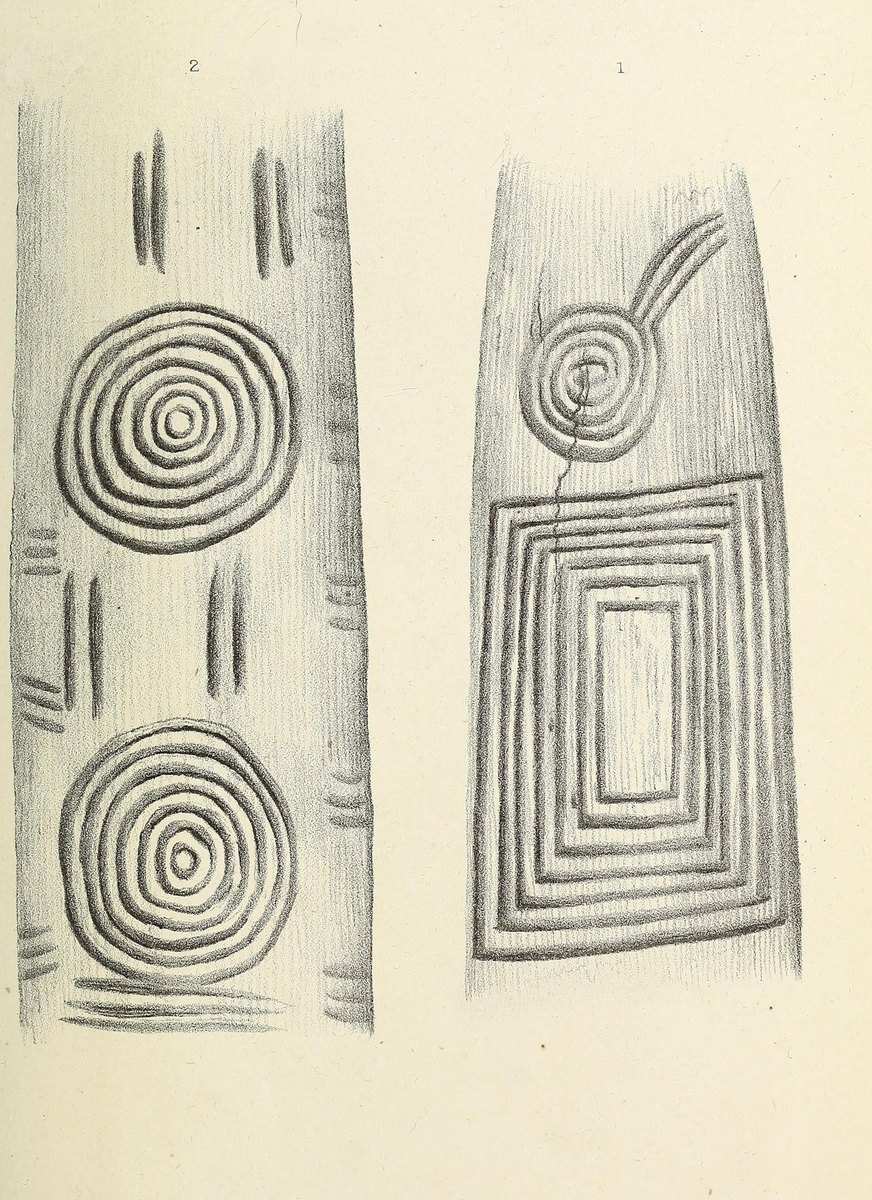
Five peoples do not arrive at that by accident. The bullroarer travels: it is carried between camps, handed on with the rites that go with it, taught with the songs and the marks that belong to it. Where the object went, the story that ends in the sky went too, from the Kimberley to the Bight, and across the north the mechanism travelled with it — a cord under tension, a break, a flight, an arrival in the dark. The Karadjeri kept the broken cord and moved the destination along the dark lane; the Ngadadjara stretched the board out along it; every other telling put the board in the patch. That is one placement passed from hand to hand and grafted onto each local sky, not five inventions that happened to land on the same square of blackness.
It is also the perfect hiding place. The sound of a bullroarer arrives before its body can be found, and the Coalsack is the one thing in the sky that is visible for what it blocks. From the Kimberley to Eucla, close to two thousand kilometres, the dark patch beside the Southern Cross is a bullroarer — one sky-placement shared by peoples who shared no language, carried there with the object and the rite.
Key sources
- Phyllis M. Kaberry, Aboriginal Woman: Sacred and Profane (1939), p. 12 for the Lunga Coalsack passage and the Wolmeri Eaglehawk pursuit, and pp. 229–230 for Miriwoong gugbu: page scan, full text.
- Ernst A. Worms, “Djamar, the Creator: A Myth of the Bād (West Kimberley, Australia)”, Anthropos 45 (1950), pp. 641–658, especially pp. 647–650 for the galaguru, Burumar, and baug-ara-njara.
- Daisy Bates, “Billingee of Broome”, for Kalleegooroo, the large carved sacred board, as the dark spot in the Milky Way.
- Daisy Bates, Joogan or Ngoombal vocabulary from Billingee of Willie Creek and Broome, for Leeberr, Winninberree, Warragunna the eaglehawk in the Southern Cross, and the beering Pleiades.
- Daisy Bates, The Passing of the Aborigines (1938): “In a Trappist Monastery” for the Beagle Bay road to the sky burned by women, “The Beginning of Initiation” for the Broome sequence, and “The End of Initiation, the Blood-Drinking” for the kalligooroo and the voice of Nalja.
- Daisy Bates, Eucla star notes, folios 39/261–262, for the yinma and its shadow, Mammaingurra, Yaggaingurra, and Walja jina.
- Daisy Bates, Eucla vocabulary from Karnduing, folio 39/162–189, for the eaglehawk’s heart and belly on the yinma.
- Daisy Bates, Wanmala vocabulary from Mindoola and the Weld Range, for the dark-spot entries and the small bullroarer board beside the large sacred board.
- Daisy Bates, Southern Cross vocabulary, Peak Hill vocabulary, and Murchison vocabulary, for yinma, yeenma, meerudi and mirroodee.
- Daisy Bates, “Aboriginal Sketch: Aboriginal Stellar Myths”, Australasian, 26 July 1924, p. 56, for the Willilambi yeenma, boorbing and moodiji hardwood.
- Norman B. Tindale, “Legend of the Wati Kutjara, Warburton Range, Western Australia”, Oceania 7 (1936), pp. 169–185.
- Dianne Johnson, Night Skies of Aboriginal Australia: A Noctuary (1998; 2014 reprint), p. 169, for the Ngadadjara totem board in the dark Milky Way and the Pleiades women.
- Roslynn D. Haynes, “Dreaming the Stars”, in Explorers of the Southern Sky (Cambridge University Press, 1996), p. 16, for the Pitjantjatjara Kungkarungkara and Njiru in Orion’s Belt.
- Trevor M. Leaman and Duane W. Hamacher, “Aboriginal Astronomical Traditions from Ooldea, South Australia, Part 1: Nyeeruna and the Orion Story”, Journal of Astronomical History and Heritage 17.2 (2014), pp. 180–194, especially pp. 184–186.
- Dianne Johnson, “Interpretations of the Pleiades in Australian Aboriginal Astronomies”, Proceedings of the International Astronomical Union 7.S278 (2011), pp. 291–297.
- Art Gallery of South Australia, Aṇangu Pitjantjatjara Yankunytjatjara Lands Women’s Collaborative, on Wati Nyiru’s pursuit of the sisters.
- Géza Róheim, The Eternal Ones of the Dream (1945), pp. 56–57, for the Bagadjimbiri pirnmal.
- Patricia A. Forster, “Review of Aboriginal astronomy and navigation: A Western Australian focus”, Publications of the Astronomical Society of Australia 38 (2021), e066.
- European Southern Observatory, “The Coalsack Nebula”, on its position beside Crux, naked-eye visibility and distance.