Atlas Essay —
Everywhen
The Dreaming, initiation and the bullroarer in Aboriginal Australia
The boy has been told that a great spirit is coming for him. At night, from somewhere beyond the firelight, he has heard its voice, a roar that rises and falls and never comes closer. Then, in the MacDonnell Ranges of Central Australia, at the end of the hardest night of his life, a man presses a few flat slabs of wood against the boy's fresh wound and tells him that these, and not the spirit, made the sound. A little later the eldest of his tribal brothers brings out a bundle of the same sacred boards and says: Here is the spirit. Both sentences are true. What the boy learns that night is how both can be true at once. The answer is the Dreaming.
The Dreaming is not a vanished past but the ground of everything that is, present everywhen. Initiation is the rite that carries a boy out of his mother's world and into the Dreaming, and returns him as one of its bearers. The bullroarer is the place where the Dreaming breaks into the present, the ancestor's own voice and body: the boy first fears it, is then shown it, and at last learns that he is it.
In brief
- Spencer and Gillen's Arrernte called the creation time Alcheringa, from a word for dream. W. E. H. Stanner, who spent decades among the Murinbata of the Northern Territory coast, put it in one word: the Dreaming “was, and is, everywhen.”
- Every Arrernte person is an ancestor of the Dreaming born again, and every ancestor's spirit stayed in a sacred board, the churinga. The bullroarer is a churinga.
- Initiation kills the boy and remakes him. Among the Wiradjuri of New South Wales the spirit Dhuramoolan was said to cut the boys up, burn them to ashes and mould them “as new beings”; among the Murinbata the Mother swallows them and vomits them up.
- The roar is the ancestor's voice: Twanyirika among the Arrernte, Daramulun's thunder among the Yuin, Tundun among the Kurnai of Victoria.
- At the climax the boys are shown the instrument. The Kurnai called this “showing the Grandfather”: the bullroarer itself is the grandfather, and the boys swing it the same night.
The Dreaming is everywhen
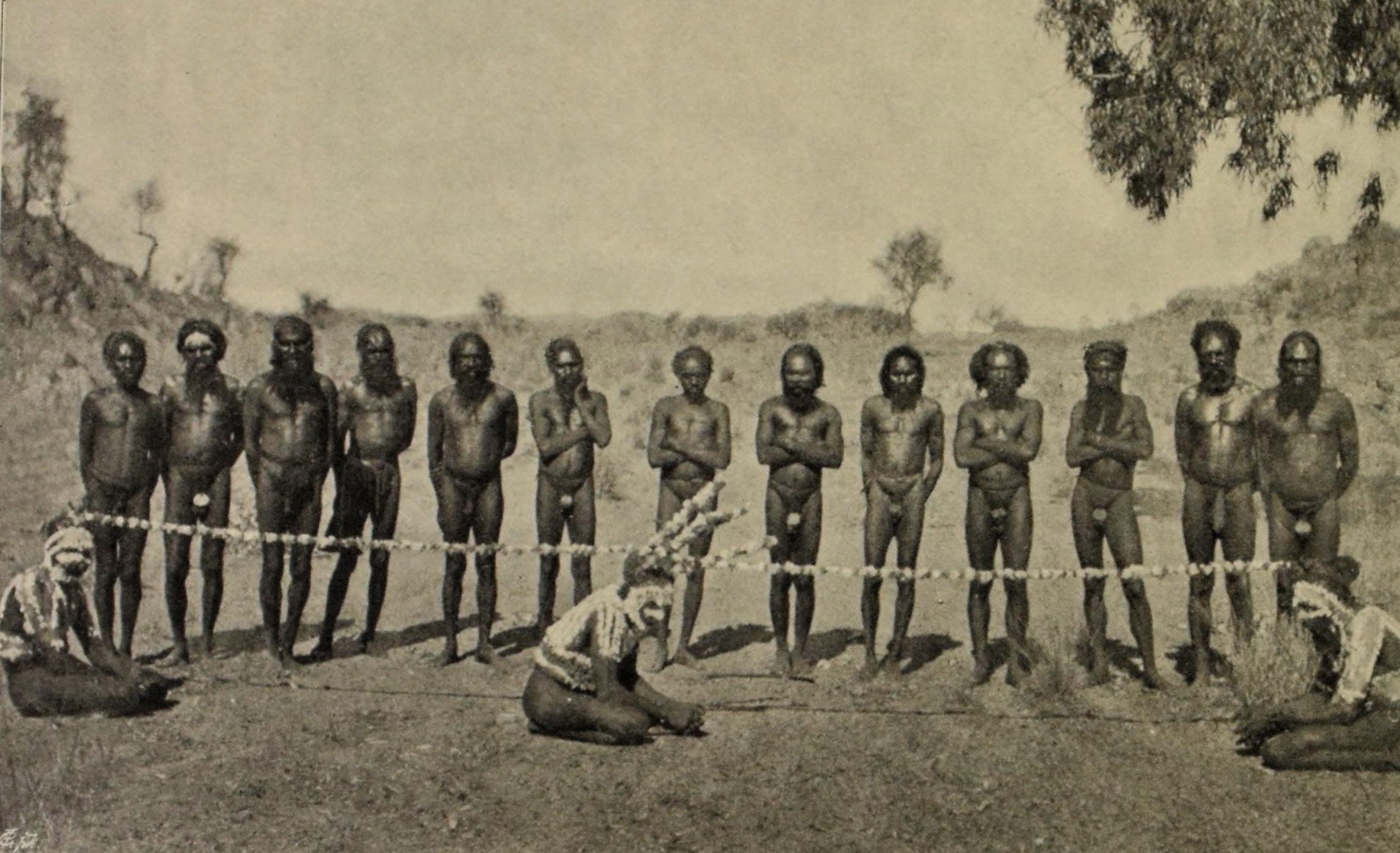
The word came into English from Alice Springs, in the heart of the continent. In the 1890s the biologist Baldwin Spencer and the telegraph-station master Francis Gillen recorded the beliefs of the Arunta, now spelled Arrernte, of the MacDonnell Ranges, and they needed a name for the time the Arrernte spoke of when they explained anything at all. The Arrernte called it the Alcheringa. Spencer and Gillen first glossed it as “the far distant past with which the earliest traditions of the tribe deal” (1899, p. 73), and five years later, in their glossary, gave it the name that stuck:
Alcheringa — Name applied by the Arunta, Kaitish, and Unmatjera tribes to the far past, or dream times, in which their mythic ancestors lived. The word alcheri means dream.
Spencer & Gillen, The Northern Tribes of Central Australia (1904), Glossary, s.v. Alcheringa
From “dream times” came the Dreamtime. Aboriginal people speaking English mostly say the Dreaming, or just Dreaming, and every language has its own word: Altyerre in Arrernte as it is spelled today, Tjukurpa in the Western Desert, Poaripa among the Warlpiri, whom Spencer and Gillen met tracing “one of their old totemic ancestors as he wandered over the country in the Alcheringa” (1904, p. 576).
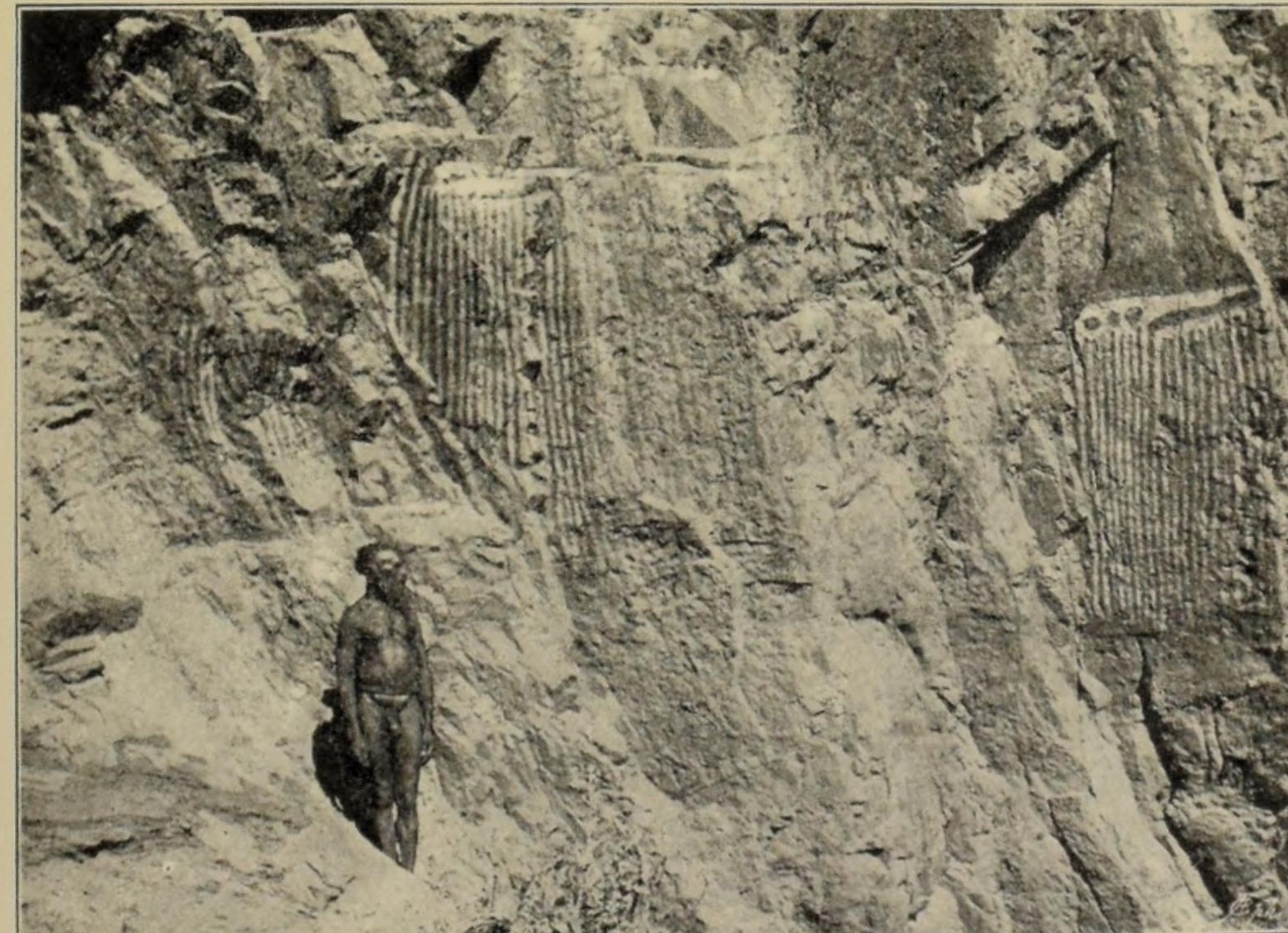
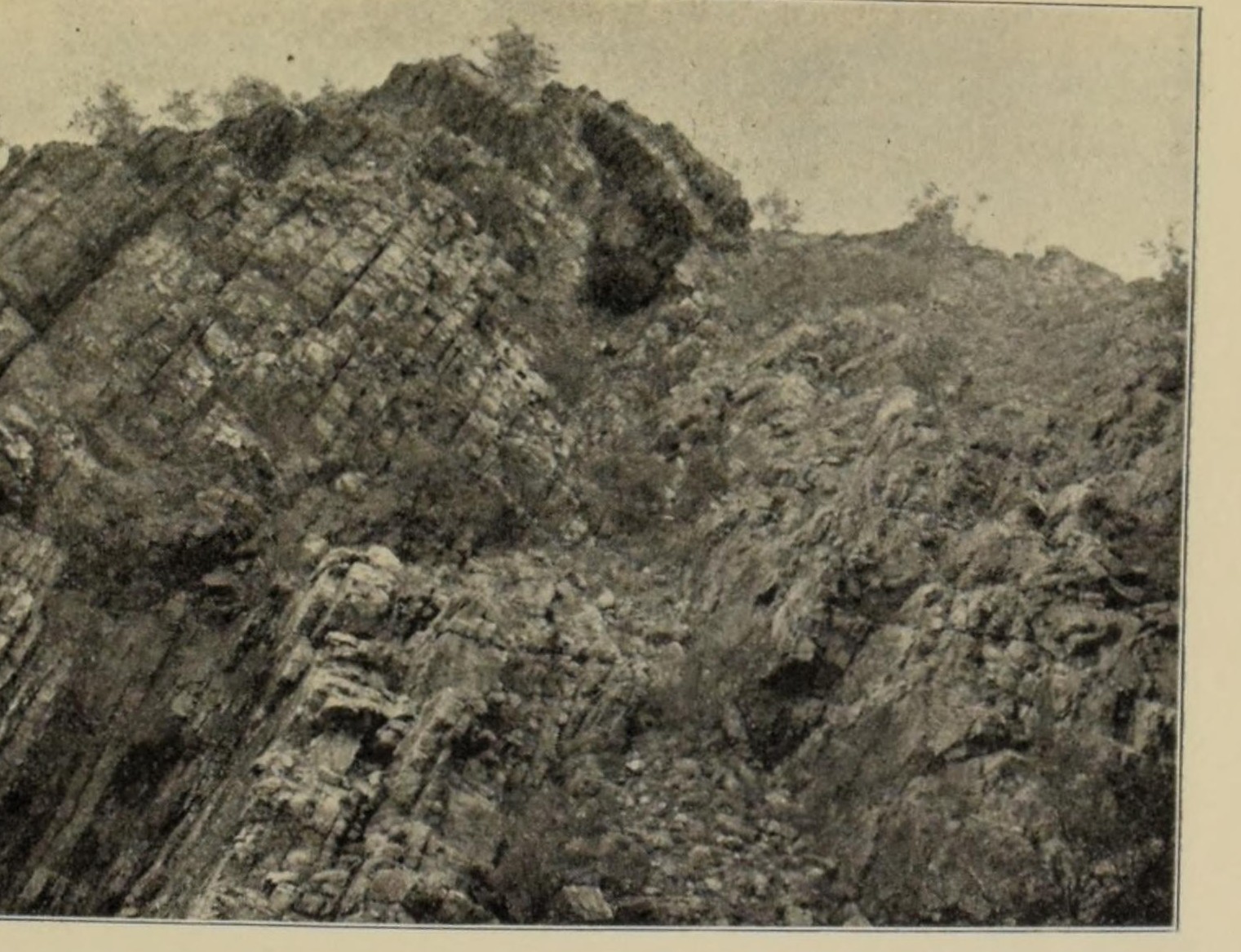
In the Dreaming, Spencer and Gillen wrote, lived ancestors “so intimately associated with the animals or plants the name of which they bear that an Alcheringa man of, say, the kangaroo totem may sometimes be spoken of either as a man-kangaroo or as a kangaroo-man.” They walked a country that was “devoid of many of its most marked features,” and made those features as they went: “the gaps and gorges in the Macdonnell Ranges” are their work. Where they stopped, they performed ceremonies; where they died, they went into the ground, and a rock or a tree rose to mark the spot. “It is useless to try and get further back than the Alcheringa,” the two men concluded; “the history of the tribe as known to the natives commences then” (1899, pp. 119–120).
So far it sounds like a creation time: a long-ago, a beginning, the way Genesis is a beginning. That is the mistake the English word invites, and the man who corrected it best was W. E. H. Stanner, who worked in the Daly River and Port Keats country, south-west of Darwin, from 1932 and spent decades among the Murinbata of Port Keats. His essay “The Dreaming,” written in 1953, opens by refusing the timeline:
A central meaning of The Dreaming is that of a sacred, heroic time long ago when man and nature came to be as they are; but neither ‘time’ nor ‘history’ as we understand them is involved in this meaning. I have never been able to discover any Aboriginal word for time as an abstract concept.
W. E. H. Stanner, “The Dreaming” (1953), in White Man Got No Dreaming (1979), p. 23
One cannot ‘fix’ The Dreaming in time: it was, and is, everywhen.— W. E. H. Stanner, “The Dreaming” (1953), p. 24
The Dreaming did not end. The ancestors went into the ground, but they did not leave; they are in the rock at Emily Gap, in the waterhole, in the tree that grew where one of them fell. The Dreaming is the order of the world as it was set, and it is still setting it. Stanner called it “a kind of narrative of things that once happened; a kind of charter of things that still happen; and a kind of logos or principle of order transcending everything significant for Aboriginal man” (p. 24). A man may call his totem his Dreaming, or the place his spirit came from. He may explain a law, a marriage rule or the stripe on a kangaroo's nose by saying it is Dreaming. In each case he is naming what something is, not when it began.
That is why Stanner, a careful anthropologist not given to large words, reached for the largest one. In the Dreaming, he wrote, “man, society and nature, and past, present and future, are at one together within a unitary system of such a kind that its ontology cannot illumine minds too much under the influence of humanism, rationalism and science” (p. 27). The stories of the Dreaming are “a poetic key to Reality,” and the life lived under them has a single shape: “Life, so to speak, is a one-possibility thing, and what this is, is the ‘meaning’ of The Dreaming” (p. 29). An old man put the same thing to him as a little poem, and Stanner made its first line the title of his collected essays:
White man got no dreaming,
Quoted in Stanner, “The Dreaming” (1953), p. 24
Him go ’nother way.
White man, him go different.
Him got road belong himself.
The Dreaming, then, is not a time but a road: the one that was laid down, and that the living walk because there is no other. Initiation puts a boy on it.
Every child is an ancestor come back
Before he can be initiated into the Dreaming, an Arrernte boy is already part of it, though he does not know how. Each ancestor of the Alcheringa, Spencer and Gillen were told, carried with him one or more sacred objects called churinga. Their footnote is short and decisive: “Churinga is the equivalent of the bull-roarer or whirler of other authors” (1899, p. 123). Where the ancestors went into the ground, the churinga went with them:
At each of these spots, and they are all well known to the old men, who pass the knowledge on from generation to generation, a certain number of the Alcheringa ancestors went into the ground, each one carrying his Churinga with him. His body died, but some natural feature, such as a rock or tree, arose to mark the spot, while his spirit part remained in the Churinga.
Spencer & Gillen, The Native Tribes of Central Australia (1899), p. 123
The country around Alice Springs is “dotted over” with these places, each with its store of churinga and its waiting spirits. When a woman feels her first child quicken, she knows that one of them has entered her. If she was near the witchetty-grub gap when it happened, the child is a witchetty grub, whatever the totem of its mother or its father; “it is, in fact, nothing else but the reincarnation of one of the witchetty grub people of the Alcheringa” (1899, pp. 124–125). One Alice Springs woman told them how she had stopped for a drink of water near the gap, heard a child's voice cry out mia!, mother, and run, too late: “one of them had gone inside her.”
So every Arrernte man and woman is an ancestor of the Dreaming come back into a body. Each has a churinga nanja, the board or stone that the incarnating spirit left behind, kept in the totem centre's storehouse among the rocks. Each is given a secret name, sometimes the name of “some celebrated man or woman of the Alcheringa,” which “is never uttered except upon the most solemn occasions when the Churinga are being examined” (p. 139). The churinga is the ancestor; the child is the ancestor; and the child cannot yet see the churinga or hear his own name.
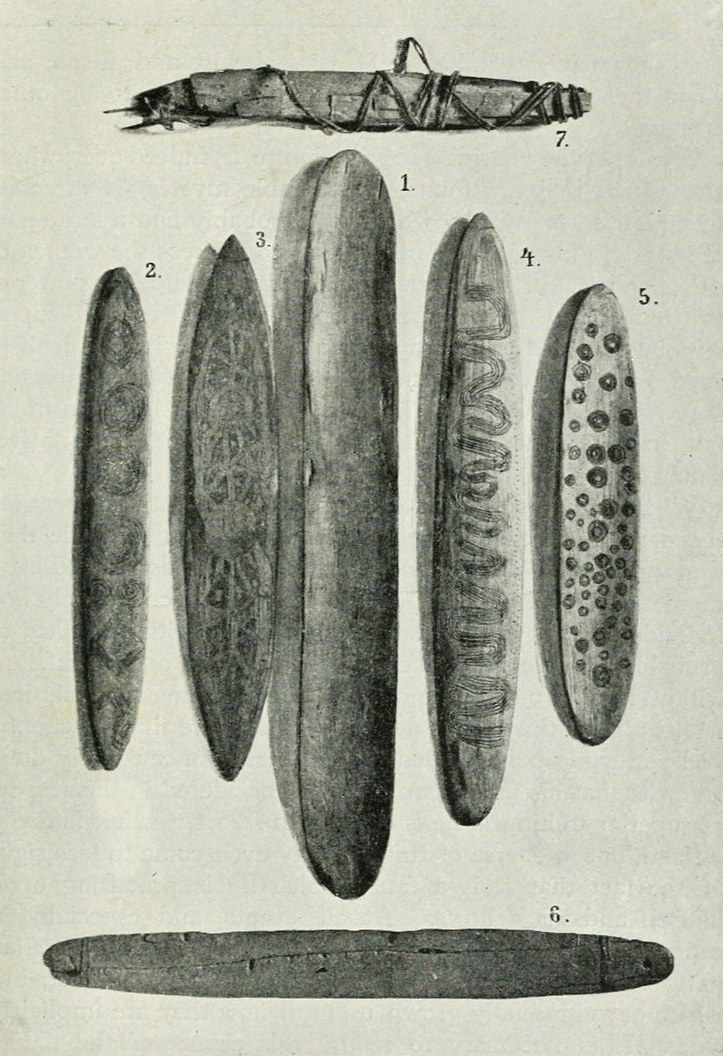
The Lutheran missionary Carl Strehlow, at Hermannsburg west of Alice Springs among the Aranda (another spelling of Arrernte), recorded how the old men put it when the time came. The relation between a man and his churinga, which the Aranda call tjurunga, “is expressed in the sentence, ‘Nana unta mburka nama’ (‘This you body are’). Every person has thus two bodies; a body of flesh and one of wood or stone.” His informants gave the words a grandfather spoke in the sacred cave as he showed a grown man the tjurunga of his ancestor: “This is your body… Do not take it to another place or you will feel pain” (C. Strehlow, as given in Róheim 1945, p. 237). Géza Róheim titled his book on the Aranda after their own phrase for the Dreaming beings, altjiranga mitjina: The Eternal Ones of the Dream.
This you body are.— Nana unta mburka nama, Aranda, as recorded by Carl Strehlow
Here, then, is what the Dreaming is in a single human life. It is the part of a person that was there before his mother and will be there after his death: an ancestor, a place, a name and a board of wood. A boy lives for years beside this second self without knowing it. Initiation is how he is brought to it.
Initiation kills the child
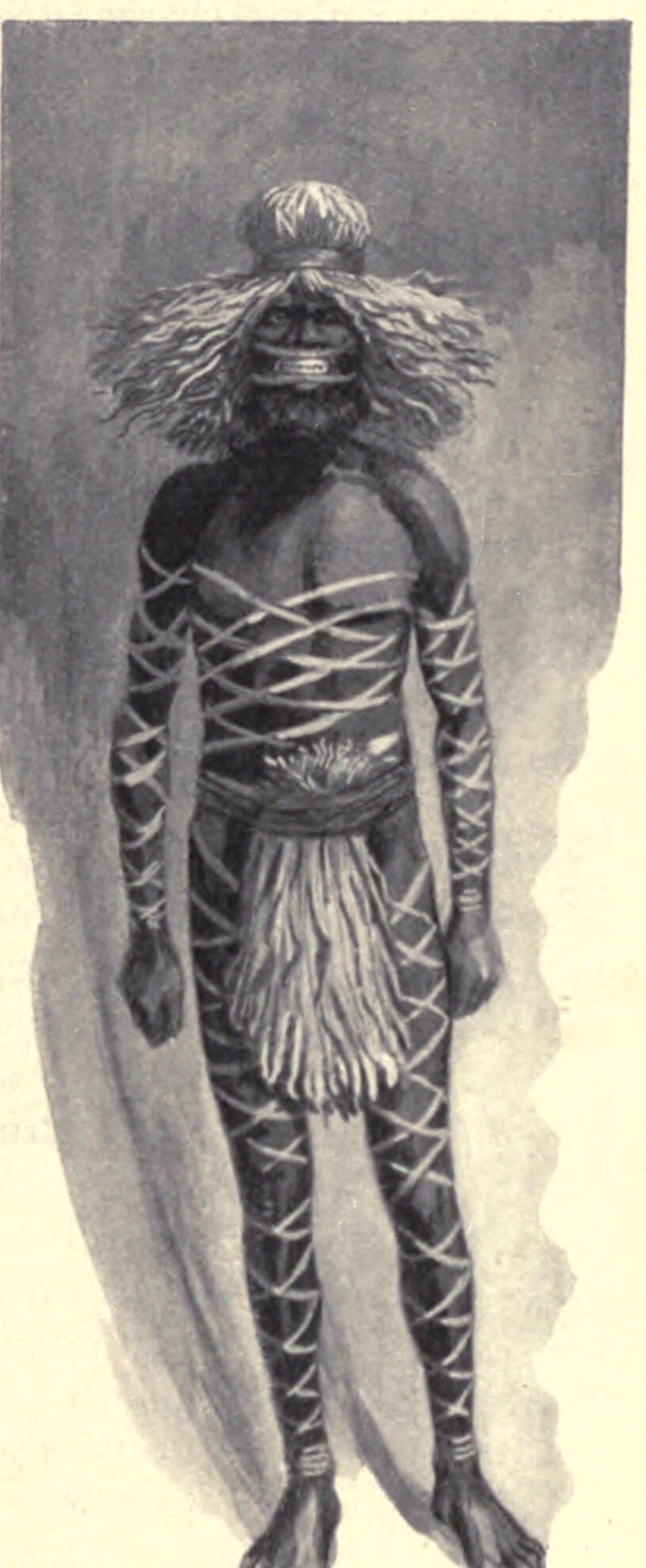
Across the continent, initiation was not a lesson or a ceremony of coming of age in the modern sense. It was a death. The boy was taken from the women's camp and from his mother, often by force and in the dark. He was told that a being would come for him and destroy him, and the being came: it was heard roaring in the bush. What came back, weeks or months later, was not the same person.
On the inland plains of New South Wales, the Wiradjuri explained the whole rite with one story. J. G. Frazer gave it in 1901, from the surveyor R. H. Mathews' account of the Wiradjuri burbung:
At a certain stage in the initiation ceremonies of these tribes the women and children huddled together and were securely covered up with blankets and bushes. Then a number of men came from the sacred ground where the initiation ceremonies were performed. Some of them swung bull-roarers, and some of them took up lighted sticks from a fire, and threw them over the women and children “to make them believe that Dhuramoolan had tried to burn them.” At a later period of the ceremonies the boys were similarly covered up with blankets, a large fire was kindled near them, and when the roaring of the wood and the crackling of the flames became audible, several old men began to swing bull-roarers, and the lads were told that Dhuramoolan was about to burn them.
These performances were explained by a legend that Dhuramoolan, a powerful being, whose voice sounded like the rumbling of distant thunder, had been charged by a still more powerful being called Baiamai, with the duty of taking the boys away into the bush and instructing them in all the laws, traditions, and customs of the community. So Dhuramoolan pretended that he always killed the boys, cut them up, and burnt them to ashes, after which he moulded the ashes into human shape, and restored them to life as new beings.
J. G. Frazer (1901), quoted in Jane Ellen Harrison, Themis (1912), p. 18, after R. H. Mathews on the Wiradjuri
Dhuramoolan has two jobs in that story, and they are one job. He kills the boys, and he teaches them “all the laws, traditions, and customs of the community.” The knowledge cannot be poured into the child. The child has to be burnt down to ash and moulded again, and what is moulded is a man who carries the Law. In the north the same death takes the form of swallowing. Among the Murinbata, Stanner's own people, the novices are told that the Mother will “swallow them alive, then vomit them up,” and the bullroarers sounding from hiding are “the voice of the Mother.” On the Gulf of Carpentaria the Anula women heard the roar as the spirit Gnabaia, who swallows the novices and disgorges them as initiated men. In Arnhem Land, on the far north coast, the swallower is the great python of the Wawalag story, and the Yolngu roar is her voice. The same swallowing being, the Mother of All, waits across the drowned land in New Guinea.
Jane Ellen Harrison, the Cambridge classicist, read the Wiradjuri account beside the Greek myth of the infant Dionysus, torn apart by the Titans and reborn, and decided that “mutato nomine” (change the name) “the account might have been written of Zagreus.” She also wrote down, better than the ethnographers did, what the death is for:
At and through his initiation the boy is brought into close communion with his tribal ancestors: he becomes socialized, part of the body politic. Henceforth he belongs to something bigger, more potent, more lasting, than his own individual existence: he is part of the stream of the totemic life, one with the generations before and yet to come.
Jane Ellen Harrison, Themis (1912), p. 19
The child dies as a child of his mother, a body of flesh, and is reborn as a man of the Dreaming, a body of flesh and of wood. That is why the rites go to such lengths, and why the women mourn. Among the Yuin, A. W. Howitt watched three boys made men in 1883 and recorded the result in plain words: they were now “ranking with the men, and for ever separated from the control of their mothers and the companionship of their sisters” (1904, p. 558). Something had ended. The boy who went into the bush does not come back.
The voice of the ancestor
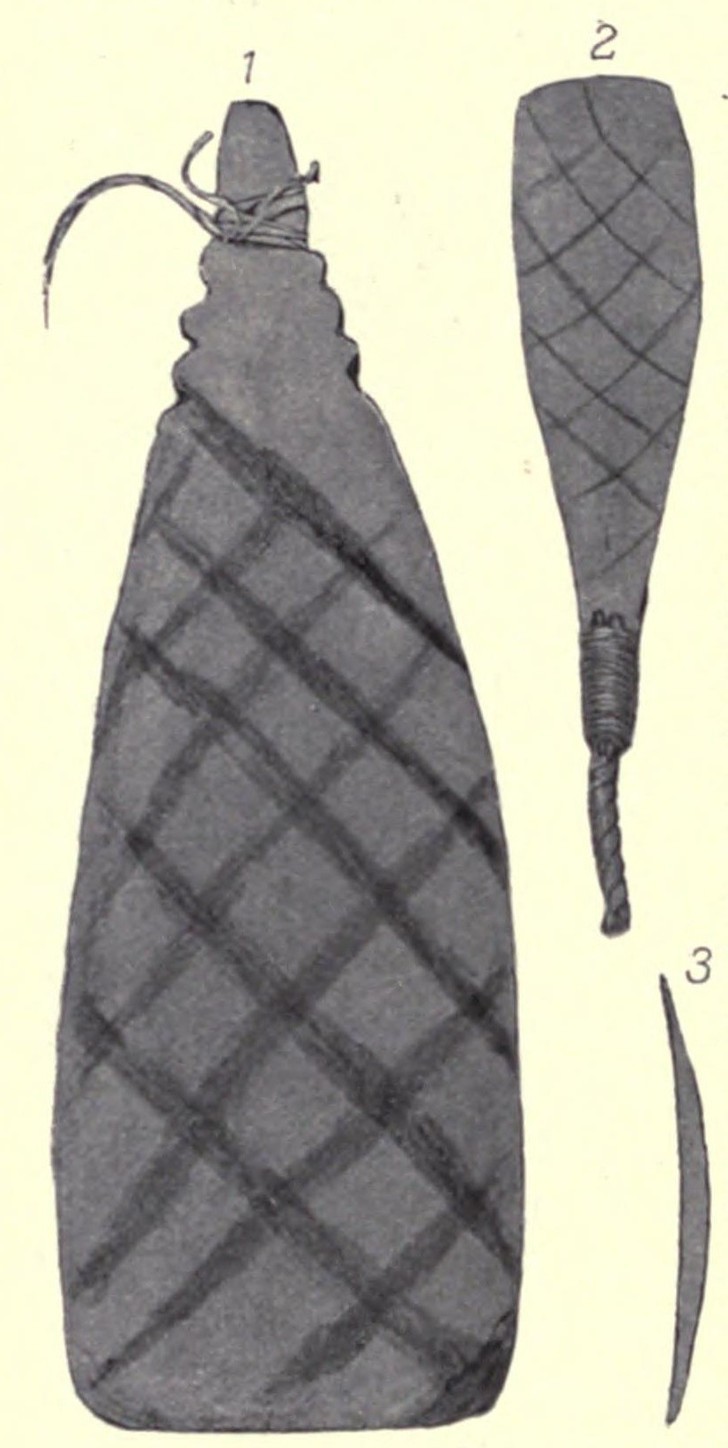
What takes the boy is a sound. Everywhere in Aboriginal Australia where initiation was held, its first and last sign was the roar of the bullroarer: a flat, pointed blade of wood whirled on a long cord, rising from a hum to a howl as it spins. The women and children never see it. They hear it, and they are told what it is.
Among the Arrernte, the boy waiting behind his screen of boughs was warned that if he tried to see what the men were doing, “Twanyirika, the great spirit whose voice was heard when the bull-roarers spoke, would carry him away” (Spencer & Gillen 1899, p. 222). Among the Yuin, Howitt was told that Daramulun, who lives in the sky and watches the actions of men, “first made the Kuringal and the bull-roarer, the sound of which represents his voice. He told the Yuin what to do, and he gave them the laws which the old people have handed down from father to son to this time” (1904, p. 495). When Howitt's own messenger sounded a roarer from a pile of rocks above the Kuringal camp, every man leapt to his feet:
The roaring of the Mudthi represents the muttering of thunder, and the thunder is the voice of Daramulun, and therefore its sound is of the most sacred character. Umbara once said to me, “Thunder is the voice of him (pointing upwards to the sky) calling on the rain to fall and make everything grow up new.”
A. W. Howitt, The Native Tribes of South-East Australia (1904), p. 538
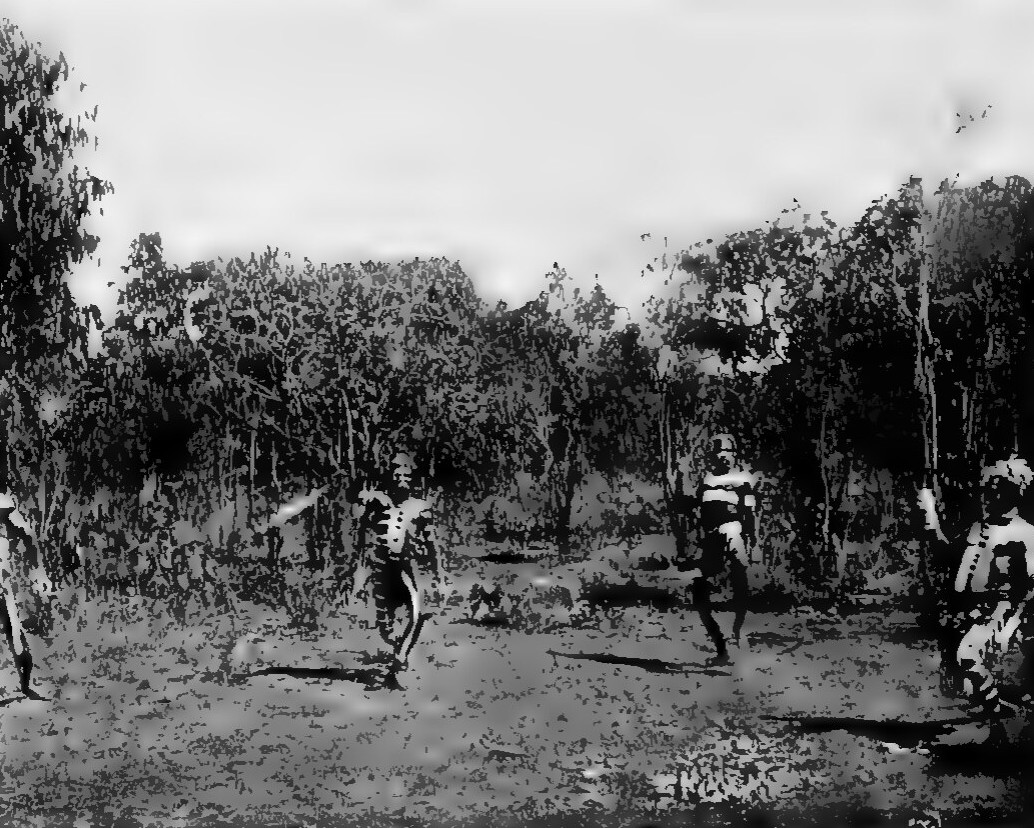
Thunder that makes everything grow up new: Umbara, the Yuin bard who taught Howitt, was not describing a noise used to frighten women. He was describing renewal. The sound that comes from the bullroarer comes from the sky and from the Dreaming. It calls the rain, it calls the people to ceremony, and it comes for the boys. In Gippsland, in eastern Victoria, the Kurnai women were told that at the secret parts of the ceremony “Tundun himself comes down to ‘make the boys into men,’” and that the sounds they might hear from far off were “Tundun's voice” (Howitt 1904, p. 631). The roar is the ancestor arriving.
The instrument itself was copied from the sky. The Kaytetye, the Arrernte's northern neighbours, told of two men of the Dreaming called Tumana, a word for the roaring of the churinga. Sprung from churinga themselves, they heard the sky-being Atnatu making the noise with his own churinga and tried to imitate it, first with bark, then with a board cut from a mulga tree. They decorated their boards with down, and where the down flew off as they whirled them, mulga trees grew, “out of which Churinga can now be made” (Spencer & Gillen 1904, pp. 272–273).
Women and children are not wrong to believe this. They are hearing the Dreaming from outside, where it is a voice without a body. The secret the men keep is not that the voice is false. It is what the voice is made of.
Showing the Grandfather
Howitt, a magistrate, explorer and naturalist in Gippsland, had the Kurnai initiation, the Jeraeil, revived in 1884 and took part in it, and he recorded its central mystery step by step. The Kurnai had two bullroarers, a large one called Tundun, “the man,” and a smaller one called Rukut-Tundun, “the woman, or wife of Tundun.” The larger one had another name too. It was called Wehntwin, Grandfather. And the climax of the whole initiation had a name of its own:
“Showing the Grandfather.” — This is the cryptic phrase used to describe the central mystery, which in reality means the exhibition to the novices of the Tundun, and the revelation to them of the ancestral beliefs. It is used, for instance, by the Bullawangs to their charges, as in telling them “This afternoon we will take you, and show your grandfather to you.”
A. W. Howitt, The Native Tribes of South-East Australia (1904), p. 628
An hour before sunset, the guardians led the novices to the edge of a dense tea-tree scrub, under the pretext of a walk:
On reaching the place, which was at the edge of an extensive and dense scrub of Ti-tree (Melaleuca), with a little open plain of some fifty acres in front, the novices were halted, and made to kneel down in a row, with their blankets drawn closely over their heads, so as to prevent their seeing anything. One of the Bullawangs knelt before each, and another stood behind. The principal Headman stood near, holding his throwing-stick in his hand. This being arranged satisfactorily, the ceremony commenced.
The second Headman emerged from the scrub at about a hundred and fifty yards' distance, holding his bull-roarer, a “man Tundun” in his hand, which he commenced to whirl round, making a dull-sounding roar. The man immediately following him had a “woman Tundun”; and in this way sixteen men came slowly forward, each one, as he came into the open, whirling his instrument and adding to the roaring and screeching din. By the time the last man had marched out into the clear ground, the leader had gained a point on the opposite side of the kneeling Tutnurrings, and the performers then halted in a semicircle, and produced a finale of discordant sounds.
When this ceased, the Headman ordered the novices to stand up, and raise their faces towards the sky. Then, pointing upwards with his spear-thrower, the blanket was pulled off the head of each boy by his Bullawang, and the eyes of all the novices being directed to the uplifted throwing-stick, the Headman said, “Look there! Look there! Look there!” successively pointing first to the sky, then lower, and finally to the Tundun men. Two old men now immediately ran from one novice to the other, saying in an earnest manner, “You must never tell this. You must not tell your mother, nor your sister, nor any one who is not Jeraeil.”
A. W. Howitt, The Native Tribes of South-East Australia (1904), pp. 629–630
Look there: at the sky, then lower, then at the men holding the boards. The headman's spear-thrower draws the line the Dreaming runs along, from the sky-being down to the instrument in a man's hand. Then he told the boys who was speaking. Long ago, Howitt condensed it, there was a great being called Mungan-ngaua, who taught the Kurnai every art they know and gave them their names. “Mungan-ngaua had a son named Tundun, who was married, and who is the direct ancestor (the Wehntwin, or father's father) of the Kurnai. Mungan-ngaua instituted the Jeraeil, which was conducted by Tundun, who made the instruments which bear the names of himself and of his wife” (p. 630). The bullroarer is named for the first Kurnai, and the first Kurnai is the boys' grandfather. To show them the board is to show them him.
Then, Howitt writes, the novices “were told to take the Tundun in hand, and to sound it, which they did with evident reluctance and apprehension” (p. 631). That night, each carrying a Tundun, they walked around the women's camp in the dark, swinging, and the women screamed.
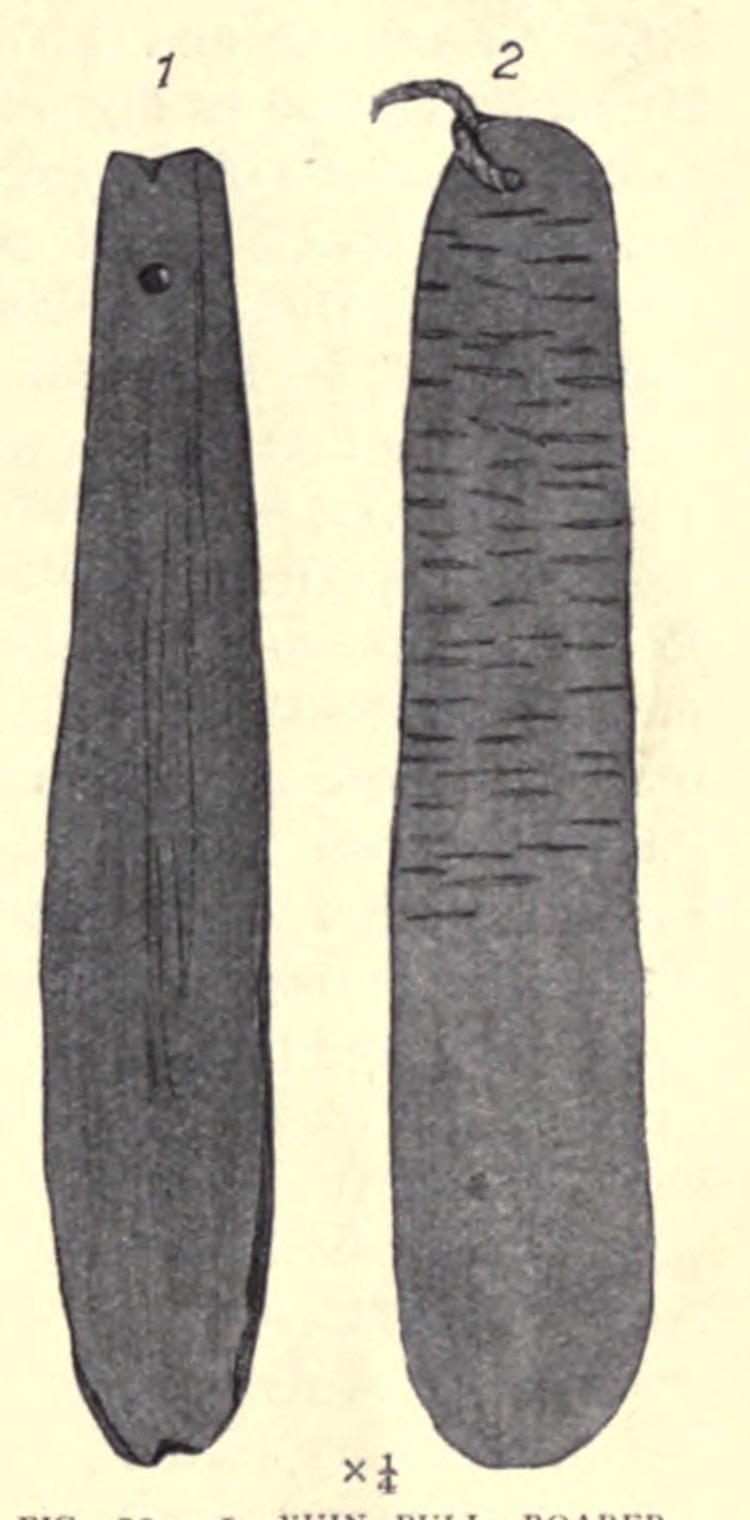
The Yuin held the mudthi in the same awe. When Howitt drew one from his bag and showed it to the Yuin elder Brupin, Brupin and his companion each “placed his hand over his mouth, and looked at the bull-roarer for some moments” (Howitt 1904, p. 517). And they made the same revelation in their own words. On the march home from the Kuringal, the headman Gunjerung called a halt on the crest of a range, had the bullroarers swung loudly, and showed the novices the tooth-stick, the mallet and the mudthis. Turning to a Wolgal boy from the high country, “he said, pointing to the bull-roarers, and especially to the one which had been sent to him: ‘These are what made the noise you heard, and this one was very strong, it brought me all the way from Moruya’” (Howitt 1904, p. 557; Moruya is a town on the south coast). Then the new men walked on, no longer led by their guardians, “but walking by themselves alongside the other men.”

And so back to Alice Springs, and the boy with the bleeding wound. One of his tribal elder brothers brought up some bullroarers “and, pressing them on the wound, told him that it was these and not Twanyirika which made the sound, that they were sacred Churinga and must never be shown or even mentioned to the women” (Spencer & Gillen 1899, p. 248). Then, when the men who had cut him had come forward one by one to embrace him:
When the presentations were over the oldest Okilia produced a bundle of Churinga (wooden ones for stone ones are never used on this occasion), saying as he did so, “Here is Twanyirika, of which you have heard so much, they are Churinga, and will help to heal you quickly; guard them well and do not lose them, or you and your Mia, Ungaraitcha and Quitia (that is, blood and tribal mothers and sisters) will be killed; do not let them out of your sight, do not let your Mia, Ungaraitcha and Quitia see you, obey your Okilia, who will go with you, do not eat forbidden food.”
Spencer & Gillen, The Native Tribes of Central Australia (1899), p. 249
It was these and not Twanyirika. Here is Twanyirika.— Spencer & Gillen, The Native Tribes of Central Australia (1899), pp. 248–249
To an outsider the old man first confesses the trick and then returns to it. With the Dreaming in mind, he teaches one thing. The voice was never a spirit floating free in the dark. It was always a churinga, a body of the Dreaming, the very kind of object in which the ancestors' spirits stayed when they went into the ground. What the boy heard from outside as a spirit, he now holds as a thing, and the thing is the spirit. The board heals him. It must never leave his sight. Its exposure would kill his mother and his sisters. Nobody talks this way about a prop.
The secret is that the living carry the Dreaming
Here is the centre of it. The secret of the bullroarer cult, the thing the women must never know, is that the voice of the ancestor is made by men. Outsiders have always taken this for the end of the matter: the old men deceive the women and children, and initiation lets the boys in on the deception. But that reading leaves out everything the men themselves said, and it cannot explain why the deception should be the most sacred thing they own, guarded on pain of death and handled with a hand over the mouth.
The Dreaming explains it. An ancestor of the Dreaming does not live in some other world. He lives in the rock, in the board, and in the man who is his reincarnation. The Dreaming is “everywhen” because it is carried, and the bodies that carry it are the churinga and the men. When men swing the bullroarer, the ancestor's voice really is sounding: through his wooden body, moved by his living one. The boy behind the blanket thinks the voice comes from somewhere beyond the camp. The man holding the cord knows it comes from here, because the Dreaming is here. That is the revelation. It does not empty the voice. It puts the voice in his own hands.
That is why the last act of every one of these revelations is the same: the boy is made to swing it. The Kurnai novices took the Tundun “with evident reluctance and apprehension” and sounded it; that same night they were the voice the women heard, walking round the camp in the dark as Tundun. The Arrernte boy is handed the bundle and told to guard it. The Yuin boys walk home alongside the men. Before initiation the boy was someone the Dreaming happened to. After it he is someone through whom it happens. He has become, in the plainest sense, the ancestor's voice. And since the Arrernte say that he was always that ancestor, born again from a spirit that waited in a churinga, the circle closes. The board he is shown is his own body of wood.
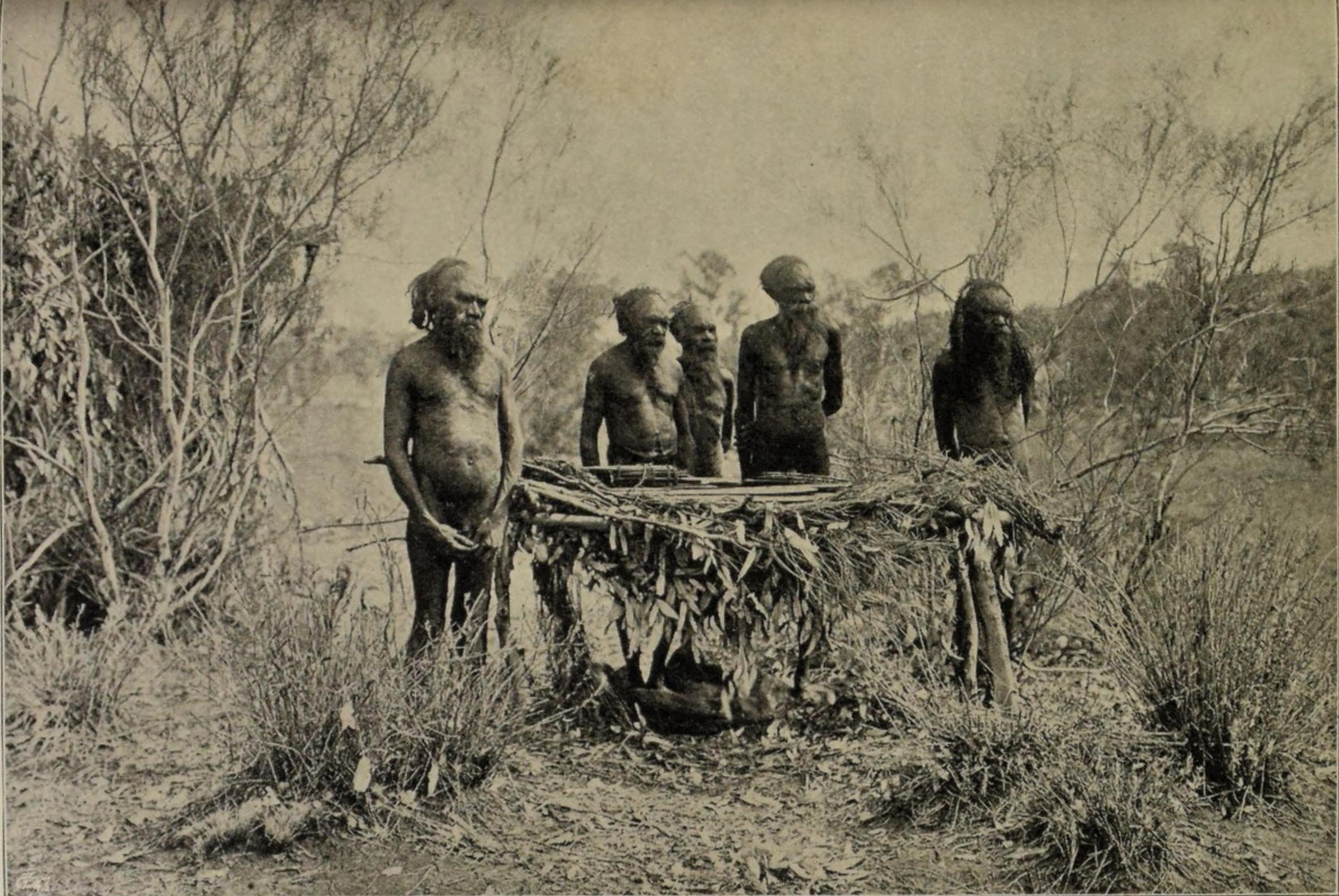
The Arrernte did not let a young man see the storehouse the day he was cut. He had to pass through circumcision and subincision, and to show himself “capable of self-restraint and of being worthy by his general demeanour to be admitted to the secrets of the tribe.” A man who was irkun oknirra, “light and frivolous and too much given to chattering like a woman,” might wait many years (Spencer & Gillen 1899, p. 139). The storehouse, the ertnatulunga, was usually a cleft among the rocks. Women went long distances round to avoid it. Hunted kangaroos and emus that reached it were spared, and the plants around it were never touched. Its sanctity, Spencer and Gillen wrote, came from the churinga inside, which “are associated not only with the living members of the tribe, but also with the dead ones”:
Indeed, many of the Churinga are those of special men of the Alcheringa, who, as tradition relates, wandered about and descended at these spots into the earth where their Churinga, the very ones which are now within the storehouse, remained associated with their spirit part.
Spencer & Gillen, The Native Tribes of Central Australia (1899), p. 135
The very ones which are now within the storehouse. The Dreaming is not remembered in the storehouse. It is kept there, in wood and stone, and the initiated men are its keepers. When the churinga are brought out, they are examined one by one, pressed against the bodies of the old men, and named by their secret names in whispers. The men who handle them are handling their own ancestors and their own second bodies.
The cult holds the world in place
If the Dreaming is the order of the world, and the initiated men carry it, then the bullroarer cult is not one religious activity among others. It is how the world is kept. The same men who hold the churinga perform the ceremonies of increase: at Emily Gap the witchetty-grub men tap the stones that are the grubs' eggs, singing to make them lay; elsewhere men pour their own blood on the rock of a plant totem so that it will bear. The roar brings the rain that makes, in Umbara's words, “everything grow up new.” Stanner's Dreaming is “a charter of things that still happen,” and the cult is how they go on happening.
This is also why the punishments were so terrible. Into the storehouse and its churinga, Spencer and Gillen wrote, “no woman dare pry at risk of death” (1899, p. 134), and the Arrernte boy was told that if the women saw his churinga, his mothers and sisters would be killed. The Kurnai explained the penalty with a story, which the headman gave the novices immediately after showing them the Grandfather. Once, a traitor revealed the secrets of the Jeraeil to the women, and Mungan-ngaua sent fire across the whole sky:
Men went mad with fear, and speared one another, fathers killing their children, husbands their wives, and brethren each other. Then the sea rushed over the land, and nearly all mankind were drowned. Those who survived became the ancestors of the Kurnai. Some of them turned into animals, birds, reptiles, fishes; and Tundun and his wife became porpoises. Mungan left the earth, and ascended to the sky, where he still remains.
A. W. Howitt, The Native Tribes of South-East Australia (1904), p. 630
To betray the bullroarer was to unmake the world, and the Kurnai said it had happened once. The law that keeps the secret is the law that keeps the land, the people and the animals in their places. Howitt's Yuin informants said the same of Daramulun, who “gave them the laws which the old people have handed down from father to son to this time.” The cult and the Law are one thing, and the bullroarer is its voice.
Here is the ancestor
Put the pieces in order and the whole Aboriginal ontology of the bullroarer stands up. The Dreaming is not a past. It is what the world is: the ancestors who made the country are in the country, and their spirits are in the churinga. Every person is one of them, come back through a mother. A child lives in the world of women, where the Dreaming is heard but not seen, a terrible voice beyond the firelight. Initiation kills that child, by fire, by the knife or in the belly of the Mother, and remakes him as a man. At the centre of the remaking he is shown the voice: a board of wood that the Kurnai call his grandfather and the Arrernte call his ancestor's body and his own. He is told that men make the sound. He is told that the board is the spirit. Both are true, because in the Dreaming the board, the ancestor, the voice and the living man are one. Then he is handed the cord.
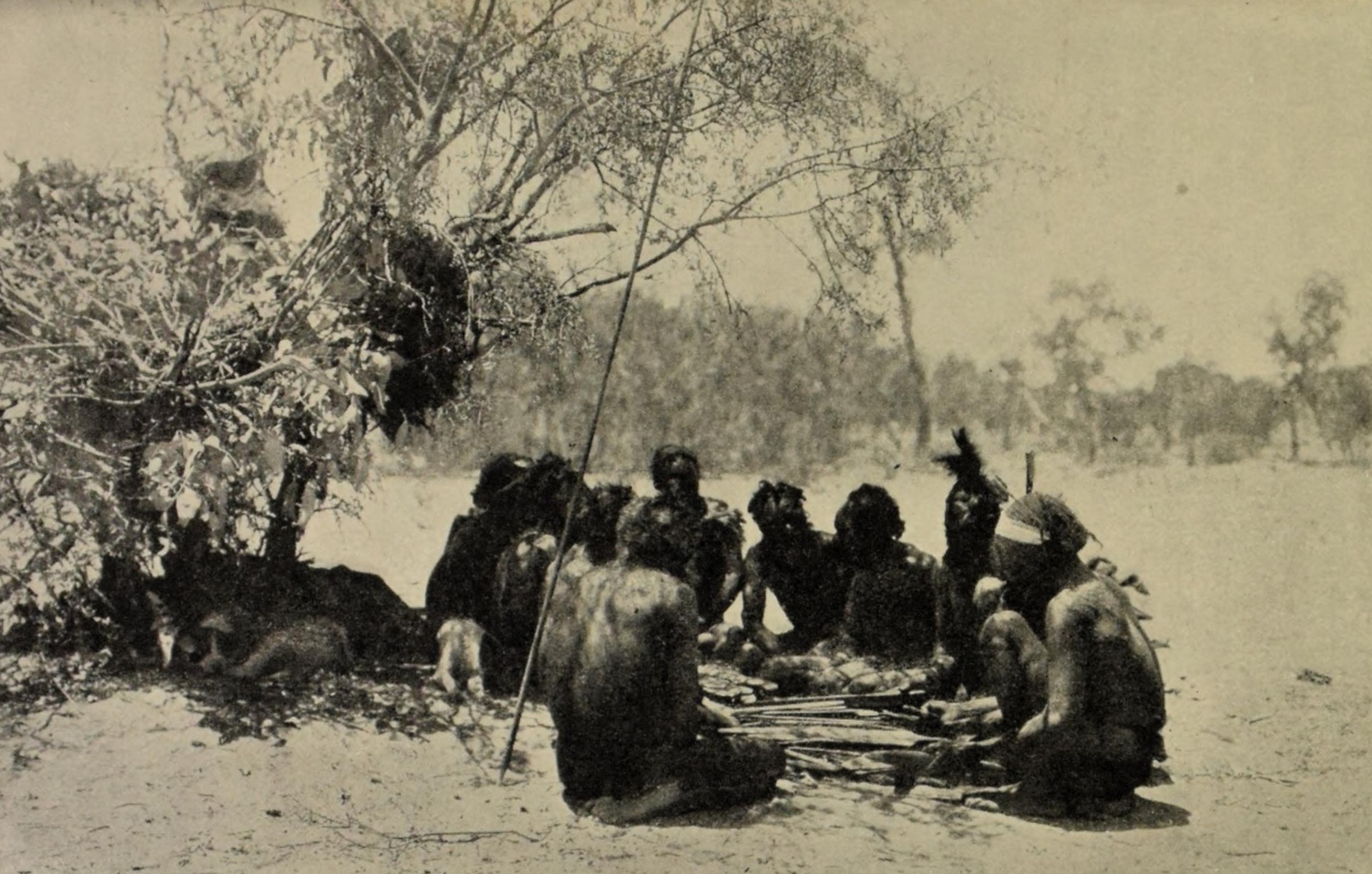
The Dreaming is not a vanished past but the ground of everything that is, present everywhen. Initiation is the rite that carries a boy out of his mother's world and into the Dreaming, and returns him as one of its bearers. The bullroarer is the place where the Dreaming breaks into the present, the ancestor's own voice and body: the boy first fears it, is then shown it, and at last learns that he is it. What he had heard all his life as a spirit coming for him was the Dreaming calling him by name. When he swings it for the first time, the roar that goes out over the camp is the oldest sound in his country, and it is his own voice.
Key sources
Spencer, B. and Gillen, F. J. 1899. The Native Tribes of Central Australia. London: Macmillan — the Alcheringa (p. 73 n., pp. 119–120); churinga as the bullroarer and the ancestors’ spirit parts (p. 123); conception and reincarnation at Emily Gap (pp. 124–125); the storehouse (pp. 133–135); churinga nanja and the secret name (pp. 138–139); Twanyirika (p. 222); the revelation at circumcision (pp. 248–249); Figs. 20, 24, 25, 45, 47, 49.
Spencer, B. and Gillen, F. J. 1904. The Northern Tribes of Central Australia. London: Macmillan — Glossary, s.v. Alcheringa (“dream times”; alcheri, dream); the Warlpiri Poaripa (p. 576); the Kaytetye Tumana (pp. 272–273).
Stanner, W. E. H. 1953. “The Dreaming.” Reprinted in White Man Got No Dreaming: Essays 1938–1973 (Canberra: ANU Press, 1979), pp. 23–40 — “everywhen” and the narrative, charter and logos (p. 24); the unitary ontology (p. 27); “a poetic key to Reality” and “a one-possibility thing” (p. 29). Stanner, W. E. H. 1959–63. On Aboriginal Religion (Oceania Monographs) — the Murinbata Mother and her voice.
Howitt, A. W. 1904. The Native Tribes of South-East Australia. London: Macmillan — Daramulun, the Kuringal and the bullroarer (pp. 495, 517, 538, 557–558); the Kurnai Jeraeil and “showing the Grandfather” (pp. 628–632); Figs. 29, 30, 37.
Harrison, J. E. 1912. Themis: A Study of the Social Origins of Greek Religion. Cambridge — the Wiradjuri Dhuramoolan, quoting Frazer (1901) after R. H. Mathews, “The Burbung of the Wiradthuri Tribes,” Journal of the Anthropological Institute 25 (1896) (p. 18); initiation as communion with the ancestors (p. 19).
Strehlow, C. 1908. Die Aranda- und Loritja-Stämme in Zentral-Australien, vol. 2, p. 80 — “Nana unta mburka nama,” as given in Róheim, G. 1945. The Eternal Ones of the Dream. New York: International Universities Press, p. 237.
Spencer, B. 1914. Native Tribes of the Northern Territory of Australia. London: Macmillan — Fig. 44 (Larrakia initiation).
Eylmann, E. 1908. Die Eingeborenen der Kolonie Südaustralien. Berlin: Reimer — Plate XXXI, fig. 9 (West Arrernte bullroarer).