No. AUSIN-011
Larrakia Bidu-bidu Darwin
Australia · Darwin · Larrakia country · Top End
Restricted

Bidu-bidu
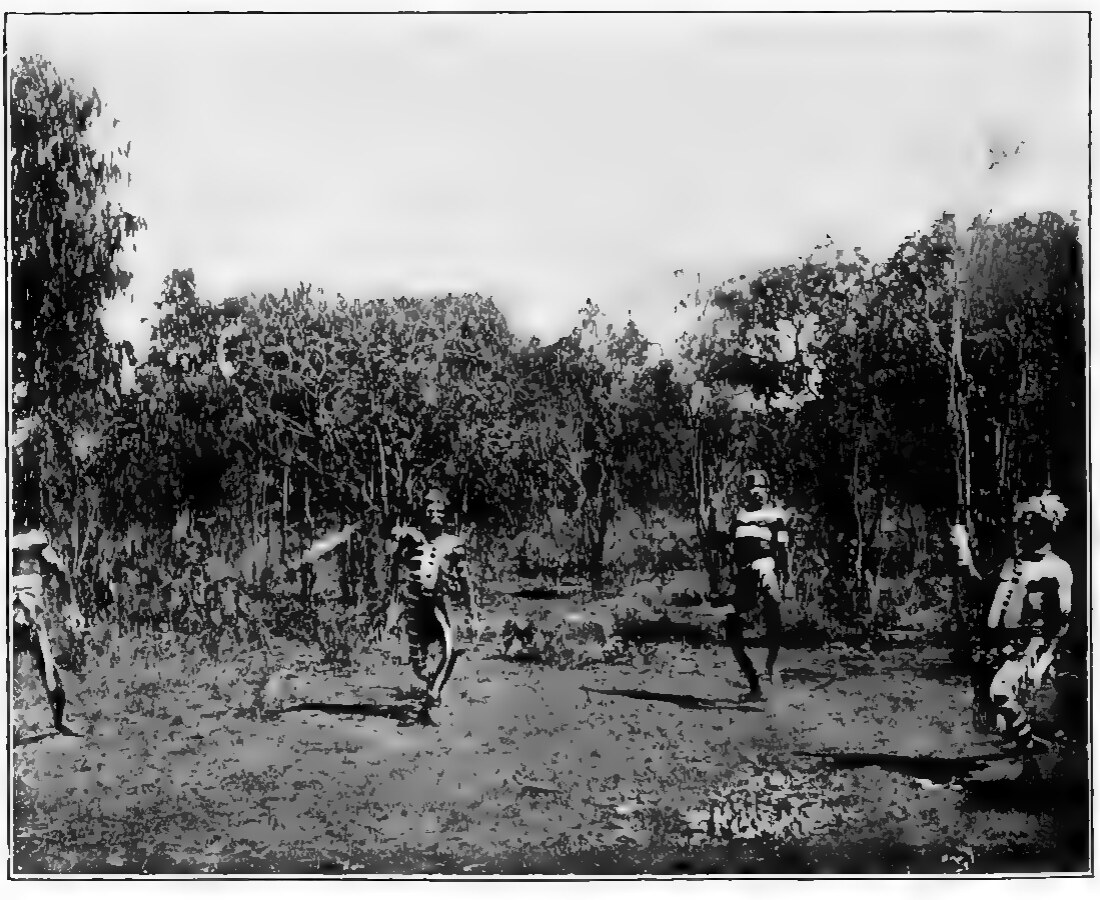
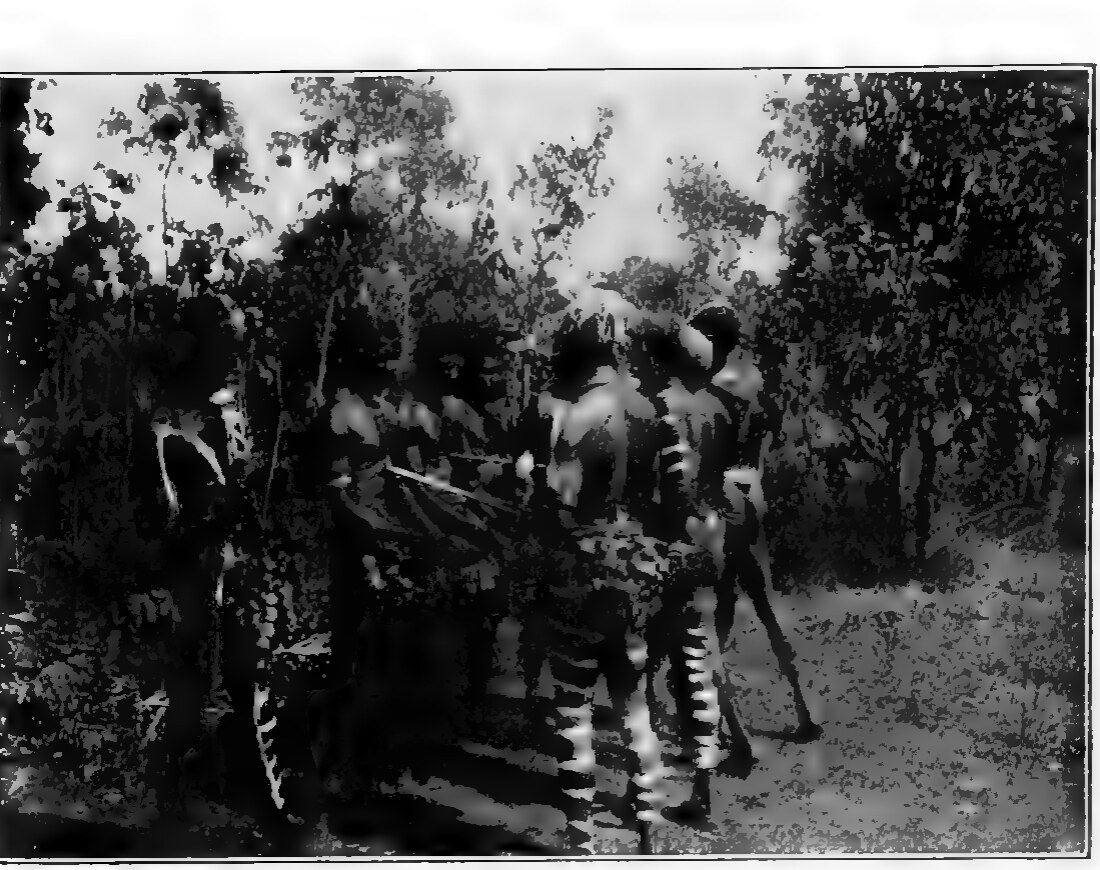
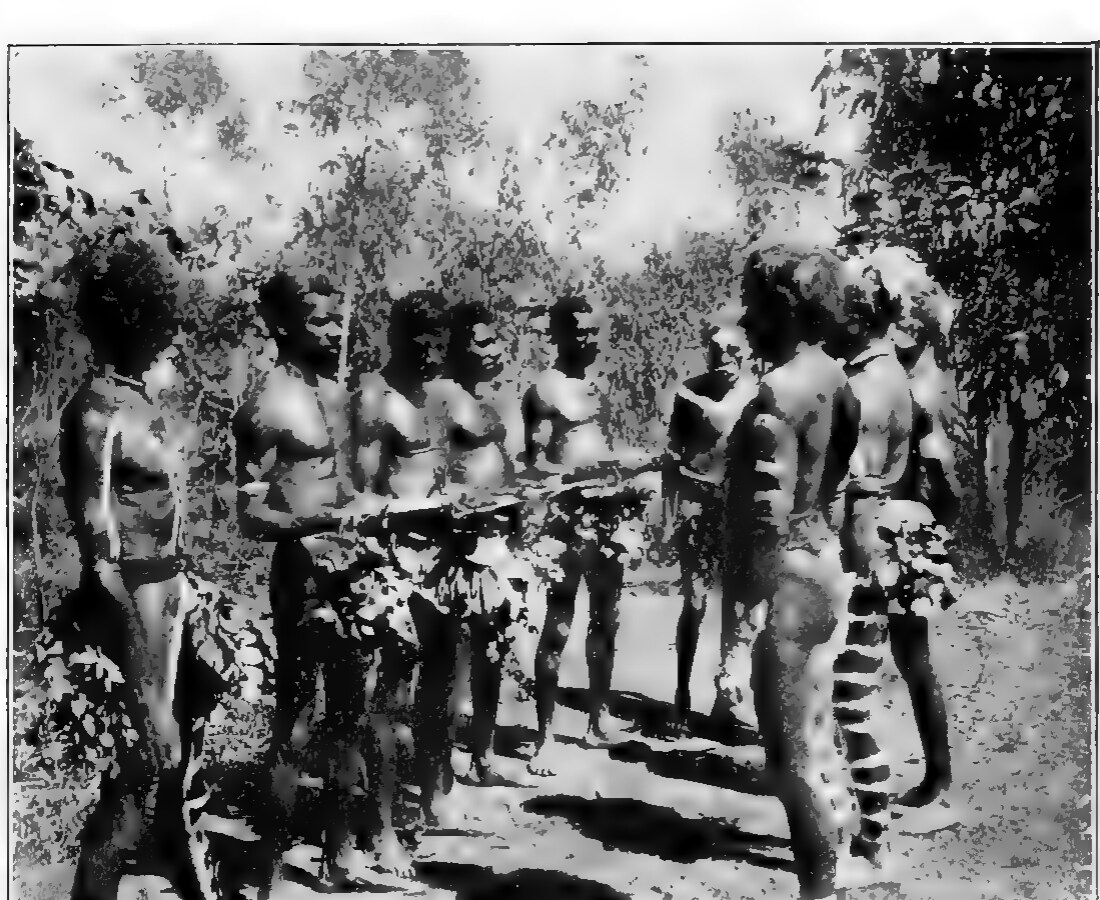
On Larrakia country around Darwin, Baldwin Spencer photographed the bullroarer at the center of the male initiation rite: one plate shows a man swinging it overhead, a second shows it held up before the initiates, and a third shows it laid across their open hands. Spencer recorded the belief that ran through the mainland tribes and was held by the women and children kept away from the rite — that the instrument's drone was the voice of a spirit come to carry the youth away. The glass-plate negative of the Larrakia and Mungarai initiation churinga, made in 1911, survives in Museum Victoria.
they, like the women and children, have been taught to believe that the sound is the voice of a great old man who has come to take them away into the mangrove scrub.
Spencer 1914, Native Tribes of the Northern Territory of Australia
Particulars
- Object
- Sacred bullroarers shown to initiates
- Function
- Initiation-associated sacred bullroarers among Larrakia
Source
Baldwin Spencer, Native Tribes of the Northern Territory of Australia (1914), pp. 26, 153, 155