No. PALAUMARTI1964-001
Orò outside the walls of Kétu
Kétu kingdom: Kétou (Plateau, Benin) and Meko · Imeko (Ogun State, Nigeria) · West Africa
Restricted
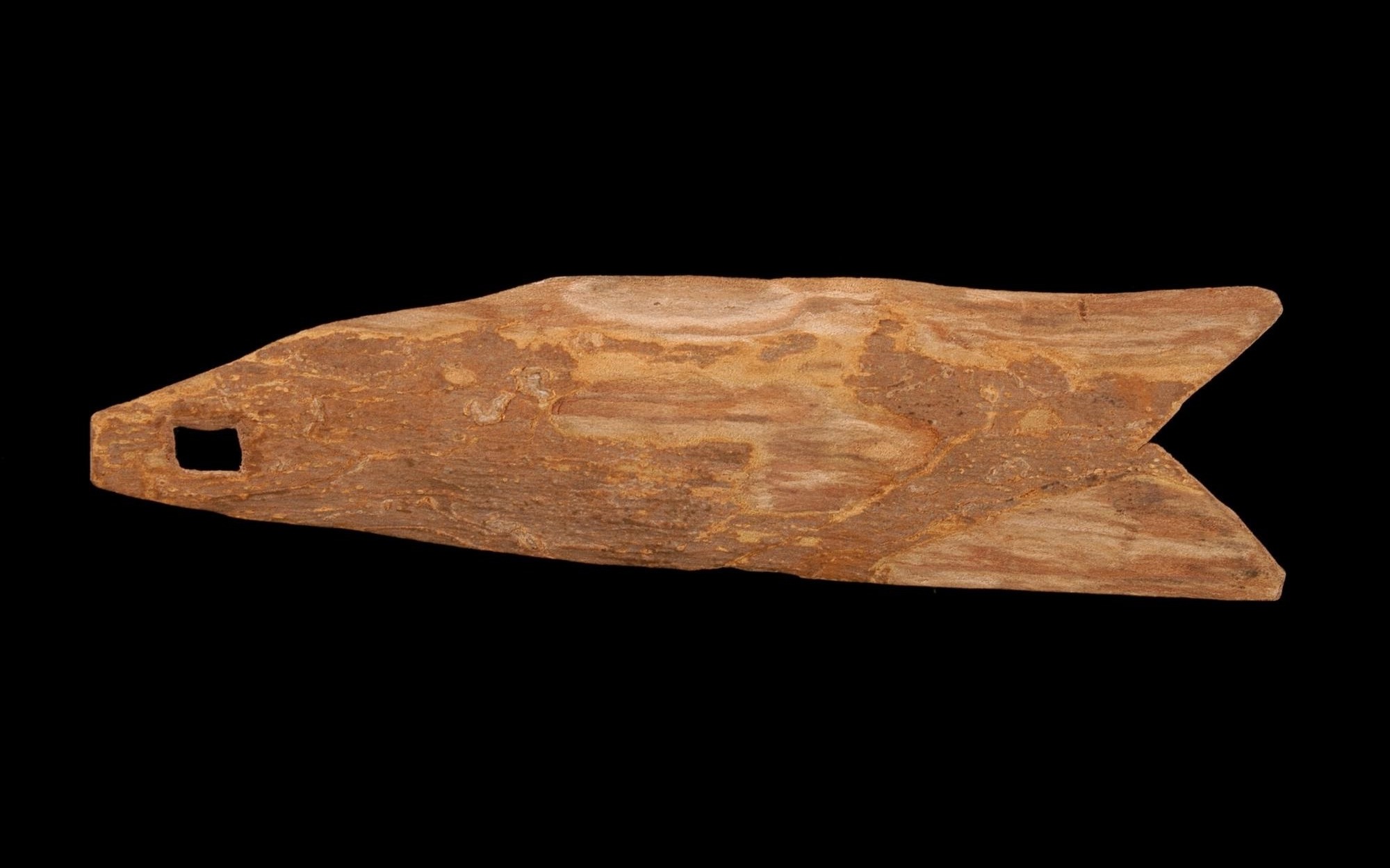
Orò
Source term: rhombe; la voix d’Oro
Orò: the Yoruba night god whose voice is the bullroarer. Alakétu: the king of Kétu. Idéna: the gate of Kétu’s walls, itself an orisha. Baba Yaki: the orisha honoured at Meko during the installation. Ogboni: the society of elders bound up with Orò.
Inside the walls of Kétu, Orò was forbidden. The roar of the night god was heard in the town’s streets only when a king died: then every fire was put out, ordinary law lapsed, and each person had to fend off troublemakers alone. Women who had seen Orò were beheaded, and their heads were carried to Idéna, the gate in the walls that is itself a god. A new king met Orò outside. Retracing the road of Edé, the kingdom’s founder, he spent two days at Meko, thirty kilometres to the east in what is now Nigeria. The Ogboni society came out on the first; on the second evening, after sacrifices to the god Baba Yaki, the voice of Orò sounded through the village.
Le vrombissement du rhombe.
The roaring of the bullroarer.
Montserrat Palau Marti, Le Roi-Dieu au Bénin (1964), p. 53, n. 3
Particulars
- Object
- A bullroarer giving Orò its voice; its form is not described.
- Function
- Forbidden inside Kétu’s walls except at a king’s death, when Orò sounds in the streets; heard at Meko on the second evening of the future king’s installation pilgrimage, after sacrifices to Baba Yaki. Women who saw Orò were beheaded.
Source
Montserrat Palau Marti, Le Roi-Dieu au Bénin: Sud Togo, Dahomey, Nigeria occidentale (Paris: Berger-Levrault, 1964), pp. 44-53