No. GIFFORDKROEBER1937-002
Kalekau thunder, seen by old women
United States · California, Mendocino County, Sherwood Valley · North America
Restricted
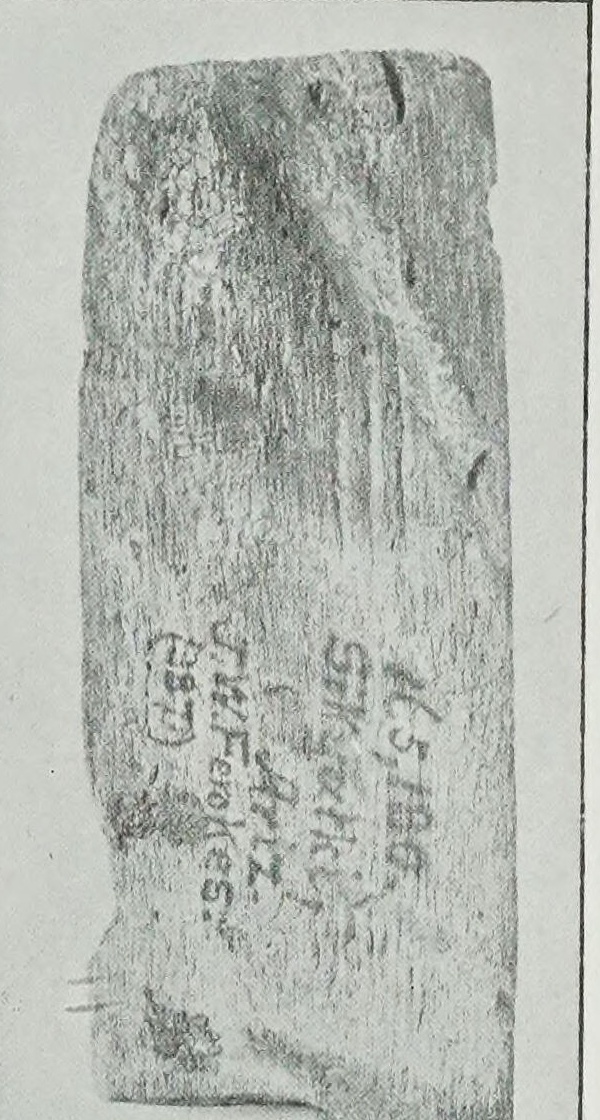
Source term: bull-roarer
Kalekau, also Kulakai: a Northern Pomo community of Sherwood Valley, Mendocino County.
In the assembly house at Kalekau, in Sherwood Valley, a shaman whirled a wooden bullroarer that made a noise like thunder. Only men worked it, and it belonged to the schooling of the boys. Younger women and children were forbidden to see it, but the old women might watch. Kalekau's main village stood by a wet-weather pond at the edge of the redwoods, two miles south of Sherwood; its people were friends with Little Lake and Willits, who let them gather acorns, and at war with the Kato and the Coast Yuki.
Made noise like thunder. Whirled by shaman in assembly house.
Gifford and Kroeber, "Culture Element Distributions: IV—Pomo" (1937), p. 186, n. 543.
Particulars
- Object
- A wooden bullroarer whirled by a shaman in Kalekau's assembly house; it made a noise like thunder.
Sources
- E. W. Gifford and A. L. Kroeber, 'Culture Element Distributions: IV—Pomo', University of California Publications in American Archaeology and Ethnology 37(4) (1937): 117–254, pp. 120, 123, 145, 186 View
- Frank Essene, 'Culture Element Distributions: XXI—Round Valley', Anthropological Records 8(1) (1942): 1–97, p. 24 View