No. NAMER-018
Kato (Cahto)
United States · Cahto Valley and Long Valley, head of the South Fork of the Eel River, near Laytonville and Branscomb, Mendocino County, northern California · North America
Restricted
telbut
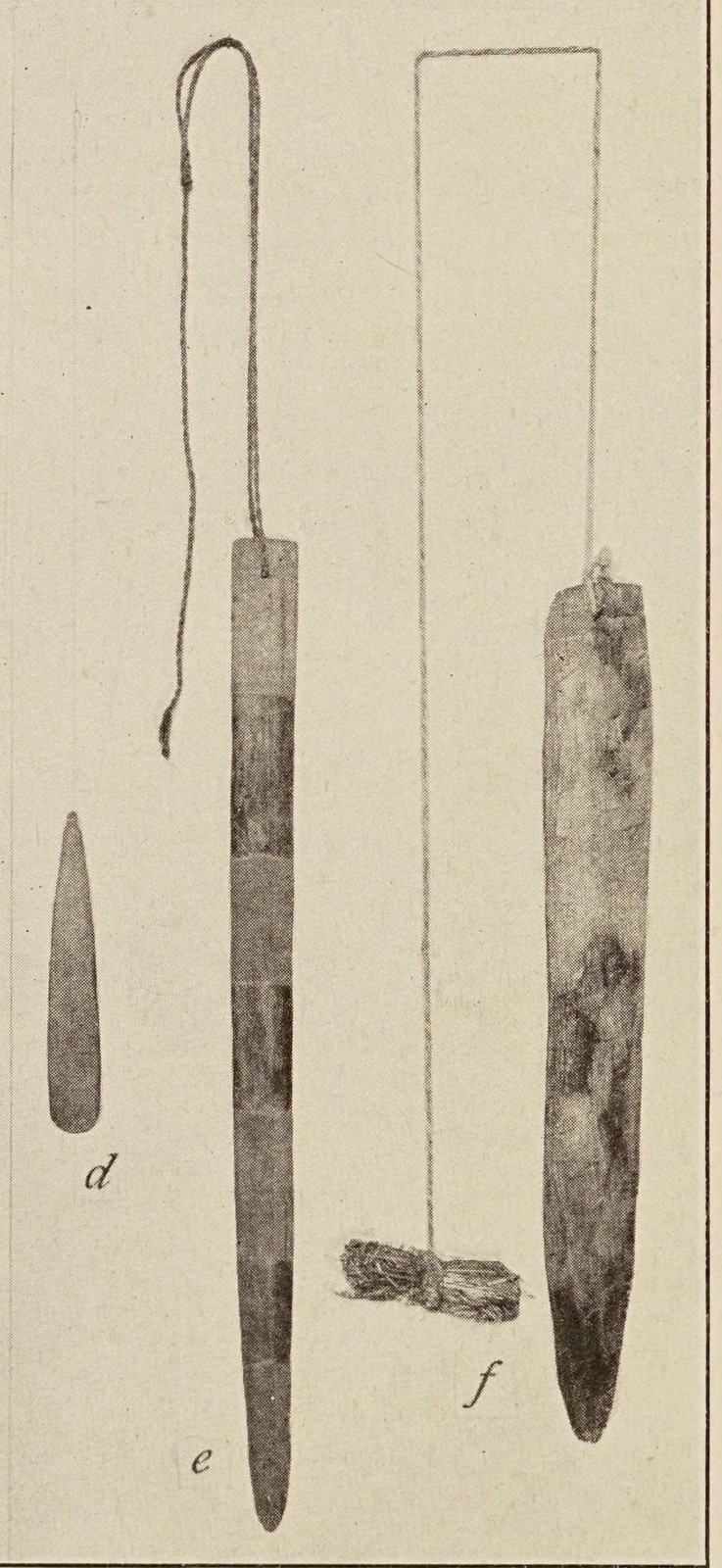
Among the Kato (Cahto), the southernmost Athabascan people of the California coast, at the head of the South Fork of the Eel River, every boy of about twelve was shut into the earth-covered dance house for the whole winter. Starved, blackened, and laid in a row under straw until they grew weak "like dead people" -- the chief turning the row over each morning -- the novices were visited each night by men impersonating the ghosts of the dead, who came down from the hills. After the ghosts entered, bullroarers were whirled inside the house. To the women at home, who were barred from the rite and told nothing of it, the roaring was the voice of the ghosts themselves. Mornings were for teaching: be good to your families, tell no lies, keep away from girls, and if the big snake or the poisonous mountains made you sick, send for Nagaitco to cure you.
After the ghosts had entered, the bullroarers were sounded. The women at home believed that the bullroarers were the voices of the ghosts.
Loeb, "The Western Kuksu Cult," UC-PAAE 33(1):27, 1932 (The Kato).
Particulars
- Object
- Whirled bullroarers sounded inside the earth-covered dance house during the Kato boys' winter initiation school (keate).
- Function
- Whirled in the boys' winter initiation school so that the excluded women would believe the roar was the voices of the ghost-impersonators.
Source
Loeb, Edwin M. 1932. "The Western Kuksu Cult." University of California Publications in American Archaeology and Ethnology 33(1):1-137. "The Kato" section pp.26-40; ghost-school bullroarer passage at p.27