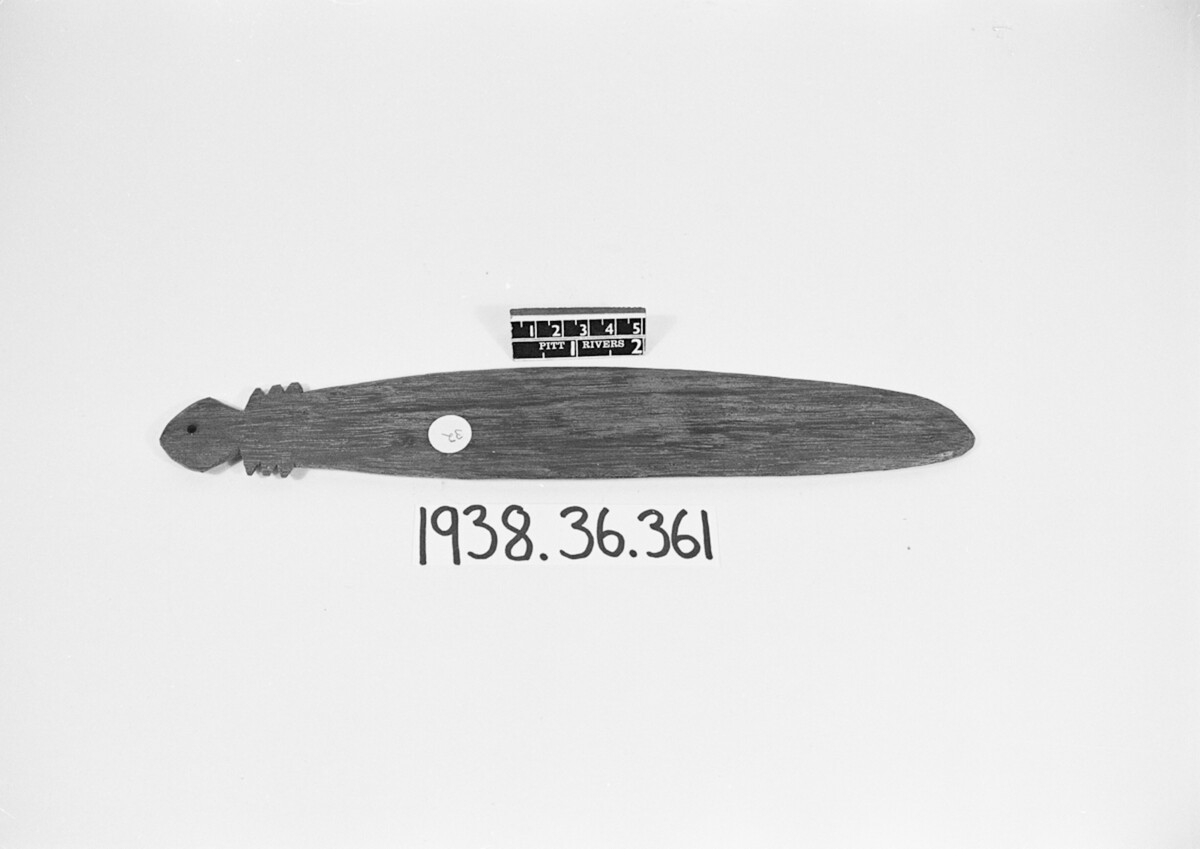
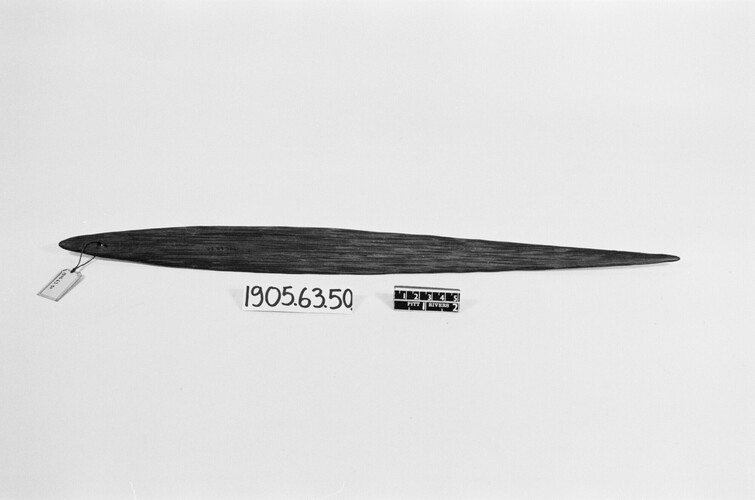
Inside the dark belly of a wicker being, a boy sat cross-legged and wove. His uncle poked a strip of cane through the wall; the boy passed it back in the proper place. The great mouth was his door. In the Purari delta, where the Purari River reaches the Gulf of Papua in Papua New Guinea, a boy learned how the beings were made so that he could remake them after his father died. Further knowledge came in stages: the kaiaimunu renewed in their alcoves, the carved boards of each clan, and bullroarers whose oldest examples frightened even seasoned men. 2, 1
A river world brought indoors
A Purari ceremonial house, the ravi, narrowed from a high, wide entrance to the low, screened ravi-oru at the back. Along its sides ran the larava, alcoves each held by a small patrilineal group. Behind the screen stood the kaiaimunu, great hollow four-legged beings of woven cane with bright eyes and cavernous mouths. Each had a personal name, and each was tied to an alcove and to a river. Walking the house, a visitor passed the kin groups along its walls, their beings sheltered behind them, and the rivers running on beyond. 2
Each being had a travelling counterpart, its imunu-vii, the “canoe of the imunu”: an ancient, indestructible animal, usually a fish, sometimes a crocodile, more rarely a pig or a snake. It carried the being’s soul along the waterways. The owning clan would not kill or eat that species. A dozen alcoves in one house might hold wicker beings that looked alike, each with its own food prohibition. 2
The carved and painted koi boards stood with rows of pig and crocodile skulls in the clan alcoves. A photograph of Au Maria’s larava at Onopo Ravi, among the Iari, shows a crowd of carved faces above the skulls. Decades later, Iari elders looking at the old photographs remembered their terror on first seeing the hidden wicker beings, and their delight at learning that the beings’ voices came from bullroarers swung inside the ravi. 3
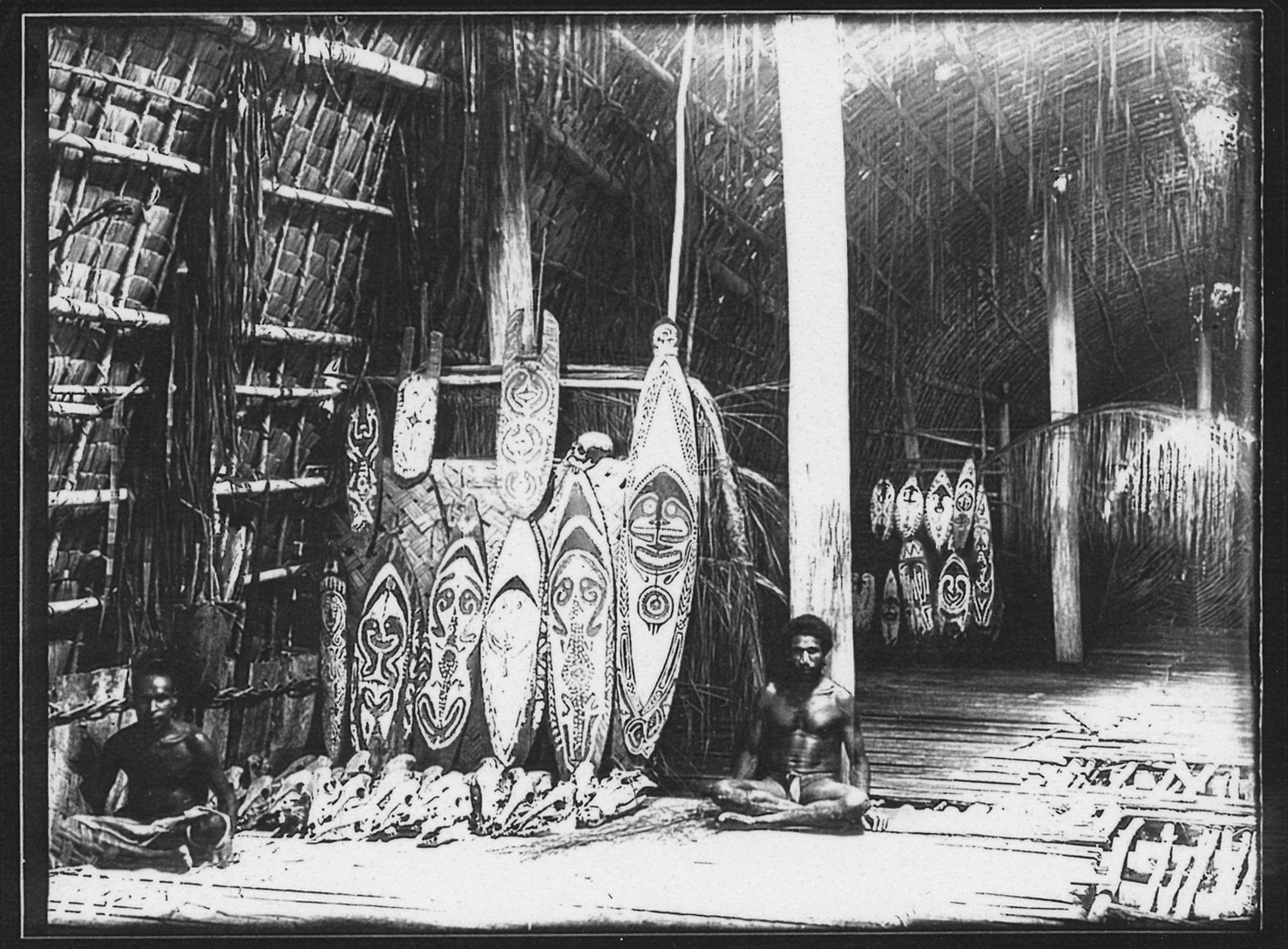
Au Maria’s clan alcove in Onopo Ravi among the Iari, with painted koi and skulls. 5
Destroying the body, learning to build it
In 1922, in the Akia and Mira houses at Ukiravi, Pairama renewed kaiaimunu that might have stood for years in damp darkness, their floors rotting and their cane bored by insects. The first revelation was destruction: the old beings were carried to their own alcoves and boys were lifted onto them to stamp them apart, with men helping the smallest. Each torn body was gathered up and wrapped, and new cane hoops went together almost at once in its place. 2
The boys’ part in the rebuilding was close and practical. Working from inside the mouth and belly, they passed cane back to an uncle outside. A frightened novice was told to watch, because one day he would have to do this without his father. In a photograph from Mira Ravi, the child Ove Eh sits inside the unfinished being’s mouth. Pairama novices were very young, often about seven and sometimes younger, and this first stage did not make them men. 2
The new bodies were woken with smoke and with chewed hot bark sprayed down their throats. Then men charged about the house carrying them, shoving and jostling in a noisy game called kopai. One being named Koivi kept six bearers panting as it lunged and shook, while its keeper coaxed it by name. 2
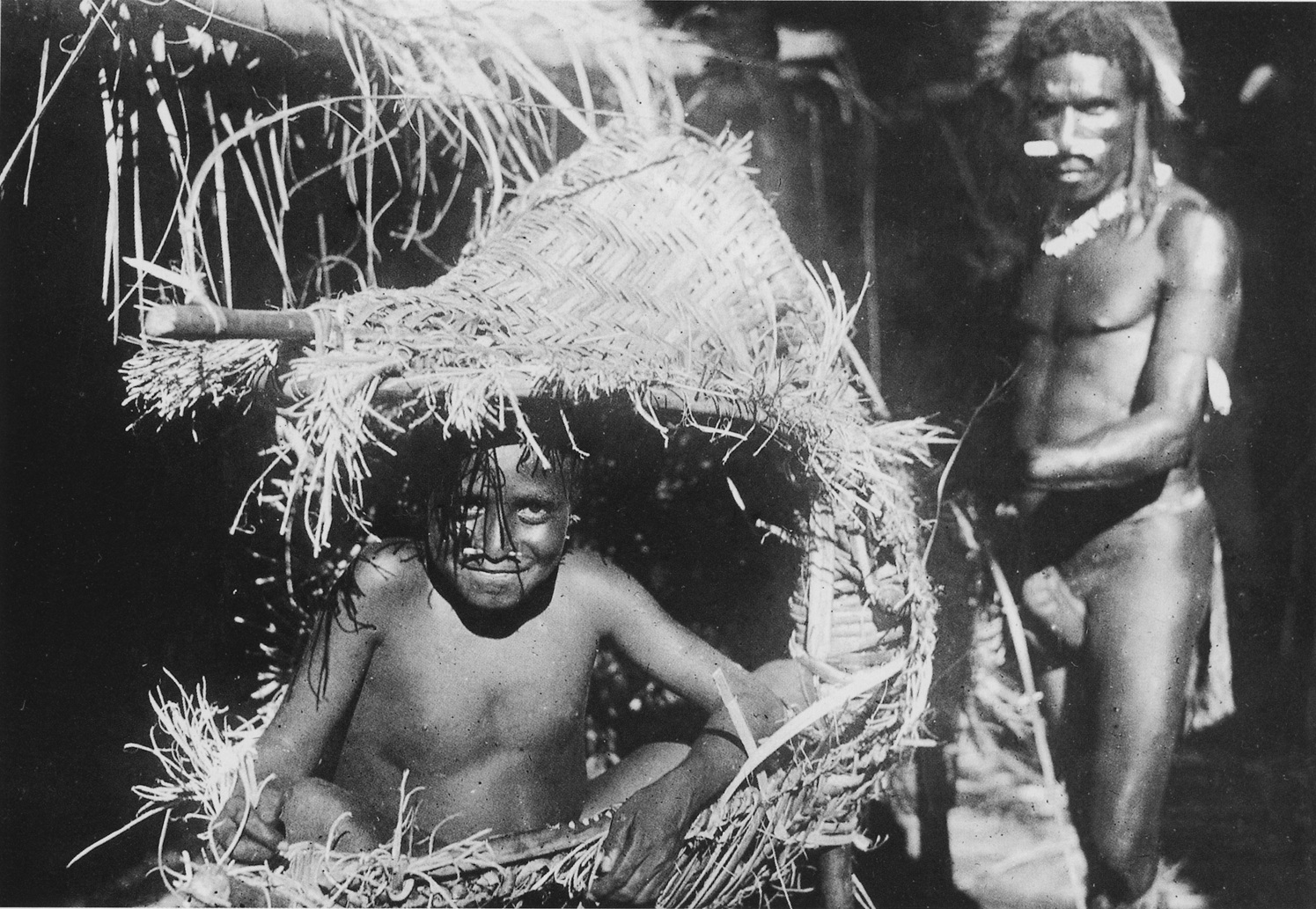
Ove Eh helps weave a kaiaimunu at Mira Ravi, Ukiravi, working inside its mouth while an adult passes cane from outside. 4
The upura fraternity
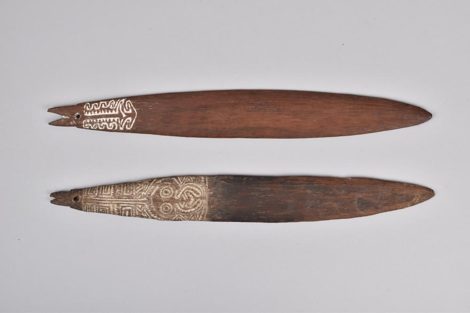
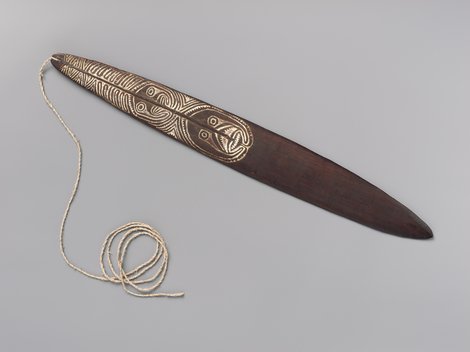
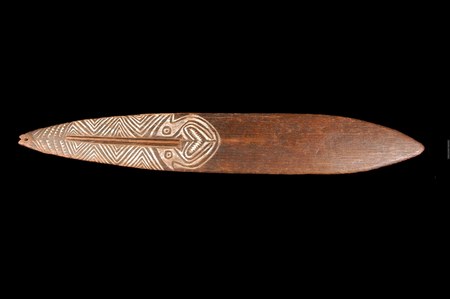
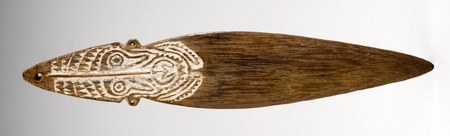
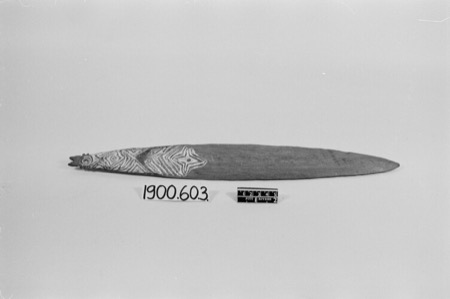
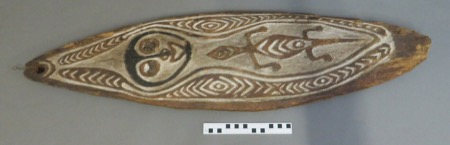
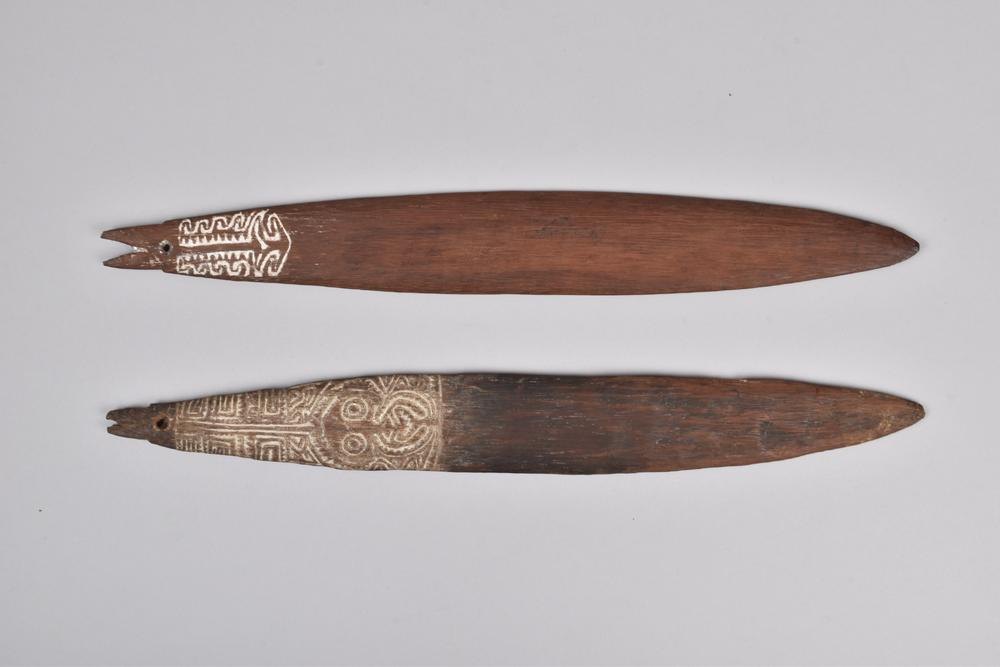
The bullroarer had its own admission. Pairama was the basic initiation, into the wicker beings; upura was a further fraternity, entered only by the minority of men who could supply the pig it required. Upura gave a man a blade of his own. 1
All the novices went out together to cut wara wood. The mari, a ceremonial chief, was supposed to strike the first axe-blow. Back at the ravi, skilled hands split, scraped, finished and carved the new blades, and the old ones were brought out beside them. Each novice was shown the blade made for him, but it was not put in his hands. Qualified mari or amua sounded the new instruments, painted them red and hid them again. The boys received new ipi aprons, bathed, and went about in their new standing until a later feast closed the observance. Even the chips of sacred wood were carefully gathered up. 1
Owning without touching
A son could own his aged or dead father’s upura and still be unable to handle it; handling was for the mari and amua. A man could hold blades in several houses, paying a pig for each admission and earning credit as someone who commanded wealth. At Ikinu, Evoi could name the owners of the newer blades, though not of the oldest. In Koriki houses the instruments lay on mats in the rear sanctuary; among the Iari, bundles lay in woven bags in each alcove; among the Kaimari, they might lie behind carved boards or beneath skulls. 1
Purari · Iari · Purari / Kaimari · Koriki, Kairu (Purari Delta)
Age made them stronger. An interpreter watched Williams handle the newer blades without concern, then took fright when he picked up an old, worm-eaten one. Even an experienced amua approached the sacred collection warily while the house fell silent. The blade’s name, imunu viki, means “the weeping imunu,” and besides the upura ceremony it sounded after an amua’s burial, mourning the dead man. 1
Women owners and household blades
Some women entered the upura mysteries and became owners. At Ukiravi a trusted informant limited the privilege to daughters of amua on the Aivei, or Iria, side of the house. Outside the ravi, kanipu patrolling the coconut groves swung household bullroarers, and women and children watched them boom with amusement. The sacred blades of the ravi never went out on patrol. 1
How the blades travelled
At Evara and Akiravi on the Baroi River, people remembered upura as a fairly recent arrival, and named Kaimari and Ukiravi as the places its blades had come from. Ako brought two. They passed to his son Omaro, who traded one to Kairi for a pig, and other people carved copies from the originals. Koivi remembered a dying relative calling him in and telling him to search beneath the rubbish in his alcove for the blade he was to inherit. 1
Names that carry the tradition
| People | Name | Meaning or use |
|---|---|---|
| Purari | upura / imunu viki | The sacred bullroarer; imunu viki is the weeping imunu 1 |
| Purari | ravi-oru | Screened rear compartment of the ceremonial house 2, 1 |
| Koriki and other Purari communities | larava | A clan alcove and the group belonging to it 2 |
| Purari | imunu-vii | Canoe of the imunu: its ancient animal travelling counterpart 2 |