No. SCHILTZ1978-001
Oroke, the voice before Atipako
Nigeria · Iganna, Iwajowa LGA, Oyo State (Oyo Yoruba) · West Africa
Restricted
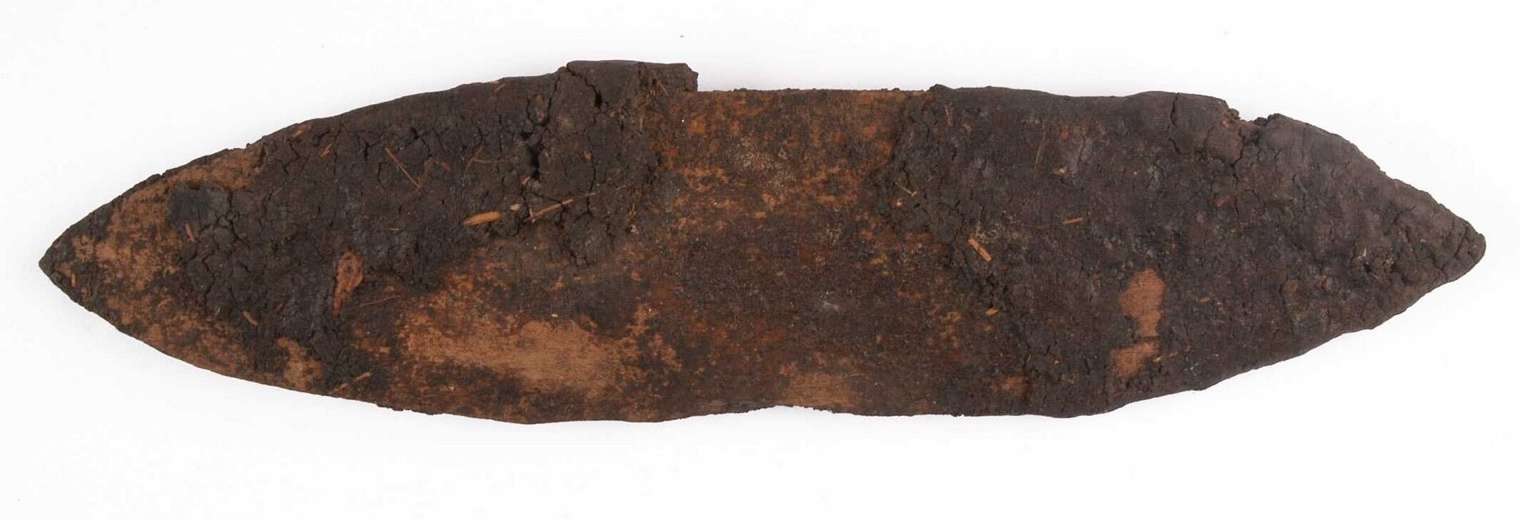
oroke
Source term: bull-roarer (oroke)
oroke: the bullroarer, voice of Orò. Atipako: a royal Egúngún of Iganna, once a war trophy. Egúngún: masquerades of the returning dead. Alaafin: the king of Oyo.
In Iganna, the day the royal masquerade Atipako comes out is announced by the frightening roar of the bullroarer, oroke. That should not happen. The bullroarer is the voice of Orò, a cult set against the Egúngún masquerades: Egúngún show themselves to men and women alike, while Orò may not be seen by women, and masqueraders carefully skirt Orò’s domains. Atipako is no ordinary mask. He and his fellow Janduku were trophies taken in wars the kings of Iganna fought for the Alaafin of Oyo, and Atipako once helped the town’s rulers punish offenders, even executing notorious witches and criminals. He still rushes madly through the streets, brandishing a huge dagger, and at the royal festival a goat’s blood is poured over his headpiece, for without it, people say, Iganna would not prosper.
His appearance in the town is announced by the frightening sound of the bull-roarer (oroke).
Marc Schiltz, African Arts 11 (3) (1978), p. 52
Particulars
- Object
- A bullroarer called oroke; its form is not described.
- Function
- Announces the day the royal Egúngún Atipako comes out, although the bullroarer is otherwise the voice of Orò, a cult opposed to Egúngún whose spirit women may not see.
Source
Marc Schiltz, “Egungun Masquerades in Iganna,” African Arts 11 (3) (1978): 48-55, 100