No. SALOKOSKI2006-001
Ombalantu boys take the Big Birds’ voice
Namibia · Owamboland · Ombalantu (Uukwambalantu), Omusati Region · Southern Africa
Restricted
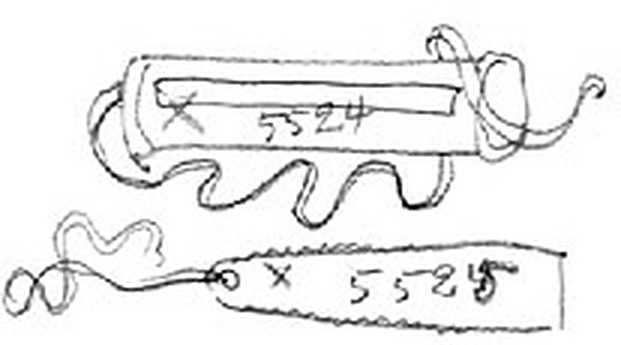
Source term: bull-roarers; Big Birds (omazila / omadhila)
omazila / omadhila (sing. eedhila, eethila): the Big Birds, called the “spirits” or “Gods” of circumcision in Owambo narratives; their sound came from the whirled bullroarer.
In Ombalantu, as elsewhere in Owamboland, the noise heard at a boy’s circumcision was the voice of the Big Birds, the dangerous spirits of the rite. To be “eaten” by them was to be possessed. Elders made that voice before, during and after the cutting. Then the roles turned: at a later stage of the initiation the boys themselves took over the bullroarers and played them. When they had healed, they left the initiation camp and travelled across the country, no longer the Birds’ prey but men who held their voice.
In Ombalantu and Uukolonkadhi the boys took over the bull-roarers and played them at a later stage of the initiation process.
Salokoski 2006, p. 255
Particulars
- Object
- Bullroarers sounded as the voice of the Big Birds at boys’ circumcision; no Ombalantu specimen, size or material described.
Source
Märit Salokoski, How Kings Are Made – How Kingship Changes (University of Helsinki, 2006), pp. 253, 255