MUS2026-236 - museum specimen
Kulgera Rainbow Serpent churinga
Kulgera, Northern Territory, Australia
Restricted Candidate only
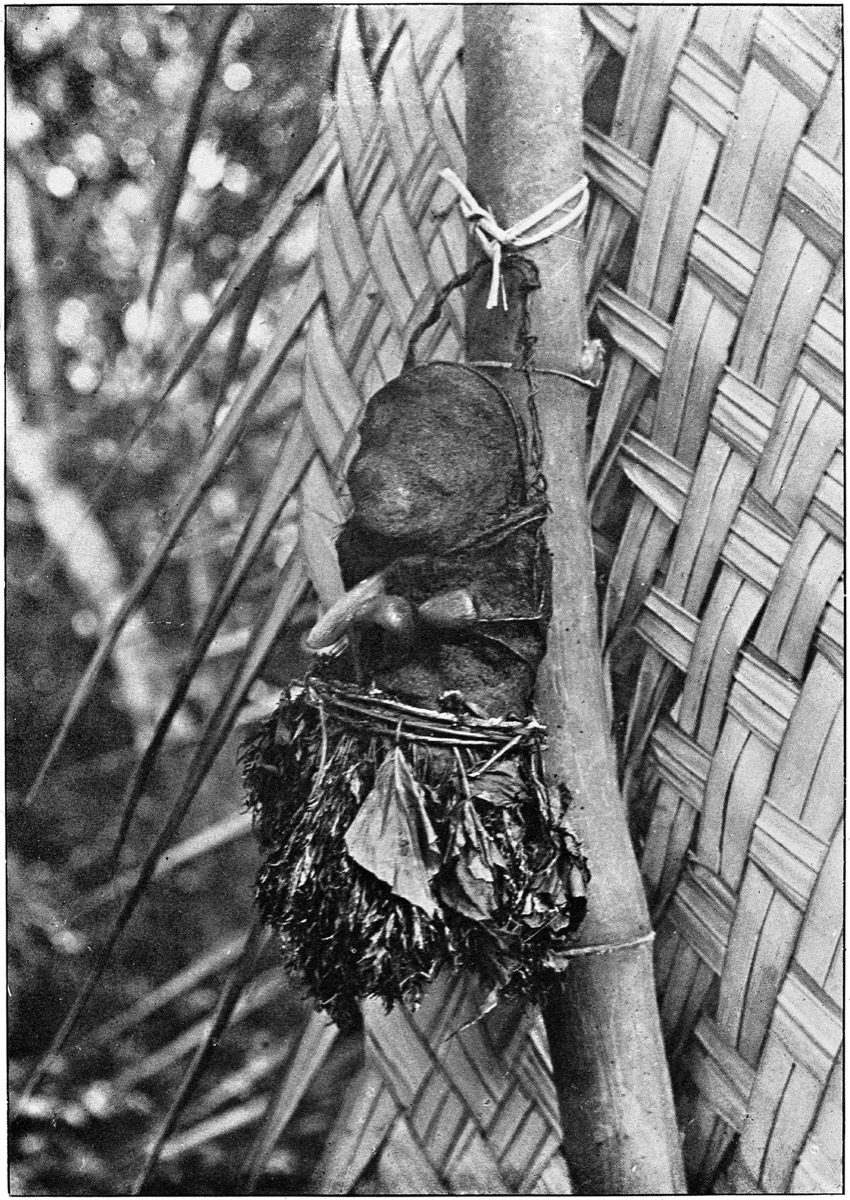
Source term: Churinga (bullroarer)
A wooden churinga carries the Rainbow Serpent and its eggs cut into its face, found, the museum says, at the southern edge of the country where churinga occur. It was collected before entering Cambridge in 1952. Churinga carry a totemic ancestor's own design, forbidden to women and uninitiated boys and shown in full only to initiated elders; some examples, pierced and corded, were whirled to sound as 'spirit talk', though the record does not say whether this one was among them. A note added in 1993 admits the museum itself no longer knows where the object is shelved.
Churinga with design depicting, inter alia, the Rainbow Serpent and eggs. Those with a hole bored in one end (stone ones excepted), for the attachment of a cord, are called bullroarers. When whirled round, they produce a characteristic sound believed to be "spirit talk"
Museum of Archaeology and Anthropology, University of Cambridge, catalogue description for accession 1952.396
- Object
- A wooden churinga carved with designs that include the Rainbow Serpent and eggs, recorded as found at the southern edge of the country where churinga occur.
- Function
- Restricted from women and uninitiated men, its sacred design shown in full only to initiated elders of the totem; the museum's description does not confirm that this specific piece was itself pierced and corded for whirling.
- Source
- Museum of Archaeology and Anthropology, University of Cambridge, accession 1952.396. Description: "Churinga with design depicting, inter alia, the Rainbow Serpent and eggs; It was found right at the south of the area where churinga occur; Churinga are inscribed with sacred designs, which represent a totemic ancestor; Aboriginal women and uninitiated boys…
- Source location
Page references
MAA 1952.396 (object 492566)
- Source confidence
- medium Kulgera, the only locality on the record's place string ("Oceania; Australasia; Australia; Northern Territory; Kulgera"), anchored to the Kulgera roadhouse/settlement near the Northern Territory/South Australia border. No sub-district provenance or collection date is given beyond the museum's own note that the object was found "right at the south of the area where churinga occur."
- Snake-linked
- Forbidden to women