No. VANVALKENBURGH1947-001North America
Four circuits, never a circle
United States · Antelope Wash, Wupatki Basin, Coconino County, Arizona · North America
Sacred / spirit
tsin di'ni
Source term: groaning stick / bull roarer
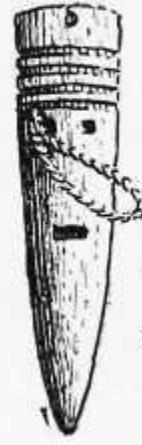
tsin di'ni: 'groaning stick'.
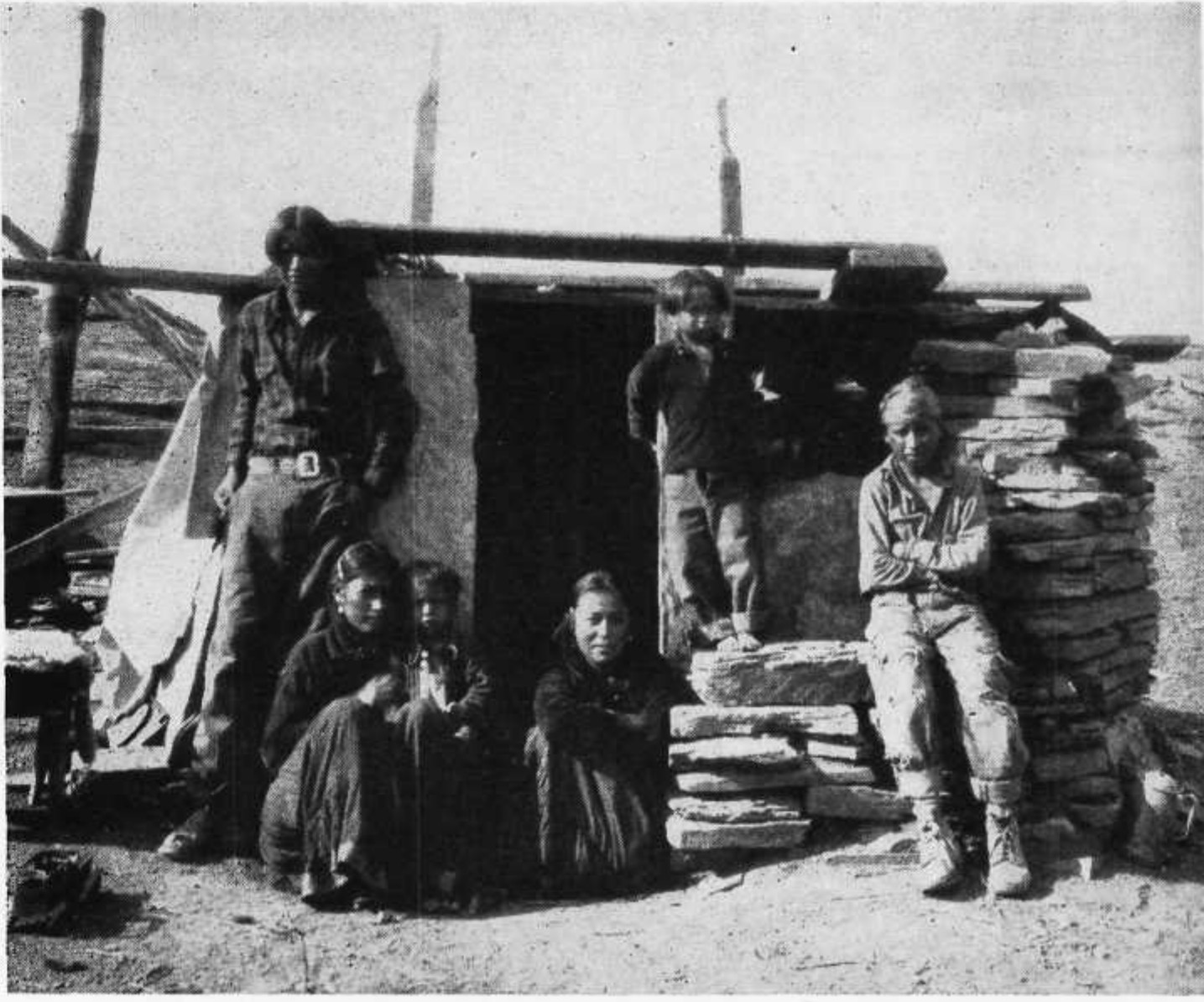
When archaeologists at Wupatki began digging up the bones of the Anasazi, the old enemies, 85-year-old Grandma Peshlakai started having bad dreams and fell sick. 'She believes that their spirits have entered her body,' her son Calvin told one of the diggers, Richard Van Valkenburgh, who came to watch the cure. The medicine man Hastin Natani dipped a black blade into lightning medicine; Cal called it the tsin di'ni, the groaning stick. He slipped out into the night and whirled it to its highest pitch, came back to press it to the soles of her feet, and drew the demons out through her mouth. Then he went out again. 'He rounds the hogan four times. But never completes a circle,' Grandpa Peshlakai whispered. Crossing the invisible line that runs east from the door would undo the sing.
Hear the groaning stick as he casts those demons into the nether world! He rounds the hogan four times. But never completes a circle.
Van Valkenburgh 1947, Desert Magazine 10:5, p. 6
Particulars
- Object
- A black blade about a foot long with a buckskin string through a hole in the butt end, dipped in lightning medicine.
- Function
- Hochongi (Devil-Driving) cure: whirled outside the hogan to cast the patient's demons into the underworld, pressed to her feet and body, and carried four times around the hogan without completing a circle.
Source
Richard Van Valkenburgh, 'We Saw the Devil Chant of the Navajo', Desert Magazine 10:5 (March 1947), pp. 5–8