No. BLIER2010-001
The night Orò walked Porto-Novo
Benin · Porto-Novo, Ouémé department · West Africa
Restricted
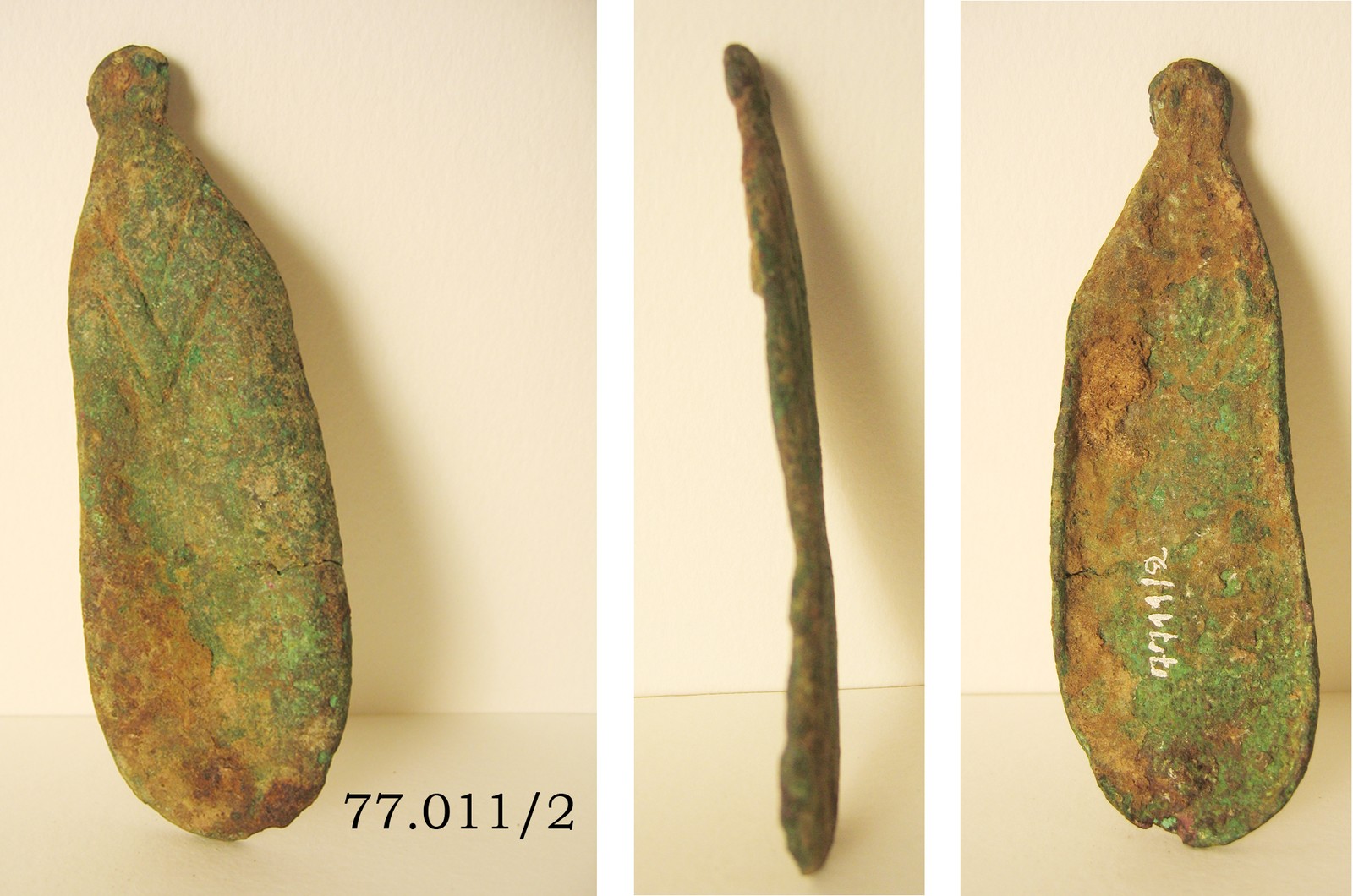
Oro
Source term: bull roarer
Oro: the Yoruba night power of the Ogboni elite, present as sound alone. Ogboni: the society of elders with judicial and punitive authority.
Stay indoors, keep the shutters closed, do not look out: Orò would be walking the streets of Porto-Novo that night, and anyone outside risked harm. Then, in the coastal city where Yoruba and Gun live side by side, a high, eerie, undulating “eu… eu… eu…” pierces the humid air with an almost electric tension. It was Orò, a masquerade made only of sound, its voice a bullroarer: the arm of the Ogboni elite, who held the right to arrest and punish serious wrongdoers, and a mask that almost no one but its performers has ever seen.
No one was to go out that night or risk bodily harm, for Oro would be walking in the streets.
Suzanne Preston Blier, “Imaginarium” (2010), p. 103
Particulars
- Object
- A bullroarer heard through closed shutters; its form is not described.
- Function
- Gave voice to Orò walking the city streets at night, when no one might go out or look from a window on pain of harm.
Source
Suzanne Preston Blier, “Imaginarium: African Masks and Western Mindscapes,” in L’Africa delle meraviglie (2010), pp. 98-109