ZERRIES1942-001 - ethnographic attestation
Dinka wuid, the field guard
South Sudan - Upper Nile - White Nile - East Africa
Play / practical
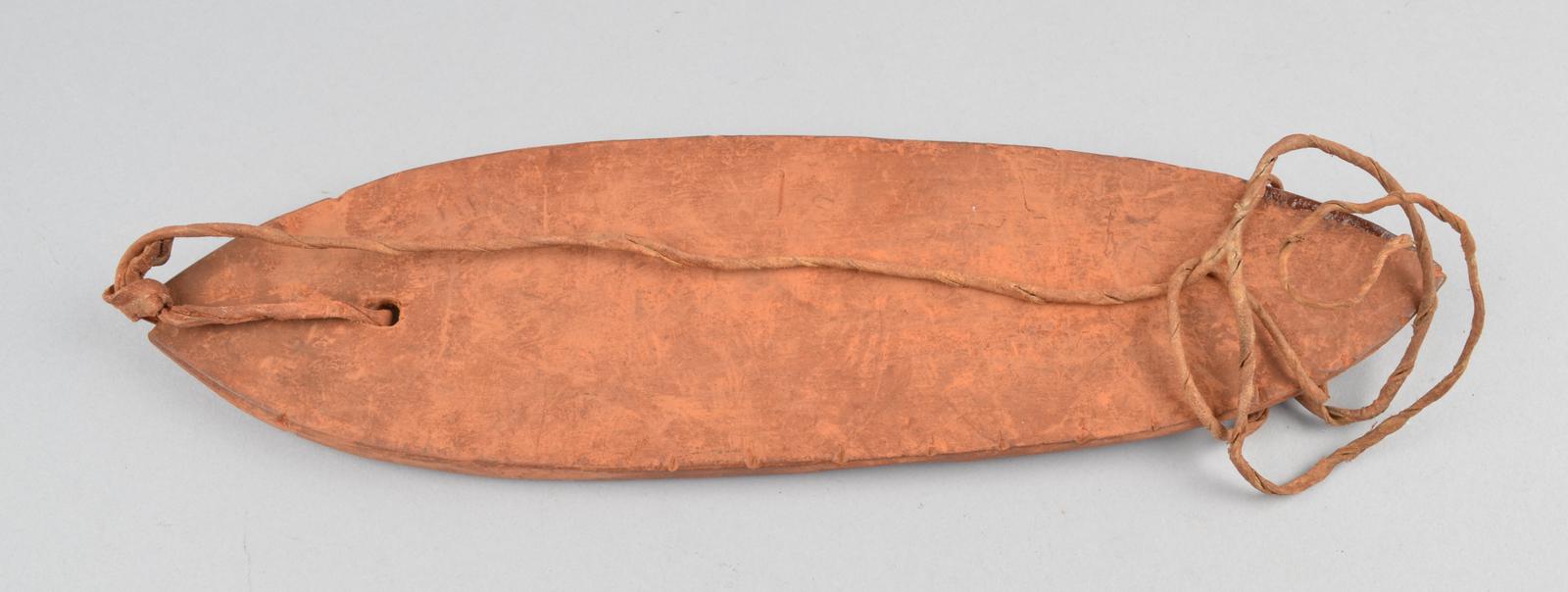
wuid
Source term: Schwirrhölzer
wuid: the Dinka name for the bullroarer.
Among the Dinka the bullroarer, wuid, had one job: guarding the fields. It was whirled to drive the birds off the crops, and young girls swung it too.
Die Schwirrhölzer heißen Wuid und werden nur zum Verscheuchen der Vögel von den Äckern verwendet, und zwar auch von jungen Mädchen.
The bullroarers are called wuid and are used only to drive the birds from the fields, and young girls use them too.
Zerries 1942:31, after Frobenius Ms. 12, p. 60
- Object
- Bullroarer (Schwirrholz); no material, size or form is recorded.
- Source
- Otto Zerries, Das Schwirrholz; Untersuchung über die Verbreitung und Bedeutung der Schwirren im Kult (Stuttgart: Strecker & Schröder, 1942), p. 31, citing Leo Frobenius, unpublished D.I.A.F.E. expedition manuscript 12, p. 60
- Source location
Page references
p. 31 (Frobenius Ms. 12, p. 60)
- Source confidence
- low to medium
- Location note
- Northern Dinka anchor on the White Nile east bank near Malakal, chosen because Frobenius's same manuscript records the Shilluk just across the river; the source gives no Dinka section or village.
Regions: Africa
- Women-linked
- Agriculture / crop magic