No. GESSAIN1991-001Africa
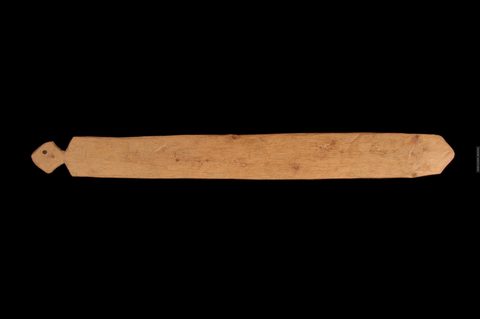
Coniagui child's rhombe
Guinea · Youkounkoun, Koundara (Guinea-Senegal border) · West Africa
Play / practical
- Toy / secular survival
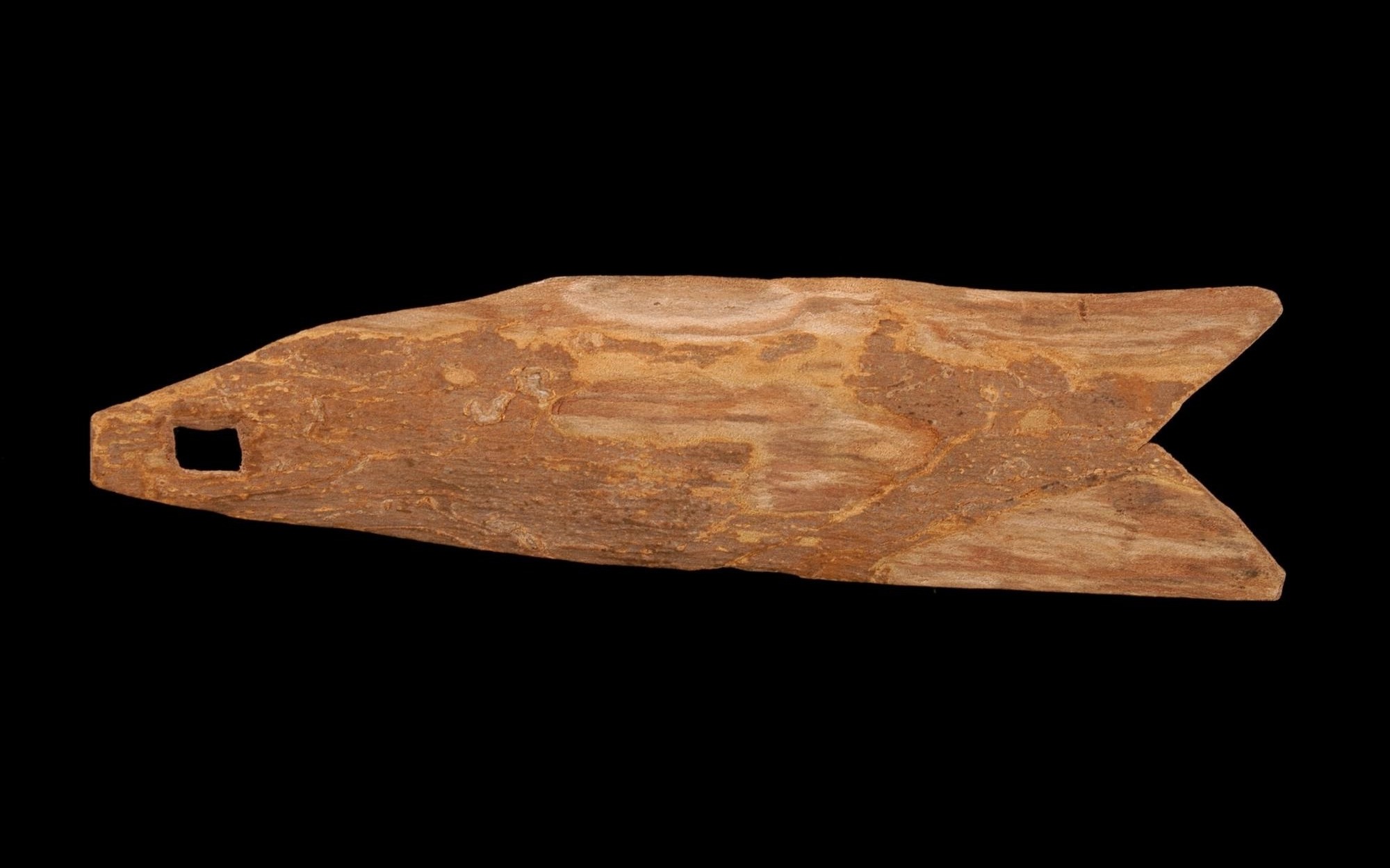
Source term: rhombe jouet d'enfant
Coniagui children played with small versions of grown-up things: a child's bow made in imitation of an initiate's bow, a toy transverse flute, a brass whistle copied from a European one, and this child's rhombe, all gathered from the Coniagui in 1946. The full-size rhombe belongs to the night. Coniagui girls were excised at about seventeen, at the end of the dry season, and danced and feasted for three days. For the three nights that followed, rhombes roared through the village. The women were told these were the ventembesin, spirits of dead women come back to the village, and stayed shut in their houses while the men roamed the dark, shouting in disguised voices, whirling the rhombes, pounding on the walls and lifting the roofs to throw sand inside.
Particulars
- Object
- A child's toy rhombe (IFAN Dakar, Coniagui collection 1947-2, no. 348).
- Function
- A child's toy. Full-size rhombes roar through the village for three nights after girls' excision as the voices of returning dead women, while women stay shut indoors.
Source
Monique Gessain, "La civilisation matérielle des Coniagui (Guinée), d'après des collections de musées", Journal des africanistes 61(2) (1991): 111-143, pp. 120, 138. Object: Musée de l'IFAN, Dakar, Coniagui collection 1947-2 (M.-T. de Lestrange, 1946), no. 348. Monique de Lestrange, Les Coniagui et les Bassari (Guinée française) (Paris: PUF, 1955), ch. VI, 'Vie et mœurs', section 'Excision'
Nearby in the atlas
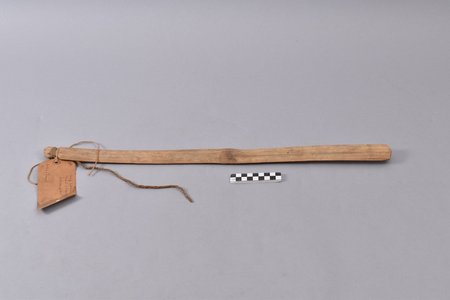 Monchon's rhombe in the treetopGuinea · Rio Pongo coast, Préfecture de Boffa, Lower Guinea · Restricted
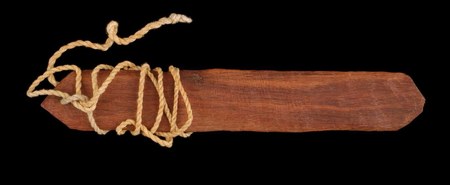 Bokoré night roarersGuinea · Bokoré village group, Koundara prefecture (Guingan and Termessè sub-prefectures), Guinea–Senegal border hills · Restricted
 Kono (gueyoumo)Guinea · Guinee forestiere (Lola region), Haute-Guinee francaise · Restricted
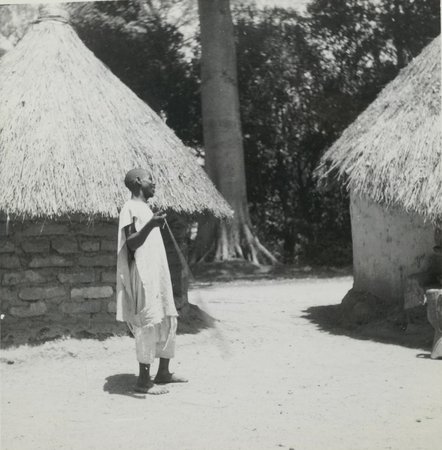 Kissi initiation and ancestor-voice bullroarerGuinea · Kissidougou-Guéckédou / Forest Guinea · Restricted
 Guri, a voice of AfwiGuinea · Nzerekore · Restricted
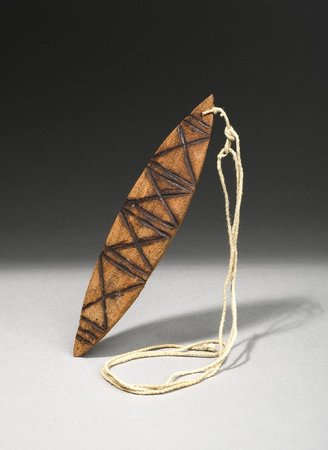 Bozo Nouhoun-Bozo boys' rhombeMali · Mopti Region / Djenne-Tenenkou area · Play / practical