Atlas Essay — 2026-08-08
In the Beginning Was the Word
The Djanggawul lawgivers in Australia are cognate with the mother tongue of Eurasia
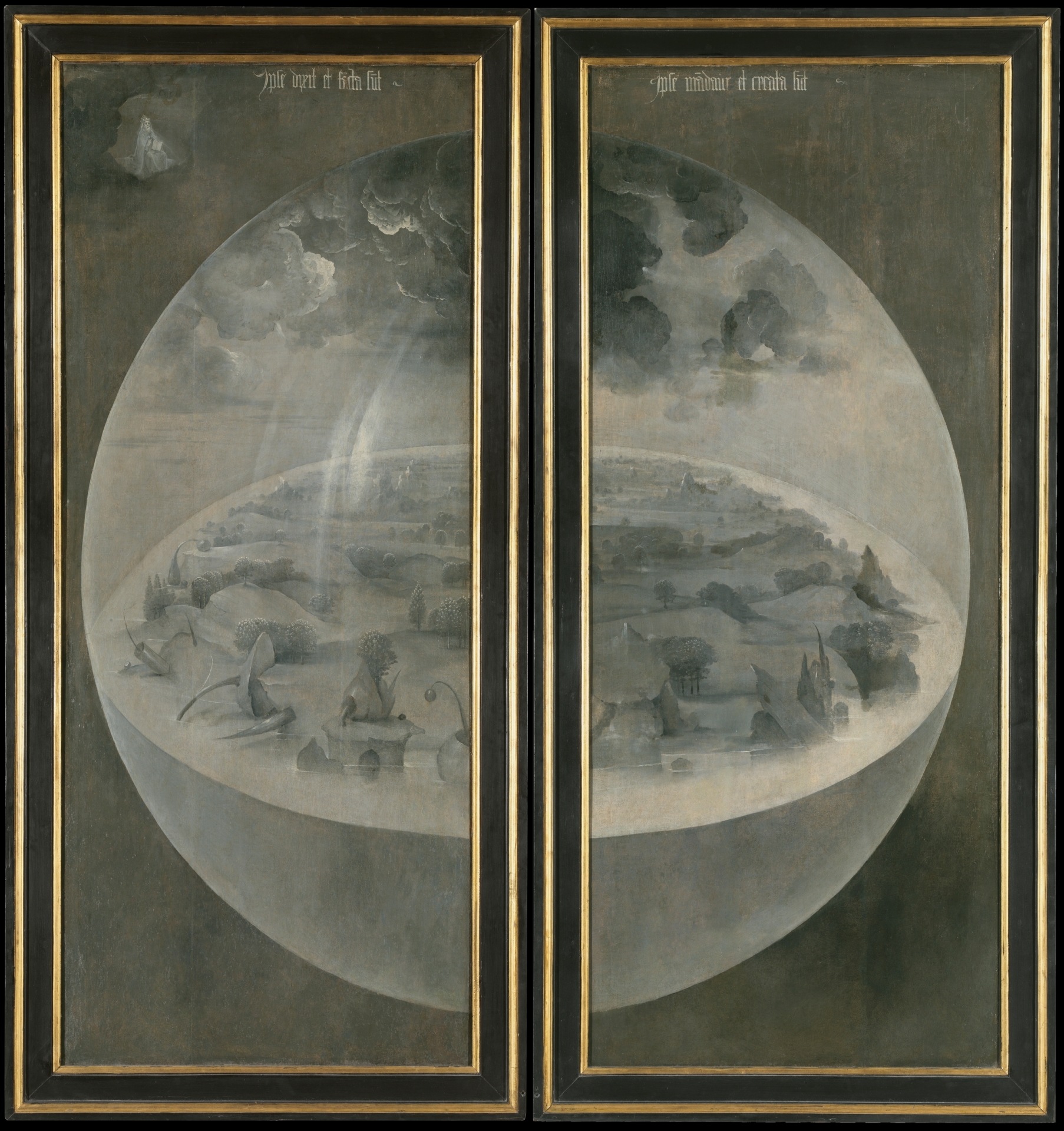
One way to think about the Eve Theory of Consciousness is as an account of when the ground of being moved from the body into language: a self-referential, generative system that swallowed the world. This is the Fall of man described in Genesis and the Epic of Gilgamesh, as I argue in It’s Hard to Be God. If that transformation spread with an initiation cult, its sacred vocabulary should have travelled too.
Nggwal and Djanggawul are the Sahul branch of KVLV, the Paleolithic word-family for voice, prayer, oath, and shamanism — carried south with the bullroarer cult and kept alive in the rites that build the speaking self.
In brief
- Nggwal and Djanggawul are the Sahul branch of KVLV, the Paleolithic word-family for voice, prayer, oath, and shamanism — carried south with the bullroarer cult and kept alive in the rites that build the speaking self.
- At the outer edge of long-range linguistics, Borean reaches back 15,000–17,000 years to the end of the Ice Age. Sergei Starostin reconstructed KVLV, “tongue; to speak.”
- In Papua New Guinea, Nggwal travelled between languages as the name of ancestors, clan powers, and the highest initiation. In northern Australia, the Djanggawul crossed the sea and gave birth to people, language, law, country, and ceremony.
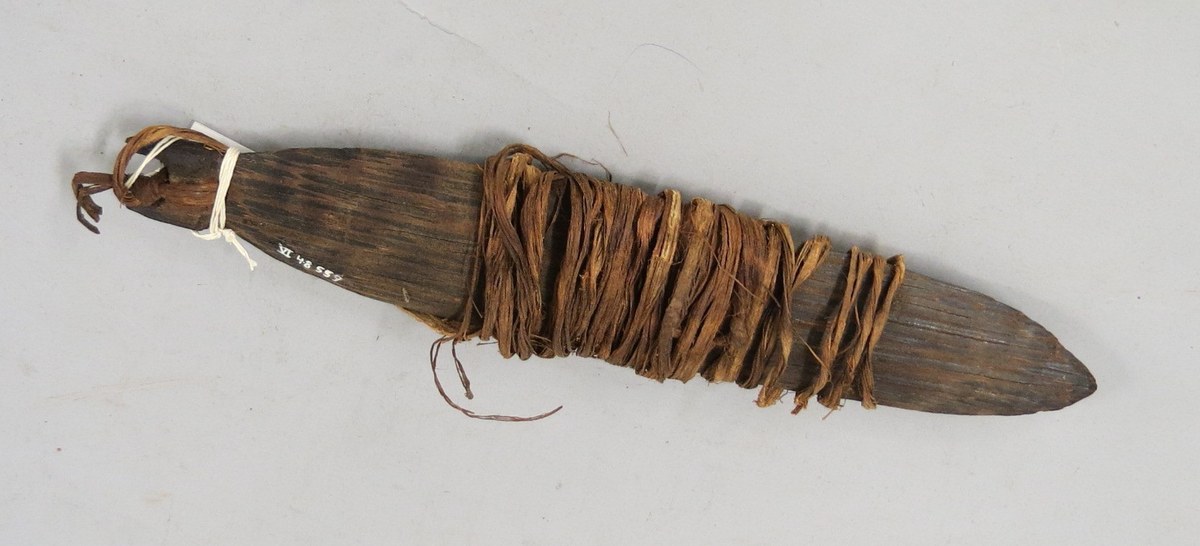
- The bullroarer holds the whole story in one object: moving air becomes an ancestral voice, and initiation makes that voice the initiate’s own.
Language as a marker
My first search for a linguistic trace of sapience was The Unreasonable Effectiveness of Pronouns. First-person pronouns should resist borrowing, yet related forms for I cover the world. The Eve Theory of Consciousness proposes that the new word for I travelled with sapience itself.
The bullroarer is the second marker. Joseph Campbell placed it inside a Paleolithic complex that moved out of northern Eurasia with shamanism, totemism, x-ray art, initiation, and a body of sacred law:
“Passing eastward across Siberia into America, as well as southeastwardly to Australia, shamanism traveled as but one element of a living compound that included — besides the x-ray style of animal painting and engraving, the atlatl, and the bullroarer — an elaborate complex of social regulations, ceremonials, and associated mythological ideas, which scholars have designated by the very broad term totemism.”
— Joseph Campbell, Historical Atlas of World Mythology, Vol. I: The Way of the Animal Powers (1983)
The bullroarer cults of Papua New Guinea and Australia turn Campbell’s route back into language. Nggwal names ancestors and the highest initiation; the Djanggawul are sea-crossing ancestors who bring people, law, ceremony, and language. Both names fit the Proto-Borean word for tongue.
The resemblance makes Campbell’s travellers startlingly literal: Hyperborean lawgivers bringing language, remembered in the tongues of Indigenous peoples today. The trail of that word runs from the Paleolithic into every part of the world.
KVLV: the Paleolithic word for speech
Borean is the superfamily at the outer edge of long-range linguistics — where Murray Gell-Mann, the Nobel laureate who named the quark, spent his last two decades, convinced the correspondences among the world’s language families could not be chance. Harold Fleming and Sergei Starostin built different versions from reconstructed proto-languages; KVLV belongs to Starostin’s model. Its horizon dates to about 15,000–17,000 years ago, when Ice Age survivors were spreading from their refuges into newly habitable lands. The family reaches from North Africa through Europe and Asia into Island Southeast Asia; Eskimo-Aleut and Navajo carry branches into North America.
Starostin’s KVLV means “tongue; to speak”; V stands for an unspecified vowel. Beneath it he placed Eurasiatic KälHä, “tongue; speak”; Afroasiatic qa(wa)l, “speak”; Indo-European (s)kale, “shout; call”; Uralic kele, “tongue; language”; Dravidian kil, “cry; sound”; Altaic kiali, “tongue”; and Amerind kʷala, “say.”
Allan Bomhard’s neighbouring Nostratic roots sharpen the sound into action: QWAL, “call, cry, shout,” and WAL, “call, cry, wail.” The root turns sacred. Elamite kulla means pray; Finnish vala, oath; Yukaghir wolme, shaman; Greek kiklēskō, invoke or beseech; Hurrian kul, speak solemnly. Prayer, oath, invocation, and proclamation are language acting upon the world.
The same root enters thunder and omen. Hebrew qōl is both voice and the thunderous voice of Yahweh. Old English hlynrian means thunder. In the Rigveda, an auspicious bird krands and “speaks good fortune”; another hymn commands the rain god Parjanya to krand — cry aloud and thunder — until the earth rejoices.
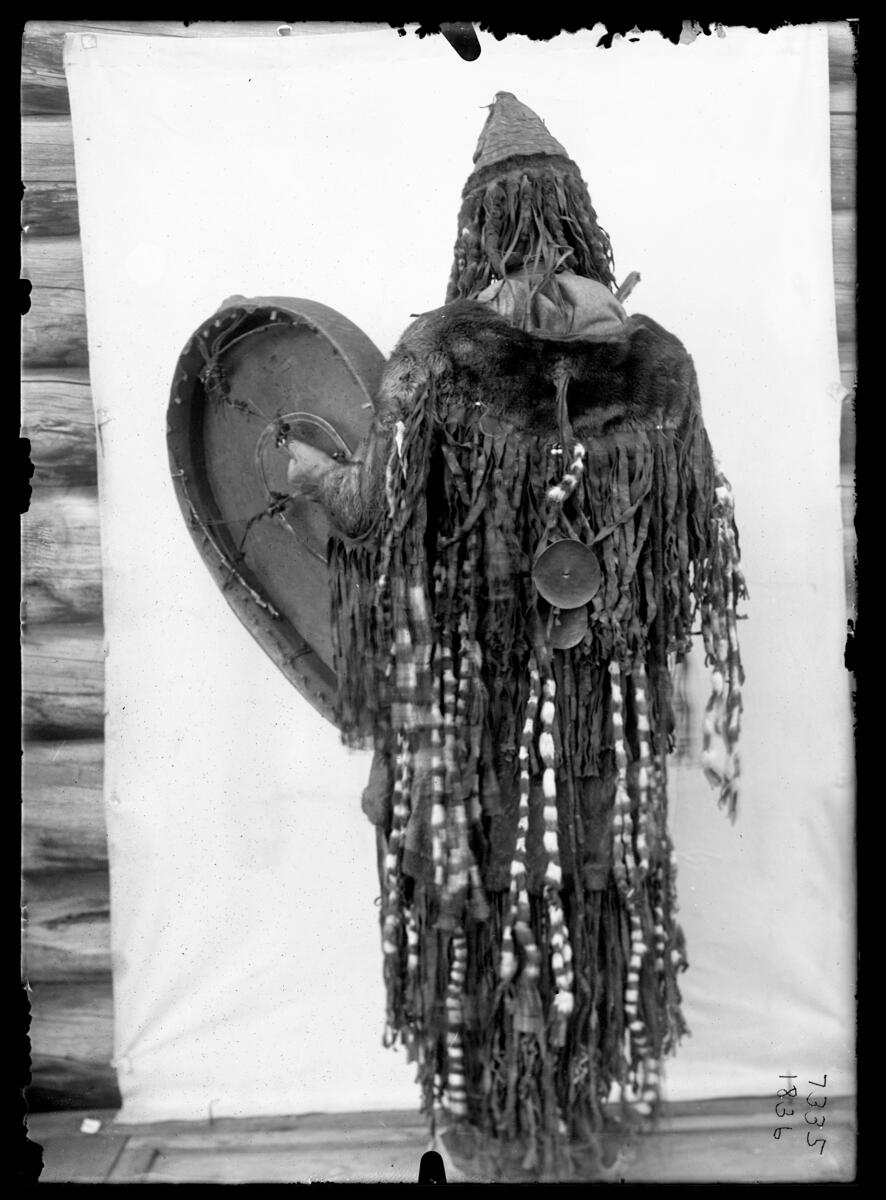
Nggwal and Djanggawul in Sahul
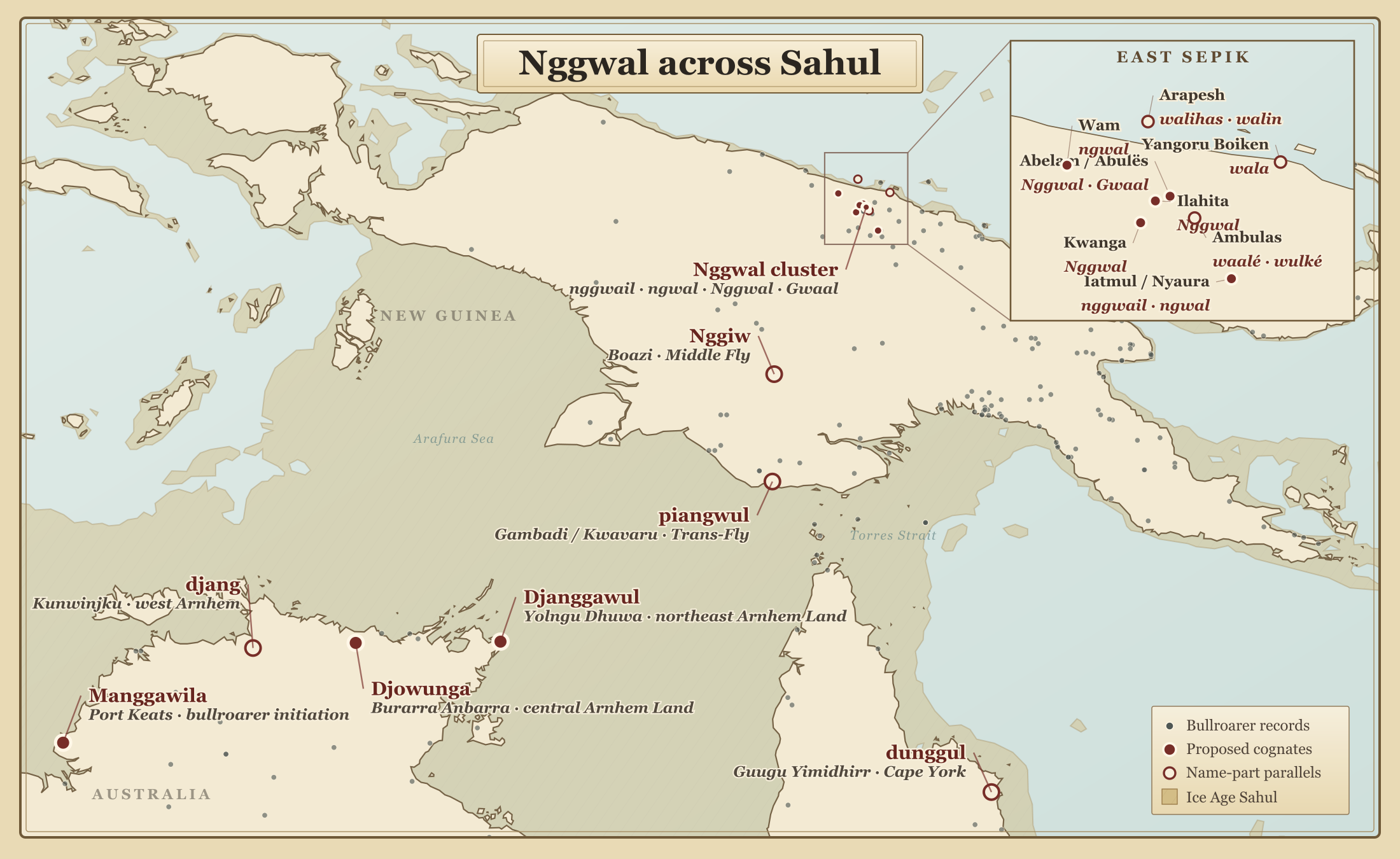
In the Middle Sepik of Papua New Guinea, Iatmul nggwail and Manambu gwa:l join grandfather and grandson in one reciprocal term. Nggwail also names clan ancestors; Nyaura ngwal means ancestors. The name travelled east into the Abelam, Kwanga, Wam, and Ilahita cults, where Nggwal became the highest initiation and an ancestral power that spoke. At Ilahita, hidden bullroarers joined the roar of distant thunderstorms, and a thunder-being emerged from the Nggwal spirit house to teach humanity how to give birth.
Across the Arafura Sea in northern Australia, the Djanggawul make a speaking world. The sisters and their brother cross the sea, open wells, name the country, establish law and ceremony, and give birth to the first clans. Peoples and languages emerge along their route. The Rirratjingu call their arrival “the birth of a people.”
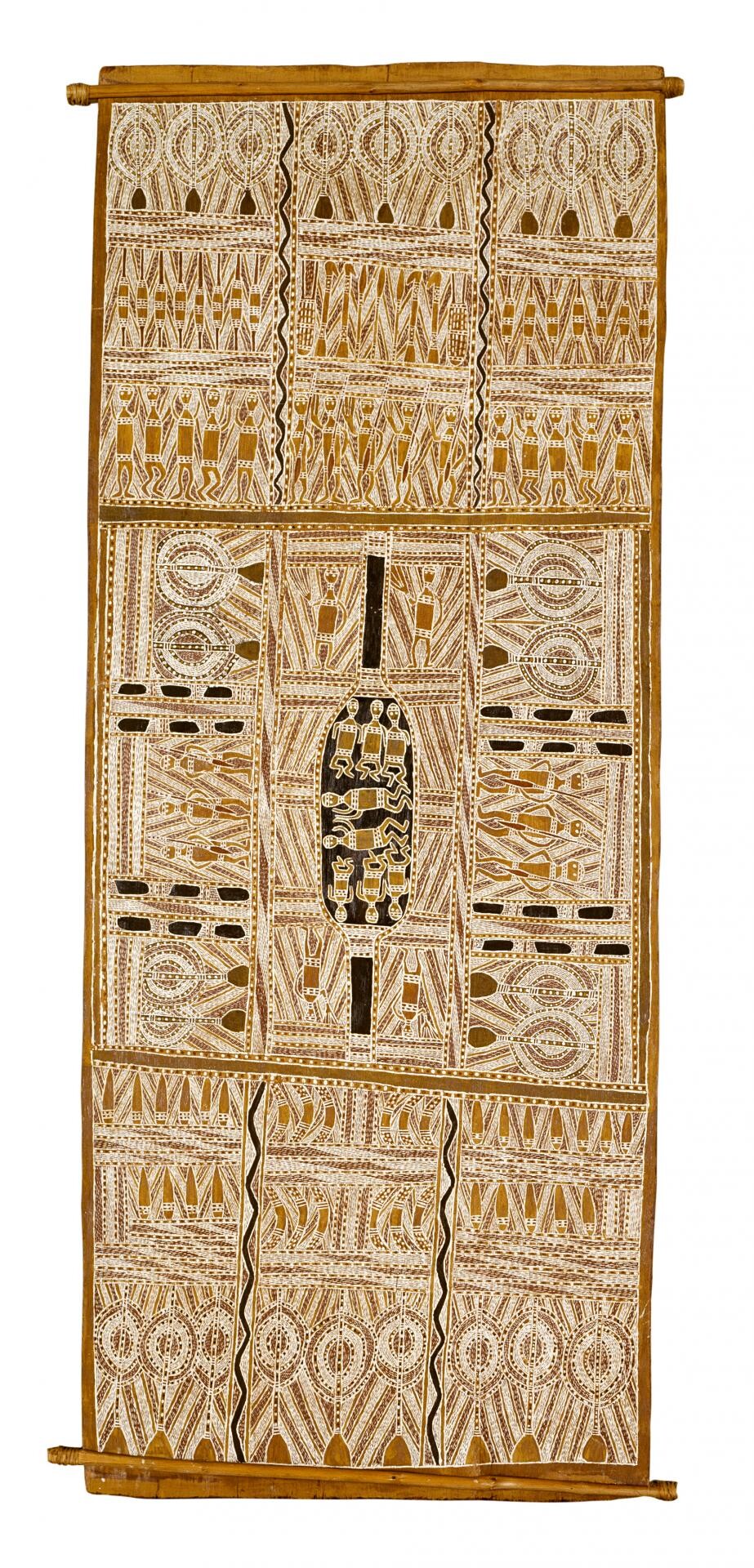
Nggwal and Djanggawul are joined by sound, ancestry, movement, initiation, and the generation of speaking peoples. Nggwal: The Cult That Crossed Sahul follows that name-road across New Guinea and Australia, through the stolen rites and the drowned landscape between them. Here Sahul supplies the southern branch; KVLV supplies the world tree.
KVLV across the world
The Paleolithic root remains audible in familiar words. Latin clāmāre, “cry out; summon,” became Spanish llamar: call, summon, name. Greek kaleō, “call,” produced ekklēsia, the called assembly, and Spanish iglesia, church. English claim came by the same Latin road: a cry became a demand that establishes a right.
One branch calls a person by name; another calls a people into a sacred body. The wider family moves through prayer, oath, omen, thunder, song, war cry, ordinary speech, and ancestral power.
| Language or reconstruction | Form | Attested or proposed meaning |
|---|---|---|
| The reconstructed family | ||
| Borean, Starostin | KVLV | Tongue; to speak. |
| Eurasiatic, Starostin | ḲälHä | Tongue; to speak. |
| Afroasiatic | qa(wa)l | Speak. |
| Indo-European | (s)kale; klā-/klē- | Shout; call. |
| Uralic | kele | Tongue; language. |
| Dravidian | kil | Cry; sound. |
| Proto-Altaic | kiali | Tongue. |
| Amerind comparison | kʷala | Say. |
| Proto-Nostratic, Bomhard | QWAL | Call, cry, shout; sound, outcry, uproar. |
| Proto-Nostratic, Bomhard | WAL | Call, cry, wail, lament, howl. |
| Sacred and binding speech | ||
| Middle Elamite | kulla; kula | Pray, implore; prayer, plea, invocation. |
| Finnish | vala | Oath; vow. |
| Yukaghir | alma; wolme; alyadaj | Shaman; recite invocations. Related forms mean conjure, practise magic, and swear. |
| Greek | kiklēskō | Invoke; beseech. |
| Hurrian | kul | Say; pronounce solemnly. |
| Latin | calāre | Proclaim or summon; a term of sacred language. |
| Umbrian | anglar; anglaf | Birds whose cries carried auguries. |
| Sanskrit | krandati; ākrandati | Roar or cry; invoke or call for help. In the Rigveda, omen and divine thunder. |
| Hebrew; Arabic | qōl; qawl | Voice; speech, saying, word. |
| The family still speaking | ||
| Mongolian | kele; kele- | Tongue, language; say. |
| Finnish; Estonian | kieli; keel | Tongue; language. |
| Greek → Spanish | kaleō → ekklēsia → iglesia | Call → called assembly → church. |
| Latin → Spanish | clāmāre → llamar | Cry out → call, summon, name. |
| Latin → English | clāmāre → claim | Cry out, proclaim → demand or assert a right. |
| Old English | hlynrian | Thunder. |
| Archi | lagum | Song. |
| Giwo | kwalala | War cry. |
| Sahul and the Amazon | ||
| Middle Sepik and East Sepik | nggwail; ngwal; Nggwal | Grandparent and grandchild, clan ancestor, clan power, initiation cult. |
| Arnhem Land | Djanggawul | Sea-crossing ancestors who generate people, language, law, country, and ceremony. |
| Apinayé | me-galo | Soul, ghost, shadow, image of the dead; bullroarer. |
Echoes in the Amazon
Borean reaches the Americas in both major long-range models. Starostin carries branches through Eskimo-Aleut and Navajo; Harold Fleming extends the chain through Amerind to the southern tip of the New World. The ancestors of Native Americans belong inside the Borean speech world.
Among the Apinayé of Brazil, me-galo means soul, ghost, shadow, and the image of a dead person. The same name belongs to the bullroarer. By Curt Nimuendajú’s visit, the instrument had become a toy, but its name still joined the dead spirit to the roaring wood. Among the neighbouring Sherente, shamanic pupils carried “the howling of Hiepãro-wawẽ” into the woods and whirled it; the spirit appeared. Beside Starostin’s Amerind kʷala, “say,” the Amazon preserves the closest bullroarer echo beyond Sahul.
In the beginning was the word
Campbell’s travelling Paleolithic compound and Starostin’s Borean tree describe the same northern world at the end of the Ice Age: dispersed peoples carrying shamanism, initiation, sacred law, the bullroarer, and a word for the voice that made those powers present. Across the surviving branches, KVLV becomes prayer, oath, shaman, invocation, omen, thunder, language, summons, church, and claim.
At the southern edge of that history, Nggwal speaks as ancestor and initiation; Djanggawul crosses the sea and gives birth to peoples, laws, and languages. Along the American road, me-galo joins the dead spirit to the roaring wood. These are the Hyperborean lawgivers remembered in Indigenous tongues at the far ends of the world.
Nggwal and Djanggawul are the Sahul branch of KVLV, the Paleolithic word-family for voice, prayer, oath, and shamanism — carried south with the bullroarer cult and kept alive in the rites that build the speaking self.
Discussed in Andrew Cutler, “Nggwal: The Cult That Crossed Sahul,” Vectors of Mind.
Key sources
Joseph Campbell, Historical Atlas of World Mythology, Vol. I: The Way of the Animal Powers (1983), Part 2, Mythologies of the Great Hunt, c. p. 132.
Murray Gell-Mann, Ilia Peiros, and George Starostin, “Distant Language Relationship: The Current Perspective,” Journal of Language Relationship 1 (2009), pp. 27–28, for Borean as an Ice Age survivor estimated at 15,000–17,000 years old, its four proposed superfamily branches, postglacial dispersal, and the unresolved homeland.
Harold C. Fleming, “The Early Dispersions of Homo sapiens sapiens and proto-Human from Africa,” Mother Tongue XVIII (2013), pp. 163–66, for his wider Borean chain from northeast Africa across Eurasia to Na-Dene and Amerind in the Americas.
Sergei Starostin, StarLing KVLV long-range etymology, including Borean, Eurasiatic, Indo-European, Uralic, Dravidian, Altaic, Afroasiatic, Amerind, and linked records for Greek invocation, Hurrian solemn speech, Umbrian augural birds, Old English thunder, Archi song, and the Giwo war cry.
Allan R. Bomhard, A Comprehensive Introduction to Nostratic Comparative Linguistics, 5th ed. (2021), root 601, pp. 715–16, QWAL; and root 816, pp. 969–71, WAL. These entries supply the Elamite prayer, Semitic voice, Finnish oath, and Yukaghir shaman and invocation comparisons.
François Vallat, “Elamite Language,” Encyclopaedia Iranica, for Middle Elamite kulla, “pray, implore,” and kula, “prayer.” Irina Nikolaeva, A Historical Dictionary of Yukaghir (2006), p. 451, for the Yukaghir ritual forms.
Real Academia Española, llamar, from Latin clāmāre, and iglesia, from Greek ekklēsia through Latin. For English, see claim and Merriam-Webster’s Indo-European history of low.
The University of Texas Linguistics Research Center, Rigveda 2.42, for the auspicious bird’s repeated cry and fortunate pronouncement; Rigveda 5.83.7, for Parjanya ordered to cry aloud and thunder; and Monier-Williams, ākrand, for “invoke, call for help.”
Donald Tuzin, “Miraculous Voices: The Auditory Experience of Numinous Objects,” Current Anthropology 25/5 (1984), p. 588, for the Ilahita instruments joining their infrasonic waves to the unheard thunderstorm.
Tuzin, Unity in Duality: Social and Ritual Organization of the Ilahita Arapesh (1973), pp. 279–81 for the Nggwal name and borrowing, and pp. 360–61 for Nggwal singing and the Tambaran emerging from its carved post “with a sound like thunder” to teach childbirth; Gregory Bateson, Naven (1936), pp. 41 and 104; Alexandra Aikhenvald, “Gender, shape, and sociality,” p. 72, for Manambu gwa:l; and Anthony Forge, “The Power of Culture and the Culture of Power,” pp. 143–45, for nggwail, Nggwal, nggwalndu, the ancestors, and the transfer of named ritual complexes.
Brigitta Hauser-Schäublin, “The Track of the Triangle: Form and Meaning in the Sepik, Papua New Guinea,” Pacific Studies 17/3 (1994), pp. 144–46, for nggwalndu, “grandfather,” and the ancestral beings represented in Abelam ceremonial houses.
Ronald M. Berndt, Djanggawul: An Aboriginal Religious Cult of North-Eastern Arnhem Land (1952); Rirratjingu Aboriginal Corporation, “The Birth of a People”; and the National Museum of Australia, “The Djang’kawu ancestors,” for the ancestors’ sea journey and creation of people, language, law, country, and ceremony.
Curt Nimuendajú, The Apinayé (1939), p. 140, for me-galo as soul, ghost, shadow, image of the dead, and bullroarer; and The Šerente (1942), p. 89, for the bullroarer called “the howling of Hiepãro-wawẽ” and whirled to summon the spirit.
Andrew Cutler, “The Unreasonable Effectiveness of Pronouns,” for the earlier argument that the diffusion of self-awareness should remain visible in first-person pronouns.
As far as we know, the comparison of Starostin’s KVLV and Bomhard’s QWAL/WAL families with Nggwal and Djanggawul is original to this page.