The women of Solochi, a Luvale village in north-western Zambia, were practising their dance when two unseen roarers began. They stopped, cheered and answered with shrill cries. It was 8 August 1983, and Mukanda was approaching: the growl announced that the boys would soon leave for the bush. Through the seclusion that followed, village and lodge would keep answering each other across the dark, in songs, cries and food. 1
A school between village and bush
Mukanda is a boys’ initiation school shared by communities of eastern Angola and north-western Zambia. Circumcision begins a period under guardians in a lodge apart from village life; the public return brings a changed standing. The village is still indispensable. Families provide food, neighbouring settlements contribute boys and adults, and women sing and dance at the public ceremonies. Paths, fences, fires and forbidden approaches mark the edges of the school, and so do sounds that travel farther than bodies may go. 2, 1
Ndembu / Wukengi Farm / Nyaluhana vicinage · Luvale / Solochi Village
The calendar has changed within living memory. Among the Luvale in 1982–1984, boys commonly entered at six to twelve, younger than the sixteen to eighteen remembered for earlier times, because they now went to school. About a month of seclusion let wounds heal, but training could continue for months or as long as two years. The Ndembu lodge at Wukengi in 1953 kept its boys secluded from 14 June to 8 August. 1, 2
Luvale / Solochi Village · Ndembu / Wukengi Farm / Nyaluhana vicinage
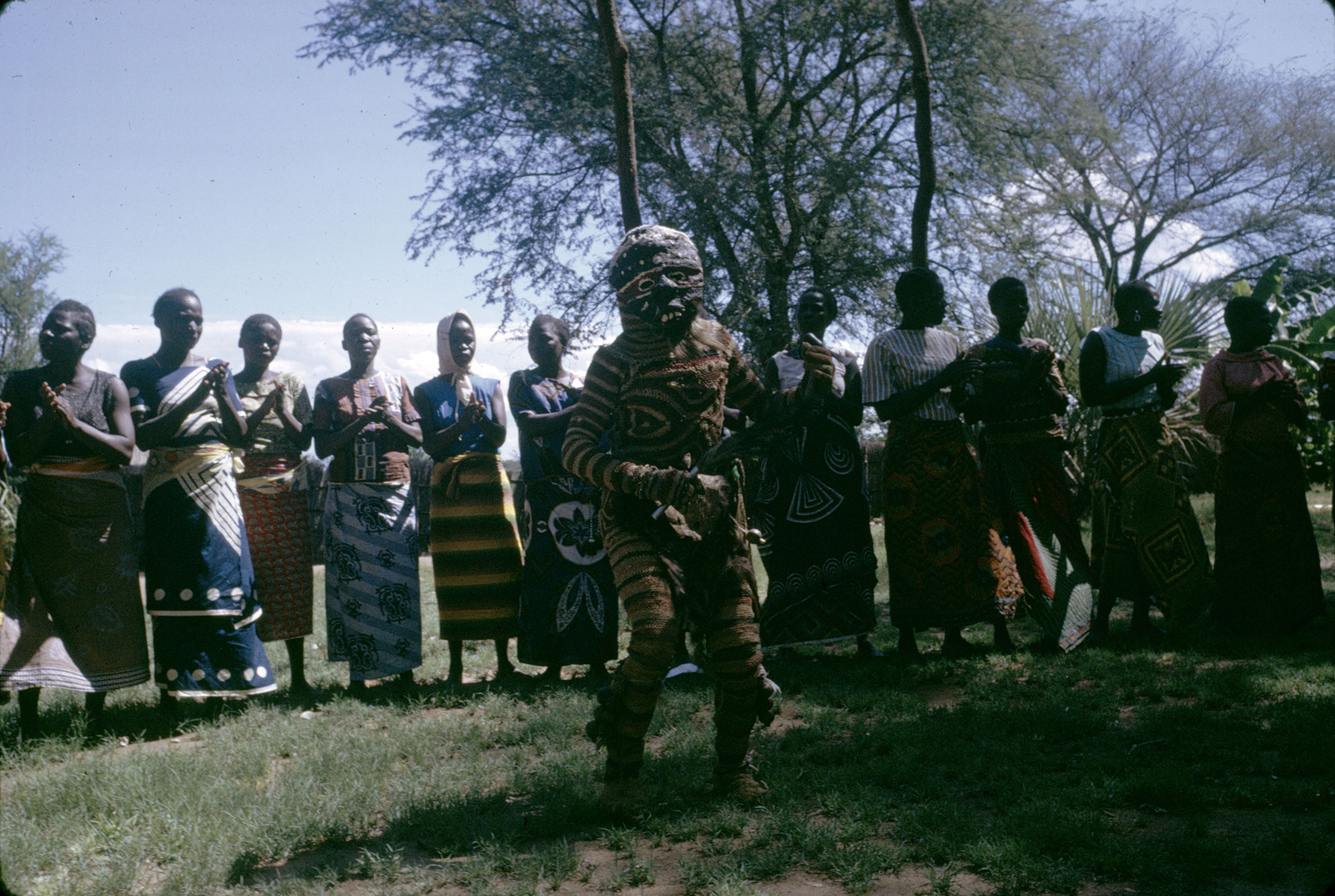
A Makishi performer dances before women in Lusaka, 1961. Makishi appear at the end of mukanda; this photograph shows a public performance. 10
The announcement and the answering village
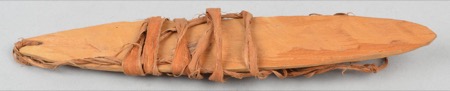
At Solochi the instrument was ndumbamwelela. Ndumba means lion, and its sound was a lion’s growl, usually heard at night about a month before the camp began. The women met it with cheers. How the growl was made stayed the business of initiated men. 1
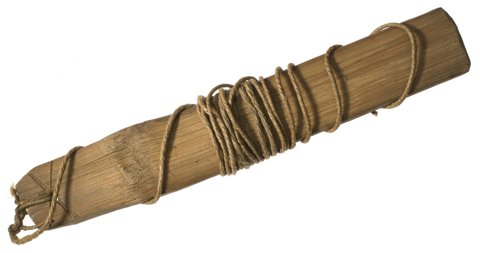
In Chavuma District, the Luvale also call the instrument chikwita, and the Chokwe ndumba mwela: a piece of plank on a string, sounded outside the village as an ancestor risen again. It announces the coming school and tests the courage of the boys who will enter it. 3
Tsukada’s recording of the approaching Mukanda season at Solochi. The full track documents the sounds and responses described here. 1
Food remembers the mother
Inside the Luvale school at Sakutemba in February 1984, six boys aged nine to twelve sang the day into shape. Before sunrise they lined up at the ritual fire and asked the sun for light. At sunset they still faced east, singing with their backs to the departing sun. Meal delivery was another exchange across distance. A junior guardian called from the bush; the novices answered together. As he approached with cassava food, the song reminded them that their mother had made it and that they must remember her. 1
The boys clapped and touched the backs of their heads in thanks. When the guardian threw away the leftovers, they covered their ears and shouted: to hear the food strike the ground would make them impotent. Ears trained to answer a guardian and greet the sun had to refuse this one noise. 1
Two or three nights a week, men from neighbouring villages gathered at the lodge fire for kukuwa songs, beating sticks the singers called bones. The singing taught the boys and told the women in the village that their sons were recovering; the women answered with jingunda cries from their own fire. At Chisakalala in September 1982, one singer swapped his sticks for a frying pan. 1
Behind the Ndembu lodge
At Wukengi, in north-western Zambia, a fence of leafy branches hid the boys’ lodge from the old path. Their discarded clothes hung across a mukula-wood gateway. The mothers’ cassava food arrived through guardians; novices and instructors sat on opposite sides of a long fire. Behind the lodge lay a still more restricted ground leading towards the place of circumcision. A junior guardian could work behind the lodge, but could not go everywhere a circumciser or senior elder might. 2
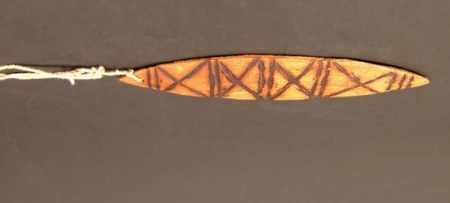
From there came a grunt. Kasonda, Turner’s companion, likened it to a bush-pig. Behind the lodge Turner found a junior guardian from Machamba Village whirling a fish-shaped piece of carved mukula wood around his head. Its name, ndumba mwila, began with the word for lion; mwila, people said, was a word from long, long ago. The novices’ song made a lion rise and catch someone, and mothers had once been told that a monster had come to swallow their sons. 2
The rite also moves a boy from his mother to his father. Muchona’s Ndembu origin story begins with a boy accidentally cut by sharp grass while following his mother; men finish the operation and the father takes charge of the healing child. Mukanda, Muchona said, cured a boy so that he would become strong. At Wukengi, food still came from the mothers while fathers and guardians kept the boys, and behind the fence the lion grunted. 2
Luchazi recovery, Mbunda ancestors
Among the Luchazi, a recording made on 10 September 1971 puts ndumba mwelela with kukuwa songs at kulonda ntsimba, a named Mukanda celebration. Choruses, men’s and women’s voices, sticks and foot rattles fill the same session, with the roarer as one voice among them. 4
At Sangombe on 25 September 1971, the school had a single initiate, Malesu, and his guardian, Isaac Musivi. During chikula, men and a Litotola mask went out, gathered bark and grasses, and came back. Malesu passed between men who struck his back with branches; afterwards Musivi showed him the steps as he danced. The circumcision knife was washed inside the lodge with millet beer and medicines. Gerhard Kubik and his thirteen-year-old collaborator, Mose Kamwocha, each wrote the day down. 5
Where the Ndembu blade grunted behind the lodge by day, the Mbunda ndumba throbs at night on the village outskirts as the fearsome voice of an ancestor. Novices are frightened by it before they learn what it is. Other sounds bring them back to their mothers: sung exchanges to struck mingongi sticks, and liula, bark beaten with sticks, announcing the first bath after a tense silence. Mbunda artisans build the Makishi masks by binding flexible branches into a frame and stitching on beaten bark. 6, 7, 2
The Chokwe lion is hunted down
Among the Chokwe, the camp’s lion could be a hollow bamboo tube about seventy centimetres long, swung on a bowstring. Several hidden players moved its voice around the village, leaving a curious listener chasing one roar after another. The lion was said to keep other lions away and to eat white ants, not people. Near the end of the rite the boys hunted it down, until a player let himself be caught and the device was shown to them. 9
The lion-name also lived on in Chokwe play: a man once demonstrated an oval board on bark cord as a children’s toy and called it ndumbamwela, lion-roaring. 8
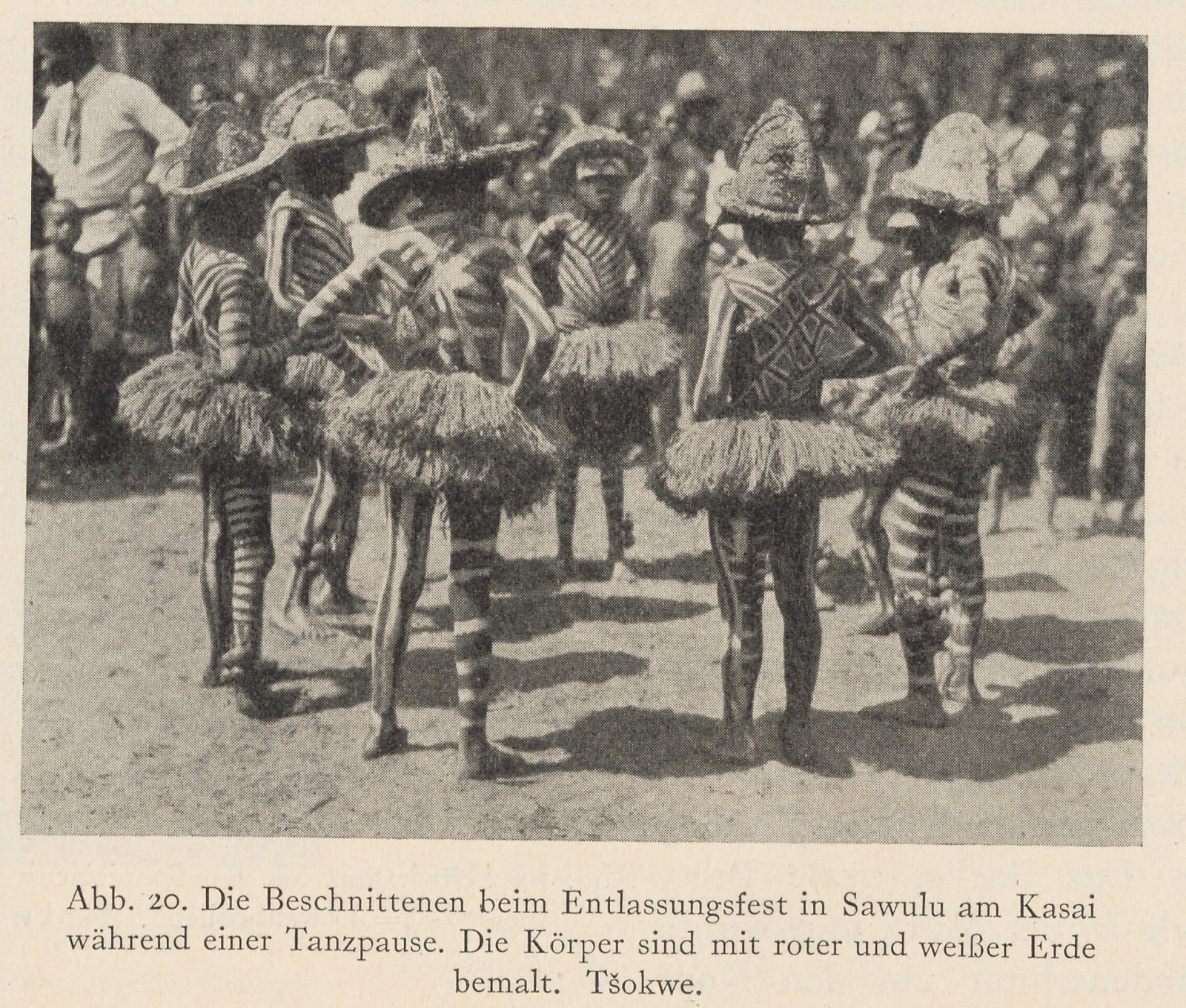
Chokwe initiates at Sawulu on the Kasai pause between dances at their emergence festival, their bodies painted with red and white earth. 11
Names that carry the tradition
| People | Name | Meaning or use |
|---|---|---|
| Luvale, Solochi | ndumbamwelela | Lion-growl announcement before Mukanda 1 |
| Ndembu, Wukengi | ndumba mwila | Fish-shaped roarer sounded behind the lodge 2 |
| Luchazi | kulonda ntsimba | Named Mukanda celebration in the 1971 Luchazi recording 4 |