No. PNG13
Murik / Kaup / Kerau
Papua New Guinea · East Sepik · Oceania · Sahul
Restricted
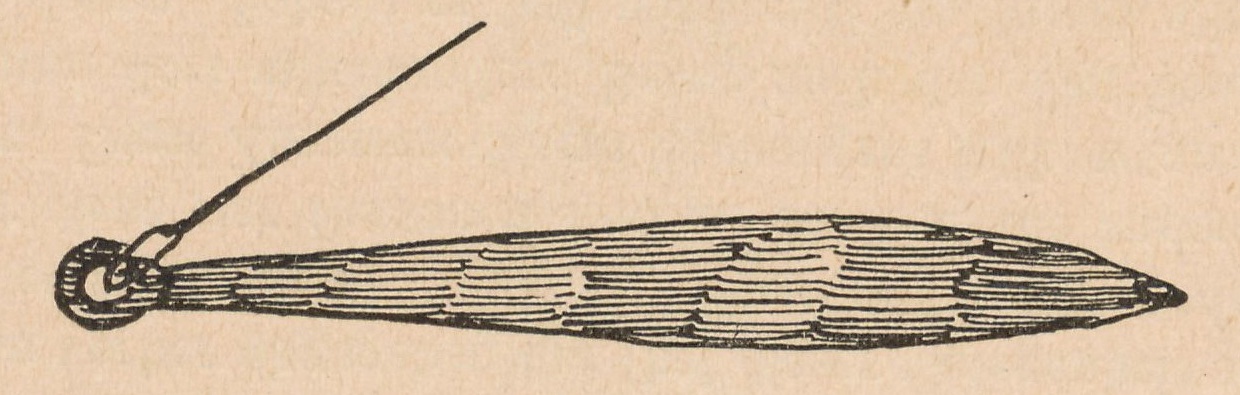
urubaia
urubaia: the lame, eldest spirit-brother whose voice the swung ironwood is said to be; the men's secret society (urubaia damag) takes its name from him
Etymology. In the Murik language of the lower Sepik mouth, urubaia is not a common noun but the proper name of the elder spirit-brother whose voice the swung ironwood is said to be.
At Kaup and Kerau, urubaia was the limping elder of two spirit-brothers, his ironwood roar paired with the sacred flute of his younger brother brag. By Murik telling the flutes first belonged to a woman, until her brother, scoffing that she could not blow them properly, stole them away and carried both to the men. Boys were starved thin in the men's house for months, eating scraps of sago and practicing the flutes by night, before being admitted to the urubaia; and these two brothers, alone among the spirits, wore no masks — they showed their face to no one, their roaring and piping passing for spirit voices.
Das Schwirren des schwingenden Holzes (Eisenholz) soll die Stimme des urubáia sein. Der urubáia ist der älteste Bruder, während der brag (der Geist der brag-Flöte) der jüngere Bruder ist.
The whirring of the swinging wood (iron-wood) is said to be the voice of the urubaia. The urubaia is the eldest brother, while the brag (the spirit of the brag-flute) is the younger brother.
Joseph Schmidt, Anthropos 28 (1933), p. 352
Particulars
- Object
- Heavy ironwood urubaia blade held by its terminal cord and swung overhead with the right hand.
- Function
- Voice of the limping elder spirit-brother urubaia in the men's secret society and boys' initiation.
Source
Joseph Schmidt, Neue Beiträge zur Ethnographie der Nor-Papua, Anthropos 28 (1933), p. 352 and fig. 22