Atlas Essay —
The Flying Foxes Are Alive
The McArthur River, Northern Territory · Aurukun, Cape York, Queensland · northern Australia
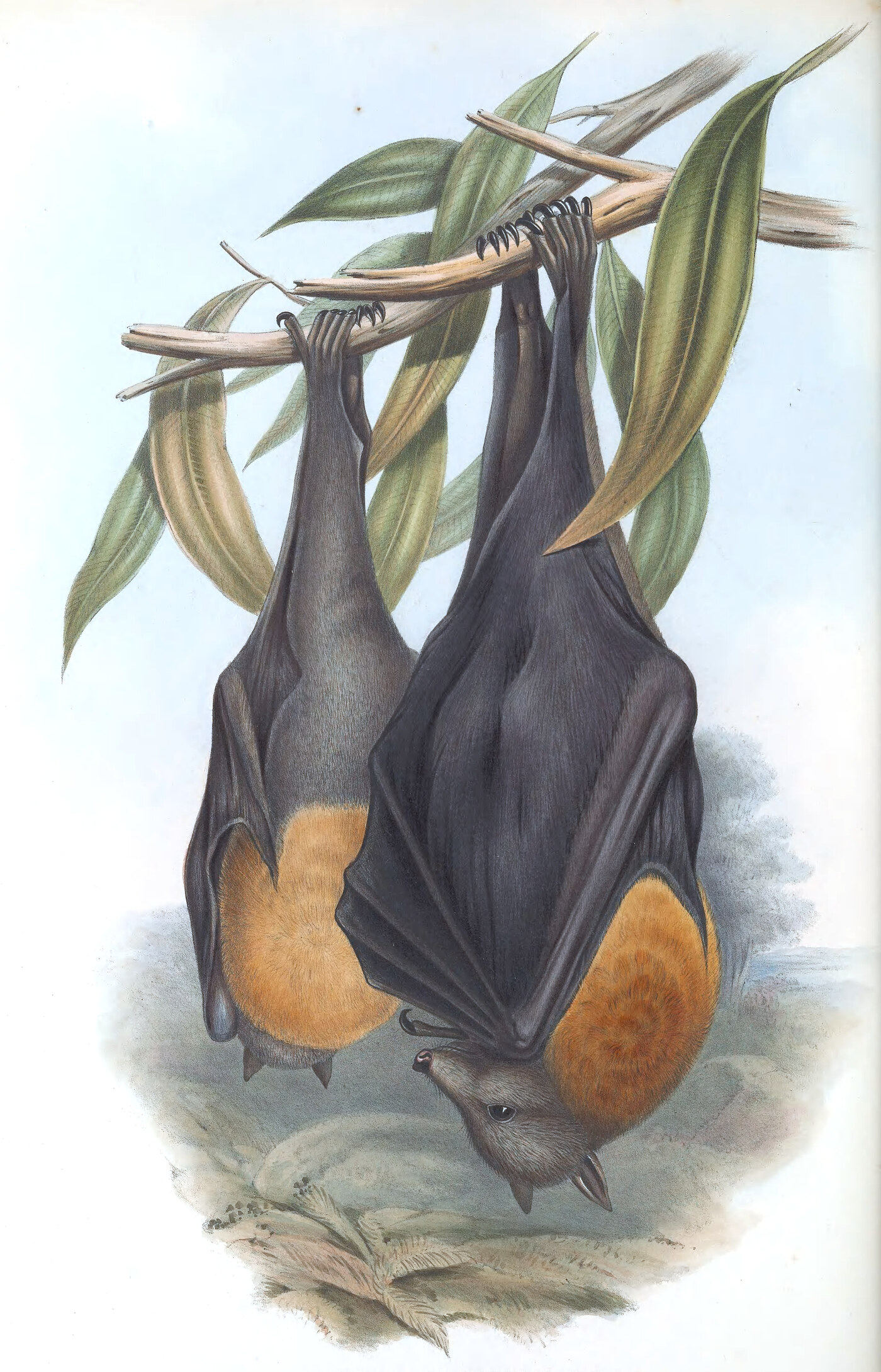
Two boys, just initiated, kill flying foxes and cook them in an oven dug in the earth. When they open it the flying foxes come alive and fly away. The boys are carried off, and the story runs downriver to the sea. The Binbinga of the McArthur River tell it on the western shore of the Gulf of Carpentaria, in Australia’s Northern Territory. The Wik-Mungkan of Cape York tell it on the eastern shore, in Queensland, some 600 kilometres away across the water, in a language of another family. As far as we know, no one has set the two stories side by side before; this page is original research.
On opposite shores of the Gulf of Carpentaria, the Binbinga and the Wik tell one story, step for step: two young initiates, flying foxes cooked in an earth oven, the cooked flying foxes alive again, the youths carried away, and an ending at a rock in the tide.
In brief
- The Binbinga story, recorded by Baldwin Spencer and Francis Gillen in 1901, has two newly circumcised boys cook a heap of flying foxes in a ground oven: “as soon as they opened the earth the foxes jumped up and flew away screeching.”
- The Wik story, recorded by Ursula McConnel at Aurukun in the 1920s and 1930s, has two youths fresh from their first initiation open an antbed oven and cry out: “The flying-fox are alive! Their wings are moving!”
- In both, the two are then taken: by the great snake Bobbi-bobbi on the McArthur River, by the flying foxes themselves on Cape York. Both stories end at the sea, at a rock in tidal water that is one of the story’s young people.
- The Wik tale is the origin of the bullroarer, found by two girls and handed to the men. Its Binbinga twin ends with a rib of the snake hurled into the sky that comes down “with a whizz”, and the Binbinga say the bullroarer’s roar is a spirit that eats the novice and brings him back to life.

Bobbi-bobbi and the two boys
The McArthur River runs north into the Gulf of Carpentaria near Borroloola, in the far north-east of the Northern Territory. The Binbinga held its upper waters; the Anula, today called Yanyuwa, held its mouth and the Sir Edward Pellew Islands offshore. Spencer and Gillen were stranded on the river in 1901, and there the Binbinga told them the story of two boys who had just been circumcised at Akuralla. The boys travel, making creeks and springs as they go, until they camp at Anawainga and strike the ground with their stones.
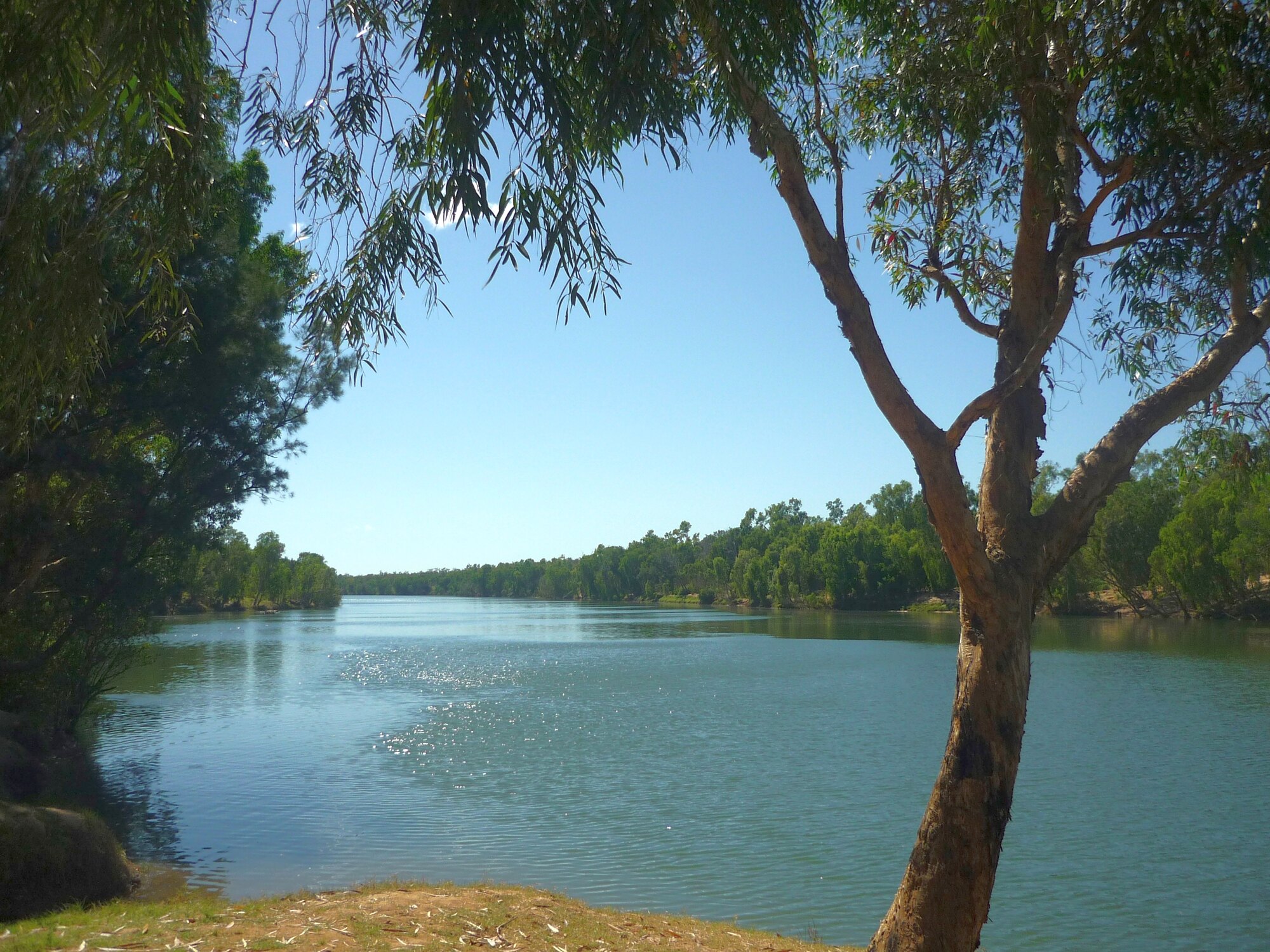
“The snake Bobbi-bobbi heard the noise which they made, and sent a mob of Kinaquantji (flying foxes) after them to find out what they were doing. The boys saw them coming, and said, ‘Hullo, flying foxes are coming.’ They made a number of waddies, and threw them at the foxes, killing so many of them that it took them a long time to collect the bodies and bring them all into camp. They made a ground oven in which to cook them, and, covering them up in this, went out to catch some more. On returning they went to the oven, intending to eat the meat, but, to their surprise, as soon as they opened the earth the foxes jumped up and flew away screeching. The boys said, ‘What does this mean? The foxes are flying away.’
“Just then the snake Bobbi-bobbi, who was underground watching them, took out one of his ribs and threw it on to a plain, where the Paliarinji boy found it, and said, ‘Hullo, this is my boomerang.’ … Paliarinji threw it into the air, and it flew straight up into the sky, making a great hole in the latter, through which it disappeared out of sight. They watched, and at last saw it coming down with a whizz. It fell end on and stuck in the ground where the snake lay hidden, and he gripped and held on to it.
“The two pulled their hardest, but could not draw it out. Gradually they sank up to their knees, and then the snake caught hold of them and dragged them down, a big water-hole called Mumbi-mumbi arising at this spot. The snake took the two boys away down the Macarthur River and across to Waliangu Island, one of the Pellew group, and there they have remained ever since.”
Spencer and Gillen, The Northern Tribes of Central Australia (1904), pp. 436–437.
The Anula, through whose country Bobbi-bobbi passed, told the same journey from inside the snake. Their two boys also kill flying foxes, and Bobbi-bobbi again throws out a rib for them to use as a boomerang and pulls them underground. Then:
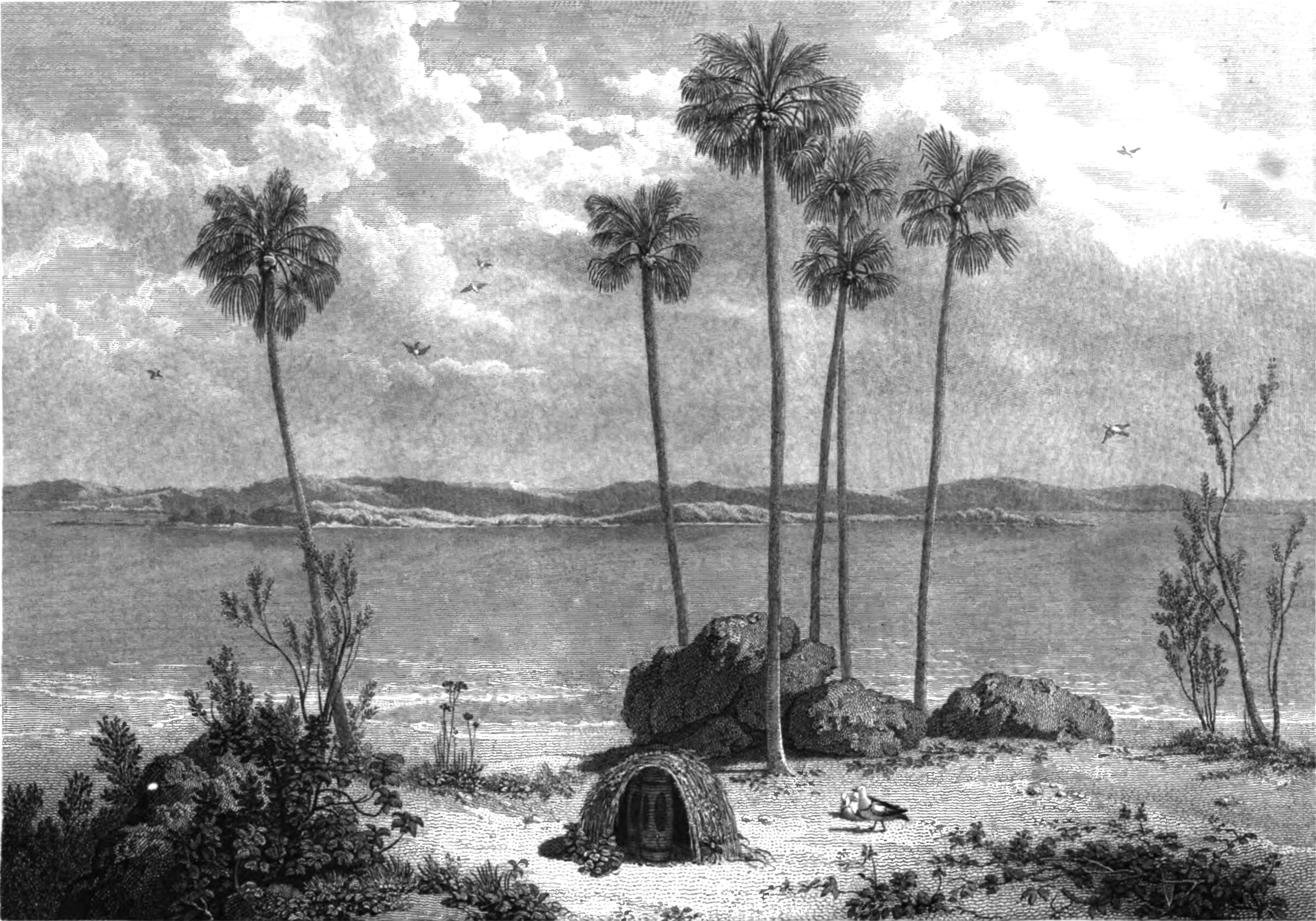
“The snake eat them, but they remained alive in his stomach as he travelled along, and at various places they gave rise to mungai spots … At length they came to the Pellew Islands, some of which the snake made. … He took the Roumburia on to Uikumpo and left him there, and nowadays, when the tide is low, a rock can be seen which is the home of the Roumburia boy.”
Spencer and Gillen (1904), p. 437.
The girls at Kalabin
Across the Gulf, the Archer and Watson Rivers meet at Aurukun on the west coast of Cape York Peninsula, Queensland. Here the Wik-Mungkan keep two bullroarers. The small plain moiya is a girl just entering puberty; the longer pakapaka, painted red and white, is a grown girl. Both are swung by young initiates during their first initiation, and both belong to one story. Bambeigan, the leading man of the bonefish clan, told it to Ursula McConnel.
The first initiation is over. Two of the new young men take their spears, and the old men remind them that flying fox, emu and wallaby are still forbidden to them. They say they are going after black ibis, paddle up the Watson River to the mangroves at Kalabin, and spear flying foxes there, sharing them with some girls they meet swimming. They heat antbed, the baked earth of the termite mounds, for an oven, cover the meat with bark and cook it. Then:
“They stand there afraid. They snatch a piece of bark, light a torch and set the grass on fire all around to burn the flying-fox in the flames. The flying-fox put out the flames with their wings. ‘It’s no use!’ they said. Then up came big black flying-fox and hooked those two with the claws of their wings. The red flying-fox caught them too. They lifted the young men right off their feet and carried them off the ground.”
McConnel (1935), p. 81.
The girls see the youths carried away and swim out to help. The tide sweeps them off their feet and down the river, singing to their fathers for clubs and bonefish spears. They make for a rock standing in the water. Most of them “go down” there, into the place that became their totem centre. Two are left standing, and one of them finds something lying on the bottom in the shallows.
“‘Let me try it! It may make a nice sound! Let us listen!’ No one had ever found a bull-roarer before and no one had ever swung one. She swung it: wu.! wu wu wuh! wu wu.! wu wu wuh! … ‘What is this into the clouds swinging (that is forbidden)? What is this into the clouds we-are-swinging? We two downstream are swinging?’
“‘This is a moiya we have found! we women! It is we who have found it. But no matter! we will hide it for the men! It is they who will swing it! To us it will be forbidden!’ In the bloodwood tree standing nearby they stood it up in a hole. Then they went down to the water. ‘Here at Kalabin we will “go down”!’ they said. … A rock stands up there now. The rock is a koman—a young girl.”
McConnel (1935), p. 82.
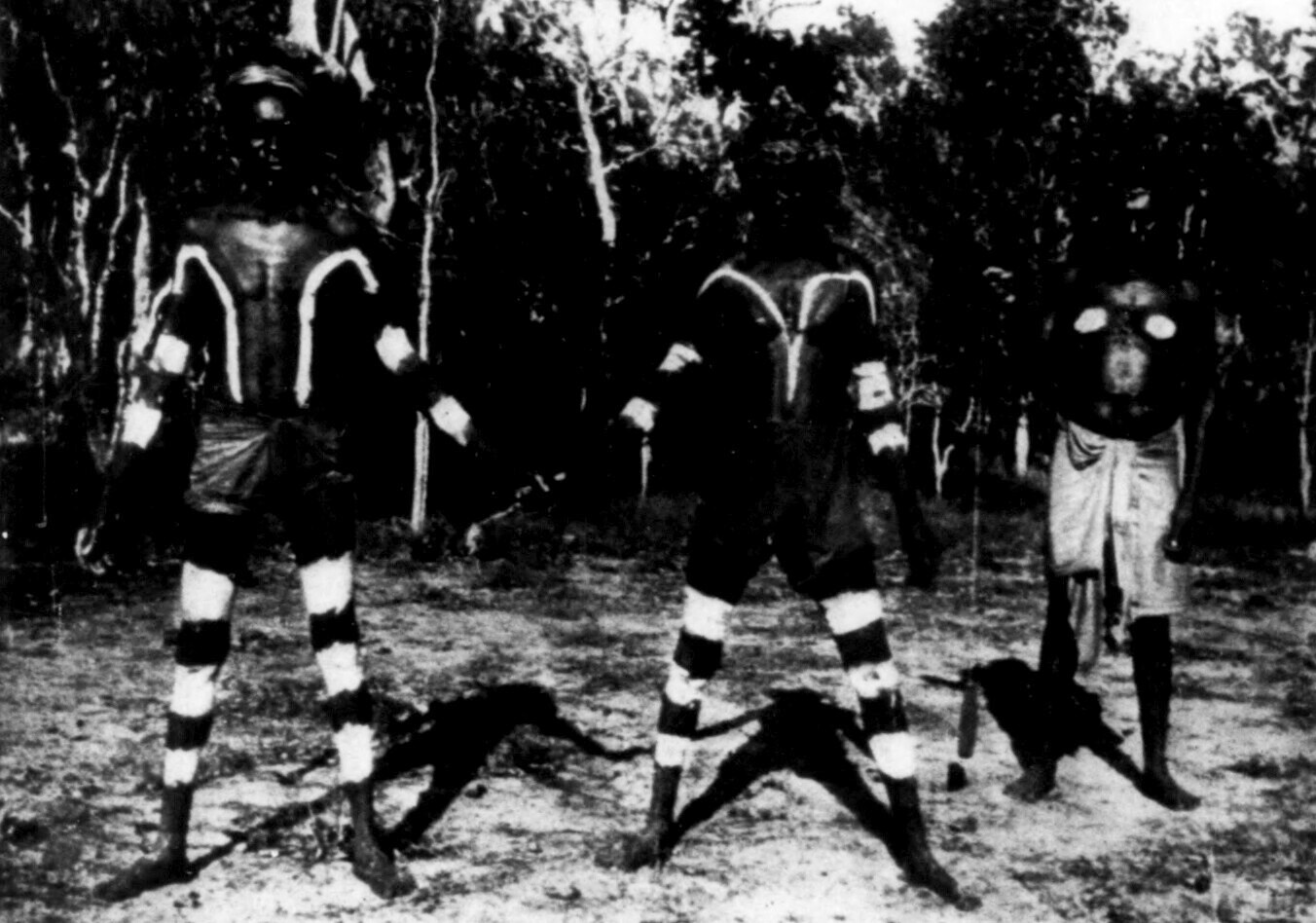
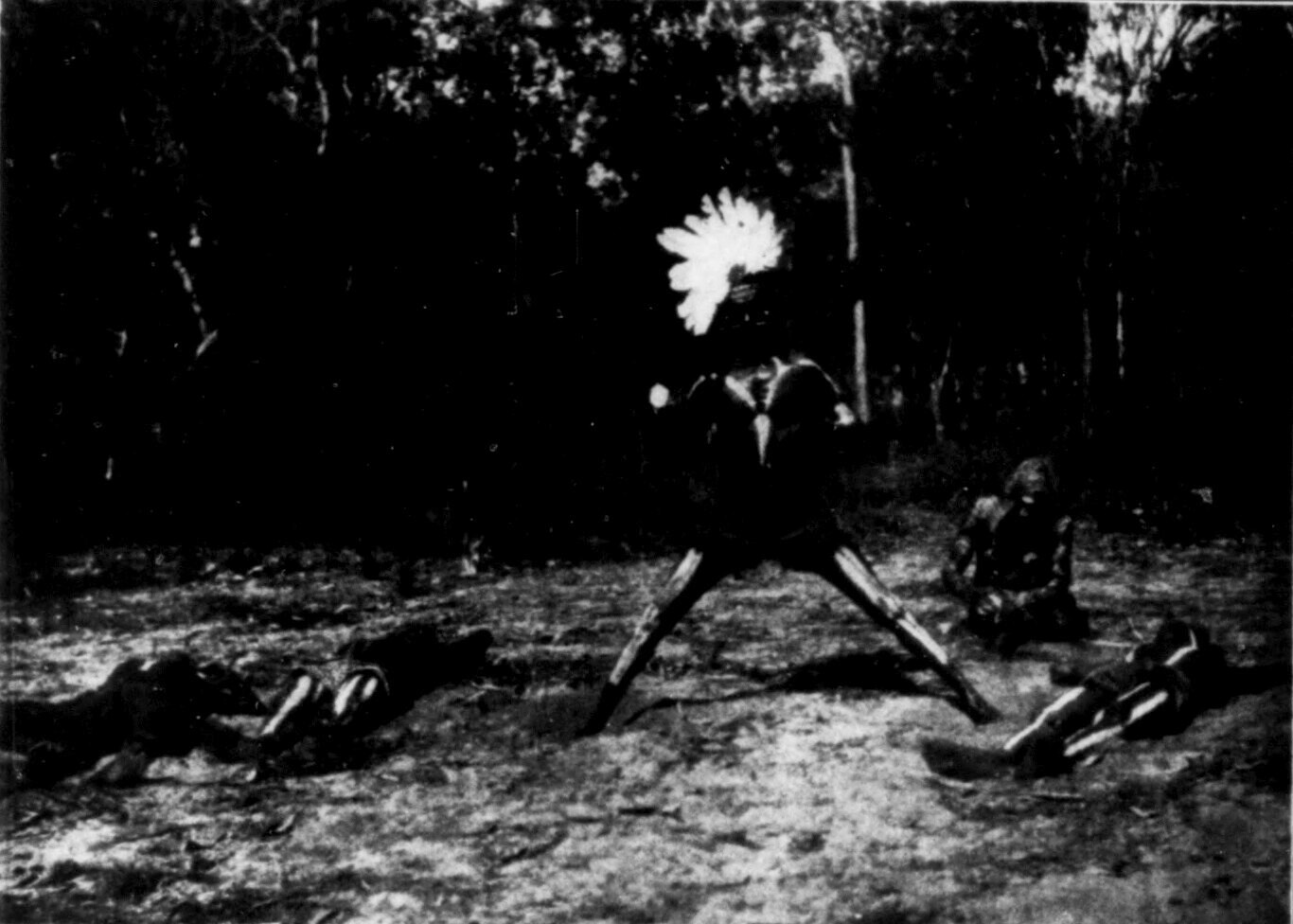
In the rite the two youths stand hand in hand while the girl swings the pakapaka. Ever since, McConnel was told, the men break the wings and legs of the flying foxes when they cook them, and flying fox is forbidden to women. Next door, the Wiknatara swing a pair of their own, the moipaka, husband and wife.
Step for step
Set side by side, the two tellings keep the same order from the first scene to the last. The comparison is original to the Bullroarer Atlas; as far as we know the two stories have not been placed together before.
| Binbinga and Anula, McArthur River | Wik-Mungkan, Archer and Watson Rivers | |
|---|---|---|
| Who | Two boys just circumcised | Two youths just through their first initiation |
| A quarrel over food | An old woman refuses them food; they throw their tassels at her | They lie to the old men and hunt forbidden meat |
| The hunt | Flying foxes, sent by the snake, killed in heaps | Flying foxes speared in the mangroves at Kalabin |
| The oven | A ground oven | An oven of heated antbed |
| The opening | “the foxes jumped up and flew away screeching” | “The flying-fox are alive! Their wings are moving!” |
| Taken away | The snake drags them underground | The flying foxes lift them off the ground |
| Down to the sea | Carried down the McArthur to the Pellew Islands | The girls swept by the tide downriver |
| A rock in the tide | At low tide, a rock that is the boy’s home | “The rock is a koman—a young girl” |
| Into the sky | A rib thrown into the sky, coming down “with a whizz” | The first bullroarer, swung “into the clouds” |
The flying foxes are the hinge of both. Hunting them, cooking them and seeing them rise living from the earth is the scene a listener remembers, and it is the scene that sets everything after it moving.
Swallowed and given back
The Anula boys do not die inside Bobbi-bobbi. They ride in his belly, alive, down the river and out to the islands, and wherever he stops they leave spirit children behind. The Binbinga said much the same of the bullroarer itself. When a boy was cut, the women and children heard its roar as the voice of a spirit:
“a spirit whom they call Katajalina, who lives in an ant-hill and comes out and eats the boy up, restoring him subsequently to life. The Anula women believe that the noise is made by a spirit called Gnabaia, who swallows and afterwards disgorges the boy in the form of an initiated youth.”
Spencer and Gillen (1904), p. 501.
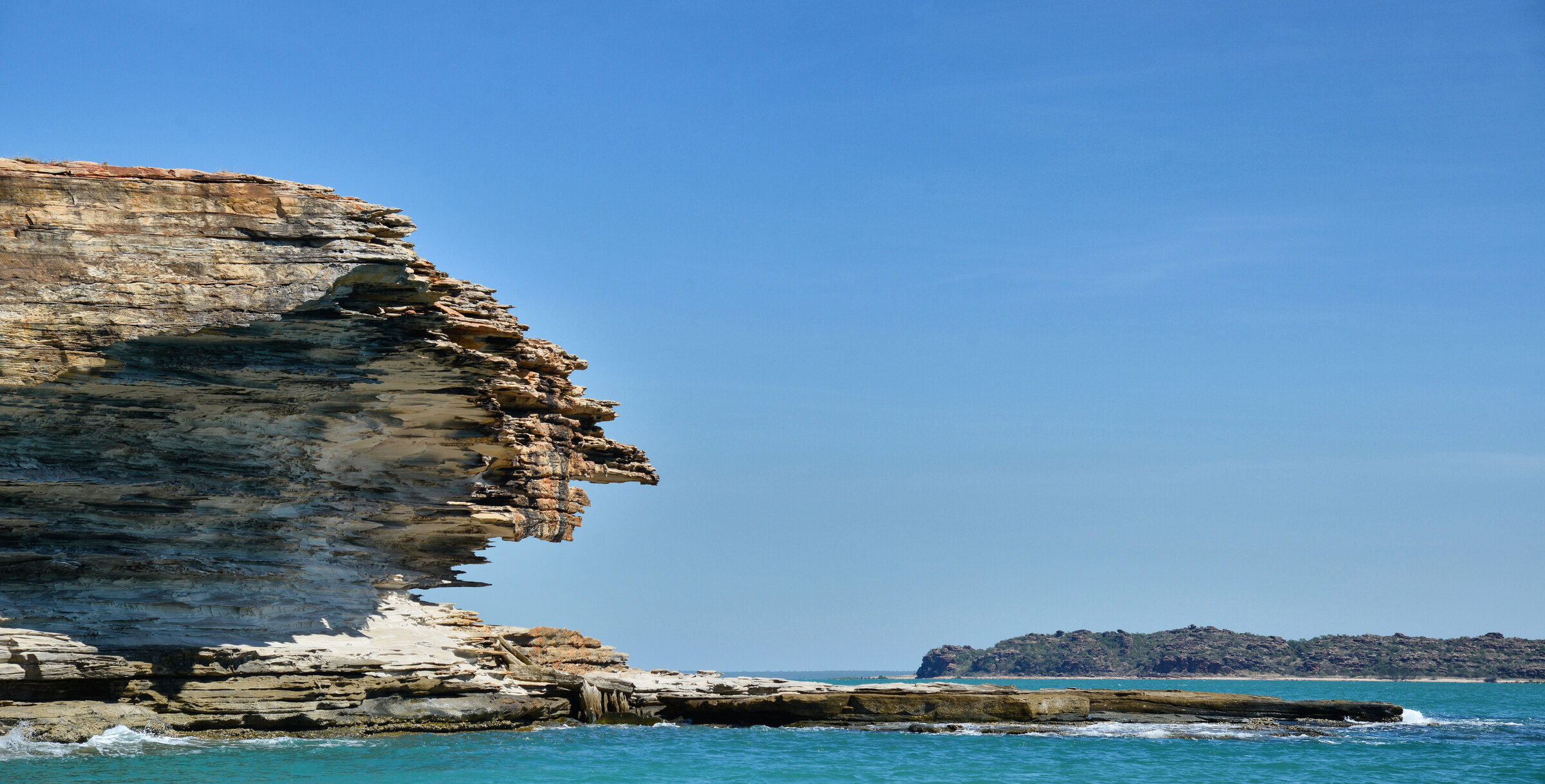
So on the western shore a boy is swallowed and comes back an initiated youth, while the roar sounds over the camp. On the eastern shore the girls go down under the water and the first bullroarer comes up out of it. Katajalina lives in an ant-hill; the Wik youths cooked their flying foxes in the earth of one.
Two shores, one story
Six hundred kilometres of sea separate the mouth of the McArthur from the mouth of the Archer, and the Binbinga and the Wik-Mungkan speak languages of different families. Across that distance both peoples keep the story of the two new initiates who broke a rule over food, cooked flying foxes in the earth, and watched them fly out of the oven alive. In both the youths are carried off, the story goes down the river to the sea, and a rock standing in the tide holds one of its young people still.
A story this particular, told this closely on both shores of one gulf, has the look of a story that crossed the water.
Key sources
- Baldwin Spencer and F. J. Gillen, The Northern Tribes of Central Australia (London: Macmillan, 1904), pp. 435–437 (“The Snake Bobbi-Bobbi”, Binbinga and Anula), 436 n. 1 (the flying fox), 501 (Katajalina and Gnabaia).
- Ursula McConnel, “Myths of the Wikmunkan and Wiknatara Tribes,” Oceania 6 (1935): 66–93, pp. 68–71 (the bullroarers and their rites), 76–83 (“The Bullroarers (Moiya and Moipaka)”, Wik text, literal and free translations), and Plate II.
- John Gould, The Mammals of Australia, vol. 3 (London, 1845–63), pl. 28.
- Matthew Flinders, A Voyage to Terra Australis (London, 1814), atlas: William Westall, “View in Sir Edward Pellew’s Group—Gulph of Carpentaria.”