SA-Z1953-039 - ethnographic attestation
Lacandon; Maya
Mexico - Central America - Yucatan - Mesoamerica
Play / practical
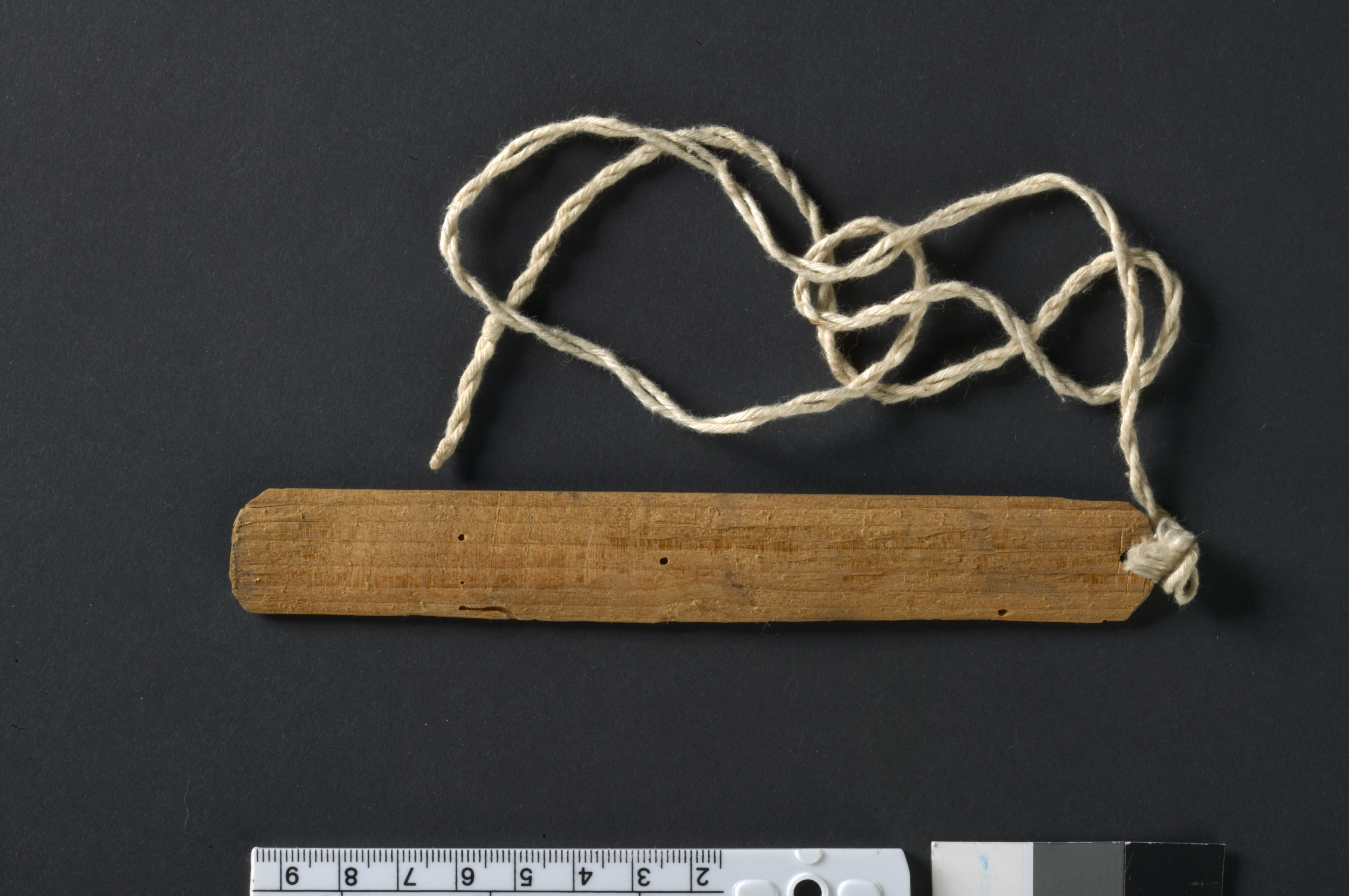
Source term: Schwirrgerät / Schwirrholz / bullroarer
In Yucatan, Alfred Tozzer recorded a bullroarer made from the dry pod of a tree the Maya called piston: nearly round and hollow, with three holes cut in it, and whirled on the end of a string to make what he described as a pleasing musical sound. He noted a local belief attached to it — that the instrument had taught the early Mayas how to whistle. Tozzer placed it among the games of the Yucatan Maya, beside the wooden top, string figures such as “sawing wood,” and a gambling game played with corn grains colored black on one side.
A bull roarer is made of the dry pod or berry of a tree (piston). The pod, which is nearly round and hollow, has three holes cut in it. When whirled in the air on the end of a string, a pleasing musical sound is made. This instrument is said to have taught the early Mayas how to whistle.
Tozzer 1907, A Comparative Study of the Mayas and the Lacandones, p. 77
- Function
- Zerries and Izikowitz report Lacandon use via Tozzer; Tozzer p. 77 describes a Maya/Yucatan bullroarer game made from a pod or berry
- Map confidence
- medium - regional_anchor: Use as Maya/Lacandon Central American occurrence; Tozzer supplies a game/origin-note rather than ritual-function detail; source-sufficient as toy/game occurrence
- Source location
- Tozzer 1907:77 (primary); Izikowitz 1935:211; Zerries 1953:292
- Toy / secular survival