No. QARGHULI1935-001
Baghdad waghwāgha, the boys' whirring slat
Iraq · Baghdad · Near East · Mesopotamia
Play / practical
waghwāgha (الوغواغة) / al-kharrāra (الخَرّارة)
Source term: الوغواغة (الخَرّارة)
waghwāgha: Baghdadi Arabic sound-name for the toy. al-kharrāra: the classical Arabic name, from kharra / kharīr, the purl or murmur of running water.
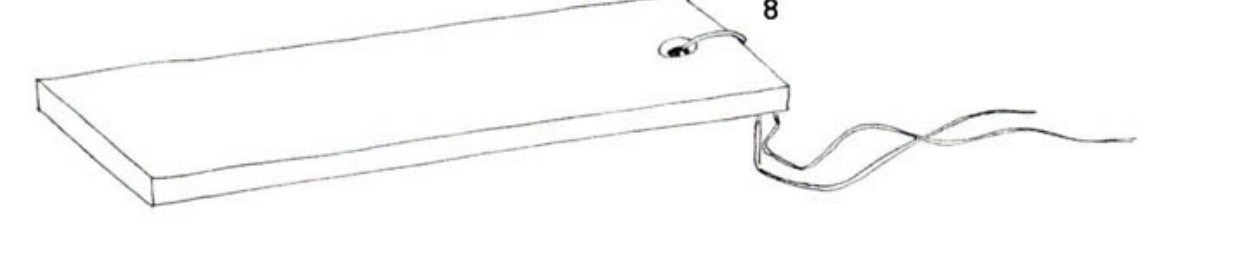
Baghdad boys tied a slip of wood, ten centimetres long and three wide, to a thread and worked the thread until the wood spun and sang. They called it the waghwāgha, a name that whirs in the mouth; its old Arabic name was al-kharrāra, from the word for the gurgle of running water. The medieval dictionary Lisān al-ʿArab already knew it as a stick half a sandal long, tied to a string, that sounds when the string is moved. In 1935 old men remembered it from their boyhood and children still played it, beside its two neighbours in the boys' kit: the buzz disc pulled between two hands, and the iron-tipped top.
يوثقون خشبة عرضها يقارب الثلاثة سانتيمات وطولها العشرة، بخيط، فيحركون الخيط فتدور الخشبة فتصوِّت.
They tie a piece of wood about three centimetres wide and ten long with a thread, then move the thread, and the wood turns and sounds.
Abd al-Sattar al-Qarghuli, al-Alʿāb al-shaʿbiyya li-fityān al-ʿIrāq (1935), p. 63.
Particulars
- Object
- A wooden slat about 10 cm long and 3 cm wide, tied to a thread.
- Function
- Boys' game: moving the thread set the slat turning and sounding.