The Bullroarer Atlas

SA-Z1953-029 - ethnographic attestation

Chimane

Eastern Bolivia - South America

Play / practical

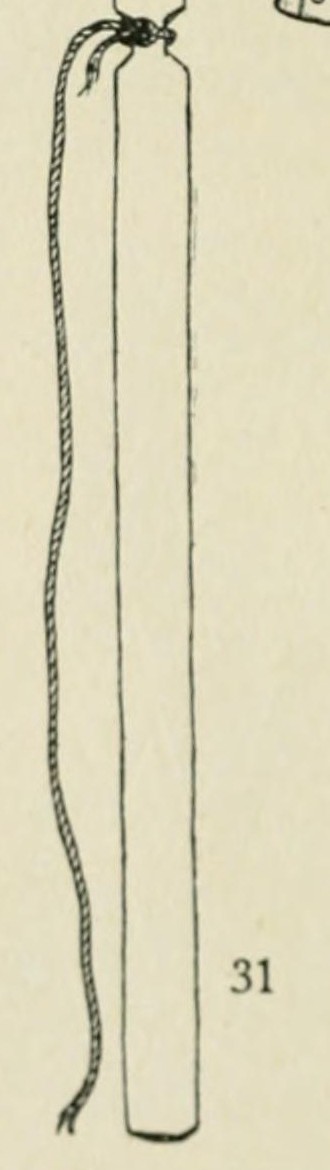
A dark bull-roarer blade with a pale unstained band across its waist and a long hank of two-ply cord, from the Ethnological Museum, Staatliche...
Representative image. A dark bull-roarer blade with a pale unstained band across its waist and a long hank of two-ply cord, from the Ethnological Museum, Staatliche Museen zu Berlin; not the specific Chimane object or culture documented here. Ethnological Museum, Staatliche Museen zu Berlin (acc. DE-MUS-019118/151923/2020-04-07_13-52-09) Image source

kakabadje German / English extraction

Source term: Schwirrgerät / Schwirrholz / bullroarer

kakabadje — Chimane (Tsimane') name for the bullroarer, recorded by Wegner as a children's toy.

Among the Chimane of the Bolivian Mojos lowlands the bullroarer survived only as a children's plaything, called kakabadje. The notice traces to the German anatomist Richard N. Wegner, who passed through Bolivia on the expedition he wrote up as Zum Sonnentor durch altes Indianerland; on page 233 he records the name and the toy use, and nothing more about the object. Otto Zerries, compiling his South American bullroarer survey in 1953, took the Chimane entry from Wegner and grouped them with the neighbouring Chacobo, Yuracare and Guarayu, for whom the whirled wood had likewise dwindled to a toy with no recorded ritual function.

The Chimane still know it as a toy and call it Kakabadje.

Zerries 1953:288 (The Bull-roarer among South American Indians), citing Wegner p.233
Function
Bullroarer still known as toy and called Kakabadje
Map confidence
medium - regional_anchor: No live ritual function extracted
Source location
Wegner 1936:233; reported in Zerries 1953:288

View source Open this point on the interactive map