No. AUSMAIN-004
Biripi (Birpai)
Australia · Manning River · Hastings River (Taree, Port Macquarie) · New South Wales
Restricted
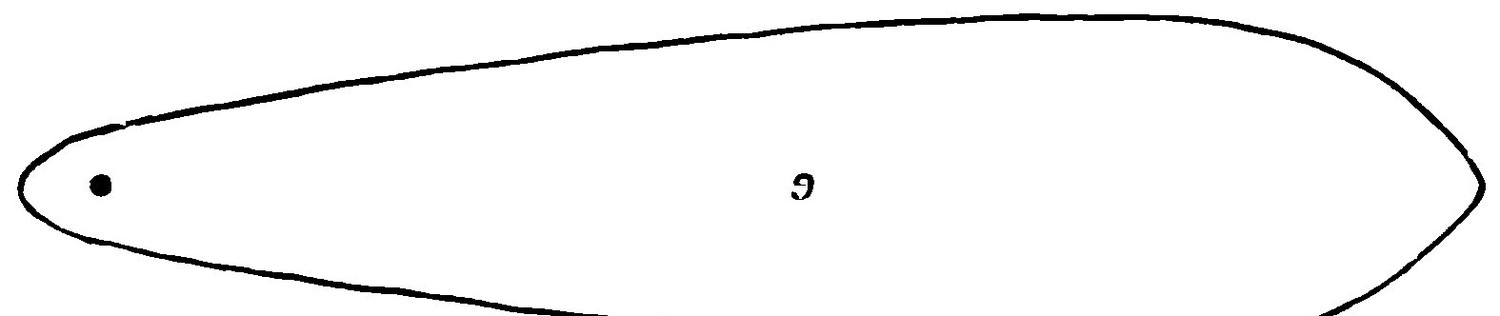
gonnandhakeen
gonnandhakeen: the bull-roarer; the name means "excrement-eater".
Among the tribes scattered between the Hunter and Macleay Rivers, the bull-roarer was the gonnandhakeen, a slat of ironbark whirled on a cord at the Keeparra and Dhalgai initiation ceremonies. On the Manning and Hastings, the country of the Biripi (Birpai), the related Murrawin rite turned on bull-roarers of its own — gheewarra or guarra, by dialect. The novices were taken into the bush to a cleared ground; on later nights, once elders had set up a second site some hundreds of yards off, men whirled the instruments, chanted, and beat coolamons with a nulla-nulla. Each boy was cautioned by a man from a tribe other than his own that if he ever betrayed what he had seen, he would be killed.
The novices are told that the noise they hear is the voice of Goign, who would come and eat them if he got the chance.
R. H. Mathews, "The Keeparra Ceremony of Initiation," Journal of the Anthropological Institute 26 (1897), p. 331
Particulars
- Object
- Ironbark slat whirled on a cord; the example R. H. Mathews illustrated in 1907 was 15½ inches long, 3 7/16 inches broad, and 7/16 inch at its thickest, pierced at the narrow end for the string.
- Function
- Initiation voice; central instrument of Keeparra/Dhalgai initiation cycle.
Source
R. H. Mathews, Notes on the Aborigines of New South Wales (1907), fig. 9; R. H. Mathews, "The Keeparra Ceremony of Initiation," Journal of the Anthropological Institute 26 (1897): 320-340