No. AUSIN-014
Djauan Katherine Kunapippi or Kunabibbi
Australia · Katherine River · Djauan country · Top End
Restricted
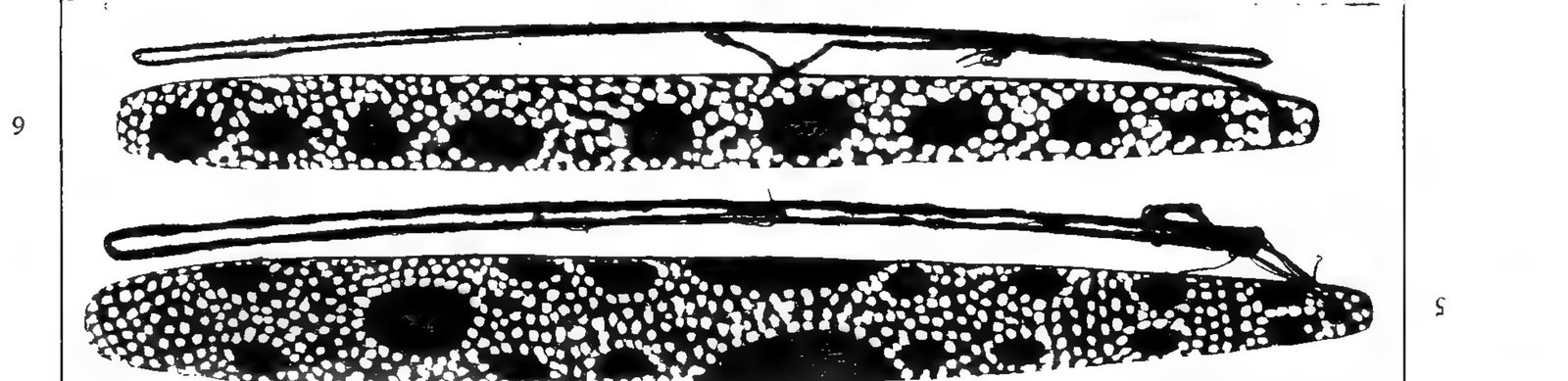
Kunapippi / Kunabibbi
Source term: Kunapippi
Djauan name for the sacred bullroarer, also written Kunabibbi; it is likewise the name of the ancestral being from whom the sticks descend, and it later gave its name to the wider Kunapipi ceremonial cult.
Etymology. Spencer records Kunapippi (also written Kunabibbi) as the Djauan name for the sacred bullroarer shown to boys at initiation and afterwards stored away by the old men. Among the neighbouring Mungarai the same word names the ancestral being who made the first sticks, and it later became famous as Kunapipi (Gunabibi), the All-Mother of the ceremonial cult that spread across Arnhem Land — a name Berndt glosses as 'uterus' and 'emergence'.
Among the Djauan of the Katherine River, a boy was shown the bull-roarer at the climax of his initiation. The operation of circumcision came first: two of his wife's-father kinsmen lay on the ground with the youth across them, a third sat on his chest, and a fourth cut. Only then was he shown the bull-roarer, the Kunapippi. Baldwin Spencer, who recorded the rite during his Northern Territory fieldwork around 1912, noted that across the mainland tribes the women and children believed the whirring sound to be the voice of a great spirit that came to carry the youth away. What set the Djauan apart from the Larakia and Worgait was that the sticks were not destroyed once the ceremony ended but carefully stored in places known only to the old men, a difference Spencer found telling, since Djauan country touches that of the Central tribes who hand their churinga down from generation to generation.
The boy is now shown the bull-roarer, or Kunapippi, and told that he must say nothing about it to the women, who would be struck dead if they should chance to see it.
Spencer 1914, Native Tribes of the Northern Territory of Australia, p. 162
Particulars
- Object
- Sacred bullroarer kept by old men
- Function
- Djauan bullroarers called Kunapippi or Kunabibbi and stored by old men
Source
Spencer, Native Tribes of the Northern Territory of Australia (1914), pp. 162, 213