No. MACALISTER1919-001Europe
Tlachtga's dreadful wheel
Ireland · Hill of Ward (Tlachtga), near Athboy, County Meath · Europe
Sacred / spirit Candidate only
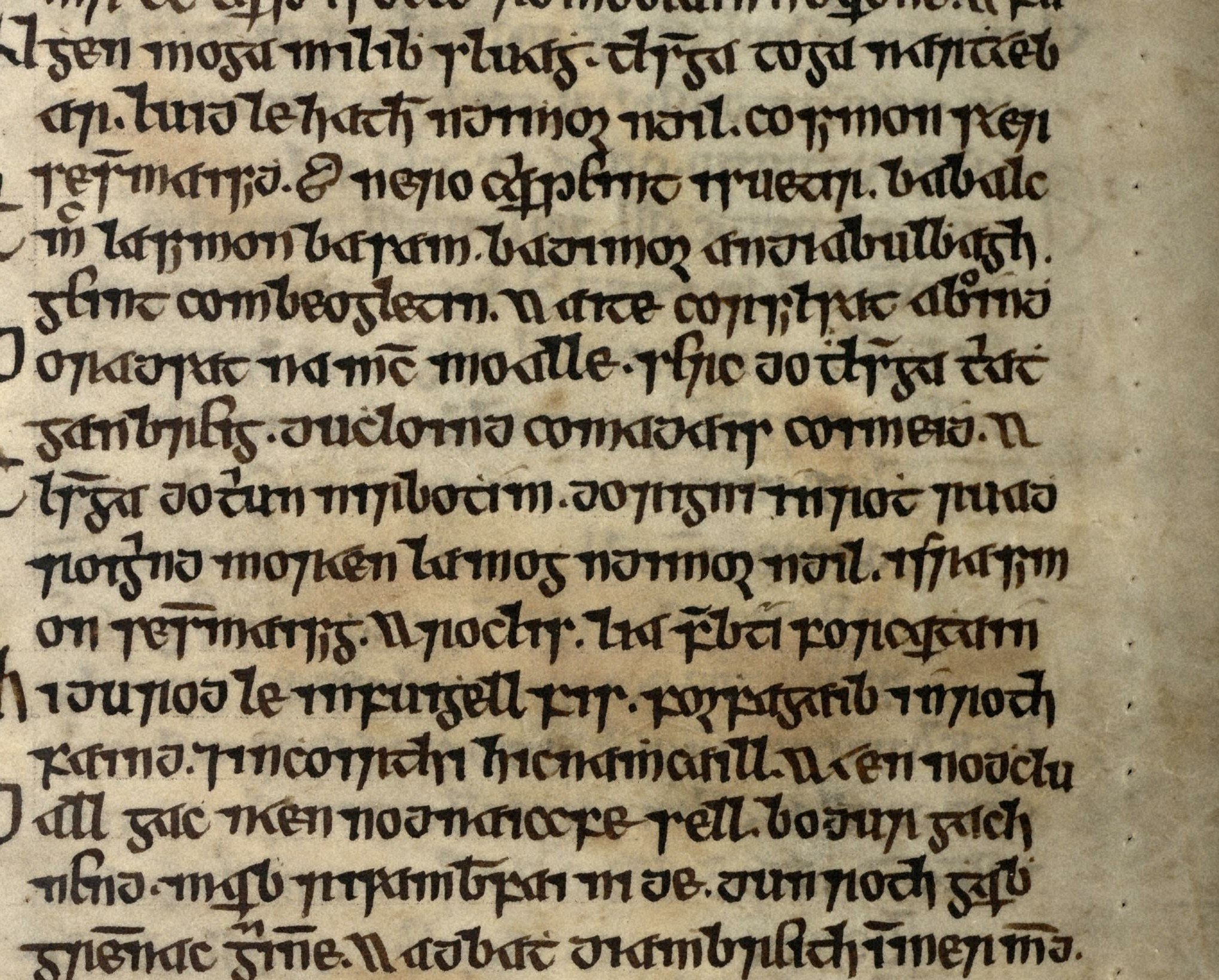
roth rámach
Source term: Roth Rámach ('paddle-wheel'); 'bull-roarer' (Macalister)
Roth Rámach: Irish, 'rowing wheel' or 'paddle-wheel' (rámh, an oar). Mug Ruith: 'slave (or devotee) of the wheel'. Tlachtga: the hill now called the Hill of Ward.
"Blind is each that once sees it, deaf is each that hears it: dead is he that aught touches of the rough-jagged dreadful Wheel." Tlachtga was the daughter of the druid Mug Ruith, whose name means 'slave of the wheel'. She went east with him to learn the world's druidry from Simon Magus, and Simon's three sons all had sex with her in secret and got her with child. With her father and Simon she made the red Roth Rámach, the 'paddle-wheel', and carried its leavings home to Ireland as standing stones. There she bore three sons and died bearing them, and the hill above Athboy where she was buried took her name. In 1919 R. A. S. Macalister argued that the paddle-wheel was a bullroarer, named for an oar, just as Kurnai men in Australia told any woman who found a lost blade that it was the paddle of Tundun, and deadly to see or hear. Its roar, he said, was the scream that the Stone of Fál at Tara gave out under a true king.
Such a name is evidently very suitable for a rotating bull-roarer
R. A. S. Macalister, 'Temair Breg,' Proceedings of the Royal Irish Academy 34C (1919), p. 346
Particulars
- Object
- The Roth Rámach, the 'paddle-wheel' of the druid Mug Ruith, made by him, his daughter Tlachtga and Simon Magus: in the poem a red, well-finished, rough-jagged wheel. Macalister read it as a bullroarer.
- Function
- A druid's instrument of divination; whoever saw it went blind, whoever heard it went deaf, whoever it touched died. Macalister took its sound to be the scream of the Stone of Fál at Tara.
Sources
- R. A. S. Macalister, 'Temair Breg: A Study of the Remains and Traditions of Tara,' Proceedings of the Royal Irish Academy 34C (1919), pp. 337, 344-352 View
- Edward Gwynn (ed. and trans.), The Metrical Dindshenchas IV (1924), poem 45, 'Tlachtga', pp. 186-191 View · archived
- Book of Ballymote, Royal Irish Academy MS 23 P 12, f. 226v (Irish Script on Screen) View · archived