No. GREGOR1985-001
Ukraine's phantom oldest bullroarer
Ukraine, site not specified by Gregor · Eastern Europe
Function not recorded Candidate only
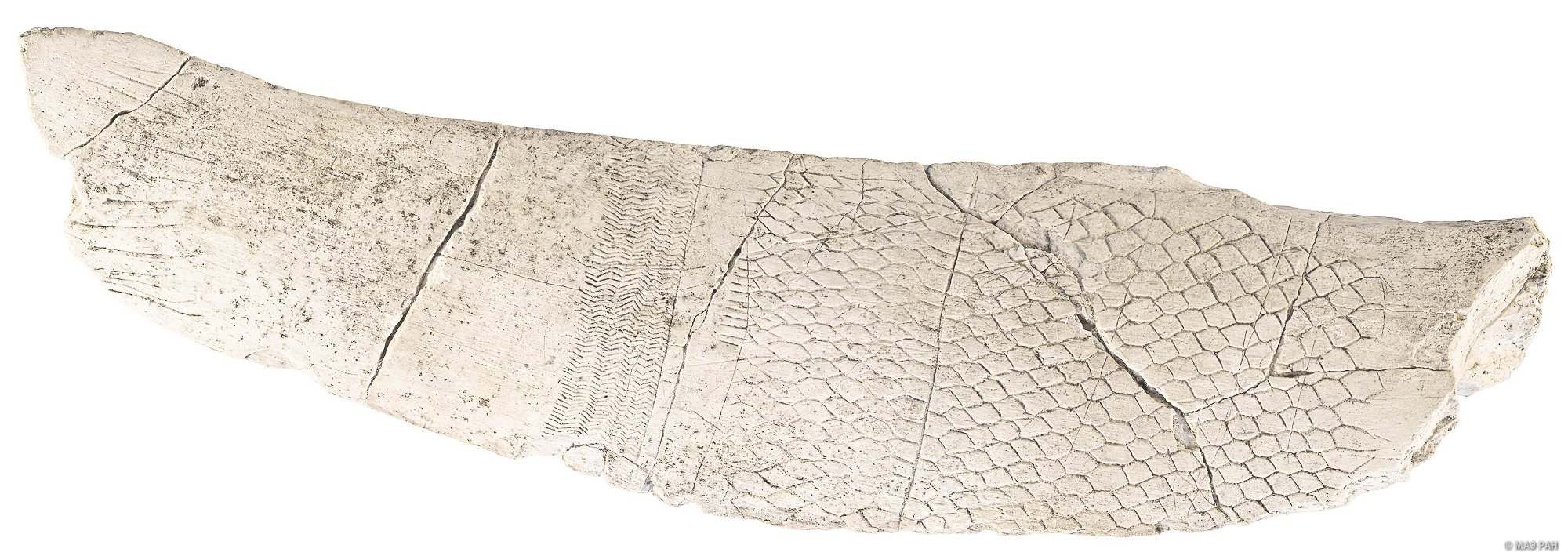
Source term: bullroarer
Ukraine's Ice Age music was beaten, not whirled: at Mezin, six mammoth bones some 20,000 years old were struck with beaters, ivory rattles beside them — a "Stone Age orchestra" of percussion. The secure Paleolithic bullroarers are French: incised, ochre-stained reindeer-antler rhombes from Solutrean and Magdalenian sites such as La Roche de Birol at Lalinde, Lespugue and Laugerie Basse, several reconstructed and shown to hum when whirled. Older still, French archaeomusicologists place the first bullroarers in the Pavlovian of Gravettian Moravia, 22,000 to 25,000 years ago. The Ukrainian roarer of 17,000 B.C. lives in one uncited line of Thomas Gregor's 1985 book on the Amazonian Mehinaku, and in everything that has copied it since.
Today we know that the bullroarer is a very ancient object, specimens from France (13,000 B.C.) and the Ukraine (17,000 B.C.) dating back well into the Paleolithic period.
Gregor 1985, Anxious Pleasures: The Sexual Lives of an Amazonian People, p. 106
Particulars
- Function
- Not recorded.
Source
Thomas Gregor, Anxious Pleasures: The Sexual Lives of an Amazonian People (Chicago, 1985), p. 106; Iain Morley, The Evolutionary Origins and Archaeology of Music (PhD diss., Cambridge, 2003), pp. 33-36, 66-67; S. Bibikov, 'A Stone Age Orchestra' (1978); M. Dauvois, 'Son et musique paléolithiques,' Les Dossiers d'Archéologie 142 (1989): 2-11