No. ANATOLIA-002
Phrygian Cybele / Mt Dindymon
Turkey · Phrygia · Mysia (Cyzicus region; Hellenistic aetiology) · Near East · Anatolia
Sacred / spirit
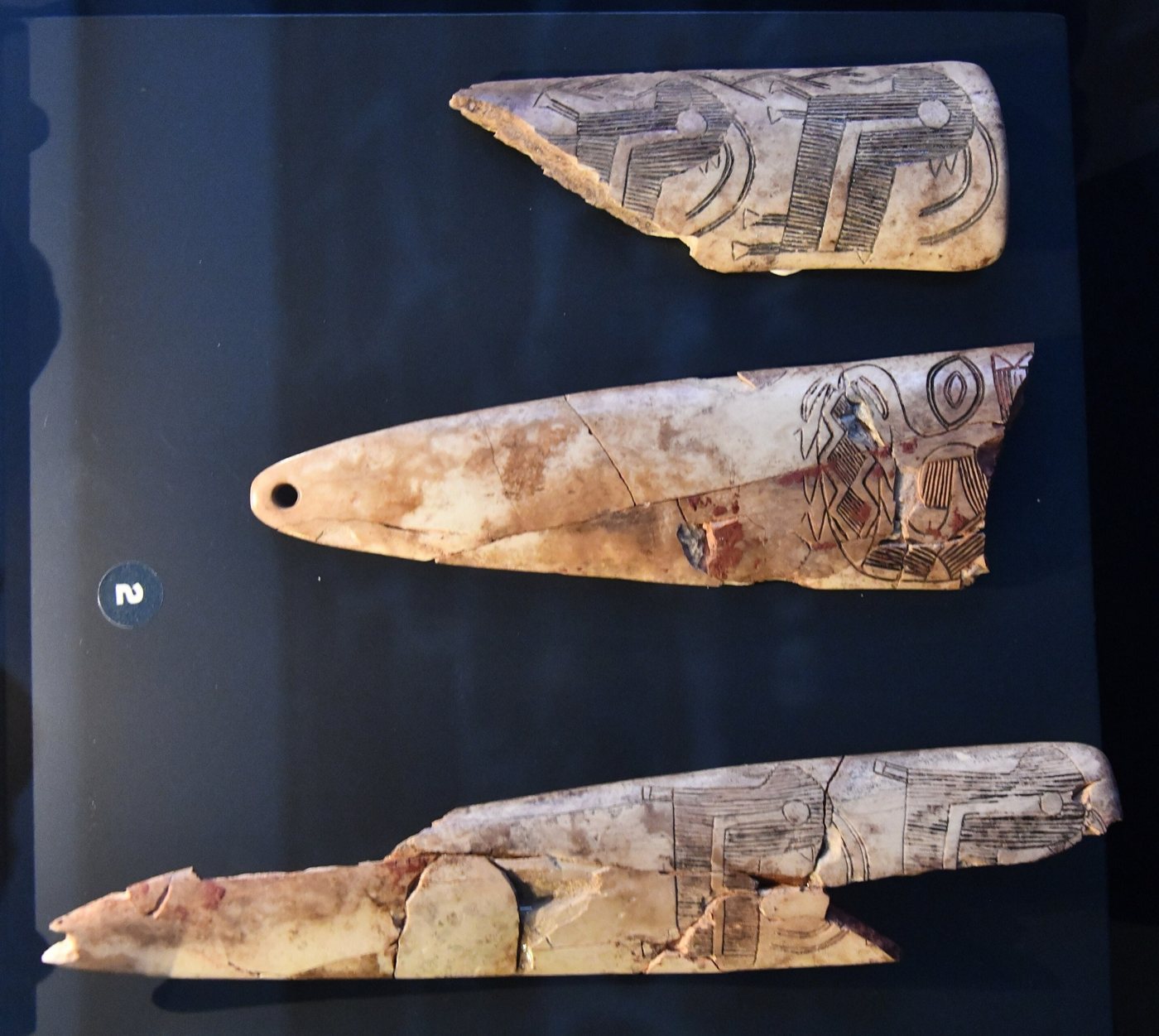
rhombos / trochos
rhombos (Greek ῥόμβος): a slat or disc swung on a cord, taken by Lobeck and later scholars as a bullroarer; Seaton translates it "the wheel". trochos, the ordinary Greek word for a wheel, belongs to the same family of spinning things.
Etymology. Greek term for the whirled sounding object paired with the tympanon in Cybele worship.
In Apollonius Rhodius' telling, the rite was born from a massacre the Argonauts themselves had committed. Having killed the Doliones and their king Cyzicus by night, mistaking them for enemies, the heroes climbed Mount Dindymon to placate the Mountain Mother. While Jason poured libations, the young men danced in full armour and clashed their swords against their shields, so that the people's grieving cry for their dead king would be lost in the air. From that day, the poem says, the Phrygians propitiated Rhea-Cybele with the whirled rhombos and the tympanon, the spun slat and the drum of her ecstatic worship. The Greek of the passage names the instrument rhombos, a slat or disc swung on a cord, which Lobeck, Burkert, and West read as the bullroarer.
Hence from that time forward the Phrygians propitiate Rhea with the wheel and the drum.
Apollonius Rhodius, Argonautica 1.1139 (trans. R. C. Seaton, 1912)
Particulars
- Object
- Whirled rhombos paired with tympanon in Mountain Mother worship; aetiologically established by the Argonauts on Dindymon.
- Function
- Whirled with the drum to keep Rhea-Cybele appeased.
Source
Apollonius Rhodius, Argonautica 1.1134-1139, translated by R. C. Seaton (1912)