No. AMARAL1935-001
Lavras berra-boi at the cemetery door
Brazil · Minas Gerais · Lavras (Quenta-Sol and Rua do Capim) · South America
Sacred / spirit
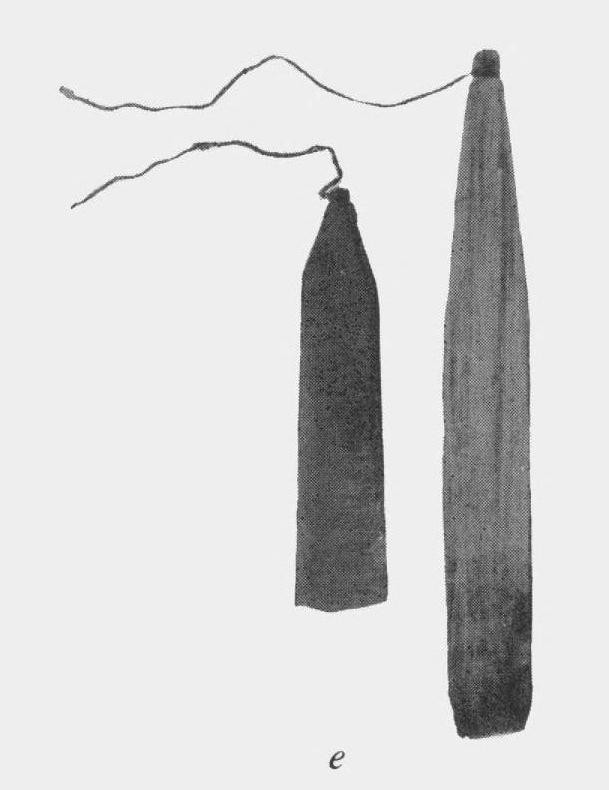
berra-boi
berra-boi (literally 'bellow-ox'): a Brazilian name for the bullroarer.
At midnight in Lent the berra-boi was heard in front of the churches of Lavras and at the cemetery door. The singers came from the poor hillside streets of Quenta-Sol and Capim: chosen voices formed the band of encomendadores who commended the souls of the dead, and a boy handled the berra-boi. In 1935 the town still remembered their duets and the voice of Silvestre the butcher, whose street cry had once sold meat through its streets. The berra-boi was a little board on a cord tied to a handle, whirled to give a roar of 'incredible ghostly character'.
A' meia noite, o "berra-boi" se faz ouvir em frente das Igrejas e Paços, na porta do Cemiterio...
At midnight the berra-boi makes itself heard in front of the churches and chapels, at the cemetery door...
Amaral Sobrinho, A Gazeta (Lavras), 13 January 1935, p. 4
Particulars
- Object
- A small board tied to a cord fastened to a handle, swung in the air.
- Function
- Sounded at midnight in front of the churches and at the cemetery door during the Lenten commendation of the souls (encomendação das almas).