No. MONG-JADA-001
Mongol/Tuvan jada rain-stone bullroarer
Russia · Tuva · Soyot and Mongol-Inner Asian jada-zada complex · South Siberia
Weather / fertility magic
jada / zada / jada tasch
Source term: rain-stone swung like a bull-roarer
jada / zada / yada (Turkic-Mongol): the rain-stone of Inner Asian weather magic, wielded by a specialist (Mongol jadaci, Turkic yadaci) to call or stop rain, hail and storm. Tuvan: chat tash. The swung-on-a-cord variant is marginal; the standard method is the stone dropped in water or held in the mouth.
Etymology. An Inner Asian weather-stone term tied to Early Turkic jada and Persian yada.
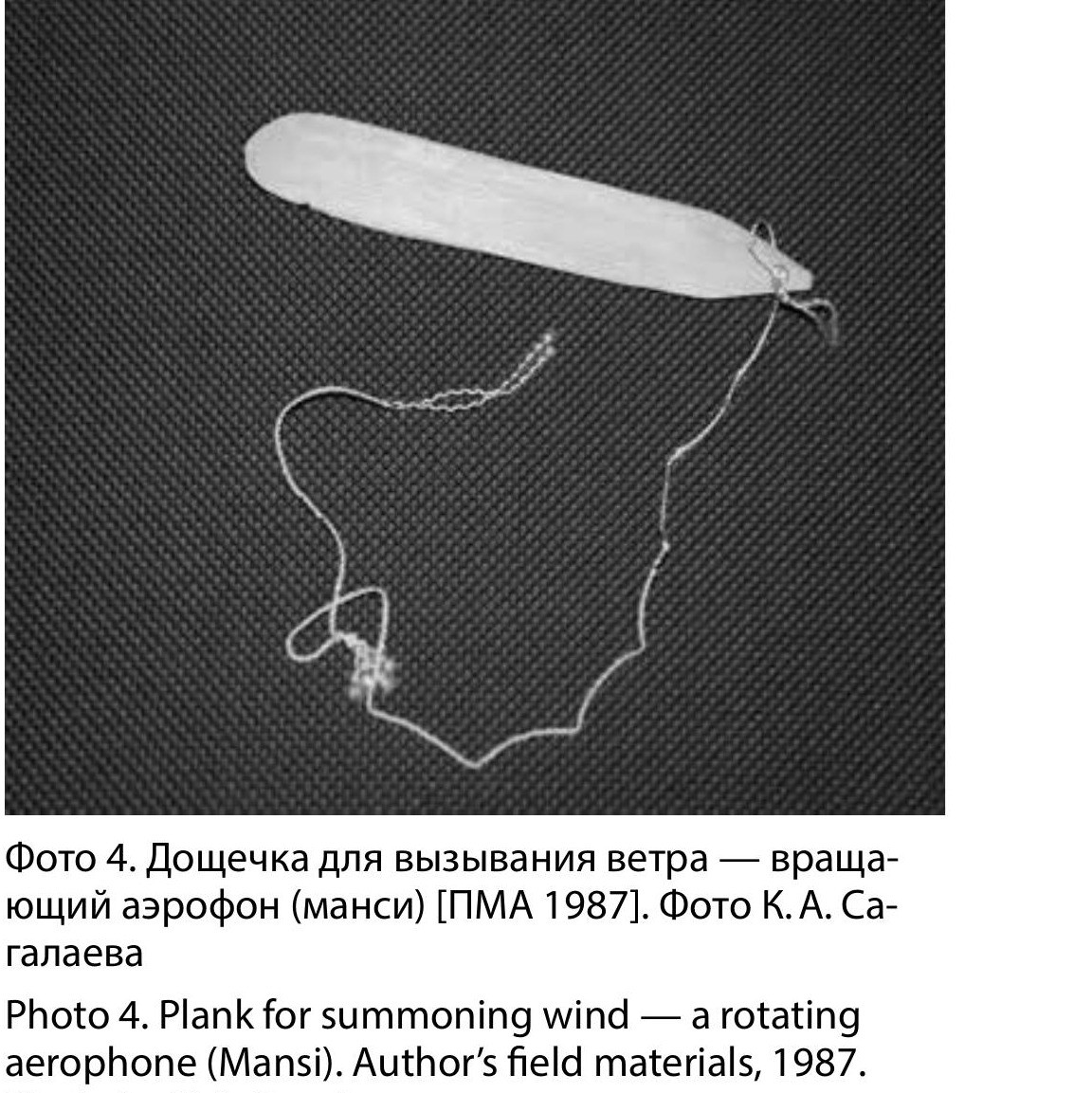
Across the Mongol and Turkic steppe a rainmaker called a jadaci commands the weather with the jada (Buriat and Kalmyk zada; Tuvan chat tash) — a "rain-stone" that is usually a bezoar pried from the gut of a cow or goat, or from the stomach of a bird, and sometimes a fragment of meteorite. Most often he drops it into water or holds it in his mouth and chants until cloud and storm answer; in folktale and chronicle the stone unleashes not just rain but killing weather, as when Biligtu, son of Uqayatu Khan, raised a storm with a rainstone that flung the Chinese army's soldiers and horses against the walls. In Wilhelm Radloff's old report of a Soyot (Tuvan) rite the stone takes flight: his guide, wishing to stop the rain, tied a rock-crystal by a short string to a stick, held it over the fire and swung it about in every direction while he chanted — a whirled rain-stone that has since been likened to a bullroarer.
Jada is mainly understood to be a certain stone, mostly the bezoar, found in the intestines of ruminants such as cows or goats but sometimes also in the stomach of birds. A meteorite fragment can also be used. The methods employed are those of analogous magic: most often a specialist, called jadaci in Mongolian, puts the stone into water (or his mouth) to cause rain.
Birtalan 2001:124
Particulars
- Function
- Weather-magic rite for rain or rain-stopping: a rain-stone fastened to a string or staff is swung like a bullroarer.
Sources
- W. Radloff, Aus Sibirien: Lose Blätter aus meinem Tagebuche (Leipzig: T. O. Weigel, 1884), vol. 2, p. 179, via Frazer 1911 and Emsheimer & Carroll 1986
- James George Frazer, The Magic Art, vol. 1 (1911), p. 306, fn. 1065 View · archived
- Ernst Emsheimer and Robert Carroll, “Earliest Reports about the Music of the Mongols,” Asian Music 18(1) (1986), pp. 1-19, note 3 View · archived
- Agnes Birtalan, jada-zada studies, Shaman 9(2) (2001), pp. 122-124